Navigating the Mike Monroney Aeronautical Center: Training, Registry, and Operational Functions
The Mike Monroney Aeronautical Center (MMAC) in Oklahoma City serves as the central operational hub for the Federal Aviation Administration (FAA). It houses core facilities for air traffic controller training, airman and aircraft regis...
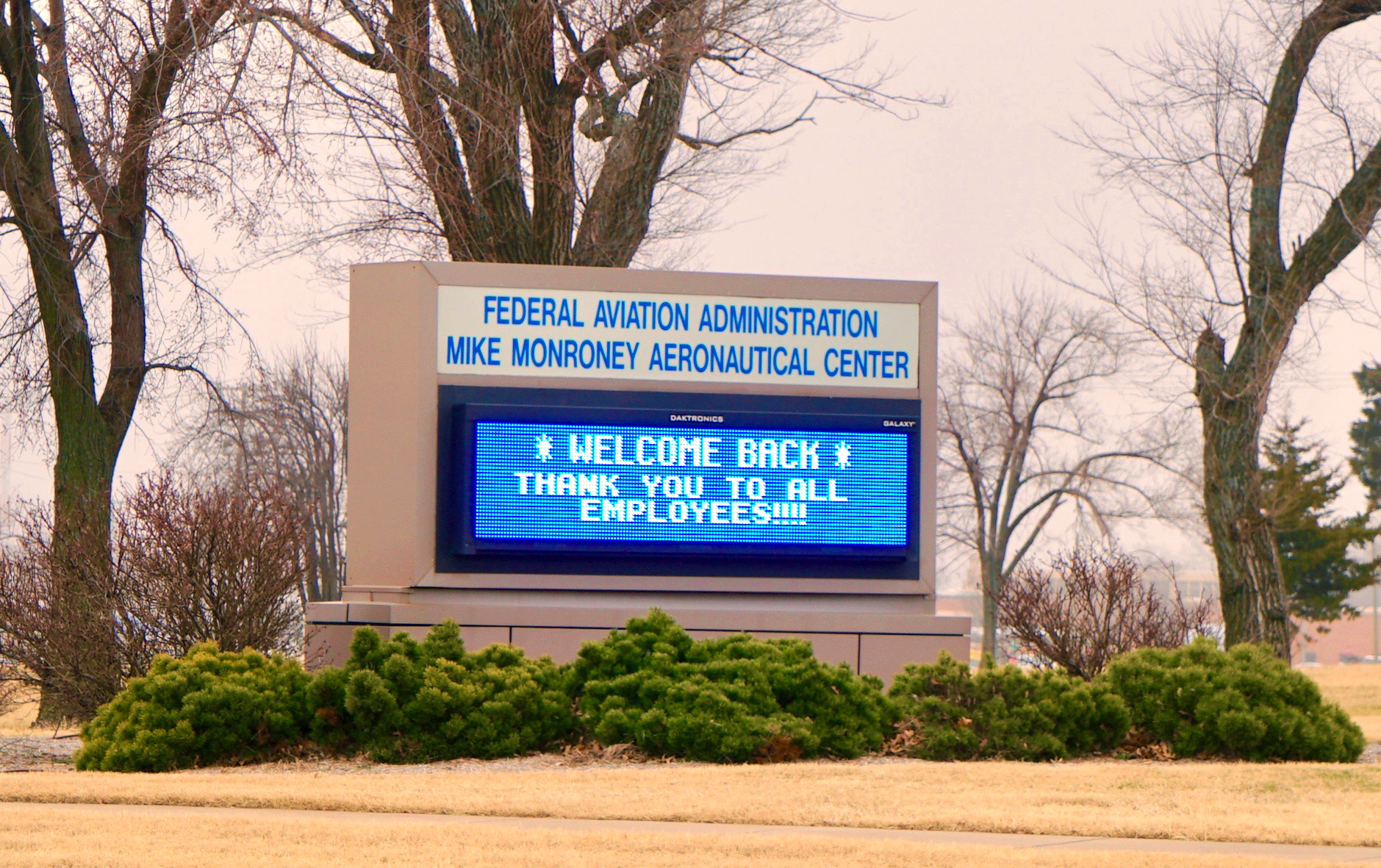
The Mike Monroney Aeronautical Center (MMAC) in Oklahoma City serves as the central operational hub for the Federal Aviation Administration (FAA). It houses core facilities for air traffic controller training, airman and aircraft registration, aerospace medical research, and global logistics support for National Airspace System infrastructure.
Contents
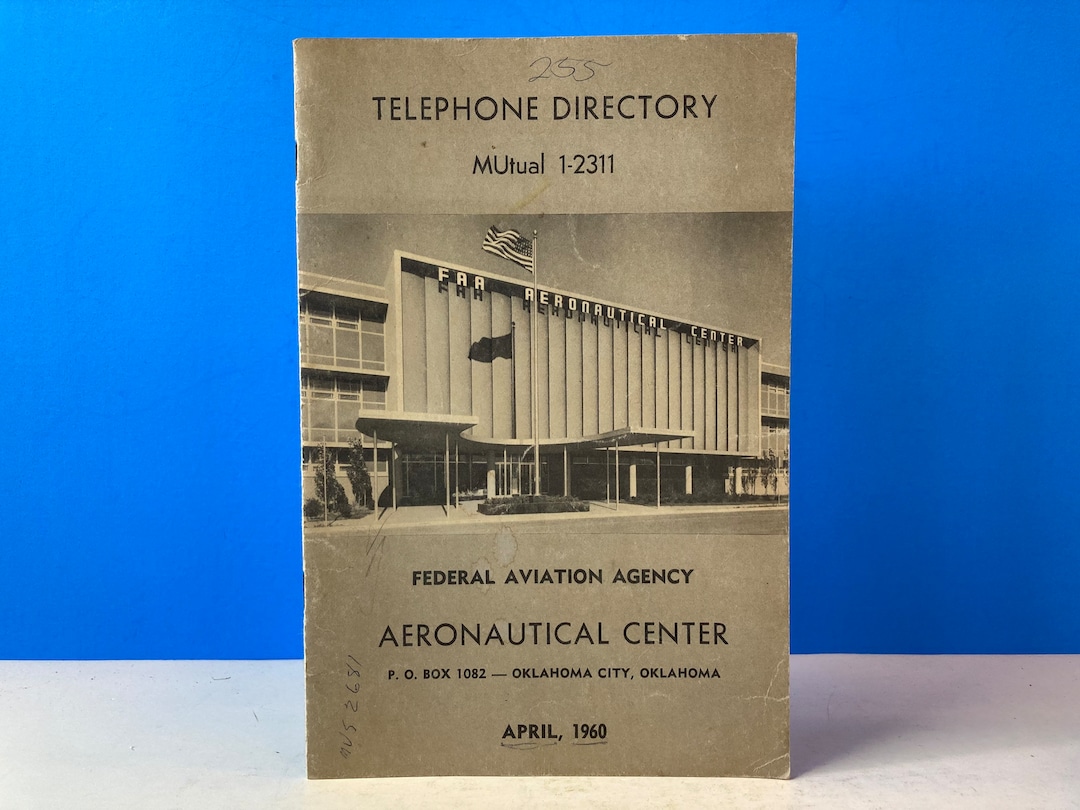
Located adjacent to Will Rogers World Airport, the 1,100-acre campus hosts a workforce of thousands of civil servants, military personnel, and private contractors. Originally established as the Civil Aeronautics Administration Center in 1946, the facility was renamed in 1978 to honor U.S. Senator A.S. "Mike" Monroney, who authored the Federal Aviation Act of 1958.
Understanding the organization, services, and operational compliance standards of MMAC is essential for prospective air traffic controllers, pilots, aviation maintenance technicians, contractors, and industry stakeholders interacting with federal aviation administrative systems.
Core Directorates and Campus Structure
The Aeronautical Center operates under the governance of the FAA's Office of Regions and Center Operations. It brings together several essential aviation administrative, technical, and educational divisions onto a single centralized campus.
- Mike Monroney Aeronautical Center (MMAC)
- FAA Academy (Air Traffic & Technical Operations Training)
- Civil Aerospace Medical Institute (CAMI)
- FAA Logistics Center (FAALC)
- Civil Aviation Registry (Airmen & Aircraft)
- Enterprise Services Center (ESC)
The FAA Academy
The FAA Academy is the agency’s primary training institute for aviation technical personnel. It designs and administers standardized curricula for air traffic control specialists (ATCS), airway transportation systems specialists (ATSS), safety inspectors, and international aviation authorities. Equipped with high-fidelity radar and tower simulators, the Academy serves as the mandatory initial training ground for incoming air traffic personnel.
Civil Aerospace Medical Institute (CAMI)
CAMI represents the medical branch of the FAA’s Office of Aerospace Medicine. The institute combines aeromedical research, specialized training, occupational health services, and medical certification review. CAMI operates altitude chambers, spatial disorientation trainers, and impact-sled facilities to analyze human performance in civil aviation, establish medical standards, and educate flight crews on physiological hazards.
FAA Logistics Center (FAALC)
The FAALC manages global supply chain solutions, overhaul, repair, and distribution for the equipment comprising the National Airspace System (NAS). From radar installations and automated weather observing systems (AWOS) to ground-based navigation aids, the Logistics Center maintains material readiness for critical hardware across national and international radar facilities.
Civil Aviation Registry
The Civil Aviation Registry acts as the official repository for pilot records and aircraft titles across the United States. Comprising the Airmen Certification Branch and the Aircraft Registration Branch, this division processes pilot licenses, medical records, rating endorsements, aircraft ownership deeds, liens, and registration tail numbers (N-numbers).
Enterprise Services Center (ESC)
The ESC provides shared financial management, information technology, cybersecurity, and administrative solutions across the Department of Transportation (DOT) and other federal agency partners. As a designated Federal Financial Management Center of Excellence, ESC processes payroll, enterprise accounting, and secure infrastructure hosting.
Navigating the FAA Academy: Training Pipelines and Protocols
For newly hired air traffic control specialists, attending the FAA Academy is a mandatory hurdle in the employment pipeline. The Academy enforces rigorous performance baselines, standard operating procedures, and evaluation criteria.
- Hiring & Security Clearance
- Basics Course (Online)
- FAA Academy (OKC)
- En Route Track: En Route Academy Screening (EVA)
- Terminal Track: Terminal Academy Screening (TSS)
- Placement at Assigned Facility (AG Stage)
Air Traffic Control Specialist (ATCS) Training
Incoming controllers are assigned to specific operational tracks—primarily En Route (Air Route Traffic Control Centers) or Terminal (Airport Traffic Control Towers and Radar Approach Control facilities).
- Air Traffic Basics: A foundational online course covering aerodynamics, aviation weather, navigation, flight rules, and airspace classification.
- Initial Qualification Training: On-site training at the Oklahoma City campus utilizing classroom lectures and simulation environments:
- Terminal Track: Focuses on airport visual surface operations, local control, ground control, and non-radar procedural separation.
- En Route Track: Focuses on radar vectoring, altitude allocation, en route radar software systems (ERAM), and inter-facility coordination.
- Performance Evaluations: Trainees must pass written examinations and simulated performance assessments (Tabletop and Radar Simulators) with a minimum score—typically 70% or higher depending on the specific evaluation rubric—to graduate. Failure to meet academic or performance standards results in termination or reassignment subject to agency guidelines.
Airway Transportation Systems Specialist (ATSS) Training
Technical Operations personnel responsible for maintaining radar, communications, and navigational hardware undertake technical certification courses at the Academy. Training includes hands-on diagnostics on modern and legacy NAS hardware platforms.
Student Expectations and Campus Guidelines
- Attire: Professional business-casual dress code is enforced across all academic buildings.
- Attendance: Unexcused absences are strictly prohibited due to condensed course schedules.
- Housing and Travel: Trainees receive fixed per diem rates for lodging and meals, selecting from FAA-approved local housing providers or extended-stay hotels near the campus.
Civil Aviation Registry Operations: Aircraft and Airman Certification
The Civil Aviation Registry is the official legal clearinghouse for civil aircraft title records and pilot certifications in the United States. Individuals and corporations interact with the registry when acquiring aircraft, updating flight licenses, or recording security interests.
- Civil Aviation Registry
- Airmen Certification Branch
- Pilot / Remote Pilot Certificates
- Rating Endorsements & Updates
- Medical Records & Verification
- Aircraft Registration Branch
- Aircraft Registration (Form 8050-1)
- Liens, Mortgages & Title Transfer
- N-Number Reservations & Renewal
- Airmen Certification Branch
Aircraft Registration Branch (AFB-710)
All civil aircraft operated within the United States must be registered with the FAA under 14 CFR Part 47. The Aircraft Registration Branch oversees:
- Initial Registration: Processing AC Form 8050-1 (Aircraft Registration Application) alongside bills of sale and manufacturer statements of origin.
- Re-registration and Renewal: Managing periodic aircraft registration renewals to maintain an accurate database of active aircraft owners.
- Aircraft Title and Encumbrance Records: Recording security agreements, chattel mortgages, and mechanics' liens against registered aircraft. Buyers and lenders rely on these records to verify clear title during aircraft transactions.
- N-Number Assignment: Reserving, transferring, and renewing custom or standard aircraft registration numbers.
Official forms, title chain filings, and registration status lookups can be verified online through the FAA Aircraft Registry portal.
Airmen Certification Branch (AFB-720)
The Airmen Certification Branch manages permanent records for pilots, flight instructors, mechanics, repairmen, and control tower operators under 14 CFR Part 61 and Part 65. Core duties include:
- Certificate Issuance: Processing temporary certificates issued by Designated Pilot Examiners (DPEs) into permanent plastic airman certificates containing security enhancements.
- Address and Name Changes: Processing mandatory address updates, legal name changes, and certificate replacements.
- Verification of Authenticity: Providing official verification letters to foreign civil aviation authorities for U.S. pilots seeking license validations abroad.
Aerospace Medicine and Research at CAMI
The Civil Aerospace Medical Institute fulfills a dual mandate: safeguarding human factors in contemporary flight operations and conducting basic and applied aeromedical research.
- Civil Aerospace Medical Institute (CAMI)
- Aeromedical Certification
- Medical Exam Review
- Special Issuance Waivers
- AmP (Pilot Portal)
- Aeromedical Research
- Biodynamics & Crash Safety
- Forensic Toxicology
- Human Factors & Vision
- Civil Aeromedical Education
- Hypoxia/Altitude Chamber
- Spatial Disorientation
- Water Survival Training
- Aeromedical Certification
Aeromedical Certification Division
CAMI oversees the administrative review of pilot medical applications submitted through Aviation Medical Examiners (AMEs) via MedXPress.
- Review of Complex Cases: Applications involving medical conditions requiring Special Issuance authorizations (e.g., cardiovascular disease, neurological disorders, mental health conditions) are forwarded to CAMI physicians for review.
- Medical Appeals: Pilots seeking reconsideration of denied medical certificates submit detailed clinical documentation directly to the Aeromedical Certification Division.
Specialized Aeromedical Training for Civilian Pilots
CAMI offers specialized physiological training courses tailored for civil aviation pilots, military personnel, and government flight crews:
- Physiological Training (Altitude Chamber): Provides practical exposure to high-altitude environments, teaching pilots to recognize personal hypoxia symptoms and properly use emergency aviation oxygen equipment.
- Spatial Disorientation Demonstration: Utilizes specialized simulators to demonstrate how vestibular illusions occur during instrument meteorological conditions (IMC) and how to maintain situational awareness using flight instruments.
- Water Survival and Crash Survival: Covers post-ditching procedures, life raft deployment, and impact survival mechanics.
Comparative Structure of Major MMAC Directorates
To clarify the operational responsibilities across the center, the following table summarizes the primary roles, key stakeholders, and common points of interaction for MMAC directorates:
| Directorate / Division | Primary Operational Focus | Key Stakeholders / Primary Users | Primary Public/Industry Interaction |
|---|---|---|---|
| FAA Academy | Specialized training for ATC, Tech Ops, and safety personnel | Newly hired controllers, ATSS technicians, safety inspectors | Enrollee registration, student logistics, simulator training |
| Civil Aviation Registry | Maintenance of federal airmen records and aircraft title deeds | Aircraft owners, buyers, lenders, pilots, flight schools | Filing AC Form 8050-1, N-Number registration, airman record updates |
| Civil Aerospace Medical Institute (CAMI) | Aeromedical research, certification oversight, physiological training | Pilots, Aviation Medical Examiners (AMEs), flight crews | Special Issuance medical reviews, altitude chamber course booking |
| FAA Logistics Center (FAALC) | Supply chain, repair, and depot maintenance for NAS hardware | FAA Technical Operations, Department of Defense, international partners | Parts procurement, equipment repair orders, logistics tracking |
| Enterprise Services Center (ESC) | IT infrastructure, cybersecurity, and financial management | Federal agencies, DOT leadership, external vendor networks | Federal contract billing, shared IT systems hosting, financial operations |
Security, Access Controls, and Visitor Guidelines
Due to its role in maintaining National Airspace System infrastructure, security at the Mike Monroney Aeronautical Center is governed by federal facility security standards. Strict entry controls apply to all employees, contractors, trainees, and visitors.
Entry Requirements and Badging
- Identification: All visitors entering the campus must present a government-issued photo ID that complies with REAL ID standards, a valid U.S. passport, or a Personal Identity Verification (PIV) / Common Access Card (CAC).
- Visitor Passes: Non-badged visitors must register at the Visitor Center located at the main gate (MacArthur Boulevard entrance). Visitors must be escorted by an authorized, badged employee at all times while inside secure areas.
- Vehicle Inspection: Unregistered vehicles entering the perimeter are subject to physical security inspections. Drivers must present valid vehicle registration and proof of insurance upon request.
Campus Logistics and Amenities
- Location: 6500 S. MacArthur Blvd, Oklahoma City, OK 73169.
- Transportation: Public transportation options connecting the campus to downtown Oklahoma City are limited; rental vehicles or rideshare services are recommended for students and visitors.
- Prohibited Items: Firearms, weapons, explosives, alcohol, and illegal substances are strictly prohibited on all federal property within the center.
Frequently Asked Questions
What is the primary purpose of the Mike Monroney Aeronautical Center?
The Mike Monroney Aeronautical Center serves as the FAA's central hub for operational support, technical training, logistics, aerospace medical research, and administrative services. It houses key divisions such as the FAA Academy, the Civil Aviation Registry, CAMI, and the FAA Logistics Center.
Can private pilots book altitude chamber training at CAMI?
Yes. Civilian pilots holding a valid FAA medical certificate can sign up for physiological and altitude chamber training provided by CAMI. Applications must be submitted in advance through the FAA's aeromedical training portal, and space is granted based on availability.
How do I correct an error on my aircraft registration certificate?
Errors on an aircraft registration certificate must be resolved directly with the Aircraft Registration Branch. Submit a written request detailing the correction along with supporting documentation (such as a corrected Bill of Sale or modified application Form 8050-1) to the Civil Aviation Registry in Oklahoma City.
How long does training at the FAA Academy take for air traffic controllers?
Duration varies depending on the assigned track. The En Route and Terminal tracks typically range from 2 to 4 months of intensive on-site classroom and simulation training in Oklahoma City, following the completion of initial web-based prerequisite courses.
Where can I check the status of a pilot medical certification under review at CAMI?
Pilots can check the status of their medical application online using the FAA MedXPress system or by calling the Aeromedical Certification Division directly.
Recommendations for Visitors, Students, and Applicants
- Verify Documentation Early: Trainees and contractors should complete all background checks, e-QIP/NBIS security questionnaires, and fingerprinting protocols well before arriving in Oklahoma City to prevent access delays at the Visitor Center.
- Utilize Electronic Registration Portals: When submitting aircraft registration forms or airmen record changes, use official FAA electronic filing options where available to eliminate physical mail delays.
- Plan Housing Logistics Early: FAA Academy students should secure lodging with approved providers that offer billing aligned directly with federal per diem structures.
- Prepare Academically: Incoming Academy students should review the Air Traffic Basics curriculum, airspace classifications, and flight rules prior to their campus start date to maximize performance during simulator evaluations.
Image Gallery