Expert Commercial Foundation Repair in Hurst: 2026 Property Owner’s Guide
Commercial foundation repair in Hurst requires specialized engineering solutions designed to counter the region’s highly expansive clay soils. For 2026, property owners should prioritize deep-driven steel piers or helical piles to reac...
Commercial foundation repair in Hurst requires specialized engineering solutions designed to counter the region’s highly expansive clay soils. For 2026, property owners should prioritize deep-driven steel piers or helical piles to reach stable strata, ensuring structural integrity for warehouses, retail centers, and office complexes while adhering to Tarrant County’s stringent building codes and safety regulations.
Contents
The geological landscape of Hurst, Texas, presents a unique set of challenges for commercial structures. Situated within the Dallas-Fort Worth metroplex, Hurst sits atop soil formations characterized by high plasticity. These "active" soils expand significantly when saturated and shrink during the intense North Texas heat cycles. For a commercial property owner, this translates to constant subterranean pressure that can jeopardize the structural health of a building. Addressing these issues requires more than a simple patch; it demands a strategic approach from a commercial foundation repair company that understands the local lithology and the load-bearing requirements of large-scale infrastructure.
Understanding the Hurst Soil Profile and Its Impact on Foundations
The primary culprit behind foundation failure in Hurst is the prevalence of expansive clay, often part of the Eagle Ford Shale or similar regional formations. These clays are chemically sensitive to moisture. During the rainy seasons of early spring, the clay absorbs water and swells, exerting upward pressure known as "heave." Conversely, during the prolonged droughts common to North Texas summers, the soil loses moisture and retracts, leading to "settlement" or "subsidence."
For commercial buildings, which often feature large concrete slabs and heavy load-bearing walls, this movement is rarely uniform. Differential settlement occurs when one portion of the building sinks or rises faster than another. This creates internal stress throughout the framework, leading to visible damage and potential safety hazards. In 2026, with the increasing density of commercial development in Hurst, the importance of soil stabilization and advanced piering systems has never been higher.
The Role of the "Active Zone"
In the Hurst area, the "active zone"—the depth to which soil moisture fluctuates—can extend 15 to 20 feet below the surface. Commercial foundation repair companies must design systems that bypass this volatile layer to anchor the structure into stable, non-reactive material or competent bedrock. Failure to reach these depths often results in "seasonal movement," where the repair itself shifts along with the upper soil layers.
Identifying Signs of Commercial Foundation Distress
Recognizing the early indicators of foundation failure can save a property owner hundreds of thousands of dollars in secondary damage. Commercial structures often mask foundation issues longer than residential homes due to their robust construction, but the signs eventually manifest in specific ways.
- Exterior Masonry Cracks: Large, stair-step cracks in brickwork or "Z-cracks" in concrete blocks are classic indicators of shifting. In Hurst’s commercial corridors, these are often seen near loading docks or entryways.
- Interior Wall Separation: Look for gaps between the wall and the ceiling or floor. In office buildings, drywall cracks radiating from the corners of door frames suggest that the frame is no longer square.
- Operational Interference: If heavy steel doors in a warehouse begin to stick, or if elevator shafts require frequent realignment, the cause is often a shifting foundation.
- Floor Sloping and Drainage Issues: Commercial floors are engineered for specific drainage patterns. If water begins to pool in unexpected areas of a warehouse or parking garage, it indicates a change in the building's plane.
- Window and Glass Stress: In modern retail fronts, foundation movement can put immense pressure on large glass panes. If windows are cracking without external impact, the building's "envelope" is likely being distorted by the foundation.
Advanced Repair Technologies for 2026
The industry has moved beyond rudimentary concrete pressing. Modern commercial foundation repair in Hurst utilizes high-capacity systems engineered for longevity and precision.
1. Heavy-Duty Steel Piers
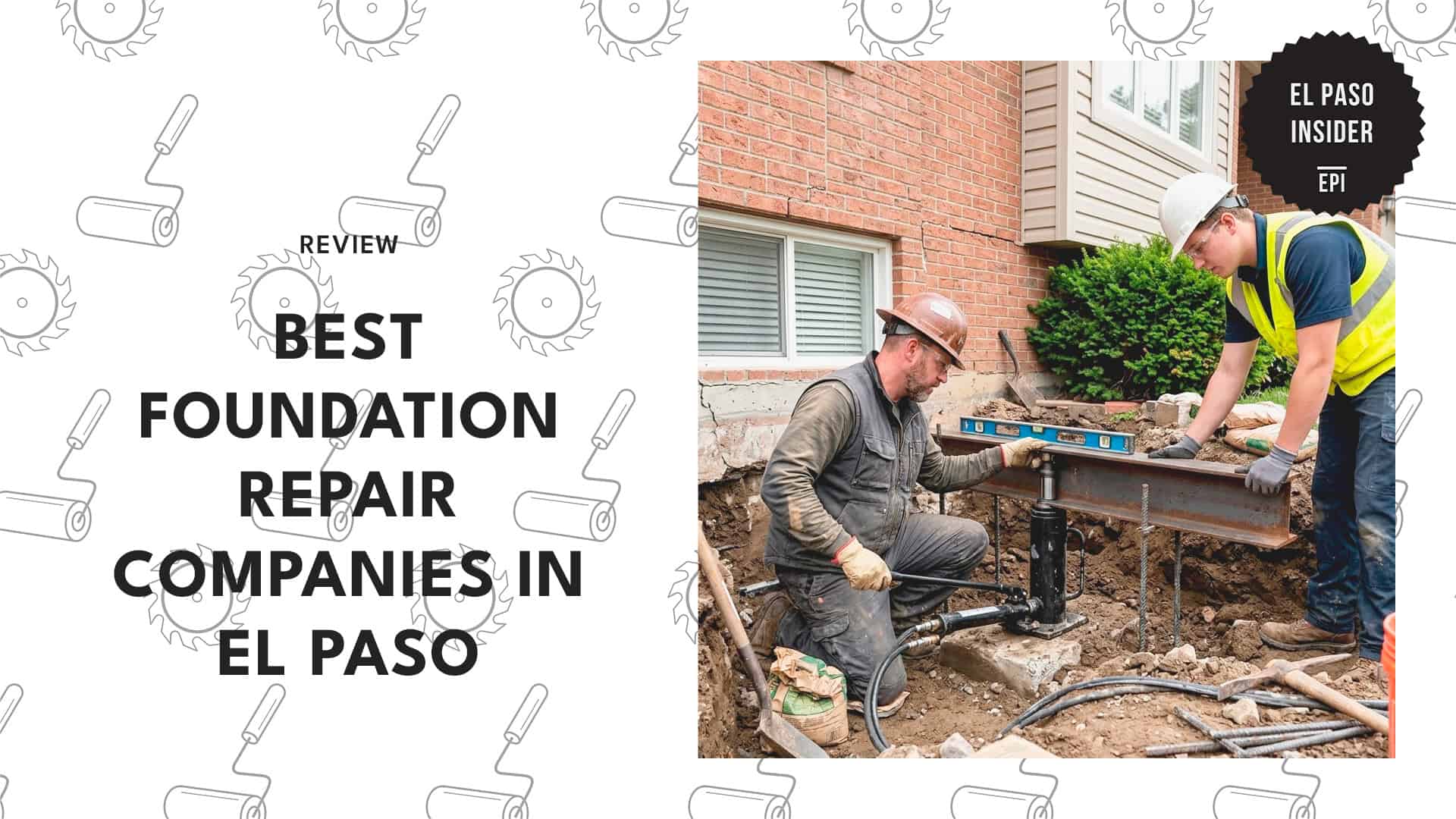
Steel piers are the preferred solution for heavy commercial loads. These are hydraulically driven into the earth until they reach a verified load-bearing stratum or bedrock. Because they are driven deep below the active soil zone, they provide a permanent "stilt" for the building. In 2026, companies use synchronized hydraulic lifting systems to raise the foundation evenly, minimizing the risk of additional cracking during the leveling process.
2. Helical Piles
Helical piles feature screw-like plates at the base and are "screwed" into the ground using high-torque hydraulic motors. They are excellent for both tension and compression loads. In Hurst, they are frequently used for lighter commercial structures, additions, or areas where vibration must be minimized to protect sensitive equipment inside the building.
3. Polyurethane Soil Stabilization
For interior slab settling where the deep structural foundation is intact but the floor has sunk, high-density polyurethane injection (foam jacking) is the modern standard. This process involves drilling small holes and injecting a structural polymer that expands to fill voids and lift the slab. It is particularly valued in Hurst for retail spaces because it requires minimal downtime and creates no dust or debris.
4. Chemical Soil Injection
To prevent future movement, some commercial projects now utilize chemical stabilizers. These are injected into the clay surrounding the foundation to alter its chemical composition, making it less reactive to water. This is often used as a preventative measure or in conjunction with piering.
Comparison of Commercial Foundation Repair Methods
The following table outlines the primary methods used by contractors in the Hurst area as of 2026.
| Method | Best For | Load Capacity | Durability | Relative Cost |
|---|---|---|---|---|
| Steel Piers | Multi-story buildings, heavy machinery zones | Very High | Permanent | High |
| Helical Piles | New additions, lighter commercial, tension loads | High | Permanent | Medium-High |
| Concrete Pilings | Smaller commercial footprints, cost-sensitive projects | Medium | Long-term | Medium |
| Polyurethane Injection | Warehouse floors, parking lots, interior slabs | Low (Slab only) | 10–20 years | Low-Medium |
| Chemical Injection | Preventative maintenance, soil stabilization | N/A | Variable | Medium |
The Commercial Repair Process: A Strategic Workflow
Engaging a commercial foundation repair company in Hurst involves a multi-step process that prioritizes data and engineering over guesswork.
Step 1: Structural Evaluation and Engineering
In 2026, a reputable company will insist on a third-party engineering report. A licensed structural engineer conducts a manometer survey to map the current elevations of the floor and identifies the precise points of failure. This ensures that the repair plan is unbiased and scientifically sound.
Step 2: Permitting and Compliance
The City of Hurst requires specific permits for foundation repair. A commercial contractor must handle the submission of engineering plans to the building department to ensure the project meets the International Building Code (IBC) standards adopted by the city.
Step 3: Site Preparation and Excavation
For exterior piering, small pits are excavated around the perimeter of the building. In a commercial setting, this often requires "hydro-excavation" to safely locate underground utility lines, which are dense in Hurst’s commercial zones.
Step 4: Installation and Lifting
Piers are installed to the required depth and torque/pressure. The actual "lift" is a coordinated effort where the building is slowly moved back toward its original horizontal plane. This is monitored by real-time digital sensors to prevent over-lifting.
Step 5: Verification and Final Report
Once the building is stabilized, a final engineering inspection is performed. This verifies that the piers reached the necessary depth and that the structural goals were met. The property owner receives a "letter of assurance" which is vital for insurance and future property transfers.
Financial and Operational Considerations
Investing in foundation repair is a capital expenditure that impacts the long-term value of the asset. In 2026, Hurst property owners must also consider the cost of inaction. A failing foundation can lead to ruptured plumbing lines, electrical hazards, and the loss of "Class A" tenant status.
Cost Drivers in 2026:
- Depth to Bedrock: In Hurst, the depth can vary, and deeper piers require more material and labor.
- Accessibility: Repairs requiring interior access or work in confined spaces increase labor costs.
- Business Interruption: Choosing methods like polyurethane injection or low-vibration helical piles can minimize the loss of revenue during the repair process.
Property owners should look for companies offering transferable warranties. A lifetime warranty on steel piers is standard for the industry's leaders, providing peace of mind for future buyers of the commercial property.
Frequently Asked Questions
Will foundation repair disrupt my business operations?
Most modern techniques, especially exterior steel piering, allow businesses to remain open. The noisiest part of the process is the initial excavation, but the hydraulic driving of piers is relatively quiet. For interior work, many Hurst contractors offer after-hours or weekend scheduling to avoid tenant disruption.
How do I know if I need a structural engineer or just a contractor?
For commercial properties, you should always start with a structural engineer. While foundation repair companies have expertise, an independent engineer provides a non-biased assessment of what is actually necessary, which can prevent "over-selling" of piers.
Does insurance cover commercial foundation repair in Hurst?
Typically, standard commercial property insurance does not cover foundation repair caused by "earth movement" or hydrostatic pressure. However, if the foundation damage was caused by a sudden plumbing leak (ensuing loss), there may be partial coverage. Always consult with your insurance provider and an engineer to determine the root cause.
How long does the typical commercial repair take?
A medium-sized commercial project in Hurst usually takes between one to three weeks. Factors such as the number of piers, the hardness of the soil, and weather conditions (especially North Texas rain cycles) will influence the timeline.
Are there specific Hurst city codes I should be aware of?
Yes, the City of Hurst follows the 2021 International Building Code (as amended). All commercial foundation repairs require a permit, and most require a post-repair survey and an engineer's seal of approval before the permit can be closed.
Practical Recommendation for Property Owners
If you suspect foundation movement in your Hurst commercial property, the first action should be a moisture audit. Ensure that all gutters are functional and that the landscape is graded to move water away from the slab. Often, stabilizing the moisture levels around a building can slow the rate of movement while you coordinate with a structural engineer. When selecting a commercial foundation repair company, prioritize those with a proven track record in Tarrant County, specialized equipment for heavy-duty piering, and a transparent, engineering-first approach.
Image Gallery