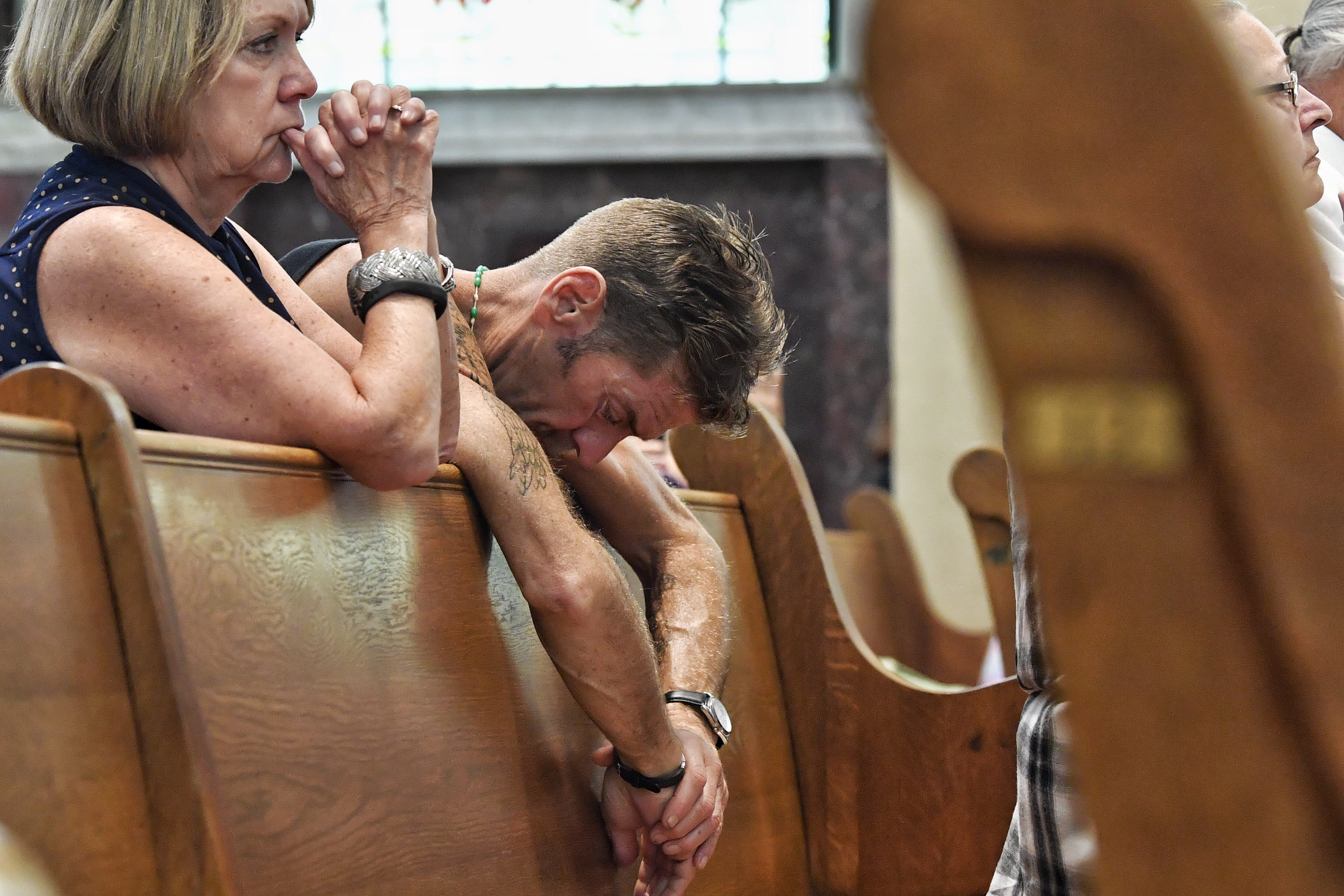
Navigating Recovery and Legal Options After Being Abused by a Priest
If you or a loved one were abused by a priest, immediate support and actionable legal pathways are available to help you seek justice and healing. Survivors have the right to access trauma-informed therapeutic care, report criminal act...
If you or a loved one were abused by a priest, immediate support and actionable legal pathways are available to help you seek justice and healing. Survivors have the right to access trauma-informed therapeutic care, report criminal acts to law enforcement, submit formal reports to diocesan review boards, and file civil claims or bankruptcy trust filings for financial compensation and institutional accountability.
Contents
Disclaimer: This guide is provided for educational and informational purposes only and does not constitute legal or medical advice. Victims of sexual abuse should consult with qualified attorneys and licensed mental health professionals regarding their specific circumstances.
Understanding Immediate Crisis Support and Survivor Resources
Experiencing sexual abuse by a member of the clergy is a profound breach of trust that often leads to complex psychological, spiritual, and physical trauma. The first priority for any survivor or family member is establishing safety and securing supportive, specialized resources.
Immediate crisis intervention services offer confidential, 24/7 assistance without requiring you to report the abuse to law enforcement or church authorities. Organizations such as the Rape, Abuse & Incest National Network (RAINN) provide free, confidential support via national hotlines and online chat services.
In addition to general trauma support, specialized survivor networks offer peer guidance tailored specifically to victims of religious authority figures. The Survivors Network of those Abused by Priests (SNAP) provides support groups, educational materials, and survivor-led advocacy to help individuals navigate the unique spiritual and emotional complexities associated with clergy abuse.
Immediate Survivor Next Steps:
- Safety & Support
- RAINN Helpline
- SNAP Peer Grps
- Trauma Therapy
- Legal Action
- Civil Attorney
- Police Report
- Bar Date Claim
When seeking professional counseling, it is essential to work with therapists trained specifically in institutional betrayal trauma, post-traumatic stress disorder (PTSD), and religious trauma syndrome. Trauma-informed therapists understand how religious leaders leverage spiritual authority to groom victims and enforce silence, which requires specific clinical approaches to resolve.
Legal Rights and Statutes of Limitations
Survivors of clergy abuse possess legal rights across multiple legal domains, including criminal law, civil litigation, and administrative church procedures (canonical law). Understanding the distinction between these avenues is critical for determining how and when to move forward.
Criminal Prosecution vs. Civil Claims
- Criminal Proceedings: Criminal charges are initiated by local prosecutors (District Attorneys or State Attorneys General) to penalize the perpetrator through imprisonment, probation, or sex offender registration. The burden of proof in criminal court is "beyond a reasonable doubt."
- Civil Litigation: Civil lawsuits are private actions brought by the survivor (the plaintiff) against the individual perpetrator and the institutional entity (such as a diocese, archdiocese, parish, or religious order). Civil suits seek monetary damages for physical, emotional, and financial harm. The standard of proof in civil court is lower—typically a "preponderance of the evidence."
The Evolving Landscape of Statutes of Limitations
Historically, rigid statutes of limitations prevented many adult survivors from bringing claims for childhood sexual abuse. Recognizing that survivors often require decades to process trauma and come forward, state legislatures across the United States have substantially reformed these laws.
Many jurisdictions have enacted "Child Victims Acts" or temporary "revival windows." These statutory amendments temporarily or permanently lift the statute of limitations, allowing survivors of historical abuse—regardless of how many decades ago the abuse occurred—to file civil lawsuits against perpetrators and institutions.
Because statutory deadlines vary dramatically by state and jurisdiction, consulting an experienced personal injury or sexual abuse attorney is necessary to evaluate state-specific filing windows and preserve your rights.
Comparative Overview of Survivor Action Pathways
Survivors may pursue several distinct avenues for accountability and compensation. The table below outlines the primary features, objectives, and considerations associated with each option.
| Action Pathway | Primary Objective | Standard of Proof | Potential Outcome | Key Considerations |
|---|---|---|---|---|
| Law Enforcement Report | Criminal prosecution and public safety | Beyond a reasonable doubt | Imprisonment, criminal record, registry listing | Subject to criminal statutes of limitations; controlled by state prosecutors. |
| Civil Personal Injury Lawsuit | Monetary compensation and institutional accountability | Preponderance of the evidence | Financial settlement or jury verdict; public document disclosure | Requires named defendants; subject to civil court procedures and state window laws. |
| Diocesan Chapter 11 Trust Claim | Equitable distribution of bankruptcy estate assets | Trust eligibility rules & documentation | Financial payout from court-approved settlement trust | Strictly governed by bankruptcy court deadlines ("Bar Dates"); stays individual civil lawsuits. |
| Canonical / Diocesan Report | Internal church discipline and removal from ministry | Moral certainty / Canonical standards | Defrocking (laicization), administrative restriction | Internal church process; does not provide legal financial compensation or criminal sanctions. |
Reporting Clergy Abuse: Step-by-Step Procedures
Reporting an act of abuse by a priest involves distinct steps depending on whether you are contacting civil authorities or internal church oversight entities.
- Secure Crisis Support & Confidential Therapy
- Consult an Independent Civil Attorney
- File Formal Report with Law Enforcement
- Submit Documentation to Diocesan Review Board / Trust
Step 1: Documenting Information Safely
Before submitting formal reports, gather and preserve any available records that establish timelines, context, or correspondence. Helpful documentation includes:
- Personal Notes: Detailed written accounts of your memory of the events, including dates, locations, parish names, and identities of individuals involved.
- Corroborating Records: Historical school records, parish directories, baptismal certificates, medical records, or journals from the timeframe of the abuse.
- Communications: Any recent or historical letters, emails, text messages, or voicemails from the perpetrator, parish staff, or diocesan officials.
Step 2: Reporting to Law Enforcement
Reporting abuse to local police departments, county sheriffs, or state Attorney General offices ensures that a law enforcement record is created. Many state Attorneys General have launched comprehensive investigations into statewide clergy abuse and systemic church cover-ups, establishing dedicated task forces to collect victim testimony.
When contacting law enforcement:
- Request to speak with an investigator who specializes in special victims, sex crimes, or child abuse.
- Provide a clear statement of the events, identifying the priest, the parish or school involved, and any potential witnesses or other known victims.
- Obtain the official police report number and the contact information of the assigned detective for your records.
Step 3: Reporting to Diocesan Authorities
Under the Catholic Church's canonical framework—including guidelines revised in the papal document Vos Estis Lux Mundi—every archdiocese and diocese is required to maintain a designated Victim Assistance Coordinator (VAC) and a lay-dominated Diocesan Review Board to receive and investigate allegations of clergy abuse.
While reporting to a diocese initiates internal review processes, survivors should exercise caution. Diocesan personnel, including Victim Assistance Coordinators, represent the institution. Survivors are strongly advised to consult an independent attorney prior to participating in diocesan interviews or signing any paperwork to ensure their legal rights are fully protected.
Civil Litigation, Settlement Trusts, and Diocesan Bankruptcies
Seeking financial recovery for the damages caused by clergy abuse typically involves civil litigation or participation in bankruptcy reorganization proceedings.
Institutional Negligence and Concealment
Civil claims against Catholic dioceses and religious orders rarely center solely on the acts of the individual priest. Instead, lawsuits frequently target institutional negligence. Plaintiffs often assert that church leadership:
- Possessed prior notice or actual knowledge of a priest's predatory behavior.
- Failed to report known abuse to law enforcement authorities.
- Reassigned predatory priests to new parishes, schools, or youth programs without warning the public or parish communities.
- Concealed personnel files and investigative reports to protect institutional reputation.
Proving institutional negligence allows survivors to hold archdioceses and religious orders financially accountable for the systemic conditions that enabled the abuse to occur.
Diocesan Chapter 11 Reorganization and Bar Dates
In response to widespread civil litigation, dozens of Catholic dioceses and archdioceses across North America have filed for Chapter 11 bankruptcy protection. A Chapter 11 filing automatically stays (freezes) all pending civil lawsuits against that specific diocese, shifting claims into federal bankruptcy court.
Diocesan Chapter 11 Process:
- Filing for Bankruptcy: Pauses all pending civil lawsuits
- Court Sets "Bar Date": Absolute deadline to submit claims
- Trust Established: Independent evaluation of claims
- Settlement Distribution: Payouts issued to verified claimants
In a bankruptcy proceeding:
- The Bar Date: The bankruptcy court sets a strict deadline, known as the "Bar Date," by which all survivors must file a formal Proof of Claim. Missing the Bar Date permanently bars a survivor from seeking compensation from that diocese.
- Victim Creditors' Committees: The bankruptcy court appoints an official committee composed of abuse survivors to represent the collective interests of all victim-creditors during settlement negotiations.
- Survivor Trusts: Upon approval of a reorganization plan, a dedicated settlement trust is established, funded by insurance policies, diocesan assets, and property sales. An independent Trust Administrator evaluates individual claims and distributes monetary awards based on standardized injury matrices.
Long-Term Healing, Recovery, and Advocacy
Recovery from clergy abuse is an ongoing process that extends beyond legal resolution. Reclaiming personal agency, addressing spiritual trauma, and finding supportive community spaces are key elements of long-term healing.
Addressing Religious and Institutional Trauma
Clergy abuse often inflicts specialized harm referred to as spiritual abuse or religious trauma. Because perpetrators occupy positions of divine trust, victims may experience severe existential distress, loss of faith, or intense guilt.
Specialized mental health modalities that assist in processing institutional betrayal include:
- Eye Movement Desensitization and Reprocessing (EMDR): Helps process traumatic memories and reduce intrusive symptoms.
- Cognitive Behavioral Therapy (CBT) and Trauma-Focused CBT: Assists in identifying and restructuring negative thought patterns related to self-blame and guilt.
- Somatic Experiencing: Focuses on releasing physical tension and trauma held within the body.
Community Involvement and Advocacy
Many survivors find empowerment by participating in advocate organizations, contributing to public education efforts, or supporting legislative reforms aimed at eliminating statutes of limitations. Engaging with survivor groups like SNAP provides validation and reduces isolation by connecting individuals with peers who share similar experiences.
Frequently Asked Questions
Can I take legal action if the abuse happened decades ago?
Yes, in many jurisdictions you can still take legal action. Multiple states have enacted reform laws, such as Child Victims Acts or temporary window laws, that extend or temporarily eliminate statutes of limitations for historical child sexual abuse. Additionally, if the relevant diocese has filed for Chapter 11 bankruptcy, you may be eligible to submit a trust claim regardless of when the abuse occurred, provided you submit your filing before the court-ordered Bar Date.
What is the difference between reporting to the police and reporting to the Catholic Church?
Reporting to the police initiates a civil criminal investigation conducted by law enforcement authorities, which can result in criminal prosecution, prison sentences, and public accountability. Reporting to the church initiates an internal administrative procedure governed by canonical law, which can lead to church discipline or removal of the priest from ministry (laicization). Internal church proceedings do not result in criminal incarceration or court-ordered financial compensation.
What happens if the diocese or archdiocese has declared bankruptcy?
When a diocese files for Chapter 11 bankruptcy, individual civil lawsuits against that diocese are temporarily frozen under an "automatic stay." All survivor claims are consolidated within the federal bankruptcy court. To pursue compensation, survivors must file a formal Proof of Claim prior to the court-established Bar Date. Financial compensation is eventually paid out from a court-supervised trust created under the diocese’s reorganization plan.
Will my identity remain confidential if I file a claim or lawsuit?
In civil lawsuits, attorneys frequently petition the court to allow survivors to proceed under a pseudonym (such as "John Doe" or "Jane Doe") to protect their privacy. In bankruptcy claims and confidential diocesan settlement trusts, personal identifying details are kept confidential from the general public, though essential details must be verified by trust administrators and legal counsel.
How much does it cost to hire an attorney for a clergy abuse claim?
Most personal injury and clergy abuse attorneys work on a contingency fee basis. Under this arrangement, survivors pay no upfront fees or out-of-pocket costs. The attorney's legal fees and case expenses are deducted as an agreed-upon percentage from the final financial settlement or court judgment. If no recovery is secured, the client typically owes no legal fees.
Recommended Next Actions
If you are evaluating your options after experiencing abuse by a priest, consider the following practical steps to protect your wellbeing and legal rights:
- Prioritize Personal Support: Reach out to confidential crisis lines such as RAINN (1-800-656-4673) or connect with peer support through SNAP.
- Consult a Qualified Attorney: Contact a legal professional who specializes in clergy abuse and institutional liability to review statutory deadlines, open bankruptcy bar dates, and prospective civil claims in your state.
- Preserve Relevant Records: Secure any historical documentation, personal journals, correspondence, or medical records in a safe location.
- Evaluate Reporting Options: Discuss the strategic implications of filing reports with law enforcement or diocesan victim assistance coordinators with your legal counsel before taking action.
Image Gallery