How the Top American Gangs Compare for Law Enforcement Focus
Federal, state, and local law enforcement agencies allocate resources differently based on the organizational structure, transnational reach, and level of violence exhibited by top American gangs. Agencies prioritize threats ranging fr...
Federal, state, and local law enforcement agencies allocate resources differently based on the organizational structure, transnational reach, and level of violence exhibited by top American gangs. Agencies prioritize threats ranging from traditional prison-based syndicates and international cartels to decentralized neighborhood sets according to their specific criminal impact and threat level.
Contents
Understanding Law Enforcement Priorities in Organized Crime
Law enforcement focus on American gangs is dictated by a strategic threat matrix rather than arbitrary geographic distributions. Federal agencies, including the Federal Bureau of Investigation (FBI), Homeland Security Investigations (HSI), and the Drug Enforcement Administration (DEA), prioritize criminal enterprises that possess transnational links, direct supply chains for illicit narcotics, and the capacity to corrupt institutional systems. State and local police departments, meanwhile, focus on street-level violence, retail narcotics distribution networks, and localized turf conflicts.
The measurement of law enforcement focus involves examining several structural variables:
- Organizational Reach: Whether a group operates nationally across multiple state correctional facilities or functions within a localized municipal boundary.
- Economic Footprint: The scale of illicit revenue generation, including bulk drug trafficking, human smuggling, extortion, and sophisticated financial fraud.
- Institutional Penetration: The ability of gang leadership to command external street operations from inside secure correctional environments.
- Lethality and Violence: The propensity for indiscriminate violence, use of military-grade weaponry, and targeting of law enforcement personnel or civilian populations.
By evaluating these factors, agencies deploy specialized task forces, such as the Organized Crime Drug Enforcement Task Forces (OCDETF), to disrupt high-impact syndicates. Understanding how these groups compare requires analyzing the specific operational dynamics that draw the most intensive federal and local scrutiny.
Prison-Based Syndicates and Enterprise Gangs
Prison-based gangs, often originating within the California, Texas, or federal correctional systems, represent a primary focus for federal law enforcement due to their command-and-control structures. Organizations such as the Aryan Brotherhood, the Mexican Mafia (La Eme), and Nuestra Familia operate with near-total insulation inside high-security prisons while directing external criminal activities through visiting networks, corrupted staff, and smuggled communications devices.
The law enforcement response to these groups centers on long-term RICO (Racketeer Influenced and Corrupt Organizations) prosecutions. Because prison syndicates utilize strict loyalty codes, systematic violence, and alliances with traditional street gangs to distribute narcotics and control prison yards, investigations require multi-agency coordination spanning years. Federal focus is particularly acute on groups that maintain operational ties with transnational cartels, effectively bridging domestic prison economies with international drug supply chains.
Transnational Street Gangs and Hybrid Networks
Transnational street gangs, most notably Mara Salvatrucha (MS-13) and the 18th Street Gang, command significant federal resources due to their immigrant roots, cross-border operations, and extreme brutality. Unlike traditional domestic street sets, MS-13 operates under a hierarchical framework with direct communication channels to leadership elements in Central America.
Law enforcement focus on transnational gangs is heavily influenced by federal immigration enforcement mandates and bilateral international agreements. Agencies such as HSI and the FBI target these groups through Operation Matador and related transnational anti-gang initiatives. The primary enforcement vectors include human trafficking, extortion of immigrant communities, and cross-border weapons smuggling. Because these networks frequently operate in multiple U.S. metropolitan areas while maintaining safe havens abroad, local departments rely heavily on federal intelligence-sharing platforms to disrupt their leadership tiers.
Traditional Neighborhood Gangs and Outlaw Motorcycle Gangs
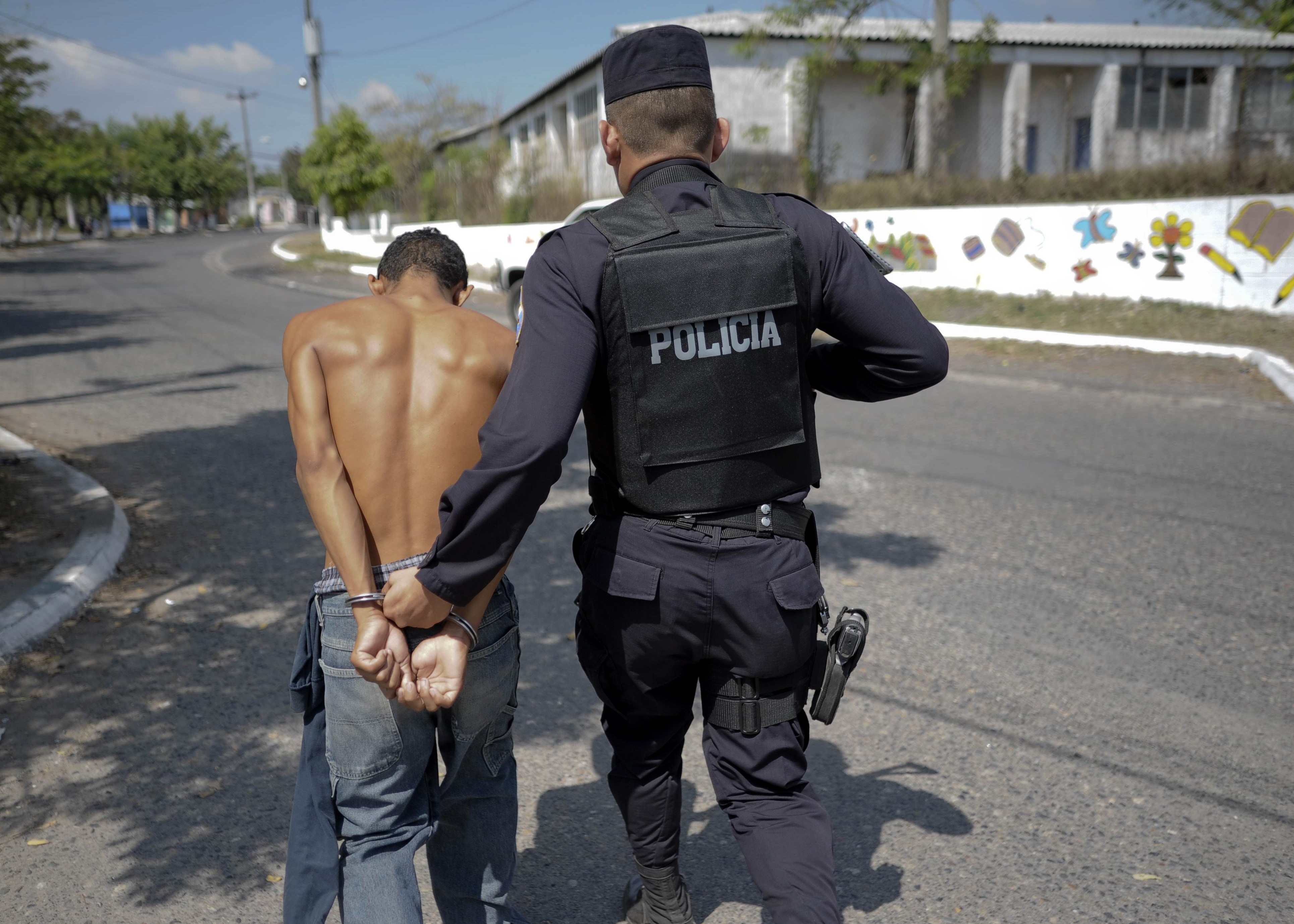
Traditional neighborhood street gangs—such as various Bloods, Crips, and Folk Nation sets—along with Outlaw Motorcycle Gangs (OMGs) like the Hells Angels and Mongols, receive a different tier of law enforcement focus. While neighborhood gangs account for a substantial percentage of urban violent crime and local gun violence, their decentralized nature often limits the scale of federal intervention unless a specific set becomes the target of a concentrated sweep.
| Gang Category | Primary Operational Scope | Main Illicit Activities | Primary Law Enforcement Level | Main Investigative Strategy |
|---|---|---|---|---|
| Prison Syndicates | State and federal correctional facilities, national street networks | Drug distribution, extortion, contract violence | Federal and State Task Forces | RICO prosecutions, communication intercepts, conspiracy charges |
| Transnational Gangs | International borders, multi-state metropolitan areas | Human smuggling, retail narcotics, violent extortion | Federal (FBI, HSI) and Local | Transnational task forces, immigration enforcement, conspiracy indictments |
| Outlaw Motorcycle Gangs | Regional chapters, interstate highways | Narcotics manufacturing/trafficking, weapons, prostitution | Federal and State ATF/FBI | Undercover operations, firearms tracking, racketeering |
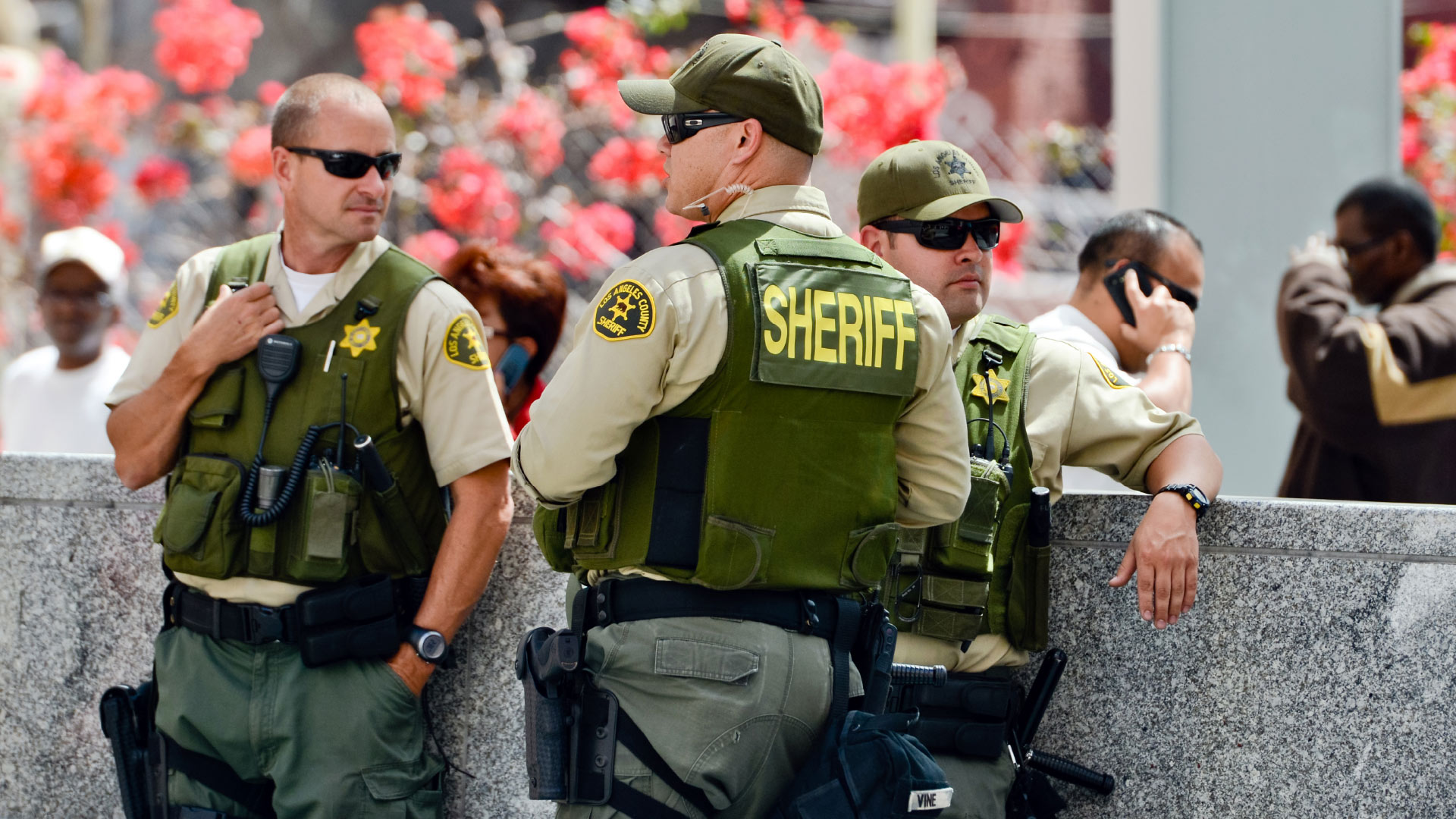
| Neighborhood Sets | Localized urban neighborhoods, municipal boundaries | Retail drug sales, localized turf disputes, firearms offenses | Local Police and County Sheriffs | Group violence intervention, localized warrants, ballistics tracking |
Outlaw Motorcycle Gangs represent a distinct category that historically commands intense federal focus regarding firearms trafficking, methamphetamine manufacturing, and organized prostitution rings. Agencies like the Bureau of Alcohol, Tobacco, Firearms and Explosives (ATF) frequently utilize long-term undercover operations and confidential informants to infiltrate the rigid corporate structures of motorcycle clubs.
Resource Allocation and Jurisdictional Challenges
The allocation of law enforcement resources involves continuous navigation of jurisdictional boundaries. Federal agencies prioritize cases that meet federal sentencing guidelines, involve interstate commerce, or threaten national security. Consequently, localized street gangs that remain geographically isolated often fall primarily to municipal police departments, which may lack the digital surveillance tools, wiretap capabilities, and financial analysis units available to federal counterparts.
Conversely, when local neighborhood gangs adopt the operational tactics of larger enterprises—such as utilizing encrypted messaging applications, laundering proceeds through cryptocurrency or legitimate shell businesses, or forming temporary alliances with cartel distributors—they trigger escalated interagency task force involvement. This shift changes the investigative landscape from reactive, incident-based policing to proactive, enterprise-level dismantling.
Frequently Asked Questions
Which American gangs receive the highest level of federal law enforcement focus?
Federal agencies allocate the highest concentration of resources to prison-based syndicates and transnational gangs like MS-13. These groups attract intense scrutiny due to their cross-border networks, ability to orchestrate crimes from within secure correctional facilities, and high levels of organized violence.
How do federal agencies target prison-based gangs operating from behind bars?
Investigators utilize federal RICO statutes, long-term conspiracy indictments, and communication monitoring to target leadership tiers. Because incarcerated leaders direct external operations through intermediaries, federal task forces focus on cutting off communication channels and prosecuting street-level facilitators simultaneously.
Are traditional neighborhood street gangs investigated by federal or local police?
Traditional neighborhood sets are primarily investigated by local police departments and county sheriffs focusing on daily violent crime and retail drug sales. Federal agencies step in when these local sets expand their operations across state lines or affiliate with larger regional or transnational enterprises.
What role do Outlaw Motorcycle Gangs play in federal enforcement priorities?
Outlaw Motorcycle Gangs remain a distinct federal priority due to their involvement in interstate weapons trafficking, large-scale narcotics distribution, and structured criminal enterprises. Agencies like the ATF frequently deploy specialized undercover operations to gather evidence against these structured clubs.
Why do transnational gangs require specialized interagency task forces?
Transnational gangs operate across international borders, complicating standard municipal policing. Specialized task forces combining federal immigration, customs, and investigative agencies are required to track communication, financial flows, and personnel movements between the United States and countries of origin.
Practical Next Actions for Community and Institutional Safety
Understanding the comparative focus of law enforcement on American gangs underscores the necessity of multi-layered public safety strategies. Municipalities and community organizations dealing with gang activity should establish clear communication channels with regional fusion centers and federal task forces to leverage advanced intelligence. Law enforcement administrators must balance proactive enterprise-level investigations targeting command structures with localized community intervention programs designed to disrupt recruitment and cycle-of-violence dynamics at the municipal level.
Image Gallery