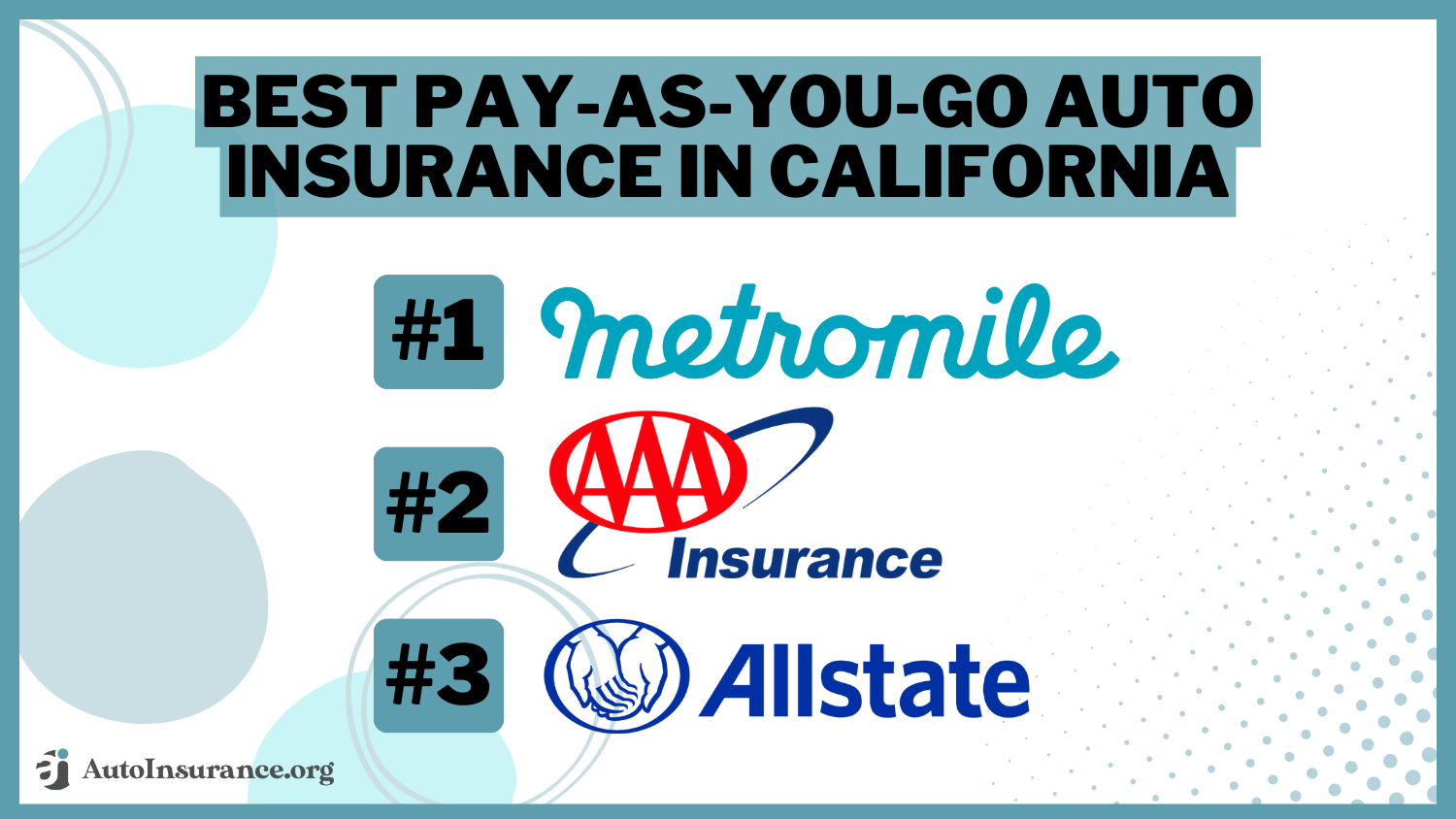
Comprehensive Auto Insurance Company Comparison Chart: Navigating Coverage and Costs
An auto insurance company comparison chart helps drivers evaluate providers by standardizing key metrics such as coverage options, financial stability ratings, customer service indices, and policy pricing structures. By aligning these...
An auto insurance company comparison chart helps drivers evaluate providers by standardizing key metrics such as coverage options, financial stability ratings, customer service indices, and policy pricing structures. By aligning these variables into a singular view, policyholders can objectively identify which insurers provide the necessary legal protections and financial value suited to their specific vehicle and driving profile.
Contents
Understanding the Role of Comparison Charts in 2026
In the current insurance landscape, consumer choice has expanded through digital-first carriers and hybrid legacy providers. An auto insurance comparison chart serves as a foundational tool for filtering this noise. Unlike generic search results that often highlight promotional offers, a structured chart allows you to isolate variables that matter most to your long-term financial security.
When analyzing insurance providers, the primary goal is not merely finding the lowest premium. It is finding the optimal balance between claim-paying ability (financial strength), ease of interaction (claims processing), and the specific coverage mandates of your jurisdiction. As of 2026, most states require baseline liability coverage, but the "optional" tiers—such as gap insurance, roadside assistance, and accident forgiveness—vary significantly in scope and cost across major carriers.
Key Metrics for Objective Comparison
To build or interpret a comparison chart, you must look beyond marketing claims. The following metrics are industry-standard indicators of performance and reliability:
- AM Best Financial Strength Rating: This is the gold standard for assessing an insurer’s ability to meet its ongoing insurance policy and contract obligations. Always verify that a carrier maintains a rating of "A" (Excellent) or higher.
- Claims Satisfaction Score: Often tracked by independent research firms like J.D. Power, these scores reflect the policyholder's experience during the stressful period of filing a claim. A low premium is rarely worth the cost of a provider that is notoriously difficult to reach when an accident occurs.
- Coverage Flexibility: Evaluate whether a provider offers "stackable" coverages or rigid, pre-packaged bundles. This is critical for high-value vehicles or drivers with specific liability concerns.
- Discount Availability: While premium quotes are personalized, the availability of specific discounts—such as safe driver, multi-policy bundling, or telematics-based programs—provides insight into how a company calculates long-term loyalty and risk reduction.
Essential Comparison Framework
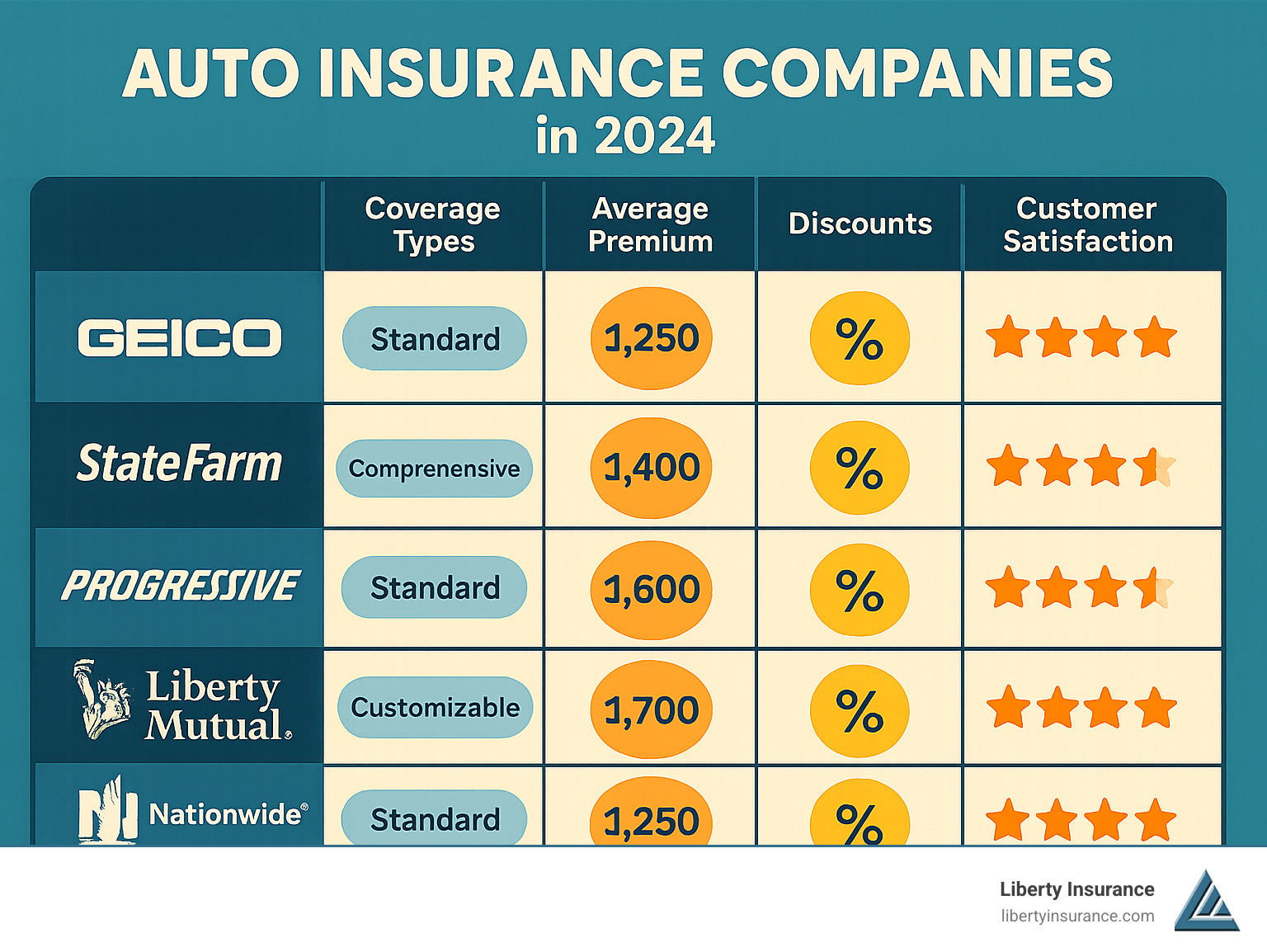
The following table provides a structural framework for comparing auto insurance providers. While individual quotes will vary based on your zip code, vehicle age, and driving history, this comparison focuses on the institutional characteristics of major carriers.
| Feature Category | National Carrier (Tier 1) | Regional/Specialty Carrier | Digital-First/Direct Carrier |
|---|---|---|---|
| Financial Rating | Consistently A++ | Variable (A- to A+) | Generally A- or higher |
| Claims Process | Centralized, App-based | Personalized, Localized | Fully Automated/AI-led |
| Coverage Breadth | Comprehensive/Extensive | Niche/Targeted | Basic to Moderate |
| Pricing Model | Stable, High-volume | Risk-specific pricing | Dynamic, Algorithmic |
| Customer Support | 24/7 Phone/Digital | Business hours/Local Agent | Digital-only or Chat-first |
Analyzing Coverage and Policy Types
When you use a comparison chart, it is vital to categorize policies accurately. Liability insurance is the floor; the ceiling is determined by your appetite for risk mitigation.
- Liability Coverage: Covers injuries or damage you cause to others. This is a legal requirement in almost every state.
- Collision and Comprehensive: These cover physical damage to your vehicle. Collision covers accidents with other objects; comprehensive covers non-collision events like fire, theft, or weather damage.
- Uninsured/Underinsured Motorist (UM/UIM): This covers you if you are hit by a driver who lacks sufficient insurance. In many jurisdictions, this is highly recommended regardless of legal mandates.
- Personal Injury Protection (PIP): Specifically covers medical expenses for you and your passengers, regardless of who caused the accident. This is critical in "no-fault" states.
Common Pitfalls in Policy Comparison
A common mistake when using a comparison chart is focusing solely on the "Annual Premium" column. A lower premium often comes with higher deductibles or lower coverage limits that could expose you to significant out-of-pocket costs after a severe incident.
Another frequent oversight is the "Discounts" trap. Many carriers advertise significant discounts for bundling, but the net cost of the bundled policies may still be higher than purchasing separate policies from different carriers. Always compare the "bottom-line" quote—the final price after all applicable discounts are applied—rather than the advertised discount percentages.
Finally, consider the geography of your risk. A carrier that performs exceptionally well in a dense urban environment with high traffic congestion may offer less value in a rural area where claims center more on animal strikes or weather-related damage. Look for localized feedback if available within your search parameters.
Establishing Your Personal Insurance Profile
Before consulting any comparison chart, define your own requirements. An accurate comparison requires you to know:
- Your Coverage Needs: Do you own your car outright, or is it financed? Financed vehicles almost always require full coverage (Collision + Comprehensive).
- Your Deductible Tolerance: How much can you realistically pay out of pocket in the event of an accident? Increasing your deductible is an effective way to lower your premium, provided you keep the difference in a liquid savings account.
- The "Bundle" Question: Are you planning to combine auto with homeowners or renters insurance? Most national carriers provide a multi-policy discount that can be substantial.
Frequently Asked Questions
How often should I review my auto insurance comparison? You should review your insurance status at least once a year, or whenever there is a life event—such as a move, marriage, purchase of a new vehicle, or a change in your credit score. Insurance rates are dynamic; companies update their risk models periodically based on regional claim trends.
Are online insurance comparison sites accurate? Third-party comparison sites are useful for gathering a broad list of options, but they often act as lead-generation portals. The quotes provided on these sites are estimates. Always navigate to the official website of the insurer or speak to an agent to confirm the specific pricing and coverage terms for your profile.
Does my credit score impact the rates in a comparison chart? In many jurisdictions, insurers use credit-based insurance scores as one factor in determining premiums. If your credit score has improved significantly over the last 12–24 months, it is highly likely that your premiums could be lower today than they were when you last signed your policy.
What is the difference between an independent agent and a captive agent? A captive agent represents one insurance company and can only sell that company’s products. An independent agent represents multiple carriers and can provide quotes and comparisons across several brands, offering a wider view of the market.
Next Steps for Implementation
To proceed, gather your current policy declarations page, which lists your current coverage limits and deductibles. Use this document as your baseline "Control Group." Visit the websites of three to five major insurers and input your specific data. Populate your own comparison chart using the structure provided in this article, noting not just the price, but the specific limits and deductible options for each quote. By standardizing your comparison, you move from guesswork to an informed financial decision.
Image Gallery