The Lenovo Legion C730 Compact Cube: A Comprehensive Technical Retrospective
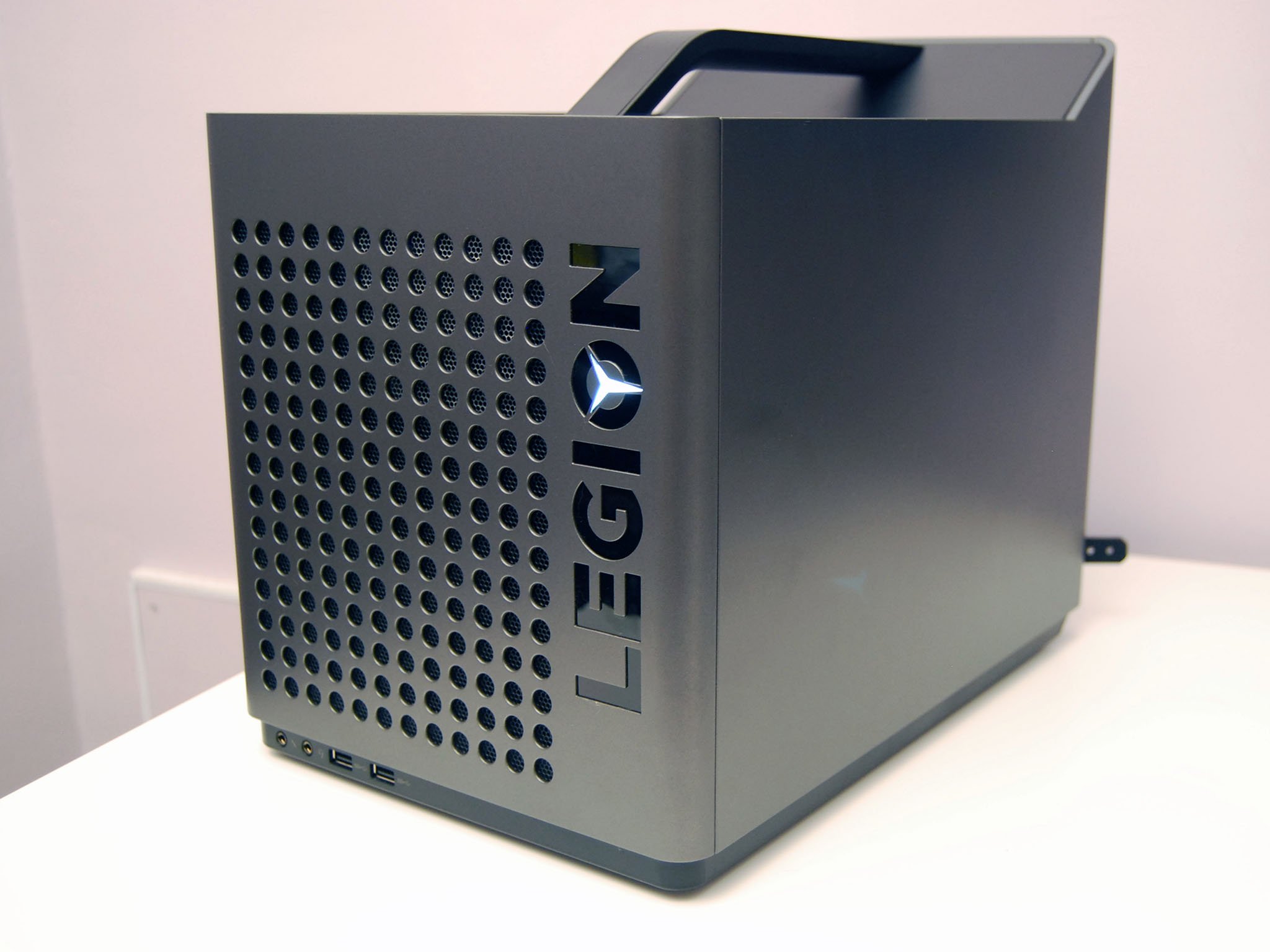
The Lenovo Legion C730 Compact Cube is a 19-liter gaming desktop recognized for its distinctive "cube" form factor, integrated carrying handle, and transparent top panel. Originally equipped with up to 9th Generation Intel Core process...
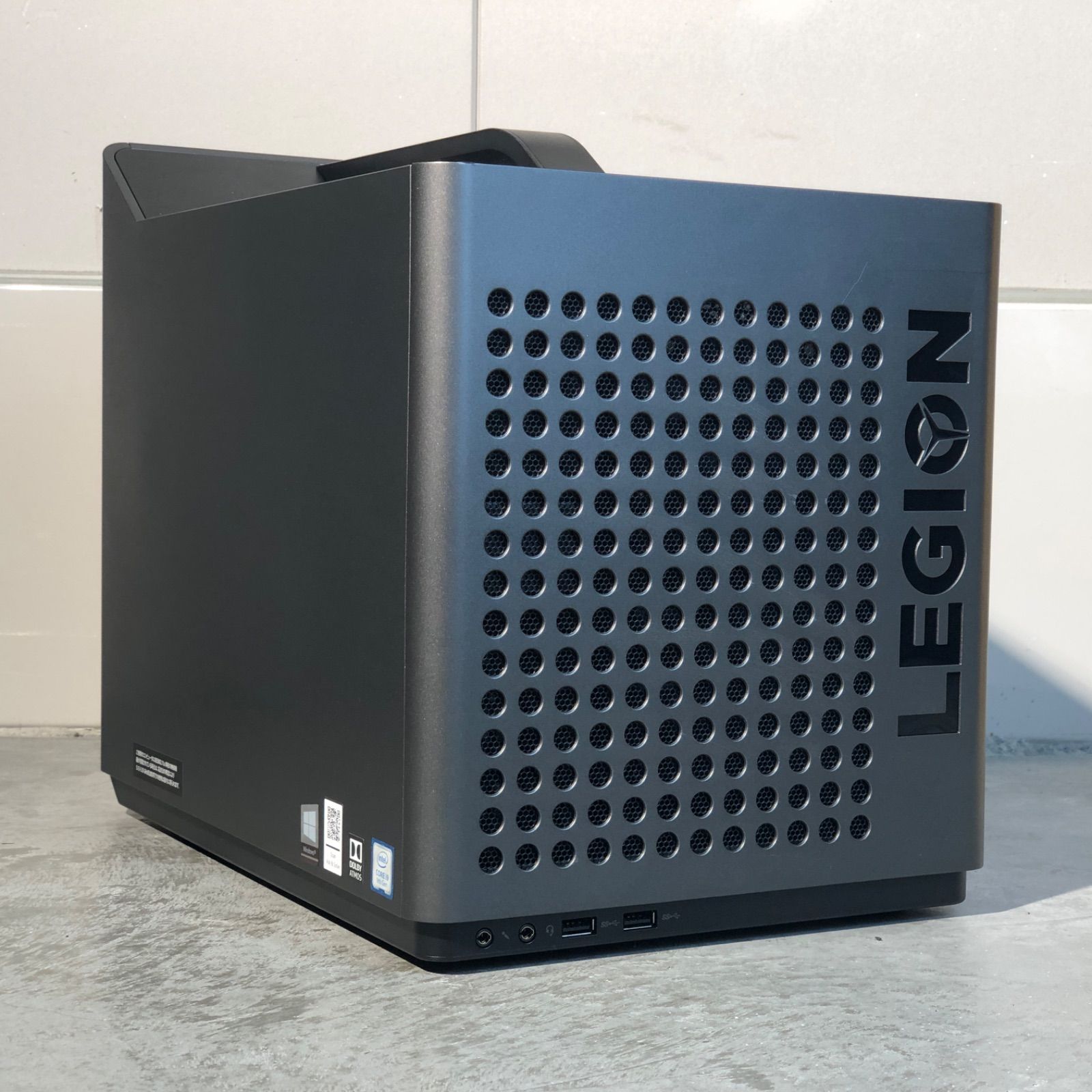
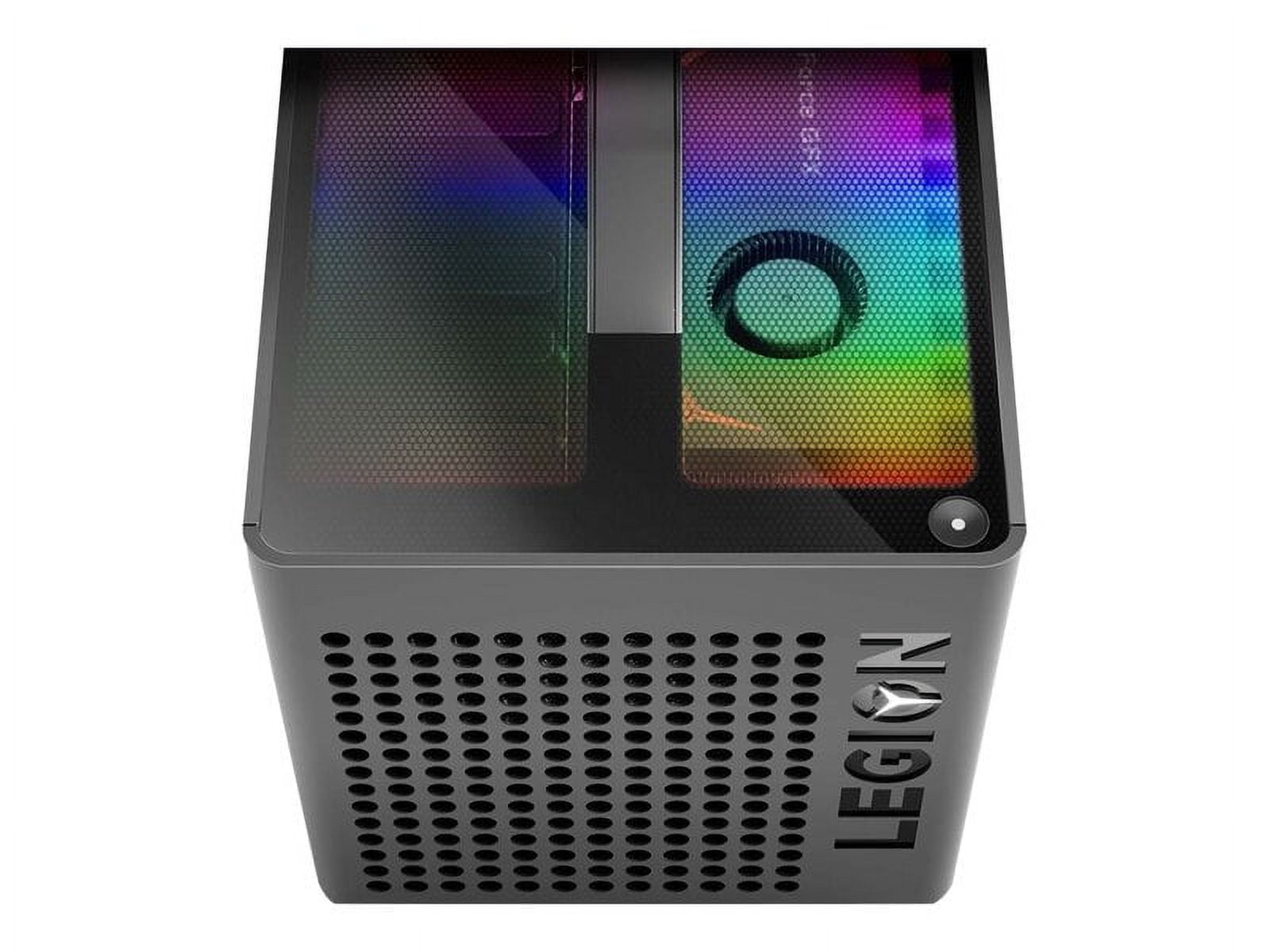
The Lenovo Legion C730 Compact Cube is a 19-liter gaming desktop recognized for its distinctive "cube" form factor, integrated carrying handle, and transparent top panel. Originally equipped with up to 9th Generation Intel Core processors and NVIDIA GeForce RTX 20-series graphics, it remains a notable example of space-efficient engineering for enthusiast-level gaming.
Contents
Evolution of the Compact Cube Form Factor
The Lenovo Legion C730 arrived at a pivotal moment in the evolution of small-form-factor (SFF) gaming. While traditional mid-tower desktops dominated the market, a subset of gamers demanded portability without the thermal compromises often found in gaming laptops. Lenovo responded with the C730, a machine that bridged the gap between a stationary workstation and a LAN-ready portable rig.
The 19-liter chassis was significantly smaller than the standard 28-liter or 40-liter towers of its era. Unlike many "mini-ITX" boutique builds that required surgical precision to assemble, the C730 utilized a custom internal layout that optimized space while maintaining relatively standard component sizes. This design philosophy focused on accessibility; the "Cube" was not just a name but a functional geometry that allowed for a dual-chamber thermal system, separating the heat-generating CPU and GPU into distinct cooling zones.
By 2026, the C730 has transitioned into a classic silhouette. Its aesthetics—featuring an "Iron Gray" finish and a fully transparent top window—set a standard for RGB implementation that felt sophisticated rather than gaudy. The top-mounted handle was not a mere aesthetic choice but a structural component capable of supporting the full weight of the system, which typically hovered around 11 kg (24 lbs) depending on the internal configuration.
Technical Specifications and Hardware Architecture
Understanding the Legion C730 requires a deep dive into its internal architecture. At its peak configuration, the system was a powerhouse that utilized the Intel Z370 chipset, providing a stable foundation for high-performance computing.
Processor and Chipset
The C730 was most commonly found with the Intel Core i7-9700K or the flagship i9-9900K. These 9th Generation Coffee Lake Refresh processors were among the first to offer eight physical cores to the mainstream consumer market. In 2026, these processors are still capable of handling modern productivity tasks and mid-range gaming, although they lack the efficiency of more recent hybrid-architecture chips. The Z370 motherboard supported overclocking on 'K' series chips, though the thermal headroom of a 19L case often limited how far users could push these frequencies.
Graphics and Video Memory
The "730" designation in the Legion lineup signified its premium status over the C530. While the C530 often capped out at GTX 1660 Ti or RTX 2060, the C730 was frequently outfitted with the NVIDIA GeForce RTX 2070 or RTX 2080. These GPUs introduced real-time ray tracing and DLSS (Deep Learning Super Sampling) to the gaming world. For a compact cube, managing an RTX 2080—a card with a TDP of approximately 215W—was a significant engineering challenge that required precise airflow management.
Memory and Storage Options
The system typically featured two UDIMM slots, supporting up to 32GB of DDR4 RAM at 2666MHz or 3200MHz (via XMP). Storage was equally versatile, providing a combination of M.2 NVMe PCIe SSDs for the operating system and 3.5-inch SATA HDDs for bulk storage. Many units shipped with Intel Optane memory modules to accelerate the slower mechanical drives, a common technology during the late 2010s.
| Feature | Specification Details |
|---|---|
| Chassis Volume | 19 Liters |
| Processor Support | Intel 8th & 9th Gen (Up to Core i9-9900K) |
| Chipset | Intel Z370 |
| Graphics | NVIDIA GeForce RTX 20-Series (Up to 2080) |
| Memory | 2x DDR4 UDIMM Slots (Up to 32GB) |
| Storage | 1x M.2 PCIe SSD, 2x 3.5" SATA HDD Bays |
| Power Supply | 450W or 500W (80 PLUS Bronze/Platinum) |
| Connectivity | 802.11AC (2x2) WiFi, Bluetooth 4.2/5.0 |
| Front Ports | 2x USB 3.0, Headset Port, Microphone Port |
| Rear Ports | 2x USB 3.1 Gen 2, 2x USB 3.0, 2x USB 2.0, RJ45, Audio Out |
Thermal Management: The Dual-Channel Cooling System
One of the most frequent points of failure in compact gaming PCs is thermal throttling. Lenovo addressed this in the C730 through a specialized dual-channel thermal system. By placing the CPU and the GPU in separate compartments, the heat from one component did not directly affect the operating temperature of the other.
- Cold Air Intake: The front mesh panel acted as the primary intake, drawing cool air directly into both chambers.
- Dedicated GPU Channel: The graphics card was positioned to pull air directly from the side/front and exhaust it through the rear.
- Dedicated CPU Channel: The processor utilized a low-profile air cooler (or in some regional variations, a small AIO liquid cooler) that exhausted heat through the back.
- Exhaust Dynamics: The rear of the chassis was heavily perforated to minimize backpressure, allowing the internal fans to move air with less resistance.
While effective for the hardware of its time, users in 2026 should note that these thermal solutions were designed for 95W CPUs and 200W GPUs. Modern high-end components often exceed these power envelopes, making the original C730 cooling solution inadequate for "modernizing" the system with high-TDP 40-series or 50-series cards without significant modifications.
Design and User Experience
The Legion C730 was a departure from the "gamer aesthetic" of the early 2010s, which favored aggressive angles and neon plastics. The C730 was sophisticated. Its top panel was a major talking point; a clear window allowed users to look down into the heart of the machine, illuminated by a full spectrum of RGB lighting.
RGB Lighting and Customization
Unlike the C530, which featured only red ambient lighting, the C730 offered 16.8 million colors via the Lenovo Vantage software. This allowed for deep customization, from static colors to reactive patterns. The lighting was integrated into the front "Legion" logo and the internal lighting strips, reflecting off the components visible through the top window.
The Integrated Handle
The handle was more than a convenience; it was a reinforced part of the frame. This made the C730 a favorite for competitive players who traveled to local tournaments or students who needed to move their setup between a dorm and home. The structural integrity meant that even with heavy mechanical hard drives installed, the chassis did not flex or creak when lifted.
Maintenance and Upgradeability Challenges
As a pre-built system, the Lenovo Legion C730 offers a mixed bag regarding upgradeability. For owners looking to keep the machine viable in 2026, understanding its physical and electrical limits is essential.
Power Supply Constraints
The C730 utilized a custom-sized power supply unit (PSU). While it follows the general SFX or ATX standards in some versions, the mounting brackets and cable lengths were often specific to the Legion chassis. Most units came with a 450W or 500W PSU. This power ceiling is the primary barrier to upgrading the GPU. Installing a modern RTX 4070 or higher would likely require a PSU swap, which can be difficult due to the proprietary nature of the internal cable management.
Component Clearance
The cube design limits the length and height of the graphics card. While the original RTX 2080 fit perfectly, many modern "triple-fan" cards are too long for the 19L chassis. Users must measure the internal clearance carefully—typically around 280mm—before attempting an upgrade. Furthermore, the motherboard uses a standard Micro-ATX layout but is often proprietary in its BIOS support, meaning it may not recognize much newer CPUs even if they fit the socket (though the 9th Gen socket is physically different from 12th Gen and beyond anyway).
Performance Profile in 2026
In 2026, the Legion C730 remains a very capable machine for 1080p and 1440p gaming. While it may struggle with "Ultra" settings on the latest AAA titles at 4K resolution, its hardware remains relevant for the vast majority of popular titles.
- Esports Titles: In games like Valorant, League of Legends, or Counter-Strike 2, the i7/i9 processors and RTX 20-series GPUs still provide frame rates well above 144Hz, making it an excellent choice for competitive play.
- Productivity: With up to 8 cores and 16 threads (on the i9-9900K), the C730 is a competent machine for video editing, 3D modeling, and software development.
- Streaming: The NVENC encoder found in the RTX 20-series cards allows for high-quality streaming without taxing the CPU, a feature that has aged gracefully.
Frequently Asked Questions
Can I upgrade the Lenovo Legion C730 to Windows 11?
Yes. The Legion C730 uses 8th and 9th Generation Intel processors, which are officially supported by Microsoft for Windows 11. The motherboard also includes the necessary TPM 2.0 (Trusted Platform Module) support, which can be enabled in the BIOS if it is not active by default.
What is the difference between the Legion C530 and the C730?
The C730 was the premium model, featuring RGB lighting, a transparent top panel, and higher-end component options like the Z370 chipset and RTX 2080. The C530 was the "Essential" version, usually limited to red lighting, a solid or partially vented top, and mid-range GPUs like the GTX 1060 or 1660 Ti.
How do I clean the dust out of the dual-chamber system?
Because of the compact design, dust can accumulate quickly. Accessing the internals is done by removing the side panels (often via tool-less thumb screws). It is recommended to use compressed air to blow out the front intake mesh and the heatsinks of the CPU and GPU. Due to the dual-chamber design, you must clean both sides of the chassis to ensure optimal airflow.
Is the RAM in the C730 upgradable?
Yes, the C730 uses standard DDR4 UDIMM slots. You can upgrade the memory by removing the existing sticks and replacing them with a matching kit of up to 32GB. While the Z370 chipset supports faster RAM, the BIOS may limit speeds to 2666MHz or 3200MHz depending on the specific Lenovo firmware version.
Can I replace the liquid cooler if it fails?
If your C730 came with the optional AIO (All-In-One) liquid cooler, it can be replaced with a standard 120mm radiator/fan combo. However, space is extremely tight, and you must ensure the pump height does not interfere with the side panel or the top window.
Final Recommendation for 2026
The Lenovo Legion C730 remains a standout piece of hardware for those who value industrial design and compact utility. If you are looking to purchase one on the secondary market in 2026, prioritize units with the i9-9900K and the 500W PSU to ensure the most longevity. For existing owners, the C730 is a prime candidate for a "refresh" involving an NVMe SSD upgrade and a thorough thermal repasting of the CPU and GPU. While it may no longer be the "king of the hill," its unique form factor and solid construction ensure it remains a functional and stylish part of any gaming setup.
Image Gallery