PSG Art: A Vibrant Fusion of Football and Creativity
PSG art represents the intersection of athletic excellence and avant-garde expression, transforming Paris Saint-Germain into a global lifestyle brand. By 2026, the club has successfully integrated high fashion, street art, and digital...
PSG art represents the intersection of athletic excellence and avant-garde expression, transforming Paris Saint-Germain into a global lifestyle brand. By 2026, the club has successfully integrated high fashion, street art, and digital innovation, creating a cultural ecosystem where jerseys, stadium murals, and limited-edition collectibles redefine the boundaries of sports branding.
Contents
The Evolution of Paris Saint-Germain as a Cultural Icon
The transformation of Paris Saint-Germain (PSG) from a traditional football club into a global creative powerhouse was not an overnight occurrence. It was a calculated strategic shift that leveraged the club's greatest asset: its home city. Paris, the undisputed global capital of fashion, art, and light, provided the perfect canvas for a rebranding effort that sought to attract more than just football enthusiasts. By 2026, the "PSG Art" movement has become a case study in how a sports entity can transcend the pitch to become a permanent fixture in galleries and luxury boutiques.
Historically, football branding was limited to crests and kit designs. PSG broke this mold by treating every touchpoint—from matchday posters to the team bus—as an opportunity for artistic expression. This evolution was driven by the "Paris" identity, which emphasizes sophistication and rebellion in equal measure. The club's leadership recognized that the modern consumer values cultural capital as much as trophy cabinets. Consequently, PSG began partnering with creative directors and independent artists to curate an aesthetic that resonates with the "District" culture of Paris and the elite fashion houses of the 1st Arrondissement.
The result is a brand that feels as comfortable in the Louvre as it does at the Parc des Princes. This fusion of football and creativity has allowed PSG to dominate the lifestyle market, effectively decoupling the club's commercial success from its week-to-week performance on the field. In 2026, PSG is no longer just a team; it is a curator of contemporary urban culture.
Strategic Collaborations: The Pillars of the PSG Aesthetic
The "PSG Art" phenomenon is largely defined by its high-profile collaborations. These partnerships are not mere sponsorships; they are deep-seated creative exchanges that merge the DNA of different industries.
The Jordan Brand Influence
The partnership with the Jordan Brand remains the most significant milestone in the fusion of football and street culture. While the initial deal focused on performance wear, it quickly expanded into a creative laboratory. By 2026, the PSG x Jordan collections have evolved into seasonal "art drops" that feature experimental typography, non-traditional color palettes (such as the infrared and burgundy shifts), and silhouettes that challenge the standard definition of a football kit. This collaboration proved that a football jersey could be a piece of wearable art, capable of commanding high resale values in the streetwear market.
Luxury Intersections with Dior
The collaboration with Dior, led by Kim Jones, represents the "High Art" end of the PSG spectrum. By providing the official wardrobe for the squad, Dior introduced bespoke tailoring and luxury craftsmanship to the world of professional football. This partnership emphasizes the "Art of Tailoring," where every suit and accessory reflects the meticulous detail associated with Parisian haute couture. It serves as a reminder that football players are the new icons of style, and their presentation is a form of visual art in its own right.
The Artist Series and Matchday Posters
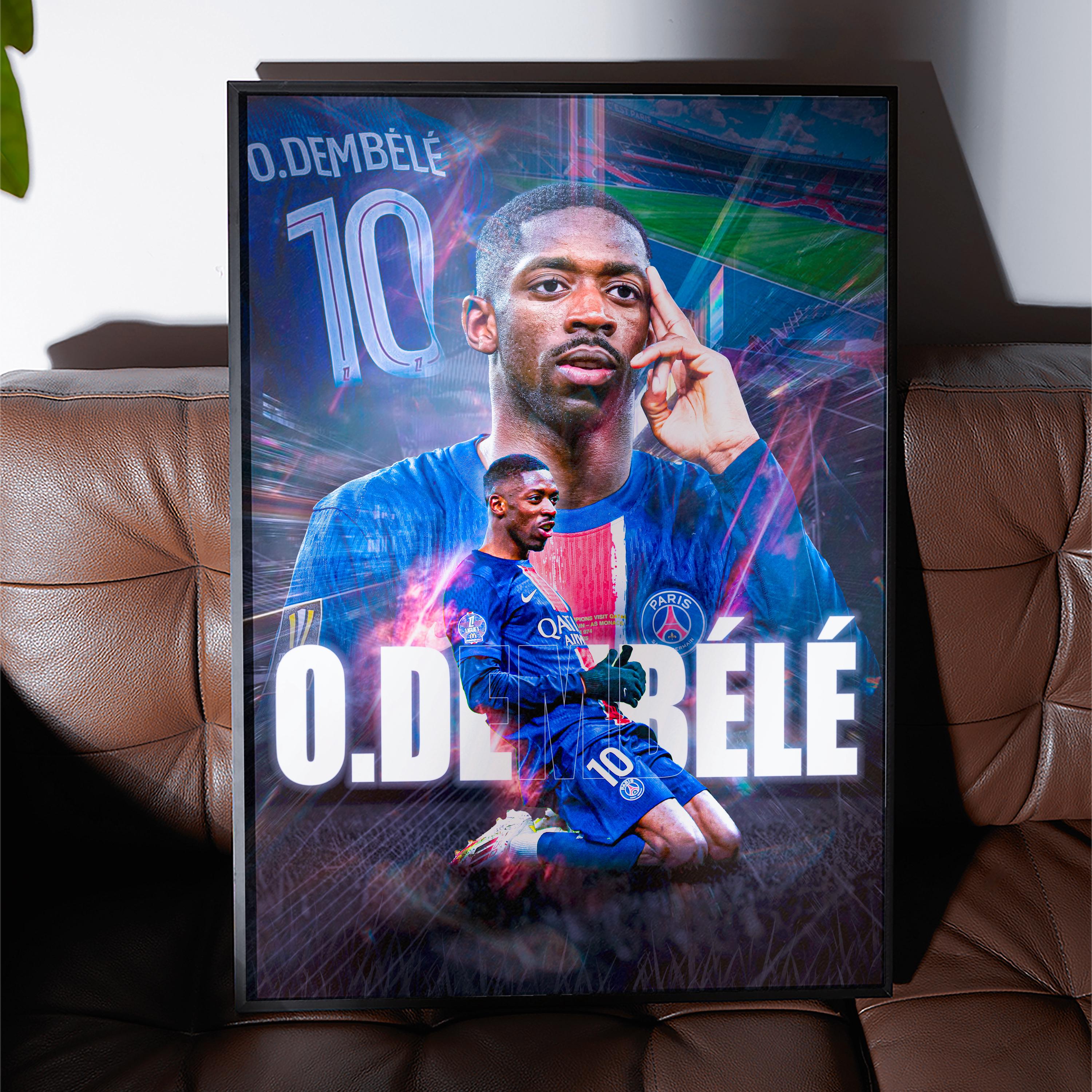
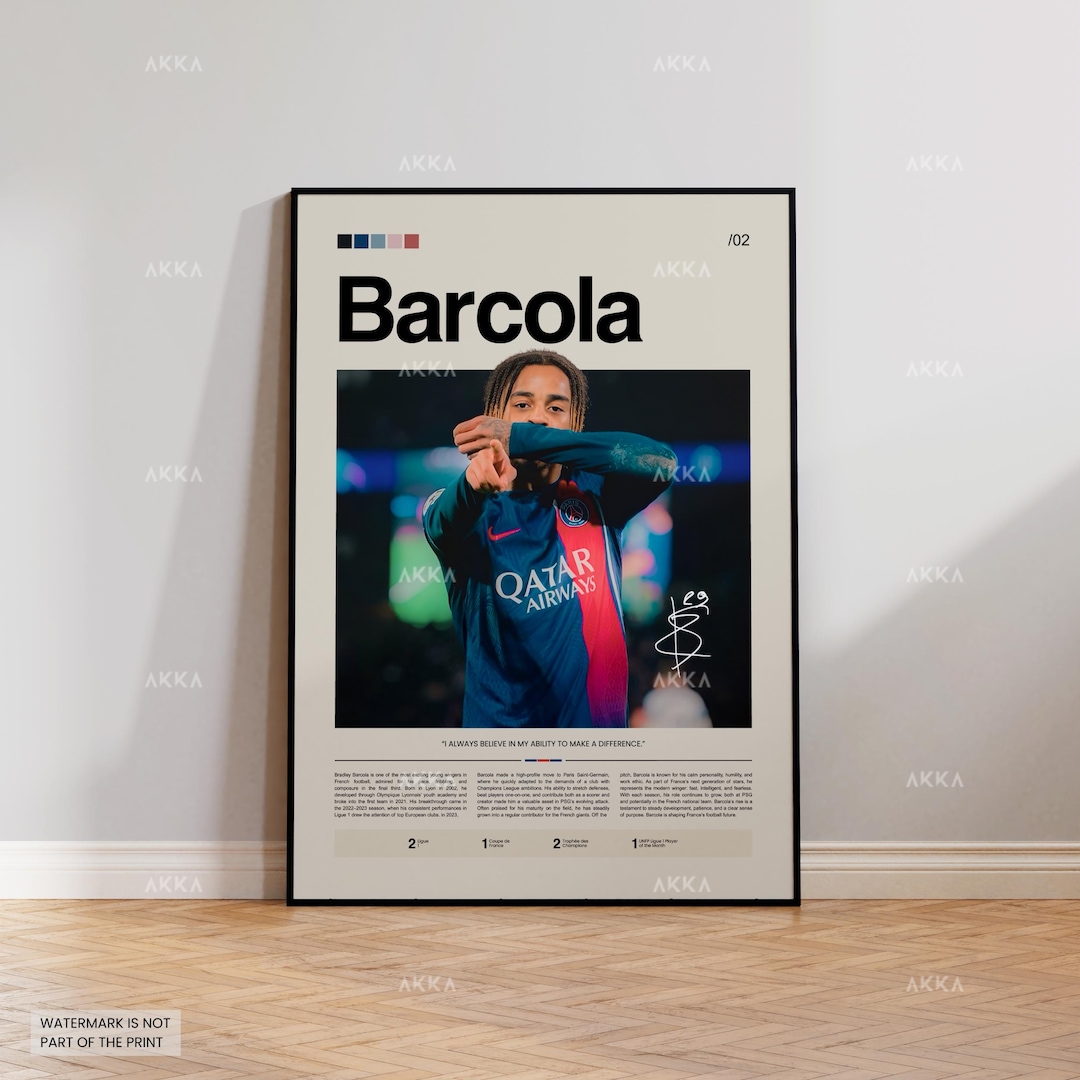
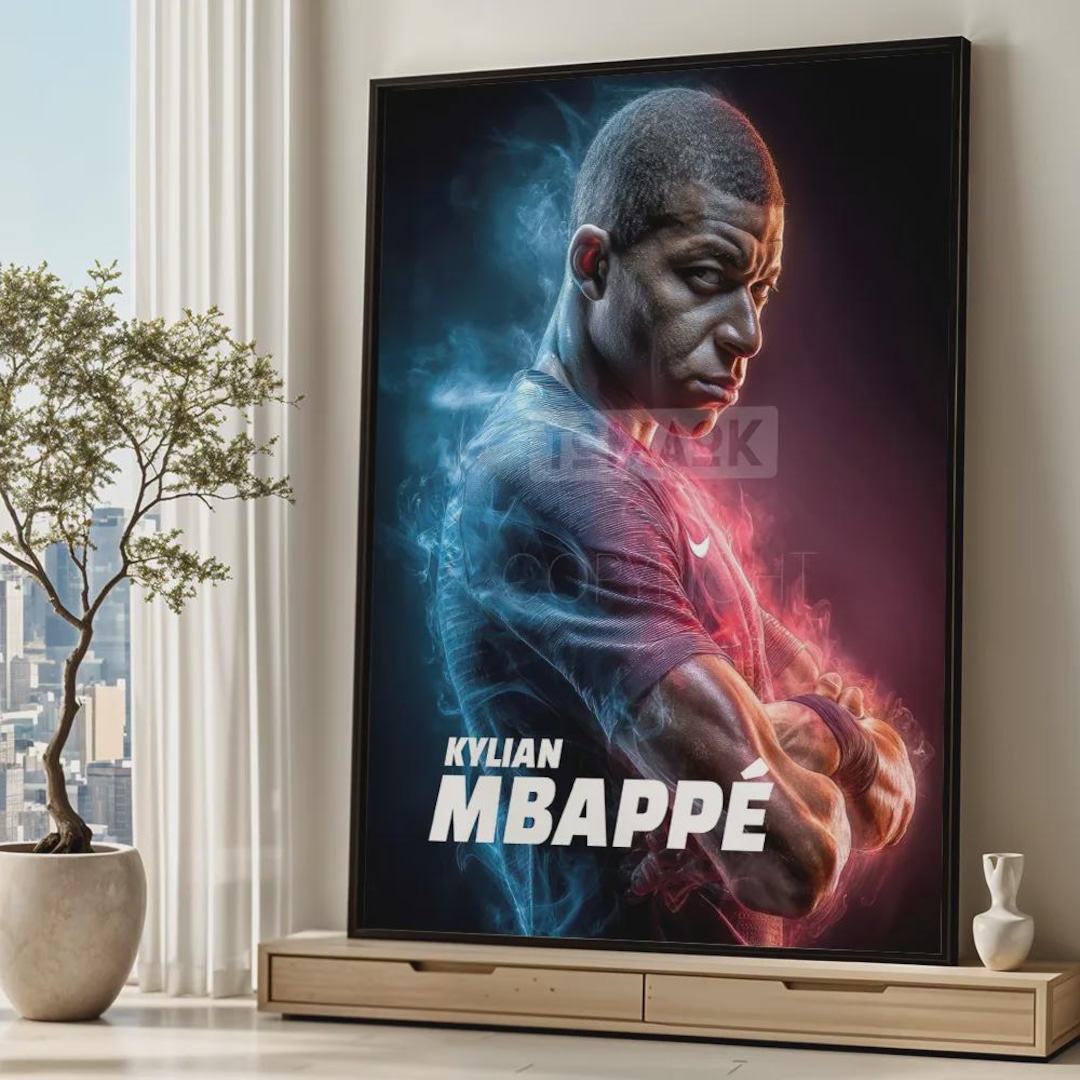
One of the most authentic expressions of PSG art is the ongoing "Artist Series." The club regularly commissions local and international street artists—such as Futura, Estevan Oriol, and various Parisian graffiti collectives—to design matchday posters and limited-edition prints. These pieces often incorporate elements of the city's architecture, the club's history, and contemporary social themes. These posters are more than just advertisements; they are collectible lithographs that capture the zeitgeist of a specific moment in the club's journey.
PSG Art in the Digital and Web3 Space
As of 2026, the fusion of football and creativity has naturally expanded into the digital realm. PSG was an early adopter of blockchain technology, but its approach has matured beyond simple fan tokens. The club now uses the digital space as a gallery for generative art and interactive fan experiences.
Digital collectibles (NFTs) associated with PSG are now designed by digital-native artists who use 3D modeling and motion graphics to reinterpret the club’s identity. These are not just static images; they are evolving assets that provide utility within the club’s digital ecosystem. For example, owning a piece of digital PSG art might grant a fan access to exclusive "behind-the-scenes" creative content or a virtual seat at an artistic design workshop hosted by the club’s collaborators.
Furthermore, the integration of Augmented Reality (AR) at the Parc des Princes has turned the stadium itself into a living art installation. Fans can use their devices to see digital murals overlaid on the stadium's concrete walls, blending the physical history of the site with cutting-edge visual technology. This digital layer of PSG art ensures that the club remains relevant to a generation that experiences creativity through a screen as much as in person.
The Physical Canvas: Stadium Installations and Urban Murals
While the digital and fashion worlds are crucial, PSG art remains deeply rooted in the physical environment of Paris. The club has invested heavily in urban beautification projects, commissioning murals across the various arrondissements that celebrate the link between the club and its community.
Within the Parc des Princes, art is used to enhance the fan experience. The corridors are lined with photography exhibitions that showcase the raw emotion of the game through a cinematic lens. Large-scale sculptures and installations, often created from recycled materials or club memorabilia, are placed in hospitality areas to spark conversation. This commitment to physical art serves several purposes:
- Identity Reinforcement: It reminds visitors that they are in a space that values creativity.
- Community Engagement: Local artists are given a platform to showcase their work to a global audience.
- Brand Premiumization: The presence of curated art increases the perceived value of the stadium experience, justifying premium ticket pricing.
Comparing Creative Initiatives within the PSG Ecosystem
To understand the breadth of the PSG art movement, it is helpful to categorize the various initiatives by their medium and target audience.
| Initiative Category | Key Collaborators | Primary Medium | Accessibility & Rarity |
|---|---|---|---|
| Performance Art | Jordan Brand, Nike | Technical Apparel | Mass Market / Limited Drops |
| Luxury Lifestyle | Dior, LVMH Group | Haute Couture / Leather Goods | Exclusive / High-End |
| Street & Urban Art | Futura, Local Collectives | Murals / Lithographs | Public / Collectible |
| Digital Frontiers | Crypto.com, Digital Artists | NFTs / AR Experiences | Variable Scarcity |
| Heritage Art | Sports Photographers | Print Photography / Books | Wide Availability |
The Cultural Impact: Why the Fusion Works
The success of "PSG Art" lies in its ability to solve a fundamental problem in sports marketing: how to stay relevant during the off-season or during periods of poor sporting form. By positioning itself as a creative entity, PSG ensures a constant stream of cultural relevance.
This fusion works because it respects the "High-Low" cultural mix that defines modern luxury. It combines the "Low" (the grit and passion of street football) with the "High" (Parisian luxury and fine art). This creates a unique brand tension that is highly attractive to modern consumers who do not want to be pigeonholed into a single category. A fan can be a hardcore ultra while also appreciating the nuances of a Dior-designed scarf or a Futura-designed poster.
Moreover, PSG art serves as a bridge for those who may not be traditional football fans. An art enthusiast in Tokyo or a fashion student in New York might be drawn to the club through a specific collaboration, eventually becoming a supporter of the team. This "lateral entry" into the fan base is a critical component of PSG's global growth strategy.
Frequently Asked Questions
What defines the "PSG Art" movement?
The movement is defined by the intentional blending of Paris Saint-Germain’s footballing identity with various forms of creative expression, including fashion, street art, and digital media. It is characterized by high-profile collaborations and a focus on Parisian cultural heritage, aiming to position the club as a lifestyle brand rather than just a sports team.
Where can I purchase official PSG art pieces?
Official art pieces, such as limited-edition posters and lithographs, are typically available through the PSG Online Store, the club's flagship boutiques in Paris, New York, and Tokyo, and through specialized art platforms like "L'Art de l'Automobile" during specific drops. Digital art is usually released via the club's official Web3 partners and NFT marketplaces.
Who are some of the most prominent artists to work with PSG?
Prominent collaborators have included street art legend Futura 2000, designer Kim Jones (Dior), photographer Estevan Oriol, and various contemporary artists who contribute to the "Artist Series" for matchday programs and stadium installations. Each artist brings a unique perspective to the club's visual language.
Is PSG art considered a viable investment for collectors?
While the primary value of PSG art is aesthetic and cultural, certain limited-edition pieces—particularly the Jordan Brand collaborations and signed "Artist Series" prints—have shown significant appreciation in the secondary market. However, like all art investments, value is subject to market demand and rarity.
Does the club offer any public access to its art installations?
Yes, many of the urban murals commissioned by PSG are located in public spaces throughout Paris. Additionally, the Parc des Princes features various installations that are accessible to fans during stadium tours or on matchdays. The club occasionally hosts pop-up galleries during major cultural events like Paris Fashion Week.
Recommendation for Enthusiasts and Collectors
For those looking to engage with the vibrant fusion of PSG and art in 2026, the best approach is to monitor the club’s "Lifestyle" and "Collab" announcements. Prioritize original "Artist Series" lithographs for their historical and aesthetic value, as these often capture the most authentic intersection of the club's spirit and local culture. For long-term collectors, focus on pieces that involve three-way collaborations (e.g., PSG x Jordan x a specific artist), as these tend to hold the highest cultural significance and market rarity.
Image Gallery