Understanding Mold Remediation Service in Knox County: Scope, Costs, and Professional Processes
When mold growth is discovered in a home or business within Knox County, timely and professional remediation is essential to prevent structural damage and protect indoor air quality. Effective remediation involves a systematic approach...
When mold growth is discovered in a home or business within Knox County, timely and professional remediation is essential to prevent structural damage and protect indoor air quality. Effective remediation involves a systematic approach including site assessment, source identification, professional containment, physical removal of contaminated materials, and moisture control to ensure the fungal growth does not return.
Contents
The Scope of Professional Mold Remediation
Mold remediation is fundamentally different from a simple cleaning project. While basic household mold can sometimes be managed with surface-level efforts, professional remediation in Knox County focuses on the root cause and the complete elimination of fungal colonies.
The scope of a professional project generally follows a standardized industry framework based on guidelines set by organizations like the Institute of Inspection, Cleaning and Restoration Certification (IICRC). The process begins with an assessment of the environment. Professionals use moisture meters, thermal imaging cameras, and air quality sampling to determine the extent of the infestation. Because mold spores are microscopic and travel through HVAC systems, the scope of work often includes a review of the home’s ventilation to ensure that the remediation process does not inadvertently spread spores to unaffected areas.
The scope also defines the "condition" of the space. Condition 1 is defined as a normal fungal ecology, Condition 2 refers to a space with settled spores, and Condition 3 indicates the presence of actual mold growth. Remediation strategies scale significantly based on these conditions, often moving from simple HEPA-vacuuming to full-scale containment and structural decontamination.
The Remediation Process: Step-by-Step
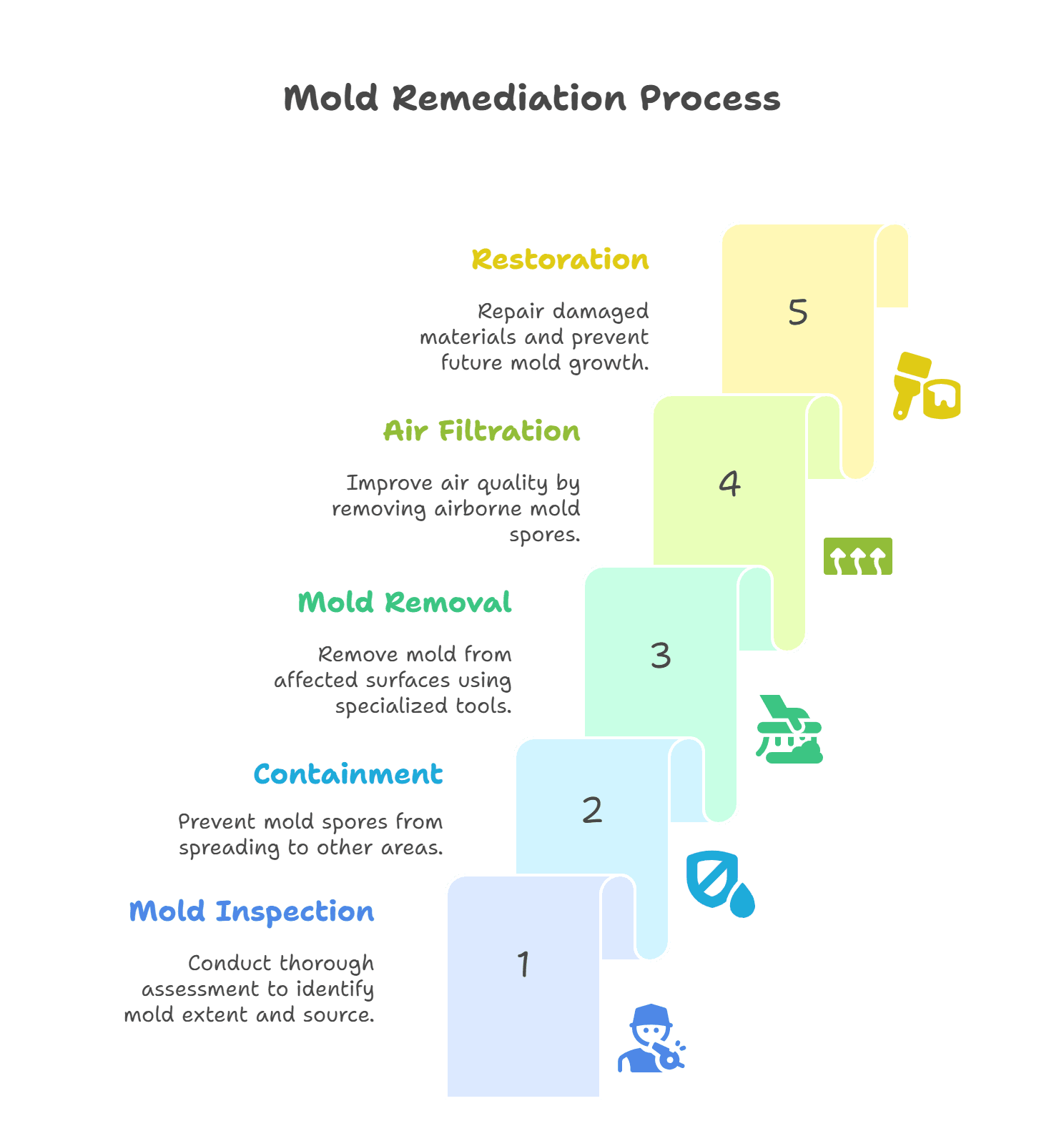
Effective remediation in East Tennessee requires adherence to specific technical steps to prevent cross-contamination. Residents should expect the following phases during a standard project:
- Assessment and Testing: Before work begins, a certified mold inspector or technician identifies the moisture source—such as a leaking pipe, roof failure, or high crawlspace humidity—that allows mold to flourish. Without fixing the water intrusion, remediation is only a temporary fix.
- Containment: The work area is sealed off using 6-mil polyethylene plastic sheeting. Professionals set up negative air pressure units to ensure that any spores disturbed during the cleaning process are pulled through HEPA (High-Efficiency Particulate Air) filters rather than migrating into clean zones of the house.
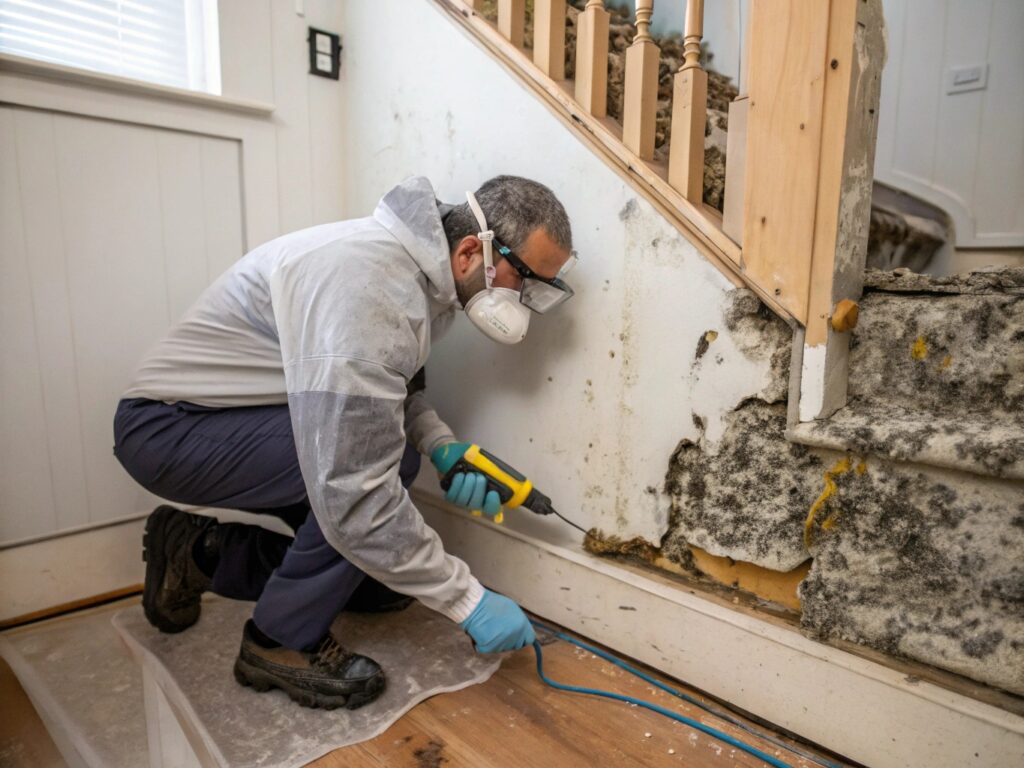
- Personal Protective Equipment (PPE): Technicians utilize N-95 or P-100 respirators, disposable coveralls, and gloves. This protects the crew from high concentrations of spores during the demolition and cleaning phases.
- Removal and Disinfection: Porous materials that are heavily infested—such as drywall, insulation, or carpeting—are typically removed and disposed of as construction debris. Non-porous surfaces like studs or concrete are scrubbed, HEPA-vacuumed, and treated with antimicrobial solutions.
- Encapsulation: In some instances, after cleaning, a specialized sealant is applied to building materials. This prevents future moisture absorption and seals any remaining microscopic root structures.
- Verification: Once the work is complete, a third-party environmental hygienist is often brought in to perform post-remediation verification (PRV). This involves surface swabs or air tests to confirm that the spore counts have returned to acceptable, baseline levels.
Cost Considerations in Knox County
Costs for mold remediation are not fixed and depend heavily on the severity of the infestation, the accessibility of the affected area, and the volume of material requiring disposal.
| Factor | Low-End Estimate | High-End Estimate |
|---|---|---|
| Small, localized mold (e.g., closet) | $500 | $1,500 |
| Crawlspace/Attic remediation | $2,000 | $6,000+ |
| Full-home structural infestation | $7,000 | $15,000+ |
Factors that significantly impact the final invoice include the need for structural drying equipment (dehumidifiers and industrial fans), the cost of mold testing (which can range from $300 to $800 depending on the number of samples), and the complexity of the disposal requirements. Always request an itemized bid that differentiates between the physical remediation labor and the environmental testing costs.
Addressing Moisture: The Root Cause
Mold does not grow without a steady moisture supply. In Knox County, common moisture issues include poor drainage around foundations, excessive humidity in unfinished basements, and leaking HVAC condensate lines.
If you do not address the source of the water, the mold will likely return within a few months, regardless of how thorough the remediation was. If the source is an internal plumbing leak, it must be repaired by a licensed plumber before the remediation contractor seals the wall or ceiling back up. If the issue is environmental—such as a damp crawlspace—the contractor may suggest installing a vapor barrier, a commercial-grade dehumidifier, or an encapsulation system to keep relative humidity below the 60% threshold where mold thrives.
Frequently Asked Questions
Does homeowners insurance cover mold remediation in Knox County? Typically, insurance covers mold if it is a direct result of a "covered peril," such as a sudden burst pipe. However, if the mold resulted from long-term neglect, high humidity, or flooding, coverage may be limited or denied. Always check your specific policy terms.
How long does the remediation process take? A small, localized project may take one or two days. A large-scale project involving significant demolition and drying cycles can take a week or longer. The duration is heavily dictated by how long the structural materials take to reach safe moisture content levels.
Is it safe to stay in the home during remediation? While professional containment keeps most spores inside the work area, those with severe respiratory issues or compromised immune systems are generally advised to stay elsewhere. If the HVAC system must be shut down or the work area is central to the home, temporary relocation is often the safest choice.
Do I need a permit for mold remediation? Most remediation work is considered restorative maintenance and does not require a building permit. However, if the project involves extensive demolition of load-bearing walls or electrical/plumbing changes, the contractor should coordinate with the city or county permitting office to ensure compliance.
How do I find a reputable contractor? Look for companies with IICRC certifications (such as Applied Microbial Remediation Technician). Ask for proof of specialized mold liability insurance, as standard general liability policies often exclude fungal-related claims.
Final Recommendations and Next Actions
If you suspect mold, your first step should be an independent inspection. Avoid hiring a company that performs both the inspection and the remediation, as this can create a conflict of interest. An independent industrial hygienist will provide an unbiased report detailing exactly what needs to be removed. Once you have that report, solicit bids from at least three licensed contractors in the Knox County area, ensuring they provide a detailed scope of work and a clear plan for moisture control. Prompt action reduces the risk of mold spreading to non-affected areas and limits the overall financial impact of the restoration.
Image Gallery