Understanding What Past Life Means: History, Beliefs, and Modern Perspectives
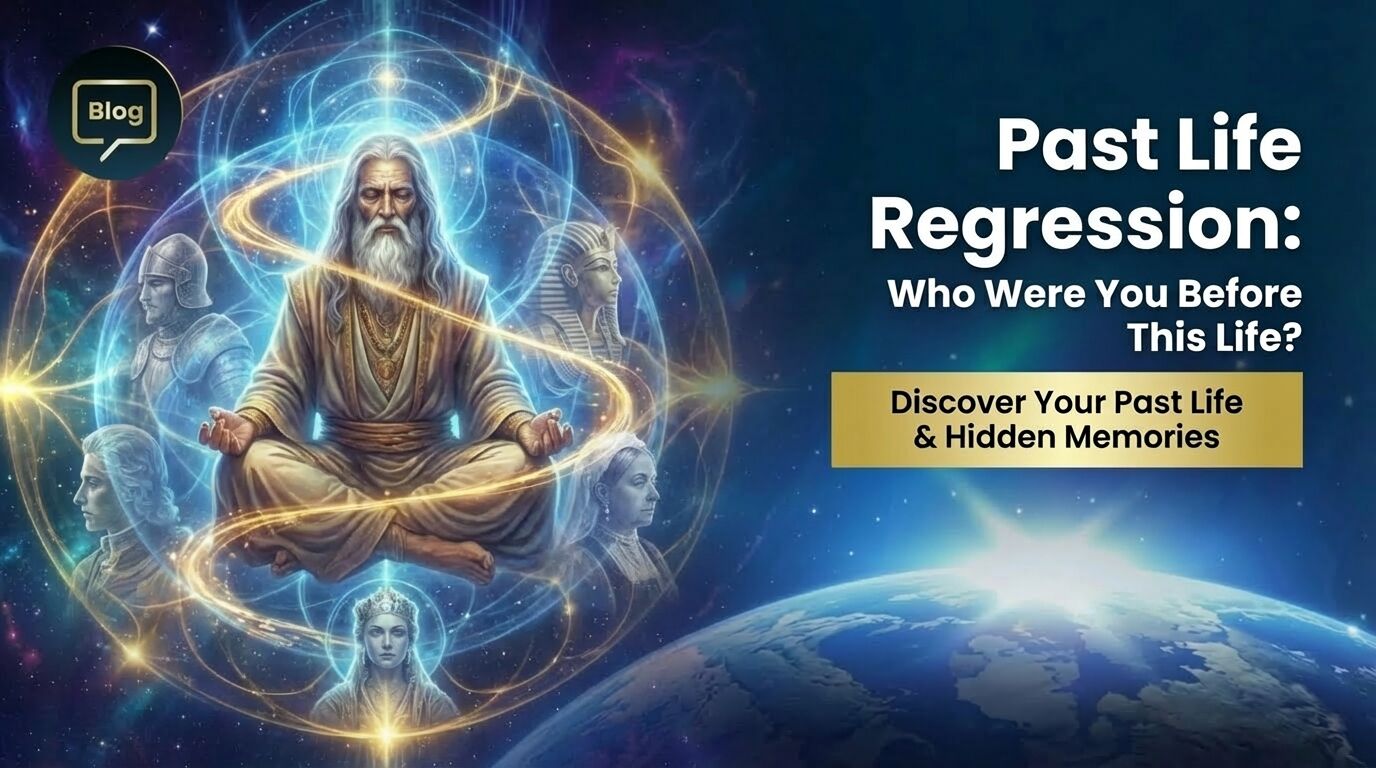
A past life refers to the concept that an individual's soul or consciousness lives multiple lifetimes across different physical bodies, eras, and environments over time. This foundational premise of reincarnation bridges ancient spirit...
A past life refers to the concept that an individual's soul or consciousness lives multiple lifetimes across different physical bodies, eras, and environments over time. This foundational premise of reincarnation bridges ancient spiritual traditions, philosophical inquiries, and contemporary psychological exploration.
Contents
The quest to understand what past life means transcends cultural boundaries and millennia of human history. From ancient Eastern philosophies to modern Western psychological techniques, the idea that our current existence is merely one chapter in a much larger soul journey continues to captivate millions. Whether viewed through a strictly spiritual framework or as a powerful metaphor for human psychology, exploring past lives offers a unique lens through which to examine personal identity, unresolved emotional patterns, and the nature of consciousness itself.
The Core Concept of Past Lives and Reincarnation
At its heart, the concept of a past life is inextricably linked to the broader doctrine of reincarnation—also known as transmigration or metempsychosis. This belief posits that the physical body is temporary, while the essence of the person (the soul, spirit, or consciousness) is eternal. When a physical body dies, this inner essence separates and eventually inhabits a new newborn body, carrying forward residual lessons, memories, and karmic debts.
Understanding what past life means requires examining how different traditions define the mechanism of rebirth. In various esoteric systems, the soul does not wander aimlessly; rather, it evolves through successive incarnations to achieve higher states of spiritual understanding, moral purity, or self-realization. Every action, thought, and intention from previous existences accumulates to shape the conditions, challenges, and opportunities of the current life.
The Mechanism of Soul Evolution
In many reincarnation frameworks, evolution is progressive. A soul learns through direct experience across diverse socioeconomic conditions, geographic locations, and interpersonal relationships.
- Karmic Accumulation: Actions in past lives generate energetic consequences that manifest in subsequent incarnations.
- Unfinished Business: Emotional traumas, unfulfilled goals, or broken promises from a past life can linger in the subconscious mind.
- Spiritual Maturation: Each lifetime strips away ignorance, guiding the individual closer to ultimate spiritual liberation or enlightenment.
Historical and Cultural Foundations of Past Life Beliefs
Belief in past lives is not a modern New Age invention; it represents one of the oldest and most widespread philosophical concepts in human history.
Eastern Traditions: Hinduism, Buddhism, and Jainism
In the Indian subcontinent, past life concepts are deeply embedded in the foundational scriptures. In Hinduism, the cycle of birth, death, and rebirth is known as samsara. The ultimate goal is to break free from this cycle (moksha) through righteous living (dharma) and the neutralization of karma.
Similarly, Buddhism adopts a variation of this cycle, though it posits anatta (the absence of a permanent soul). Instead of a fixed soul migrating, Buddhism describes the transmission of consciousness—often compared to the flame of one candle lighting another—carrying karmic momentum from one life to the next. Jainism emphasizes rigorous non-harm to minimize negative karma accrued across countless past lives.
Ancient Western and Indigenous Perspectives
Beyond Asia, ancient civilizations frequently embraced multi-lifetime paradigms. Orphism, Pythagoreanism, and Platonism within ancient Greek philosophy incorporated metempsychosis. Plato famously wrote about the soul choosing its next incarnation based on the wisdom it accumulated in the underworld between lives.
Furthermore, numerous indigenous cultures across the Americas, Africa, and Oceania maintain oral traditions acknowledging the return of ancestors into newly born descendants, reinforcing community continuity and moral accountability.
| Tradition | Core Framework | Primary Goal of Reincarnation |
|---|---|---|
| Hinduism | Samsara (Cycle of rebirth driven by karma) | Achieve Moksha (liberation from the cycle) |
| Buddhism | Transmission of consciousness without a permanent soul | Attain Nirvana (cessation of suffering) |
| Platonism | Metempsychosis (migration of the immortal soul) | Cultivate philosophical wisdom and virtue |
| Indigenous Systems | Ancestral return and familial lineage continuity | Maintain harmony within the community and nature |
Modern Psychological Approaches: Past Life Regression
In the 20th and 21st centuries, the exploration of past lives shifted from purely theological discourse into psychological and therapeutic domains. Pioneers like psychiatrist Dr. Ian Stevenson at the University of Virginia meticulously documented thousands of cases of young children claiming to remember past lives, often matching birthmarks to fatal wounds of deceased individuals.
Building on clinical applications, practitioners developed Past Life Regression (PLR) therapy. This specialized hypnotherapy technique guides individuals into a deeply relaxed, altered state of consciousness to access suppressed or forgotten memories believed to originate in prior lifetimes.
How Past Life Regression Works
During a session, a certified hypnotherapist helps the client bypass the analytical conscious mind to access the subconscious or superconscious realms. The process typically follows a structured pathway:
- Intention Setting: The client and therapist identify current emotional blocks, chronic physical pains, or recurring phobias to address.
- Deep Induction: The practitioner uses progressive relaxation and visualization to guide the client into a trance state.
- Bridge Technique: The client is asked to follow a mental bridge—such as walking down a hallway of doors or floating backward through time—until they arrive at a past life scene.
- Exploration and Release: The client navigates key events, observes the environment, understands the climax of that lifetime, and experiences the transition of death.
- Integration: The therapist helps the client process the emotional insights gained, connecting past life patterns to current life circumstances for therapeutic resolution.
While skeptics argue that regression yields confabulation, false memories, or imaginative metaphors constructed by the subconscious mind, proponents emphasize its pragmatic utility. Even if viewed symbolically, PLR often provides profound psychological breakthroughs, helping individuals reframe current traumas and cultivate self-compassion.
Common Signs and Indicators of Past Lives
Many individuals wonder if certain inexplicable aspects of their personality or experiences point toward past lives. While science attributes these phenomena to genetics, early childhood conditioning, or coincidence, esoteric traditions identify several recurring indicators:
- Unexplained Phobias and Fears: An intense fear of water, heights, enclosed spaces, or specific animals that has no root cause in the current lifetime.
- Instantaneous Connections or Aversions: Meeting a stranger and feeling an immediate, profound sense of recognition, love, or deep distrust.
- Unusual Talents and Proficiencies: Exhibiting master-level skills in languages, music, or mathematics without formal training or extensive study.
- Recurring Dreams or Imagery: Experiencing vivid, cinematic dreams set in historical eras, featuring unfamiliar architecture, clothing, or languages.
- Chronic Physical Sensations: Unexplained aches, pains, or birthmarks located in areas corresponding to historical accounts of trauma or injury.
Skepticism, Scientific Scrutiny, and Ethical Considerations
Evaluating the concept of past lives requires balancing open-minded exploration with critical scientific skepticism. Mainstream science, psychology, and neuroscience maintain that extraordinary claims require empirical verification, which subjective experiences like hypnotherapeutic regressions cannot inherently provide.
Alternative Scientific Explanations
Psychologists and neuroscientists offer grounded explanations for phenomena frequently attributed to past lives:
- Cryptomnesia: A memory phenomenon where forgotten information is retrieved and misinterpreted as a completely original thought or past-life recollection.
- Genetic Memory: Epigenetic studies suggest that environmental stress and trauma experienced by ancestors can alter gene expression, passing behavioral tendencies down through generations.
- Imaginative Projection: The human brain is an advanced storytelling machine capable of constructing elaborate, emotionally resonant narratives during altered states of consciousness.
Ethical and Practical Cautions
For those pursuing past life exploration, maintaining healthy boundaries is essential. Practitioners and mental health professionals advise against using past life regression to replace conventional medical diagnoses or psychiatric treatments. Furthermore, individuals must guard against spiritual bypassing—using past life narratives to avoid taking personal responsibility for choices and behaviors in the present reality.
Note: If you are experiencing severe psychological distress, trauma, or persistent anxiety, consult a licensed mental health professional rather than relying solely on alternative spiritual therapies.
Frequently Asked Questions
What does it mean if I remember a past life?
Remembering a past life means your subconscious mind is surfacing historical narratives—either literal or metaphorical—that your psyche uses to process current emotional themes. Whether accepted as a literal spiritual memory or a psychological symbol, it provides insight into unresolved fears, talents, or relationship dynamics.
Can anyone experience past life regression?
Most people can achieve the relaxed state required for regression, but susceptibility varies. Individuals who struggle with deep relaxation, have severe cognitive impairments, or harbor intense skepticism may find it difficult to bypass their analytical minds.
Is belief in past lives required for reincarnation to work?
In traditional spiritual systems like Hinduism and Buddhism, reincarnation is viewed as an objective cosmic law independent of personal belief. You do not need to consciously remember or believe in past lives for your actions to generate karmic consequences.
How can understanding a past life help my current life?
Proponents argue that uncovering past life patterns allows you to release irrational phobias, heal chronic relational friction, and harness innate talents. It shifts your perspective from feeling trapped by current circumstances to viewing personal growth as a continuous, lifelong journey.
Are past life memories always historically accurate?
Not necessarily. Even within metaphysical communities, it is acknowledged that past life memories can be blended with archetypal imagery, cultural myths, and subconscious symbolism, making them psychologically potent even if historically unverifiable.
Next Actions for Further Exploration
If you wish to explore the concept of past lives further, begin by journaling about your recurring dreams, inexplicable fears, and natural affinities. Read foundational literature on comparative religion or peer-reviewed academic studies on reincarnation research, such as the archives from the University of Virginia Division of Perceptual Studies. If you choose to experience past life regression, thoroughly vet certified hypnotherapists to ensure a safe, ethical, and grounded therapeutic environment.
Image Gallery