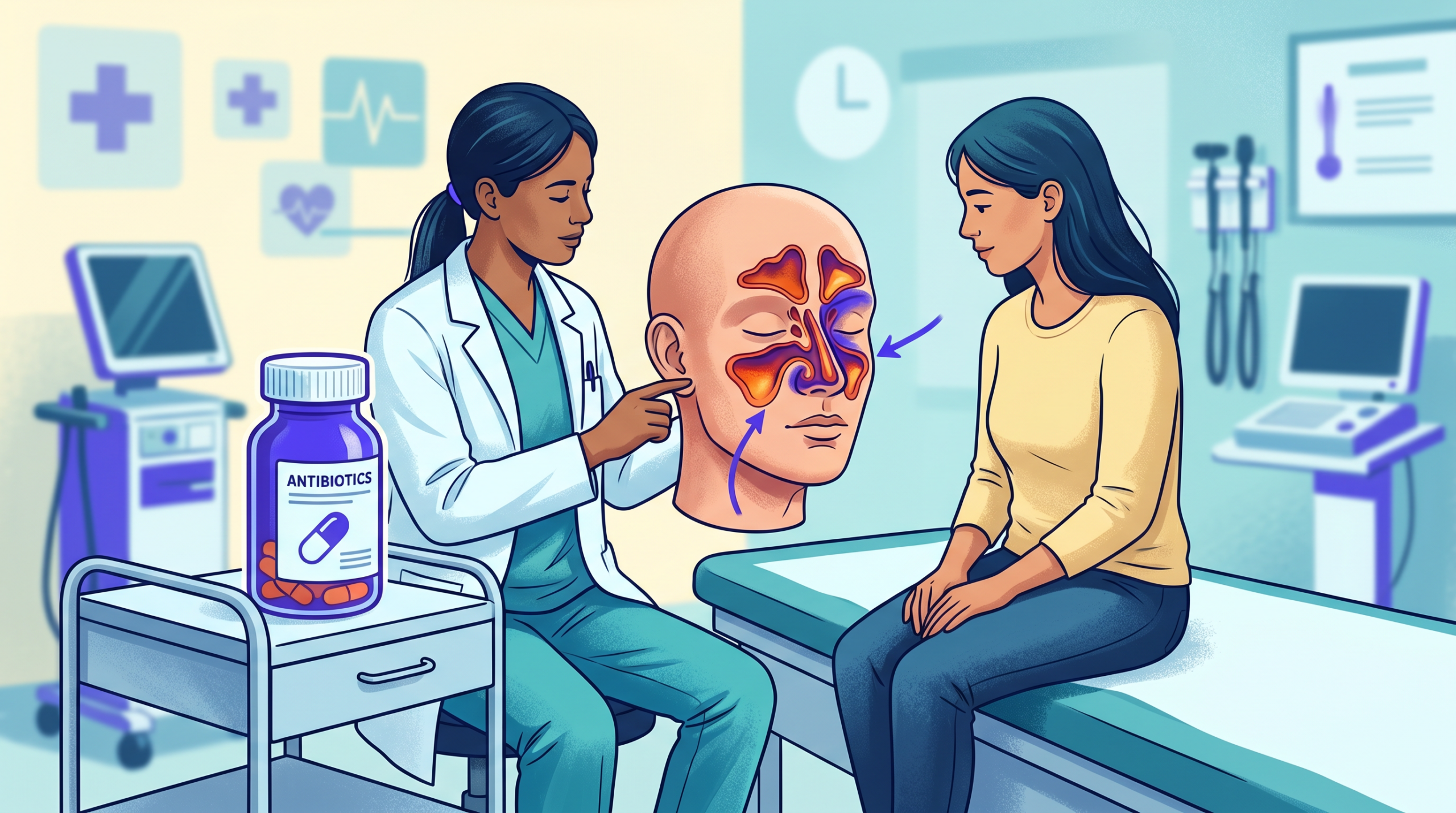
Does Urgent Care Prescribe Antibiotics? A Guide to Treatment and Prescriptions
Yes, urgent care centers can prescribe antibiotics if a healthcare provider determines that your illness is caused by a bacterial infection. During your visit, a clinician will perform an evaluation and diagnostic tests to confirm the...
Yes, urgent care centers can prescribe antibiotics if a healthcare provider determines that your illness is caused by a bacterial infection. During your visit, a clinician will perform an evaluation and diagnostic tests to confirm the cause of your symptoms. If appropriate, they will electronically send a prescription to your preferred pharmacy for pickup.
Contents
Urgent care facilities serve as a critical bridge between primary care physicians and emergency rooms. As we move through 2026, these clinics have become more sophisticated, offering on-site laboratory testing and imaging that allow providers to make quick, evidence-based decisions regarding medication. However, obtaining antibiotics is not a matter of simply requesting them; it requires a professional medical diagnosis to ensure the treatment is both safe and effective for your specific condition.
Understanding the Role of Urgent Care in Antibiotic Treatment
Urgent care clinics are staffed by licensed healthcare professionals, including medical doctors (MDs), osteopathic doctors (DOs), physician assistants (PAs), and nurse practitioners (NPs). These providers have the same legal authority to prescribe antibiotics as a traditional family physician. The primary goal of an urgent care visit for a suspected infection is to identify the pathogen—the bacteria, virus, or fungus causing the illness—and determine if antibiotic intervention is necessary.
In 2026, the integration of Electronic Health Records (EHR) allows urgent care providers to view your medical history, including previous antibiotic use and known allergies. This ensures that the antibiotic prescribed is compatible with your health profile and reduces the risk of adverse drug interactions. When you visit an urgent care center, the provider will assess your symptoms, physical signs, and often perform "point-of-care" testing to reach a diagnosis within minutes.
The Diagnostic Process
Before a prescription is written, the provider must confirm a bacterial presence. This typically involves:
- Physical Examination: Checking vitals, listening to lungs, inspecting the throat, or palpating the abdomen.
- Rapid Testing: Swabs for strep throat or flu, which provide results during the visit.
- Urinalysis: Testing for white blood cells or bacteria indicating a urinary tract infection (UTI).
- Blood Work: In some cases, a complete blood count (CBC) may be ordered to check for elevated white blood cell levels, which often signal infection.
Common Bacterial Infections Treated at Urgent Care
Urgent care is designed to handle "acute" conditions—illnesses that come on suddenly but are not life-threatening. If you are experiencing symptoms of the following bacterial infections, an urgent care provider is likely to prescribe antibiotics after a positive diagnosis.
Urinary Tract Infections (UTIs)
UTIs are one of the most common reasons patients seek urgent care. Because they cause significant discomfort and can lead to kidney infections if left untreated, rapid diagnosis is essential. Most urgent care centers use a dipstick urine test to look for nitrites and leukocyte esterase. If these are present, the provider will prescribe a course of antibiotics such as nitrofurantoin or trimethoprim/sulfamethoxazole.
Strep Throat
While many sore throats are viral, "Strep A" is a bacterial infection that requires antibiotics to prevent complications like rheumatic fever. Urgent care clinics use rapid antigen tests that provide results in about 10–15 minutes. If the rapid test is negative but symptoms are severe, the provider may send a culture to a lab for further verification while discussing whether to start "empiric" (preventative) antibiotics.
Bacterial Sinusitis and Ear Infections
Distinguishing between a viral sinus infection and bacterial sinusitis can be difficult. Generally, if symptoms persist for more than ten days without improvement, or if they improve and then suddenly worsen (known as "double-worsening"), a bacterial cause is suspected. Similarly, middle ear infections (otitis media) in children and adults are frequently treated with antibiotics like amoxicillin at urgent care centers.
Skin Infections and Abscesses
Cellulitis, infected wounds, and abscesses are common reasons for urgent care visits. Providers may prescribe oral antibiotics or, in some cases, perform a minor procedure called an incision and drainage (I&D) before starting the medication. For skin infections, providers are particularly mindful of MRSA (Methicillin-resistant Staphylococcus aureus) and may choose specific antibiotics like clindamycin or doxycycline to combat resistant strains.
When Urgent Care Will Not Prescribe Antibiotics
One of the most important aspects of modern medicine in 2026 is antibiotic stewardship. This is the effort to measure and improve how antibiotics are prescribed by clinicians and used by patients. Antibiotics only kill bacteria; they have no effect on viruses.
The Problem of Viral Infections
If you visit urgent care with the common cold, the flu, or most cases of acute bronchitis, the provider will not prescribe antibiotics. These are viral illnesses. Taking antibiotics for a virus does not cure the infection, does not help you feel better, and does not prevent others from catching your illness. Instead, it can cause unnecessary side effects like diarrhea, yeast infections, or severe allergic reactions.
Antibiotic Resistance
Over-prescribing antibiotics has led to the rise of "superbugs"—bacteria that have evolved to resist the drugs designed to kill them. Urgent care providers follow guidelines from the Centers for Disease Control and Prevention (CDC) to ensure they are only prescribing these medications when absolutely necessary. If a provider denies a request for antibiotics, it is usually because the clinical evidence points to a viral cause, and the risks of the medication outweigh the benefits.
Costs, Insurance, and Pharmacy Logistics in 2026
Seeking treatment at an urgent care center is generally more cost-effective than an emergency room visit. However, the total cost involves both the clinic visit and the price of the medication at the pharmacy.
Insurance Coverage
Most insurance plans in 2026 cover urgent care visits, though you will likely be responsible for a co-pay. It is important to verify that the urgent care center is "in-network" to avoid unexpected balance billing. Most centers have a transparent pricing list for self-pay patients, ranging from $150 to $300 for a standard consultation, excluding lab tests.
Pharmacy Fulfillment
Urgent care centers rarely dispense antibiotics on-site, with the exception of some rural or specialized clinics. Instead, they use E-prescribing software. You will be asked for your preferred pharmacy, and the prescription is sent digitally. In 2026, many patients utilize integrated pharmacy apps to track when their medication is ready for pickup or to opt for same-day home delivery services.
| Condition | Common Cause | Antibiotic Prescribed? | Common Diagnostic Tool |
|---|---|---|---|
| Strep Throat | Bacteria (Streptococcus) | Yes | Rapid Swab / Throat Culture |
| Common Cold | Virus (Rhinovirus) | No | Physical Exam / History |
| UTI | Bacteria (E. coli, etc.) | Yes | Urinalysis (Dipstick) |
| Influenza | Virus (Influenza A/B) | No (Antivirals instead) | Nasal Swab |
| Cellulitis | Bacteria (Staph/Strep) | Yes | Visual Exam / Skin Culture |
| Acute Bronchitis | Virus (90% of cases) | Rarely | Chest X-ray / Lung Exam |
Important Considerations for Taking Prescribed Antibiotics
If the urgent care provider determines you need antibiotics, following the instructions precisely is vital for your recovery and for public health.
- Complete the Full Course: Even if you feel 100% better after two days, you must finish the entire bottle. Stopping early allows the strongest bacteria to survive and multiply, potentially leading to a relapse of a more resistant infection.
- Monitor for Side Effects: Common side effects include nausea and stomach upset. However, if you develop a rash, hives, or difficulty breathing, stop the medication immediately and seek emergency care, as these are signs of an allergy.
- Probiotics and Gut Health: Antibiotics can disrupt the "good" bacteria in your gut. Many providers recommend eating yogurt with live cultures or taking a probiotic supplement during and after your antibiotic course to prevent digestive issues.
- Avoid Sharing: Never take antibiotics prescribed for someone else or use "leftover" pills. The wrong type of antibiotic or the wrong dose can be dangerous and ineffective.
Frequently Asked Questions
Can I get an antibiotic refill from an urgent care?
Urgent care centers generally do not provide refills for chronic conditions. They focus on acute, short-term issues. If you need a refill for a maintenance medication, you should see your primary care physician. However, if you are traveling and ran out of a necessary antibiotic for an active infection, a provider may issue a short-term supply after a physical exam.
Can I get an antibiotic prescription over the phone or via telehealth?
In 2026, many urgent care brands offer telehealth services. For certain conditions like UTIs or uncomplicated pink eye, a provider may be able to prescribe antibiotics after a video consultation. However, for respiratory issues or infections requiring a physical swab (like strep), they will likely require an in-person visit to ensure diagnostic accuracy.
How quickly will antibiotics start working?
Most patients begin to feel improvement within 24 to 48 hours of starting the medication. If your symptoms do not improve at all after three days, or if they continue to worsen, you should contact the urgent care center or your primary doctor, as the bacteria may be resistant to that specific antibiotic or the diagnosis may need to be re-evaluated.
Will urgent care prescribe "Z-Paks" (Azithromycin)?
Azithromycin is still used in 2026, but it is prescribed less frequently than in previous decades due to high rates of bacterial resistance. A provider will only prescribe a "Z-Pak" if it is the appropriate clinical choice for your specific infection and if you do not have contraindications, such as certain heart rhythm issues.
Do I need a follow-up after my urgent care visit?
For routine infections like a UTI or strep throat, a follow-up is usually not required unless symptoms persist. However, for more serious issues like skin abscesses or suspected pneumonia, the urgent care provider will strongly recommend following up with your primary care doctor within 3–5 days to ensure the infection is fully resolving.
Practical Recommendation
If you suspect you have a bacterial infection, do not wait for symptoms to become severe. Visit an urgent care center as soon as possible for an evaluation. Be prepared to provide a detailed history of your symptoms, including when they started and any over-the-counter medications you have already tried. If you are prescribed antibiotics, ensure you confirm the dosage and frequency with both the provider and the pharmacist, and always finish the entire prescription to ensure the infection is completely eradicated.
Image Gallery