Understanding the Bipolar Girl in Context
Understanding a young woman or girl with Bipolar Disorder requires looking beyond clinical symptoms to the intersection of biological cycles, social pressures, and developmental milestones. In 2026, clinical consensus emphasizes that "...
Understanding a young woman or girl with Bipolar Disorder requires looking beyond clinical symptoms to the intersection of biological cycles, social pressures, and developmental milestones. In 2026, clinical consensus emphasizes that "context"—including hormonal fluctuations, diagnostic biases, and environmental stressors—is essential for accurate diagnosis and effective long-term management.
Contents
The Clinical Framework of Bipolar Disorder in Females
Bipolar Disorder (BD) is a chronic mental health condition characterized by significant shifts in mood, energy, and activity levels. While the disorder affects all genders, the "context" for a young woman is uniquely shaped by how the condition manifests during adolescence and early adulthood. To understand the "bipolar girl," one must first distinguish between the primary classifications of the disorder as defined by the DSM-5-TR.
Bipolar I and II: Distinctions in Presentation
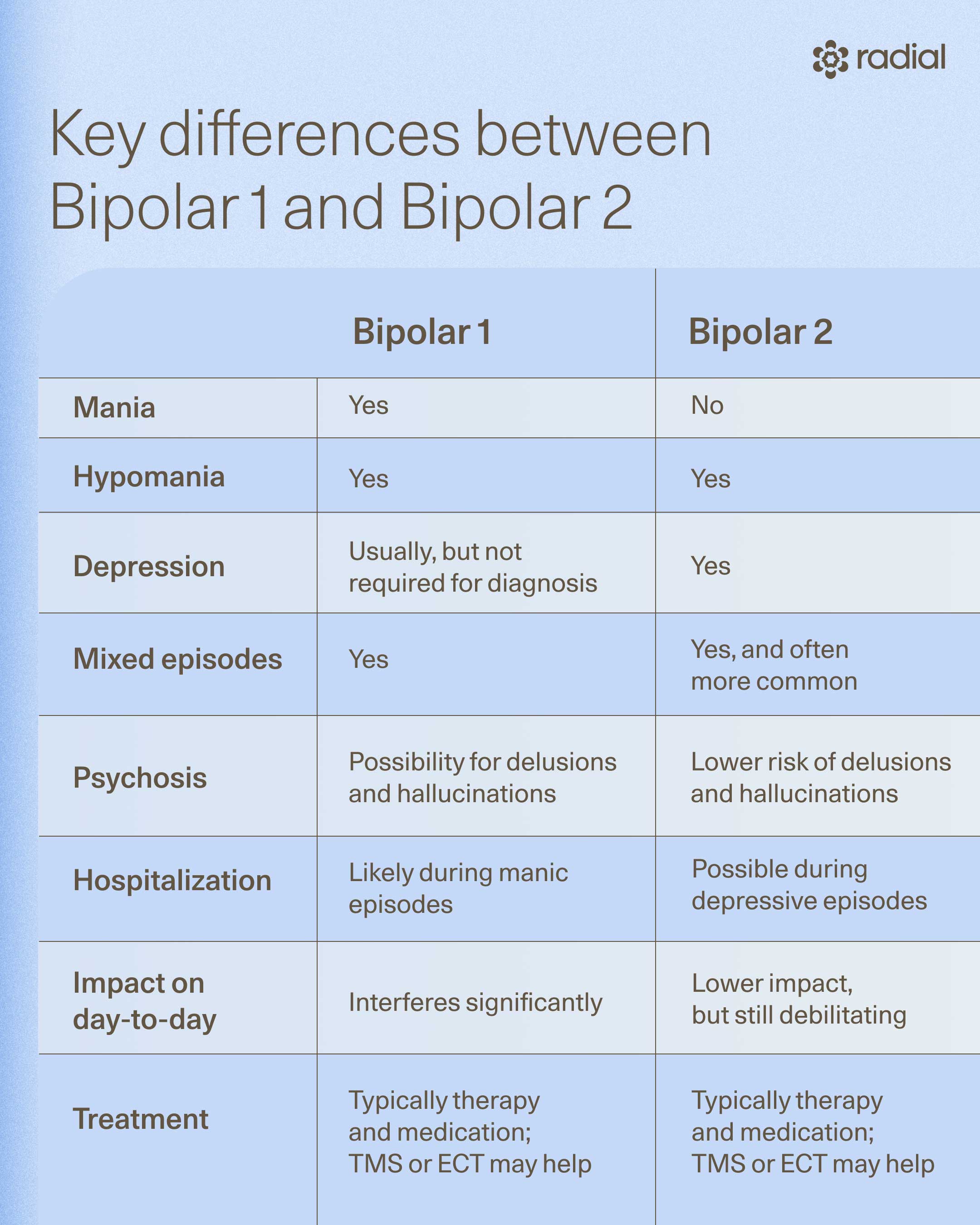
In young women, Bipolar II is statistically more prevalent than Bipolar I. Bipolar I involves at least one full manic episode, which may require hospitalization. Conversely, Bipolar II is defined by a pattern of depressive episodes and hypomanic episodes, which are less severe than full mania but still represent a clear departure from the individual's functional baseline.
Research indicates that females are more likely to experience "rapid cycling"—defined as four or more mood episodes within a single year. They are also more prone to mixed features, where symptoms of mania and depression occur simultaneously, creating a state of high energy coupled with intense agitation or despair. This "mixed context" often leads to a higher risk of self-harm if not identified and treated early.
The Impact of Early Onset
When Bipolar Disorder emerges during the teenage years, it often disrupts critical developmental stages. A girl navigating high school while managing BD faces the dual challenge of identity formation and symptom regulation. In this context, mood swings are frequently dismissed as "teenage angst" or hormonal shifts, leading to an average diagnostic delay of five to ten years. Understanding the girl in context means recognizing that her behavior is not a choice or a personality flaw, but a neurobiological struggle occurring during a high-stakes period of social and academic growth.
Biological Context: The Role of Hormones and Neurochemistry
One cannot understand the female experience of Bipolar Disorder without addressing the endocrine system. The fluctuation of estrogen and progesterone plays a significant role in mood regulation and can exacerbate the symptoms of BD.
Menstrual Cycles and Mood Instability
For many young women with Bipolar Disorder, the premenstrual phase acts as a trigger for mood episodes. This is often referred to as premenstrual exacerbation (PME). Unlike Premenstrual Dysphoric Disorder (PMDD), which is a standalone diagnosis, PME involves the worsening of existing bipolar symptoms during the luteal phase.
Clinical data from 2026 suggests that the drop in estrogen levels can decrease the efficacy of certain mood stabilizers and antipsychotics. Consequently, a girl who appears stable for three weeks of the month may experience a sudden "breakthrough" depressive or hypomanic episode that is purely biologically driven by her cycle. Providers must monitor these patterns to determine if medication dosages need adjustments during specific times of the month.
The Neurobiology of the Adolescent Brain
In 2026, neuroimaging studies continue to highlight that the adolescent brain is still undergoing synaptic pruning and myelination, particularly in the prefrontal cortex—the area responsible for executive function and impulse control. In a girl with Bipolar Disorder, the amygdala (the brain's emotional center) may be hyper-reactive, while the prefrontal cortex struggles to provide the necessary "top-down" regulation. This creates a biological context where emotional responses are disproportionately intense compared to the actual stimulus.
Psychological Context: Navigating Misdiagnosis and Comorbidity
The journey to understanding the bipolar girl is often clouded by "diagnostic overshadowing," where one condition masks another. Because young women often present with high levels of emotional dysregulation, they are frequently misdiagnosed with other disorders before Bipolar Disorder is correctly identified.
The Bipolar vs. Borderline Personality Disorder (BPD) Overlap
One of the most common challenges in a clinical context is distinguishing between Bipolar Disorder and Borderline Personality Disorder. While they share symptoms like impulsivity and mood instability, the mechanisms differ. Bipolar mood shifts are typically autonomous and can last weeks, whereas BPD shifts are often reactive to social triggers and last hours.
However, it is possible for a girl to have both. In fact, co-occurring personality disorders or anxiety disorders are common. Understanding her "in context" means assessing whether her mood shifts are internally driven (biological cycles) or externally driven (relational triggers), or a complex hybrid of both.
Common Comorbidities
Young women with BD have higher rates of certain comorbidities than their male counterparts. These include:
- Eating Disorders: The impulsivity of mania or the low self-esteem of depression can trigger bulimia or binge-eating behaviors.
- Anxiety Disorders: Generalized Anxiety Disorder (GAD) and Panic Disorder often co-exist with BD, complicating the use of traditional antidepressants which might trigger mania.
- Thyroid Dysfunction: There is a known link between bipolarity and thyroid issues in females, requiring regular blood panels to ensure physical health isn't mimicking or worsening psychiatric symptoms.
Social and Developmental Context: Pressures and Stigma
The social environment of a young woman in 2026 is heavily influenced by digital interaction, academic competition, and societal expectations regarding female behavior. These factors provide the external context for her internal struggle.
Social Media and Sleep Hygiene
Sleep deprivation is a primary trigger for manic and hypomanic episodes. In the context of modern social media usage, the "blue light" exposure and the pressure to remain "always on" can be catastrophic for a girl with Bipolar Disorder. The "fear of missing out" (FOMO) leads to late-night scrolling, which disrupts the circadian rhythm. For someone with BD, a single night of missed sleep can be enough to flip the switch from a stable state into hypomania.
Academic and Social Performance
There is a specific pressure on girls to be "high-achievers" and "people pleasers." A bipolar girl may use a hypomanic "up" period to excel in sports, academics, or social planning, leading others to see her as highly productive rather than ill. When the inevitable depressive crash occurs, the contrast is jarring. Peers and teachers may perceive her as "lazy" or "unmotivated," failing to realize she is in the midst of a clinical episode. This cycle of high performance followed by total withdrawal creates intense shame, which is a major driver of suicidal ideation in young women.
Comparison of Clinical Presentations
To better understand the nuances of the bipolar girl's experience, it is helpful to compare Bipolar Disorder with conditions that often present similarly in young females.
| Feature | Bipolar I Disorder | Bipolar II Disorder | Borderline Personality Disorder |
|---|---|---|---|
| Primary Mood State | Mania and Depression | Hypomania and Depression | Emotional Dysregulation |
| Duration of "Ups" | At least 7 days | At least 4 days | Minutes to Hours |
| Triggers | Often biological/random | Biological/Stress-related | Primarily Interpersonal |
| Self-Image | Inflated during mania | Variable | Consistently unstable |
| Sleep Needs | Significantly decreased | Decreased | Usually normal, though restless |
| 2026 Treatment Focus | Lithium/Antipsychotics | Mood Stabilizers/Therapy | Dialectical Behavior Therapy (DBT) |
Treatment Modalities and Management Strategies
Effective treatment for the bipolar girl in 2026 involves a multi-modal approach that accounts for her specific life stage and biological needs.
Pharmacological Management
Medication remains the cornerstone of treatment for Bipolar Disorder. For young women, providers must be cautious with certain medications. For example, Valproate (Depakote) is often avoided in females of childbearing age due to its link to Polycystic Ovary Syndrome (PCOS) and potential birth defects. Instead, Lithium or Lamotrigine are often preferred, though Lamotrigine requires careful titration to avoid serious dermatological side effects.
Evidence-Based Psychotherapy
- Dialectical Behavior Therapy (DBT): Originally developed for BPD, DBT is highly effective for bipolar girls in managing the intense emotional "waves" and teaching distress tolerance.
- Interpersonal and Social Rhythm Therapy (IPSRT): This therapy focuses on stabilizing daily routines—eating, sleeping, and exercising—to protect the circadian rhythm and prevent mood cycling.
- Family-Focused Therapy (FFT): Because the girl's environment is so influential, involving the family in education and communication training reduces the "expressed emotion" that can trigger relapses.
Lifestyle and "Rhythm" Management
Stability is found in the "boring" details of life. A girl with BD benefits from a strict sleep schedule, the avoidance of caffeine and alcohol, and regular exercise. In 2026, wearable technology (smartwatches and rings) is frequently used to track sleep patterns and heart rate variability (HRV), providing early warning signs of an impending mood shift before the girl is even aware of it.
FAQs
Can a girl be bipolar if she doesn't have "mania"?
Yes, this is typical of Bipolar II Disorder. In this context, the individual experiences hypomania—a period of high energy, decreased need for sleep, and increased talkativeness—that does not reach the level of psychosis or require hospitalization. Many girls with Bipolar II are misdiagnosed with Unipolar Depression because they do not recognize their "highs" as part of a disorder.
How do hormones affect bipolar medication?
Hormonal shifts, particularly during the menstrual cycle or when starting hormonal contraceptives, can alter the metabolism of psychiatric medications. For instance, estrogen-containing birth control can significantly lower the blood levels of Lamotrigine, necessitating a dose adjustment to maintain stability. Always consult a psychiatrist when changing birth control methods.
What are the "red flags" of a pending episode in a teenage girl?
Common early warning signs (prodromal symptoms) include a sudden change in sleep patterns (staying up late without feeling tired), increased spending, rapid speech, or a sudden withdrawal from friend groups. In a school context, a sudden drop in grades or an obsession with a new "project" can also indicate a shift in mood polarity.
Is Bipolar Disorder in girls permanent?
Bipolar Disorder is a lifelong, chronic condition, but it is highly manageable. With the right combination of medication, therapy, and lifestyle adjustments, most young women lead successful, fulfilling lives. "Management" doesn't mean the absence of symptoms, but rather the ability to navigate them without significant disruption to life goals.
How can parents support a bipolar girl without being "overbearing"?
The key is to separate the girl from the disorder. Use "externalizing" language—refer to the "mood episode" rather than the girl's character. Focus on maintaining a calm environment and prioritizing sleep. Collaborative problem-solving, rather than punitive discipline, is more effective when she is struggling with symptoms.
Next Steps for Care and Support
If you are supporting a young woman who may be struggling with these symptoms, the first step is a comprehensive evaluation by a psychiatrist familiar with adolescent female development. Request a full physical workup, including thyroid and vitamin D levels, to rule out medical mimics.
For ongoing management, prioritize psychoeducation. Understanding the "why" behind the brain's behavior reduces shame and increases treatment adherence. Utilize resources from organizations like the National Alliance on Mental Illness (NAMI) or the Depression and Bipolar Support Alliance (DBSA) to find support groups specifically for young women. Remember that "context" is not an excuse for behavior, but it is the map required to navigate the road to stability.
Image Gallery