Who Produced Michael Jackson's Recordings? A Complete Studio Breakdown
Michael Jackson’s recorded catalog was shaped by a select group of legendary record producers, most notably Quincy Jones, who co-produced the record-breaking solo albums Off the Wall, Thriller, and Bad. Beyond Jones, Jackson’s recordin...
Michael Jackson’s recorded catalog was shaped by a select group of legendary record producers, most notably Quincy Jones, who co-produced the record-breaking solo albums Off the Wall, Thriller, and Bad. Beyond Jones, Jackson’s recordings featured major production contributions from Teddy Riley, Rodney Jerkins, Jimmy Jam and Terry Lewis, and Michael Jackson himself, who co-produced the majority of his adult solo catalog.
Contents
The Quincy Jones Era: Off the Wall, Thriller, and Bad
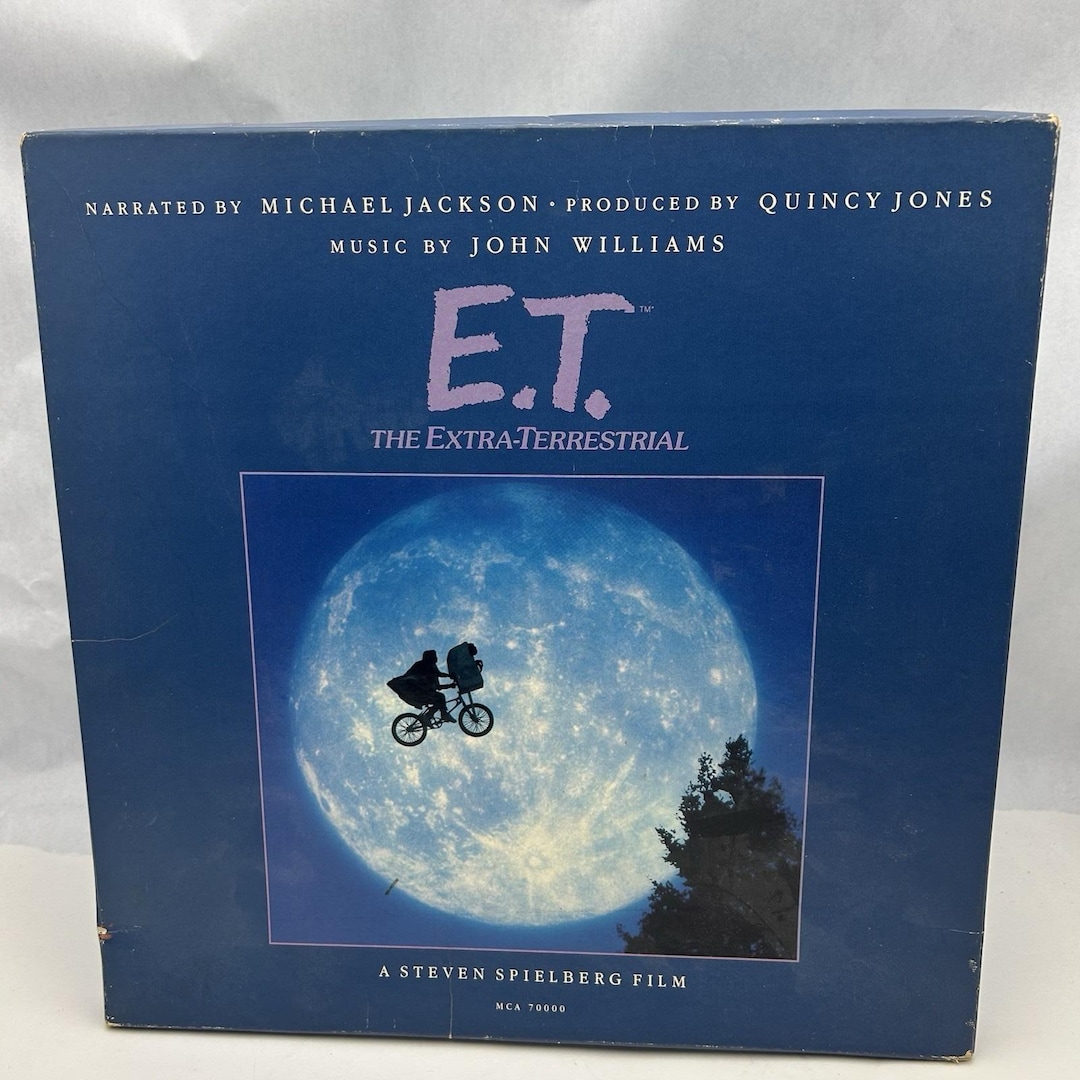
The collaboration between Michael Jackson and producer Quincy Jones remains one of the most commercially successful and artistically influential partnerships in modern music history. The duo met during the production of the 1978 film adaptation of The Wiz, where Jones was serving as musical director and Jackson was starring as the Scarecrow. When Jackson asked Jones for recommendations for a producer for his upcoming solo project at Epic Records, Jones offered to produce the album himself.
| Off the Wall (1979) | Thriller (1982) | Bad (1987) |
|---|---|---|
| • Funk & Disco Fusion | • Pop & Rock Crossover | • Digital Synths |
| • Live Rhythm Section | • High Acoustic Dynamic | • Aggressive Pop Tones |
Off the Wall (1979)
Released in August 1979, Off the Wall established Jackson as a mature solo artist outside of The Jacksons. Co-produced by Quincy Jones and Jackson, the album bridged disco, R&B, funk, and pop. Jones brought in top-tier session musicians, including members of Toto (Steve Lukather, David Paich, Jeff Porcaro), brass arrangements by Jerry Hey, and songwriting from Heatwave’s Rod Temperton ("Rock with You," "Off the Wall").
Jones emphasized live rhythm sections, warm basslines, and polished vocal arrangements. The album yielded four top-10 hits on the Billboard Hot 100, proving that Jackson could dominate mainstream radio as an adult performer.
Thriller (1982)
Co-produced by Jones and Jackson, Thriller became the best-selling album of all time. Recording sessions took place at Westlake Recording Studios in Los Angeles from April to November 1982, with an estimated production budget of $750,000.
Jones and Jackson meticulously curated a nine-track album designed to eliminate filler:
- Genre Crossover: Jones orchestrated diverse musical styles, hiring Eddie Van Halen to play the guitar solo on the rock track "Beat It" and Paul McCartney for the pop duet "The Girl Is Mine."
- Arrangement & Composition: Rod Temperton returned to write the title track "Thriller," while Jackson authored key tracks including "Billie Jean" and "Beat It."
- Audio Engineering: Recording engineer Bruce Swedien utilized his custom "Acusonic Recording Process," pairing stereo microphone techniques with double-tracked analog tape to create a vastly wide stereo image and deep low-end response.
Bad (1987)
For their final collaboration, Jones and Jackson pushed into darker, more synth-driven pop and R&B. Released in August 1987, Bad was co-produced by Jackson and Jones, but Jackson took on expanded creative control, writing 9 of the album's 11 tracks.
The production relied heavily on contemporary digital technology, including the Synclavier synthesizer, MIDI sequencing, and electronic drum textures, blended with live instrumentation. Songs like "Smooth Criminal," "Bad," and "The Way You Make Me Feel" highlighted Jackson’s rhythmic vocal percussion and punchy brass arrangements coordinated by Jerry Hey.
Michael Jackson as Songwriter and Producer
While executive producers and external collaborators played crucial roles, Michael Jackson was an accomplished record producer in his own right. From 1978 onward, Jackson maintained explicit co-production credits on almost all of his studio recordings and served as primary songwriter on many of his biggest hits.
- Michael Jackson's Creative Process
- Vocal Beatboxing & Demos
- Multi-track beatboxing & bass lines
- Dictaphone vocal arrangements
- Full musical layer arrangement
- Studio Execution
- Co-producing with top engineers
- Precise syncopation & dynamics
- Bruce Swedien's Acusonic process
- Vocal Beatboxing & Demos
Jackson's production methodology was rooted in vocal arrangement and rhythm layering:
- Vocal Demos: Jackson often composed entire arrangements in his head, recording every instrument—basslines, drum patterns, brass accents, and vocal harmonies—into a Dictaphone using beatboxing and vocalizations.
- Dynamic Syncopation: Tracks like "Billie Jean," "Beat It," "Smooth Criminal," "They Don't Care About Us," and "Earth Song" feature Jackson’s distinct rhythmic pacing, breath syncopation, and vocal ad-libs layered directly into the percussion mix.
- Studio Precision: In the studio, Jackson worked closely with keyboards, sequencers, and sound designers to replicate the exact sonic colors he envisioned during demo creation, often spending months perfecting individual drum sounds or bass synth patches.
The New Jack Swing Transition: Dangerous (1991)
By 1990, Jackson sought to modernize his sound by incorporating industrial pop, hip-hop beats, and street-oriented R&B. He parted ways with Quincy Jones and recruited Teddy Riley, the pioneer of the New Jack Swing genre, along with producer Bill Bottrell.
| Producer | Key Tracks Produced | Primary Sound Signature |
|---|---|---|
| Teddy Riley | "Jam", "Remember the Time", "In the Closet", "Dangerous" | Swing quantization, MPC drums, aggressive synth stabs |
| Bill Bottrell | "Black or White", "Give In to Me", "Who Is It" | Rock guitars, acoustic layers, organic grooves |
| Michael Jackson | Co-produced all tracks; sole producer on select pieces | Complex vocal stacking, orchestral arrangements |
Teddy Riley's Sound Design
Teddy Riley brought modern drum machine sequencing, heavy swing quantization, and dense synthesizer layers to Dangerous. Working at Record One studios in California, Riley and Jackson crafted tracks such as "Jam," "Remember the Time," and "In the Closet."
Riley’s production integrated metallic snare sounds, urban R&B rhythms, and sampling, matching Jackson's percussive vocal delivery with high-energy street beats.
Bill Bottrell's Contributions
Producer and engineer Bill Bottrell played a key role on Dangerous, co-writing and co-producing the lead single "Black or White." Bottrell constructed the track's distinctive guitar riffs and heavy drum groove, combining rock elements with mainstream pop appeal. Bottrell also contributed significantly to "Give In to Me" and early work on "Who Is It."
Multi-Producer Collaborations: HIStory and Invincible
During the late 1990s and early 2000s, Jackson expanded his production roster, collaborating with R&B hitmakers, pop producers, and hip-hop architects.
| Jimmy Jam & Terry Lewis | Rodney "Darkchild" Jerkins | Dallas Austin |
|---|---|---|
| • Industrial R&B | • Futuristic 2000s Pop/R&B | • Urban Beats |
| • "Scream", "History" | • "You Rock My World" | • "They Don't Care" |
HIStory: Past, Present and Future, Book I (1995)
For HIStory, Jackson assembled an elite group of contemporary producers:
- Jimmy Jam and Terry Lewis: The Minneapolis production duo co-produced the aggressive lead single "Scream" (a duet with Janet Jackson), alongside tracks like "HIStory" and "Tabloid Junkie." Their work introduced heavy electronic industrial textures and hard-hitting drum programming.
- Dallas Austin: Contributed production work on tracks like "They Don't Care About Us" and "This Time Around."
- R. Kelly: Wrote and co-produced the ballad "You Are Not Alone," which debuted at number one on the Billboard Hot 100.
- Bruce Swedien and René Moore: Co-produced tracks including "Money."
Invincible (2001)
Invincible, Jackson's final studio album released during his lifetime, featured modern production targeted at 2000s R&B and pop radio.
The album's primary producer was Rodney "Darkchild" Jerkins, who co-wrote and produced key tracks including "You Rock My World," "Unbreakable," "Heartbreaker," and "Privacy." Jerkins introduced staccato synth lines, complex vocal editing, and stuttered drum patterns.
Additional production work on Invincible was provided by:
- Dr. Freeze (Elliot Straite): Co-produced "Break of Dawn" and "A Place with No Name" (released posthumously).
- Babyface (Kenneth Edmonds): Co-produced the acoustic ballad "You Are My Life."
- Teddy Riley: Returned to co-produce tracks such as "2000 Watts" and "Don't Walk Away."
Early Career: Motown, The Corporation, and Gamble & Huff
Before establishing his solo career at Epic Records, Michael Jackson recorded extensive work with The Jackson 5 and early solo projects under Motown Records, followed by an transitional phase at Epic Records with The Jacksons.
The Motown Era (1969–1975)
During the Motown years, production was tightly controlled by label founder Berry Gordy and internal production teams:
- The Corporation: A specialized production unit created by Berry Gordy, consisting of Gordy, Alphonso Mizell, Freddie Perren, and Deke Richards. They wrote and produced The Jackson 5’s breakout hits, including "I Want You Back," "ABC," "The Love You Save," and "Mama's Pearl."
- Hal Davis: Produced Michael Jackson's early solo hits at Motown, including "Got to Be There" (1971) and his first solo Billboard Hot 100 number-one single, "Ben" (1972).
Transition to Philadelphia Soul (1976–1978)
When the brothers left Motown for Epic Records in 1975 (renaming the group The Jacksons), Epic assigned legendary Philadelphia soul producers Kenneth Gamble and Leon Huff (Gamble & Huff) to produce their first two albums, The Jacksons (1976) and Goin' Places (1977).
By 1978, the group fought for self-production rights, releasing Destiny, an album entirely written and produced by The Jacksons. This self-produced project laid the groundwork for Michael's independent creative control over his subsequent solo albums.
Overview of Michael Jackson’s Main Albums & Producers
The table below outlines Michael Jackson's main solo studio albums, their primary producers, release years, and key sonic characteristics.
| Album Title | Release Year | Primary Producers | Key Tracks | Primary Production Features |
|---|---|---|---|---|
| Got to Be There | 1972 | Hal Davis, Berry Gordy | "Got to Be There", "Ain't No Sunshine" | Classic Motown soul, live orchestration, pop R&B |
| Ben | 1972 | Hal Davis, Berry Gordy | "Ben", "Everybody's Somebody's Fool" | String-heavy ballads, early 1970s pop arrangements |
| Music & Me | 1973 | Hal Davis, Berry Gordy | "Music & Me", "With a Child's Heart" | Soft rock, acoustic pop, Motown soul arrangements |
| Forever, Michael | 1975 | Edward Holland Jr., Brian Holland, Hal Davis | "One Day in Your Life", "We've Got Forever" | Proto-disco, smooth R&B, mid-70s soul production |
| Off the Wall | 1979 | Quincy Jones, Michael Jackson | "Don't Stop 'Til You Get Enough", "Rock with You" | Disco-funk fusion, live rhythm sections, brass charts |
| Thriller | 1982 | Quincy Jones, Michael Jackson | "Billie Jean", "Beat It", "Thriller" | Hybrid pop/rock/R&B, analog tape width, synth bass |
| Bad | 1987 | Quincy Jones, Michael Jackson | "Smooth Criminal", "Bad", "Man in the Mirror" | Synclavier synths, MIDI drum sequencing, aggressive pop |
| Dangerous | 1991 | Michael Jackson, Teddy Riley, Bill Bottrell | "Black or White", "Remember the Time", "Jam" | New Jack Swing beats, sampled percussions, rock guitars |
| HIStory: Book I | 1995 | Michael Jackson, Jimmy Jam & Terry Lewis, Dallas Austin | "Scream", "They Don't Care About Us", "You Are Not Alone" | Industrial R&B, heavy syncopation, modern pop ballads |
| Invincible | 2001 | Michael Jackson, Rodney Jerkins, Teddy Riley, Dr. Freeze | "You Rock My World", "Butterflies", "Unbreakable" | 2000s R&B, complex vocal stacking, staccato digital synth lines |
Frequently Asked Questions
Who was the main producer of Michael Jackson's Thriller?
The primary producers of Thriller were Quincy Jones and Michael Jackson. Jones served as executive producer, managing arrangements, session musicians, and track selections, while Jackson co-produced and wrote major singles including "Billie Jean," "Beat It," and "Wanna Be Startin' Somethin'."
Did Michael Jackson produce his own songs?
Yes. Michael Jackson began receiving official co-production credits starting with Off the Wall (1979) and co-produced nearly every track across Thriller, Bad, Dangerous, HIStory, and Invincible. He also wrote and produced hits independently and alongside session musicians during demo phases.
Who was the audio engineer behind Michael Jackson's signature sound?
Bruce Swedien was the recording engineer and mixer responsible for the technical audio quality of Jackson's solo albums from Off the Wall through Invincible. Swedien utilized his proprietary "Acusonic Recording Process," focusing on wide stereo imaging, uncompressed dynamic punch, and analog warmth.
Which producer introduced the New Jack Swing sound to Michael Jackson?
Teddy Riley introduced New Jack Swing to Michael Jackson during the recording of Dangerous (1991). Riley brought computerized MPC drum machines, heavy swing quantization, street-level R&B grooves, and industrial samples to tracks like "Jam" and "Remember the Time."
Who produced Michael Jackson's posthumous releases?
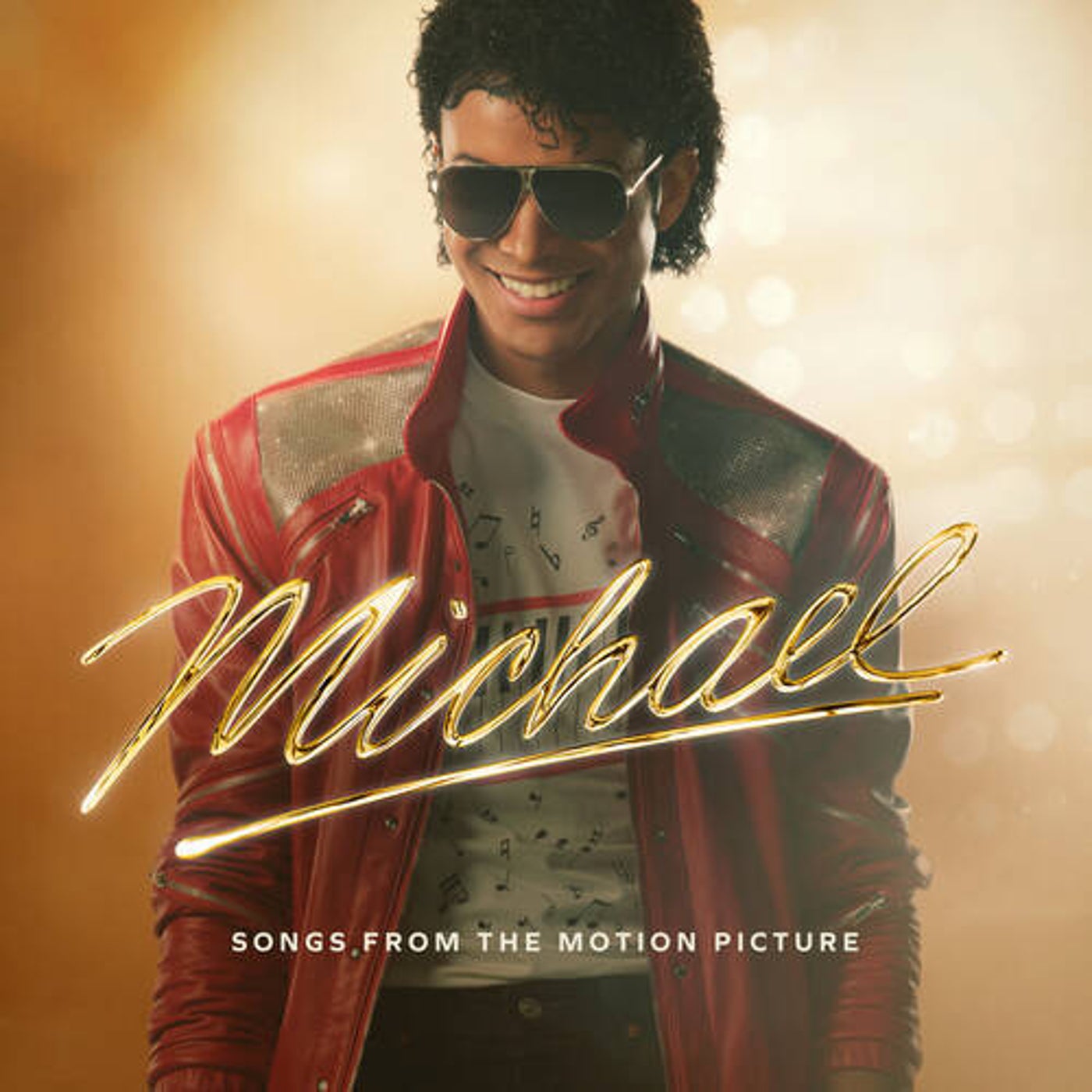
Posthumous albums such as Michael (2010) and Xscape (2014) were produced by executive producer L.A. Reid, alongside contemporary producers including Timbaland, Rodney Jerkins, Stargate, John McClain, and Giorgio Tuinfort, who updated Jackson's original vocal demos with modern backing tracks.
Next Actions for Producers and Music Historians
To gain a deeper understanding of the production methods used in Michael Jackson's catalog, explore these specialized technical resources:
- Study Analog-to-Digital Recording Techniques: Examine Bruce Swedien’s published engineering guides (such as In the Studio with Michael Jackson) to understand micro-placement, stereo pair tracking, and natural acoustic reflections.
- Analyze Vocal Arrangement Layering: Deconstruct multi-track stems of songs like "Billie Jean" or "Scream" to study how vocal percussion, harmony stacks, and beatboxing were integrated into the primary mix.
- Compare Production Eras: Contrast the live rhythm section arrangements of Off the Wall (1979) with the digital Synclavier sequencing of Bad (1987) and the quantized drum programming of Dangerous (1991) to understand the modern evolution of pop audio production.
Image Gallery