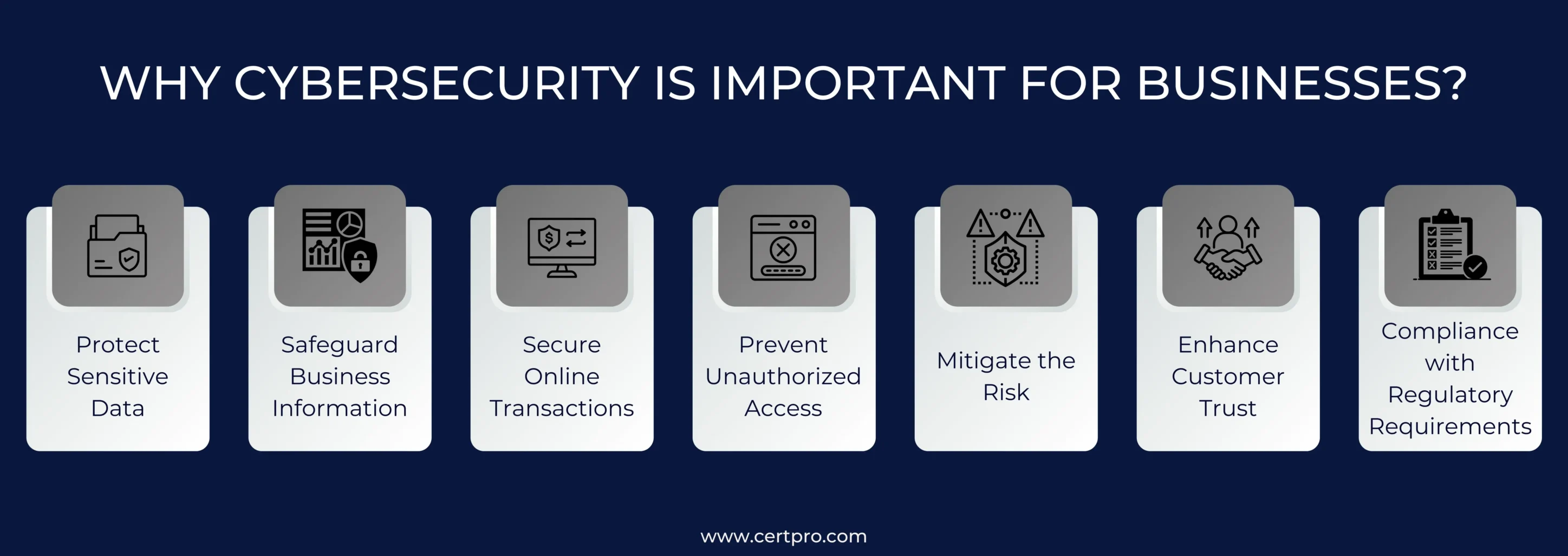
Why the Cloud Security Fundamentals PPT Matters for Your Business
A cloud security fundamentals PowerPoint presentation matters for your business because it translates complex technical protocols into clear, digestible concepts that align non-technical executives, IT personnel, and frontline employee...
A cloud security fundamentals PowerPoint presentation matters for your business because it translates complex technical protocols into clear, digestible concepts that align non-technical executives, IT personnel, and frontline employees around essential data-protection standards. Without a structured visual framework, organizations often struggle to communicate risk, secure internal buy-in, and enforce uniform compliance mandates across modern distributed work environments.
Contents
Navigating the transition from legacy on-premises architecture to multi-cloud or hybrid environments introduces significant operational shifts. While enterprise leadership often focuses on the financial flexibility and scalability of cloud computing, security teams must contend with a rapidly expanding attack surface. Misconfigurations, improper access controls, and decentralized data storage represent major threats to corporate continuity.
To bridge the gap between high-level business strategy and technical execution, organizations increasingly rely on specialized training decks. Understanding why a structured cloud security fundamentals presentation is vital for organizational resilience requires examining how it shapes internal culture, streamlines onboarding, and reinforces regulatory posture.
The Strategic Role of Cloud Security Training in Modern Organizations
Cloud security is no longer just an IT concern; it is a core corporate governance requirement. When executives view cybersecurity exclusively as a technical problem delegated to a server room, accountability gaps emerge. A well-designed presentation on cloud security fundamentals serves as an equalizer, ensuring that board members, department heads, and software developers share a unified understanding of risk management.
Organizations face sophisticated cyber threats that target human behavior as frequently as they target software vulnerabilities. Phishing attacks, credential theft, and accidental data exposure often stem from a lack of foundational awareness among general staff. By standardizing educational materials into a concise slide deck, businesses can repeatedly reinforce core safety protocols without requiring every employee to hold an advanced engineering degree.
Furthermore, insurance underwriters, regulatory bodies, and enterprise clients routinely demand proof of ongoing security awareness training. Utilizing standardized presentations enables organizations to document their educational efforts, demonstrating due diligence during audits and compliance reviews.
Core Components of an Effective Cloud Security Fundamentals Slide Deck
To deliver measurable value, a comprehensive presentation must move beyond generic warnings and address specific technical and operational pillars. A rigorous training deck typically covers several foundational domains.
1. The Shared Responsibility Model
One of the most critical concepts in cloud computing is the Shared Responsibility Model, defined distinctively by providers such as Amazon Web Services (AWS), Microsoft Azure, and Google Cloud Platform (GCP). The presentation must clearly delineate what the cloud provider secures (security of the cloud, including physical data centers, hardware, and core networking infrastructure) versus what the customer secures (security in the cloud, including data classification, identity management, operating system updates, and application configurations).
2. Identity and Access Management (IAM)
Data breaches frequently occur due to compromised credentials or excessively permissive user privileges. A foundational deck should explain the principles of Least Privilege (PoLP), Multi-Factor Authentication (MFA), and Role-Based Access Control (RBAC). Employees must understand why sharing passwords or bypassing verification controls creates severe organizational vulnerabilities.
3. Data Encryption and Privacy Standards
Data must be protected both at rest (stored in databases, object storage, or backup archives) and in transit (moving across internal networks or the public internet). The presentation should outline encryption standards, key management lifecycles, and the importance of data sovereignty regulations such as the General Data Protection Regulation (GDPR) or the California Consumer Privacy Act (CCPA).
Comparing Training Formats: PPT vs. Interactive Modules vs. Documentation
Organizations often debate the best medium for delivering security awareness content. While interactive e-learning modules and dense technical manuals have their place, PowerPoint decks offer distinct operational advantages.
| Format | Primary Benefit | Potential Drawback | Best Use Case |
|---|---|---|---|
| PowerPoint Presentation (PPT) | Highly customizable, excellent for live interactive discussion, easy to update. | Passive if presented poorly; lacks automated tracking without an LMS. | Board meetings, live workshops, team syncs, and executive briefings. |
| Interactive E-Learning Modules | Self-paced, automated completion tracking, gamified engagement. | Expensive to update or modify; rigid linear progression. | Large-scale annual compliance training for remote staff. |
| Technical Documentation / Wikis | Comprehensive, highly detailed, useful for engineers. | Dense and intimidating for non-technical stakeholders; low engagement. | Internal developer wikis, engineering onboarding guides. |
The flexibility of a slide deck allows presenters to pause, answer questions specific to current company infrastructure, and adapt the narrative to emerging threat landscapes without waiting for expensive software development cycles.
Bridging the Gap Between Technical Teams and Executive Leadership
Miscommunication between technical specialists and executive decision-makers is a primary driver of enterprise security failures. Engineers often speak in terms of ports, protocols, and vulnerabilities, while executives think in terms of capital allocation, brand reputation, and regulatory fines.
A cloud security fundamentals presentation acts as a translator between these two worlds. By utilizing clean data visualizations, risk heat maps, and high-level architectural diagrams, a good deck helps technical teams justify budget requests for advanced monitoring tools or auditing services. Simultaneously, it provides leadership with the transparent insights necessary to make informed risk-appetite decisions.
- For Executives: The focus centers on business continuity, liability reduction, financial impact, and compliance mandates.
- For IT & Engineering: The focus shifts to operational guardrails, automated patching, incident response workflows, and deployment pipelines.
- For General Staff: The emphasis rests on daily operational hygiene, recognizing social engineering attempts, and safe data handling practices.
Common Mistakes When Deploying Security Training Presentations
Even with well-designed presentation materials, organizations frequently stumble during execution. Avoiding common pitfalls ensures that the training achieves its intended purpose.
Overloading Slides with Technical Jargon
A common error is cramming code snippets, network topologies, and exhaustive compliance checklists onto every slide. When non-technical stakeholders cannot parse the information, engagement drops, and the core risk message is lost. Presentations should reserve deep technical specs for appendices, keeping primary slides focused on concepts and business impact.
Treating Training as a One-Time Event
Cybersecurity is an evolving discipline. Threats change, software updates introduce new dependencies, and organizational topologies shift. Deploying a presentation once during annual onboarding and never revisiting the material leaves organizations vulnerable to novel attack vectors.
Failing to Enforce Accountability
A presentation is only as valuable as the behavioral changes it inspires. If leadership does not verify comprehension or tie security protocols to daily operational workflows, employees will view the training as an administrative checkbox rather than a critical business requirement.
Frequently Asked Questions
What is the primary purpose of a cloud security fundamentals PPT?
The primary purpose is to educate cross-functional stakeholders on core cloud risk management principles, the shared responsibility model, and essential data protection practices using a standardized, visually accessible format.
Do I need technical programming experience to understand a cloud security fundamentals deck?
No. High-quality foundational presentations are designed for mixed audiences, explaining concepts in business and operational terms rather than requiring deep software engineering knowledge.
How often should an organization update its cloud security training materials?
Training decks should be reviewed at least annually, or immediately following major shifts in cloud architecture, regulatory updates, or significant incidents within the industry.
Can a generic slide deck replace customized security policies?
No. While a public or pre-made deck provides an excellent educational baseline, organizations must customize their training to reflect their specific cloud service providers, internal compliance frameworks, and corporate policies.
How does the Shared Responsibility Model affect business liability?
It defines the division of security duties. While cloud providers secure the underlying hardware and global infrastructure, the business remains entirely responsible for securing its stored data, user credentials, and application configurations.
Next Actions for Your Business
To maximize the value of your educational initiatives, begin by auditing your current communication channels. Assess whether your executive team, IT engineers, and general employees share a unified understanding of your organization's cloud risk profile.
If gaps exist, acquire or develop a standardized cloud security fundamentals presentation tailored to your specific tech stack. Schedule regular review sessions across departments, integrate foundational security hygiene into your onboarding pipeline, and ensure that accountability metrics are embedded into your daily operational workflows.
Image Gallery