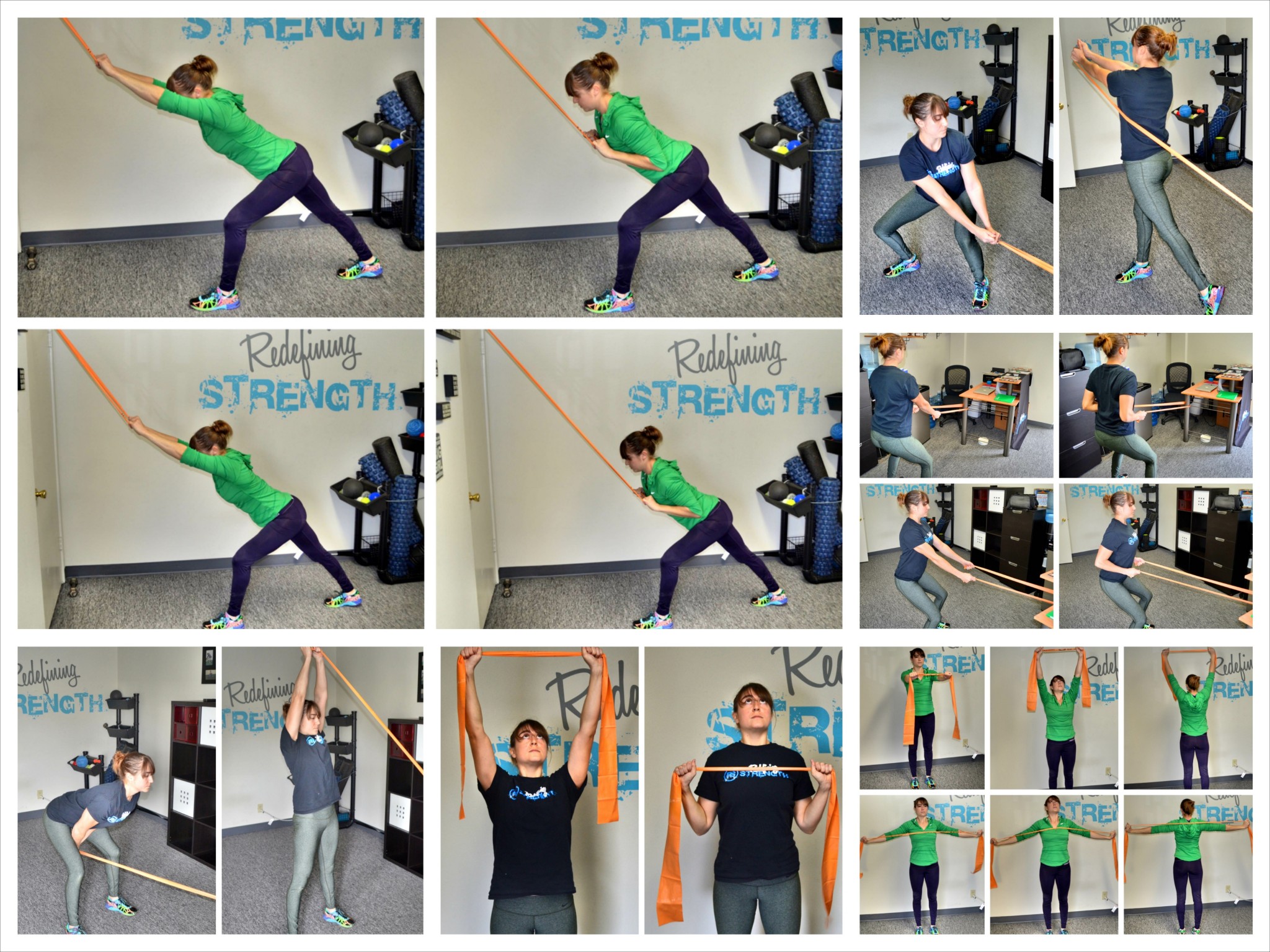
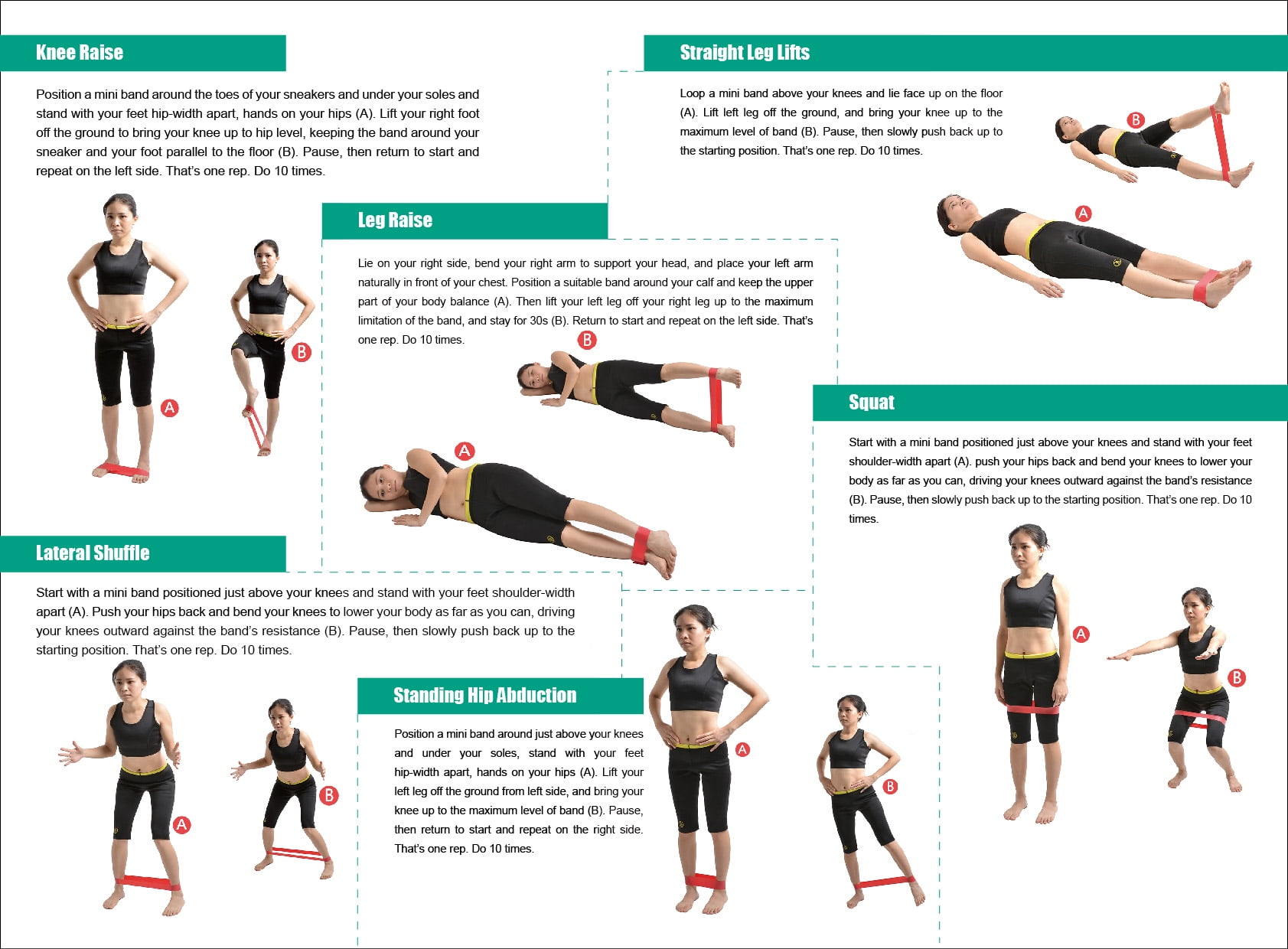
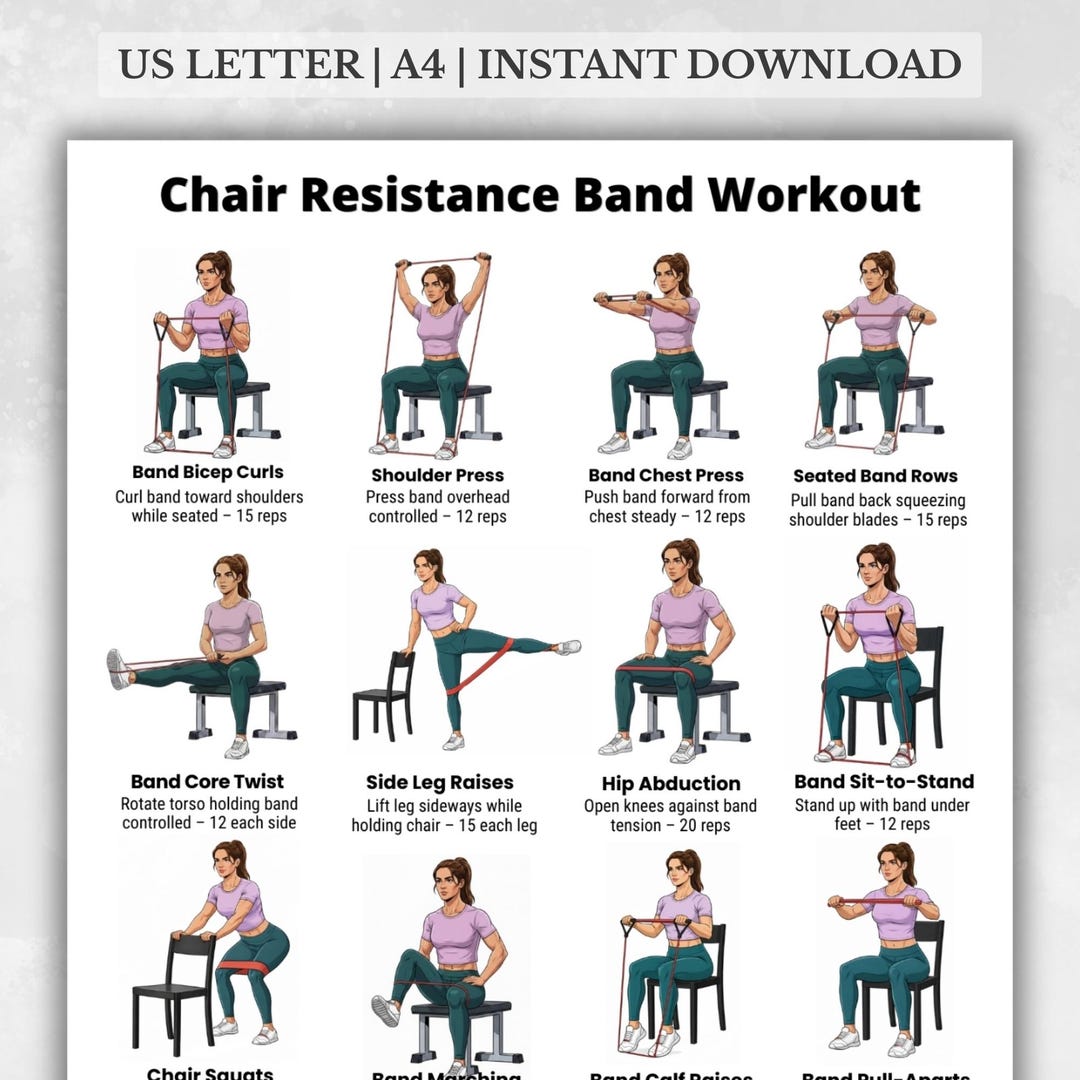
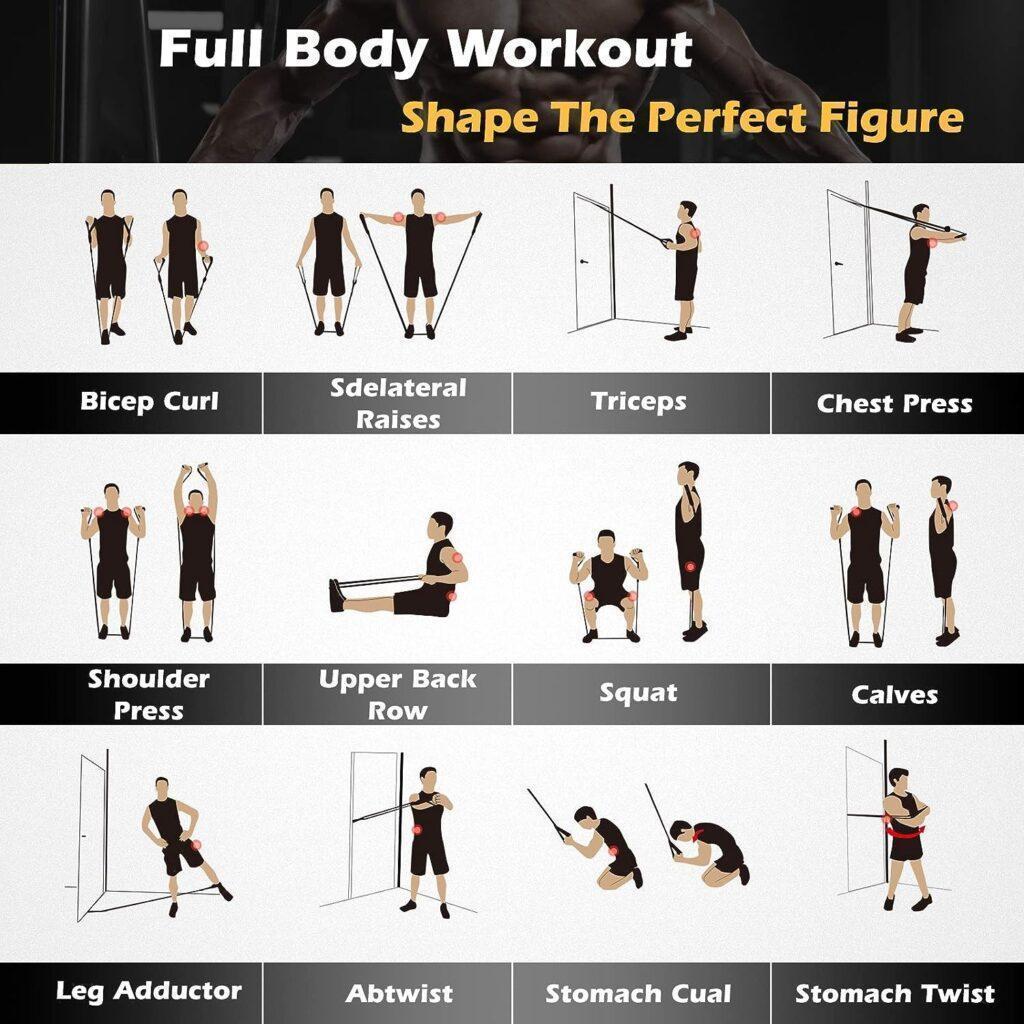
How to Use the Elastic Band Exercises PDF for Maximum Results
To use an elastic band exercises PDF effectively, download the document to a portable device like a tablet or smartphone for easy reference during your workout. Review the exercise descriptions and visual diagrams to ensure proper form...
To use an elastic band exercises PDF effectively, download the document to a portable device like a tablet or smartphone for easy reference during your workout. Review the exercise descriptions and visual diagrams to ensure proper form, select the appropriate resistance level for your current fitness status, and follow the prescribed sets and repetitions to achieve your strength or rehabilitation goals safely.
Contents
The rise of home fitness and digital coaching has made the "elastic band exercises PDF" one of the most sought-after resources for individuals looking to build muscle, improve flexibility, or recover from injury. Unlike static books, a digital PDF guide offers the portability of a smartphone app with the detailed, structured approach of a professional training manual. In 2026, these guides have evolved to include interactive elements, hyperlinked video demonstrations, and customizable workout templates that cater to a wide range of fitness levels.
Understanding the Value of a Digital Exercise Guide
An elastic band exercises PDF serves as a comprehensive visual and textual roadmap. Unlike a random collection of video clips, a PDF provides a structured progression that allows you to see the entire workout at a glance. This is particularly beneficial for maintaining the "flow" of a workout, as you do not need to wait for a video to buffer or sit through long introductions.
Most professional-grade PDFs are divided into specific sections: a warm-up phase, the core exercise block, and a cool-down or stretching sequence. They also categorize exercises by muscle groups—such as upper body, lower body, and core—or by functional goals like "posture correction" or "glute activation." Understanding how your specific PDF is organized is the first step toward using it effectively.
Digital vs. Physical Access
While many users prefer to keep the PDF on a tablet or laptop positioned at eye level during their workout, others find value in printing the document. A physical copy allows for handwritten notes, such as tracking the number of repetitions completed or the specific color of the band used for a set. If you are using a digital version in 2026, ensure your PDF reader supports "Annotation" features, which allow you to digitally log your progress directly onto the file.
Essential Prerequisites Before You Start
Before opening your PDF and beginning the first rep, you must ensure you have the correct equipment. "Elastic bands" is a broad term that covers several distinct types of resistance tools. Using the wrong band for an exercise listed in your PDF can lead to ineffective training or, in some cases, injury.
Types of Resistance Bands
The PDF you are following will likely specify which type of band is required for each movement. The most common varieties include:
- Therapy Bands (Flat Latex Sheets): These are long, thin, and handle-free. They are primarily used in physical therapy and for upper-body flexibility.
- Mini-Loops (Glute Bands): Short, continuous loops usually placed around the thighs or ankles. They are the gold standard for lower-body activation.
- Tube Bands with Handles: These mimic gym cables and are excellent for rows, presses, and bicep curls.
- Power Loops (Pull-up Assist Bands): Heavy-duty, long loops used for full-body strength training and assisting with bodyweight exercises like pull-ups.
Resistance Levels and Color Coding
Most PDFs refer to resistance levels by color, but it is important to note that color-coding is not standardized across all manufacturers. Generally, lighter colors (yellow, red) indicate lower resistance, while darker colors (blue, black, silver) indicate higher resistance. Always check the tension rating (usually measured in pounds or kilograms) provided by your band's manufacturer against the recommendations in your PDF.
| Band Type | Primary Use Case | Resistance Range (Approx.) | Target Audience |
|---|---|---|---|
| Therapy Bands | Rehabilitation & Stretching | 2–10 lbs | Beginners / Recovery |
| Mini-Loops | Lower Body Activation | 5–50 lbs | All Fitness Levels |
| Tube Bands | Hypertrophy & Strength | 10–100 lbs | Intermediate |
| Power Loops | Compound Movements | 25–150+ lbs | Advanced / Athletes |
Step-by-Step Guide to Executing the PDF Workout
Successfully using your elastic band exercises PDF involves more than just mimicking the pictures. You must apply the principles of resistance training to ensure the "elasticity" of the bands is working in your favor.
Step 1: Document Review and Safety Check
Before your session, scroll through the PDF to identify any exercises that require an "anchor point," such as a door or a sturdy pole. Ensure your equipment is in peak condition. Resistance bands are subject to "micro-tears." Hold the band up to a light source and stretch it slightly; if you see any small nicks or discoloration, discard the band immediately. A band snapping under tension can cause significant injury.
Step 2: Setting Up Your Digital Workspace
Position your device (phone, tablet, or laptop) so it is easily visible from both a standing and floor position. Many modern fitness PDFs include QR codes next to the exercise names. In 2026, most smartphone cameras can scan these directly from the screen to launch a 10-second form-check video. Use these features if you are unsure about the range of motion.
Step 3: Mastering the "Time Under Tension"
The PDF will usually list a number of repetitions (e.g., 3 sets of 12 reps). However, with elastic bands, the quality of the rep is determined by the "tension curve." Unlike free weights, where the resistance is constant, elastic resistance increases as the band stretches. To use the PDF correctly, focus on a slow eccentric phase (the return to the starting position). If the PDF says "12 reps," aim for a 2-second stretch and a 3-second return.
Step 4: Tracking Progression
Progressive overload is the key to fitness. If you find that the exercises in the PDF are becoming too easy, you do not necessarily need a new PDF. Instead, you can:
- Use a heavier color band.
- Shorten the "slack" on the band to increase starting tension.
- Combine two bands together for added resistance.
- Decrease the rest intervals between the sets listed in the document.
Common Exercises Found in Resistance Band PDFs
While every guide varies, most comprehensive PDFs will include variations of the following foundational movements. Understanding the mechanics of these will help you interpret the diagrams in your PDF more accurately.
Upper Body: The Banded Row
Used for back strength and posture. The PDF will likely show a seated or standing position with the band looped around the feet or a door anchor. The key is to keep the shoulders down and retracted, pulling the elbows back until they pass the torso.
Lower Body: The Monster Walk
Typically performed with a mini-loop around the ankles or above the knees. This exercise targets the gluteus medius. Your PDF will emphasize keeping a slight bend in the knees and maintaining "constant tension" on the band—meaning your feet should never come so close together that the band becomes move or saggy.
Core: The Pallof Press
This is an anti-rotation exercise. You anchor the band to the side and press it straight out in front of your chest. The goal is to resist the band's attempt to pull your torso toward the anchor point. This is often highlighted in PDFs focused on functional core stability.
Technical Guidelines and Safety Precautions
When following a PDF-based routine, you are essentially your own coach. This requires a high level of attention to safety protocols.
- Avoid Overstretching: Most latex and TPE (Thermoplastic Elastomer) bands should not be stretched more than 2.5 to 3 times their original length. Stretching beyond this point significantly increases the risk of the band snapping.
- Footwear Matters: If your PDF shows exercises where you stand on the band (like bicep curls or overhead presses), wear athletic shoes with a solid grip. Bare feet or socks can allow the band to slip, which can result in the band snapping upward toward the face.
- Consultation: This guide and any associated exercise PDF are for informational purposes. Before beginning any new exercise program, especially one involving resistance training, consult with a healthcare professional or a certified physical therapist to ensure the movements are appropriate for your physical condition.
Troubleshooting Common PDF and Band Issues
The PDF won't open or displays incorrectly: Ensure you are using an updated PDF reader such as Adobe Acrobat or a built-in browser viewer. If the text is overlapping, the file may be corrupted; try re-downloading the source file.
The band keeps sliding up my legs: This is common with thin latex mini-loops. In 2026, many users have switched to "fabric resistance bands," which have internal rubber stripping to prevent sliding. If your PDF routine involves heavy lower-body work, consider upgrading to fabric loops.
I don't feel the "burn" mentioned in the PDF: You likely have too much slack in the band. Move your hands closer to the anchor point or further down the band to increase the baseline tension.
Frequently Asked Questions
Can I use an elastic band exercises PDF for weight loss?
Yes, but it should be part of a holistic approach. While resistance bands build muscle—which increases your resting metabolic rate—weight loss is primarily driven by a caloric deficit. Using the PDF to perform high-intensity interval training (HIIT) with bands can increase your caloric expenditure during the workout.
How often should I follow the routine in the PDF?
For most individuals, performing the resistance routine 3 to 4 times per week is ideal. This allows for 48 hours of recovery between sessions targeting the same muscle groups, which is essential for muscle repair and growth.
Are PDF guides as effective as personal trainers?
PDFs provide the "what" and the "how," but they lack the "feedback" of a live trainer. To bridge this gap, record yourself performing the movements shown in the PDF and compare your video to the diagrams to ensure your form is correct.
What if my PDF doesn't specify the number of sets?
If the document is a general guide, a standard starting point is 2 to 3 sets of 10 to 15 repetitions. Focus on reaching "form fatigue," where you can no longer perform a rep with perfect technique, rather than just hitting a specific number.
Can I follow these exercises if I have joint pain?
Resistance bands are often preferred for those with joint issues because they don't have the "inertia" of heavy weights. However, if any movement in the PDF causes sharp pain, stop immediately and consult a professional.
Final Recommendations
To get the most out of your elastic band exercises PDF, consistency is more important than intensity. Start by mastering the movements with the lightest band possible to establish a strong mind-muscle connection. As your coordination improves, use the PDF’s tracking sections to systematically increase your resistance. By combining the portability of a digital guide with the versatile power of resistance bands, you can maintain a professional-grade fitness routine anywhere, from your living room to a hotel room.
Image Gallery