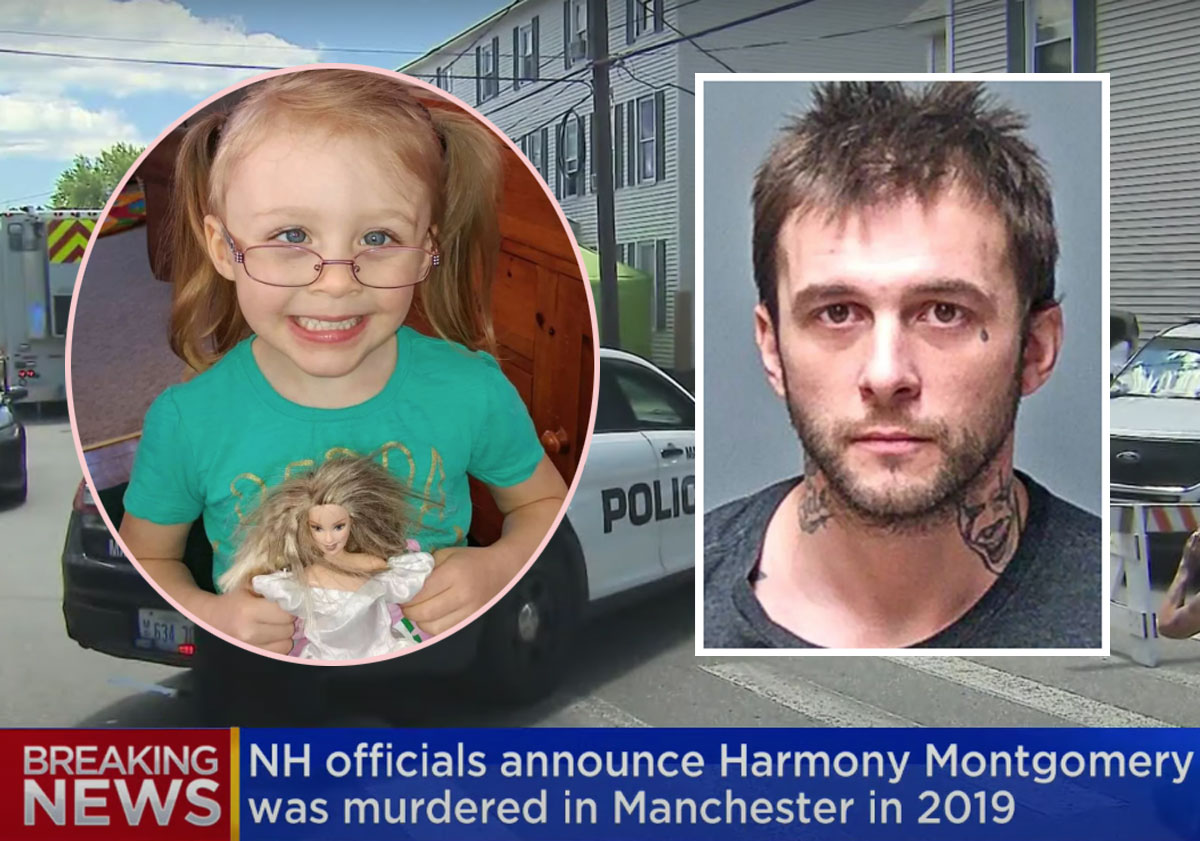
Understanding the Harmony Montgomery Brother Story: A Journey of Separation and Advocacy
The story of Harmony Montgomery’s brother, Jamison, is a narrative of two starkly different paths within the American foster care system. While Harmony was tragically murdered after being placed in the custody of her biological father,...
The story of Harmony Montgomery’s brother, Jamison, is a narrative of two starkly different paths within the American foster care system. While Harmony was tragically murdered after being placed in the custody of her biological father, Jamison was adopted by a loving family who spent years fighting to reunite the siblings, highlighting massive systemic failures in child protection.
Contents
The Bond Between Harmony and Jamison
To understand the story of Harmony Montgomery's brother, one must first look at their early years spent together in the Massachusetts foster care system. Born to Crystal Sorey and different fathers, Harmony and Jamison shared a profound bond forged in the uncertainty of state care. For several years, they were placed in the same foster homes, providing one another with the only sense of stability they knew.
Social workers and former foster parents often noted that Harmony, the elder sibling, was fiercely protective of Jamison. Because of her visual impairments—she was blind in one eye due to a medical condition—she often relied on her other senses and her emotional connection to her brother to navigate her environment. This bond is central to the tragedy; it was the forced severance of this relationship that later became a focal point for child welfare advocates and the media.
By 2018, the siblings reached a crossroads. Jamison was cleared for adoption, while Harmony’s biological father, Adam Montgomery, began a legal campaign to gain custody of his daughter. This divergence would ultimately lead to two very different lives: one characterized by safety and advocacy, and the other by abuse and a tragic end.
The Adoption of Jamison Funk and the Miller Family
In 2019, Jamison was adopted by Blair and Jonathan Miller, a couple living in the Washington D.C. area. The Millers, who were already experienced in the foster-to-adopt process, immediately recognized the importance of Jamison’s relationship with Harmony. Upon finalizing the adoption, they made it their mission to ensure Jamison remained connected to his "big sister."
The Millers reached out to Harmony’s biological father, Adam Montgomery, and his wife, Kayla Montgomery, offering to facilitate visits or video calls. For a brief period, there was some communication, but it was quickly curtailed by Adam. The Millers’ persistence in trying to contact Harmony was one of the primary reasons the world eventually learned she was missing. They noticed that as months turned into years, the excuses from Adam became more evasive, eventually leading to a total blackout of information.
As of 2026, Jamison remains with the Millers, who have been transparent about his history while protecting his privacy as he grows. They have utilized their platform to advocate for foster care reform, ensuring that Jamison’s story serves as a catalyst for protecting other children in similar positions.
Systemic Failures and the Jurisdictional Gap
A critical component of understanding the "brother story" involves analyzing how the system allowed the siblings to be treated so differently. Harmony’s case fell through the cracks of a jurisdictional gap between Massachusetts and New Hampshire.
In February 2019, a Massachusetts judge granted legal custody of Harmony to Adam Montgomery, who was living in Manchester, New Hampshire. This decision was made despite Adam’s extensive criminal history and the fact that no home study had been conducted by New Hampshire’s Division for Children, Youth and Families (DCYF). The Interstate Compact on the Placement of Children (ICPC), a statutory agreement between states that governs the placement of children across state lines, was reportedly bypassed.
While Jamison was being integrated into a stable home under the watchful eye of the Massachusetts Department of Children and Families (DCF), Harmony was sent to a home that had never been vetted. The lack of communication between the two state agencies meant that while one child was thriving, the other was in immediate peril. This "tale of two systems" remains one of the most cited examples of bureaucratic negligence in modern child welfare history.
The 2024 Trial and the Harsh Reality
The details of what happened to Harmony after she was separated from Jamison were revealed during the 2024 trial of Adam Montgomery. It was determined that Harmony was murdered in December 2019, only months after Adam gained custody. The prosecution presented evidence that Adam killed the five-year-old in a fit of rage and subsequently spent months moving and hiding her remains.
For the Miller family and Jamison, the trial provided a devastating conclusion to years of searching. The trial also highlighted the role of Kayla Montgomery, Harmony's stepmother, who testified against Adam as part of a plea deal. The proceedings confirmed that while the Millers were sending letters and gifts to Harmony, she had already passed away—a fact that Adam and Kayla concealed from the family and the state for over two years.
Comparison of Sibling Outcomes and Systemic Oversight
The following table illustrates the divergence in the treatment and oversight of the two siblings during the critical period of 2018–2021.
| Feature | Harmony Montgomery | Jamison (Brother) |
|---|---|---|
| Primary Caregiver | Adam Montgomery (Biological Father) | Blair & Jonathan Miller (Adoptive Parents) |
| State Oversight | New Hampshire (Minimal/Unvetted) | Massachusetts (Rigorous/Pre-Adoption) |
| Home Study | Not Conducted | Successfully Completed |
| Safety Status | High Risk / Resulted in Fatality | Secure and Thriving |
| Communication | Blocked by Biological Father | Openly Sought by Adoptive Parents |
| Legal Outcome | Deceased (Dec 2019) | Legally Adopted (2019) |
Legislative Impact: "Harmony’s Law" and Child Welfare Reform
By 2026, the legacy of Harmony and her separation from her brother has resulted in significant legislative changes, collectively often referred to as "Harmony’s Law." These reforms focus on prioritizing the safety and well-being of the child over the rights of biological parents who have a history of violence or neglect.
Key aspects of these reforms include:
- Mandatory Home Studies: Closing the loophole that allowed Harmony to be moved to New Hampshire without a vetted environment.
- Sibling Rights: New protocols that require state agencies to facilitate and document sibling visits, even when one sibling is adopted and the other remains in state care or with a biological parent.
- The ICPC Overhaul: Increased accountability for judges who bypass the Interstate Compact on the Placement of Children, ensuring that no child is moved across state lines without multi-state approval.
These laws are designed to ensure that the tragedy of Harmony—and the painful separation from Jamison—is never repeated. Advocates argue that if these laws had been in place in 2019, the Millers would have had a legal right to see Harmony, which likely would have alerted authorities to her disappearance much sooner.
Jamison’s Life and Advocacy in 2026
As of 2026, Jamison is a young boy who is fully aware of his sister's story in an age-appropriate way. The Millers have documented their journey through social media and public speaking, focusing on the importance of "sibling connections" in the foster care system. They have emphasized that while they cannot bring Harmony back, they can ensure that Jamison grows up knowing he was loved by her and that his family fought for her.
The story of the Montgomery siblings has become a cornerstone of true crime education and social work training. It serves as a case study in how the "best interests of the child" standard can be failed by administrative technicalities. Jamison’s presence in a loving, vocal family has kept Harmony’s name in the public consciousness, ensuring that her death was not in vain but a catalyst for systemic change.
FAQs
Who is Jamison Funk in the Harmony Montgomery story?
Jamison Funk (now Jamison Miller) is the younger biological brother of Harmony Montgomery. The two were in foster care together in Massachusetts before Jamison was adopted by Blair and Jonathan Miller in 2019. His adoptive parents became central figures in the search for Harmony when they realized they were being blocked from contacting her.
Why were Harmony and her brother separated?
They were separated because the foster care system processed their cases differently. Jamison was cleared for adoption, while Harmony’s biological father, Adam Montgomery, successfully petitioned for custody of her. This split the siblings between a highly vetted adoptive home and an unvetted biological home.
What happened to the parents of Harmony and Jamison?
Adam Montgomery was convicted in 2024 of second-degree murder and other charges related to Harmony's death, receiving a sentence of 45 years to life. Crystal Sorey, their biological mother, lost custody due to substance abuse issues but spent years trying to find Harmony. Kayla Montgomery, the stepmother, served time for perjury and cooperated with the prosecution.
How did Jamison’s adoptive parents help the case?
Blair and Jonathan Miller were among the first to sound the alarm. Their consistent attempts to arrange sibling visits were met with excuses from Adam Montgomery, leading them to contact social services and eventually the media, which brought national attention to Harmony's disappearance.
Is Harmony's body ever found?
As of 2026, Harmony Montgomery’s remains have not been recovered. During the 2024 trial, it was revealed that Adam Montgomery disposed of her body in multiple locations, making recovery extremely difficult for investigators.
What is "Harmony's Law"?
"Harmony's Law" refers to various legislative efforts in New Hampshire and Massachusetts aimed at reforming the child welfare system. These laws prioritize a child’s safety over parental rights and mandate stricter oversight when children are moved across state lines between biological parents and foster care systems.
Practical Recommendations for Child Advocacy
For those looking to support child welfare and prevent similar tragedies, consider the following actions:
- Support Sibling Connection Legislation: Advocate for state laws that mandate sibling visitation rights for children in foster care.
- Volunteer as a CASA: Court Appointed Special Advocates (CASA) are volunteers who look out for the best interests of children in the foster system and can provide the oversight that was missing in Harmony's case.
- Educate on ICPC Rules: If you are a foster or adoptive parent, ensure you understand the Interstate Compact on the Placement of Children rules to ensure legal protections remain in place during interstate moves.
Image Gallery