The 1976 Johnson 70 HP Outboard Motor: Specifications, History, and Maintenance Guide
The 1976 Johnson 70 HP outboard motor is a classic three-cylinder, two-stroke marine engine manufactured by Outboard Marine Corporation (OMC). Renowned for its mechanical simplicity, robust mid-range power, and reliable loop-charged de...
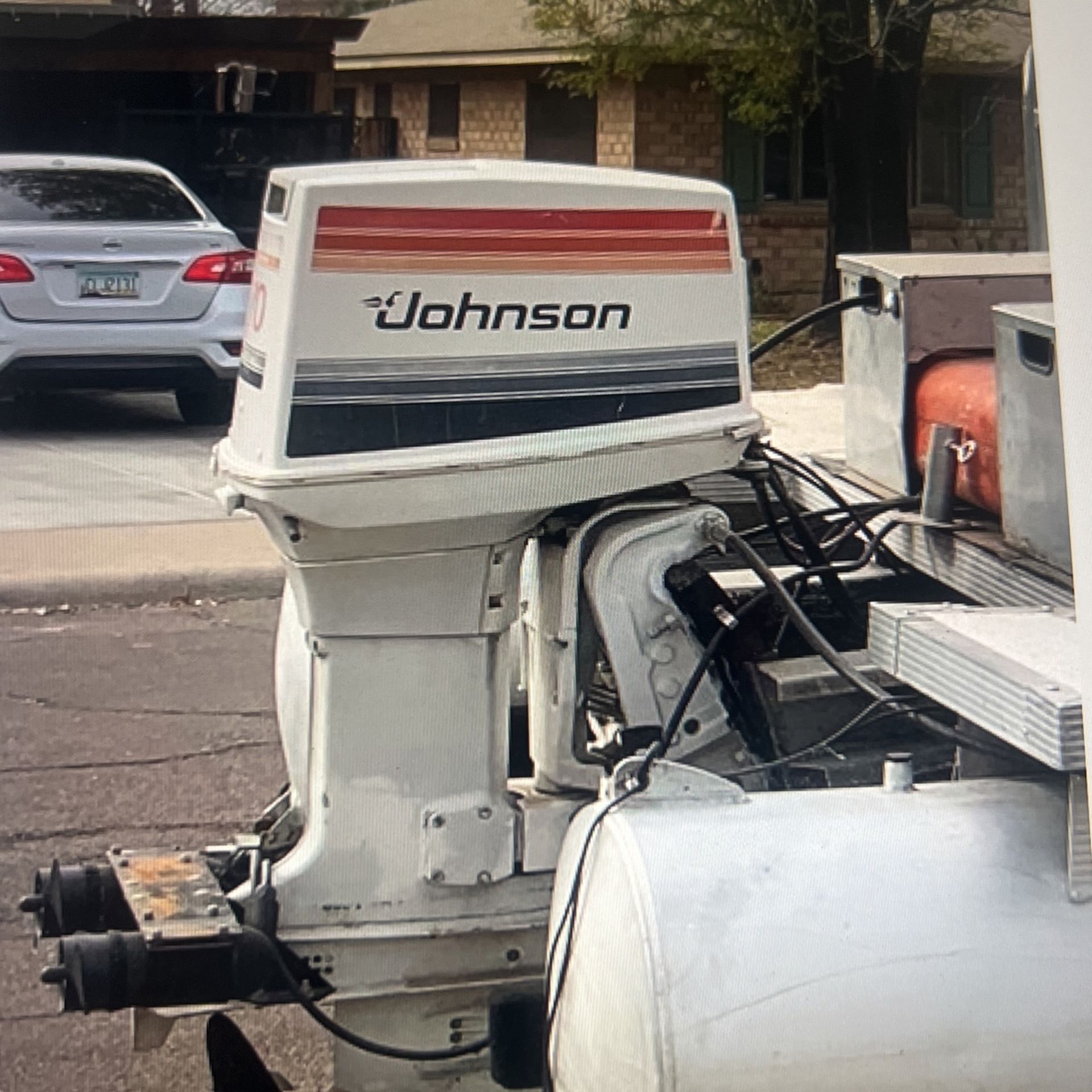
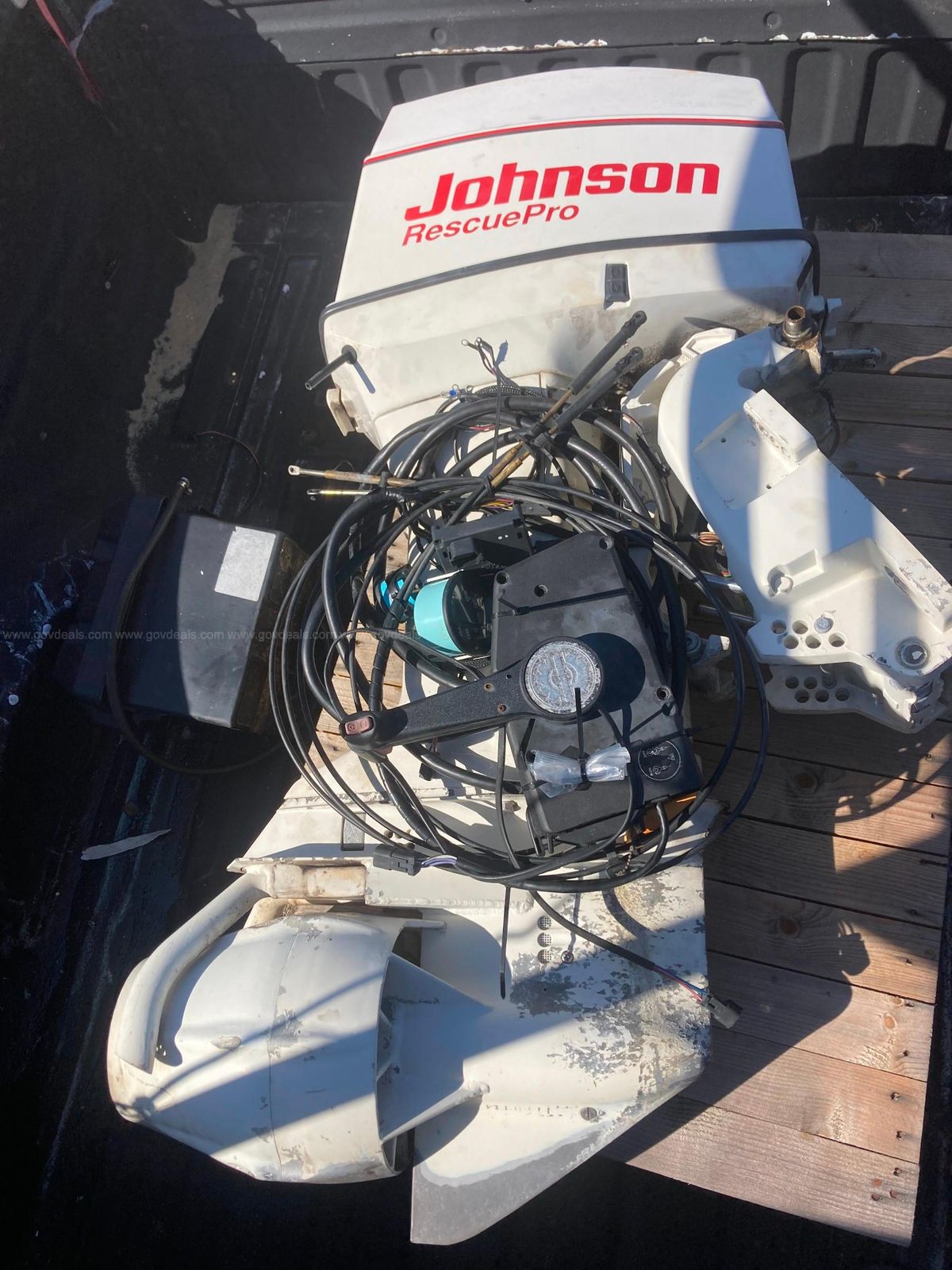
The 1976 Johnson 70 HP outboard motor is a classic three-cylinder, two-stroke marine engine manufactured by Outboard Marine Corporation (OMC). Renowned for its mechanical simplicity, robust mid-range power, and reliable loop-charged design, this vintage outboard remains a popular choice for restoring vintage fiberglass boat hulls and maintaining older fishing skiffs.
Contents
Historical Context and Legacy of the 1976 Johnson 70 HP
During the mid-1970s, the marine propulsion market experienced a significant shift toward higher horsepower, lighter weight, and improved fuel efficiency. The mid-range outboard segment, specifically engines ranging from 50 to 85 horsepower, served as the power source of choice for the era’s burgeoning market of recreational fiberglass runabouts, tri-hulls, and center-console fishing boats.
Outboard Marine Corporation, parent company to both Johnson and Evinrude, held a dominant market share during this period. The 1970s models represented a mature phase of two-stroke engineering. They benefited from decades of refinement following the introduction of alternate firing orders and improved carburetion.
The 70-horsepower model filled a vital niche. It provided enough thrust to plane out heavily loaded family boats while maintaining a powerhead weight that smaller transom designs could safely support. Unlike the bulky inline-four or V4 powerheads of higher output classes, the three-cylinder architecture of the 70 HP Johnson struck an optimal balance between displacement, physical footprint, and mechanical complexity.
Core Technical Specifications
Understanding the technical foundation of the 1976 Johnson 70 HP outboard motor is essential for proper identification, sourcing replacement parts, and executing repairs. OMC engineered this engine with specific tolerances and operating parameters designed for raw durability on freshwater and saltwater environments.
| Specification Category | Technical Detail |
|---|---|
| Engine Type | Two-stroke, inline 3-cylinder |
| Horsepower Rating | 70 HP at 5,000 RPM |
| Displacement | 49.7 cubic inches (814 cc) |
| Bore and Stroke | 3.000 in × 2.344 in (76.2 mm × 59.5 mm) |
| Fuel Induction | 3 fixed-jet carburetion (one per cylinder) |
| Ignition System | Capacitor Discharge Ignition (CDI) / Energy-Transfer (Sling-shot type) |
| Lubrication System | Pre-mix fuel and oil (50:1 ratio) |
| Cooling System | Thermostatically controlled water pump |
| Starting System | Electric start with manual choke |
| Weight | Approximately 232 lbs (105 kg) for standard manual/electric tilt models |
Key Mechanical Systems and Features
The architecture of the 1976 Johnson 70 HP relies on several distinct engineering systems that defined outboard design for a generation.
Loop-Charged Combustion
Unlike older cross-flow designs that relied on a deflector-head piston, the loop-charged system utilized a flat-top piston and precisely angled transfer ports. This directed the incoming fuel-air mixture in a looping pattern across the combustion chamber. The result was more thorough scavenging of exhaust gases, cleaner combustion, improved throttle response, and higher specific output per cubic inch.
Ignition and Electrical Architecture
The electrical system on the 1976 model utilizes an under-flywheel capacitor discharge ignition (CDI) system. This breakerless ignition design delivers a high-voltage spark independent of the boat's external battery voltage once the flywheel spins. However, original ignition components—such as power packs, sensor coils, and spark plug wires—are susceptible to insulation breakdown over decades of thermal cycling and exposure to marine moisture. Modern restorations frequently upgrade these components with aftermarket solid-state replacements to restore reliability.
Fuel Delivery and Carburetion
Fuel metering is handled by three individual float-type carburetors, each feeding a distinct cylinder. This multi-carburetor setup requires precise synchronization to ensure smooth idling and even power delivery across the RPM range. Small fixed high-speed jets inside these carburetors are notoriously sensitive to varnishing and phase-separated ethanol fuel, making regular cleaning and fuel filtration mandatory for reliable operation.
Routine Maintenance and Service Requirements
Keeping a vintage two-stroke operational requires adherence to strict maintenance intervals. Because these engines lack onboard computers, the operator must act as the diagnostic system.
Fuel-to-Oil Ratio and Lubrication
The 1976 Johnson 70 HP requires a strict 50:1 fuel-to-oil mix using a TC-W3 certified two-stroke marine engine oil. Running older engines on modern ethanol-blended fuels (E10 or higher) can cause phase separation, pulling moisture into the fuel system and damaging rubber fuel lines, fuel pump diaphragms, and carburetor float bowls. Using a dedicated fuel stabilizer and running non-ethanol fuel when available significantly extends the lifespan of the fuel system.
Cooling System Maintenance
The rubber water pump impeller located in the lower unit is the single most critical maintenance item. Impellers should be replaced every one to two seasons regardless of visual appearance. A degraded impeller will fail to circulate cooling water, leading to rapid overheating, warped cylinder heads, or scored cylinder walls. Always verify that a strong, consistent stream of water exits the cooling system tell-tale (indicator) port immediately upon startup.
Lower Unit Gear Oil
The gearcase houses the forward, neutral, and reverse pinions and bevel gears. Gear oil should be drained and replaced annually at the end of the boating season. Inspecting the drained oil for milky discoloration indicates water intrusion, which usually requires replacing the propeller shaft seals or O-rings.
Common Troubleshooting Scenarios
Even well-maintained vintage outboards encounter predictable failure points. Recognizing these symptoms helps isolate issues quickly.
- Engine Cranks But Will Not Start: Verify that the safety lanyard kill switch is engaged. Check for fuel delivery by pumping the primer bulb until firm. If the bulb remains soft, the fuel pump diaphragm may be ruptured. Check spark with an inline spark gap tester; absence of spark points to a failing power pack or stator.
- Rough Idling or Stalling at Low Speeds: This is typically caused by clogged idle circuits in one or more of the three carburetors. Removing, disassembling, and soaking the carburetor bodies in a dedicated solvent, followed by blowing out passages with compressed air, usually resolves the issue.
- Overheating at High RPMs: If the tell-tale stream sputters or stops when advancing the throttle, inspect the water pump impeller. If the impeller is intact, check the thermostat for salt crystal buildup or a stuck valve.
Advantages and Limitations
Evaluating whether to purchase, restore, or continue running a 1976 Johnson 70 HP requires balancing its historical strengths against modern engineering realities.
Pros
- Mechanical Simplicity: Can be diagnosed and repaired by a knowledgeable DIY mechanic without proprietary diagnostic software or specialized computer interfaces.
- Parts Availability: Due to the immense production volume of OMC three-cylinder outboards throughout the 1970s, 1980s, and 1990s, new-old-stock (NOS) and aftermarket replacement parts remain widely available.
- Power-to-Weight Ratio: At roughly 230 pounds, it is light enough to hang on the transoms of older, lighter hulls that would ride too low in the stern with a heavier modern four-stroke engine.
Cons
- Fuel and Oil Consumption: Two-stroke technology inherently consumes more fuel and burns oil compared to modern four-stroke outboards of equivalent horsepower.
- Emissions and Smoke: These engines produce noticeable exhaust smoke, particularly during cold starts and low-speed trolling, and do not meet modern environmental emission standards for restricted waterways.
- Aged Wiring: Original wiring harnesses feature harness insulation that becomes brittle and cracks over time, potentially causing intermittent electrical shorts.
Frequently Asked Questions
What fuel-to-oil ratio does the 1976 Johnson 70 HP use?
This motor requires a 50:1 fuel-to-oil mix ratio. This translates to one pint of TC-W3 marine two-stroke oil for every six gallons of gasoline, or one US quart for every twelve gallons. Never run this engine on straight gasoline, as it will cause catastrophic engine seizure within minutes.
Can I run modern ethanol fuel in a 1976 Johnson outboard?
While the engine will physically run on standard E10 pump gas, modern ethanol attracts moisture and degrades older rubber fuel lines, fuel pump diaphragms, and fiberglass resin fuel tanks. Whenever possible, use non-oxygenated, non-ethanol fuel, or add a marine-grade fuel stabilizer to prevent phase separation and varnish buildup in the carburetors.
What spark plugs are recommended for this engine?
The factory-recommended spark plug for the 1976 Johnson 70 HP is typically the Champion QL77JC4 (or equivalent resistor-type plug), gapped strictly to 0.030 inches. Using the correct gap and heat range ensures clean combustion and prevents premature fouling during low-speed trolling.
How much does a 1976 Johnson 70 HP weigh?
The dry weight of the motor is approximately 232 pounds (105 kg), varying slightly depending on whether the unit features manual tilt, power trim and tilt, or long-shaft configurations. This weight makes it suitable for vintage transom weight limits that cannot support modern four-stroke outboards, which often weigh 50 to 100 pounds more in the same horsepower class.
Are replacement parts still easy to find?
Yes. Because OMC used this basic three-cylinder powerhead architecture across many model years spanning multiple decades, ignition components, water pump kits, gaskets, and carburetor rebuild kits are readily available through marine aftermarket suppliers and vintage outboard specialty vendors.
Practical Next Actions
If you own or are considering purchasing a 1976 Johnson 70 HP outboard motor, begin by performing a compression test across all three cylinders. Compression readings should ideally exceed 100 PSI per cylinder with less than a 10% variance between them. Follow this by inspecting the lower unit oil for water contamination and checking the condition of the fuel lines and wiring harness. Addressing these baseline maintenance items before attempting extended on-water use ensures reliable performance and preserves a classic piece of marine engineering history.
Image Gallery