When Was Juice WRLD Born? The Life and Legacy of Jarad Higgins
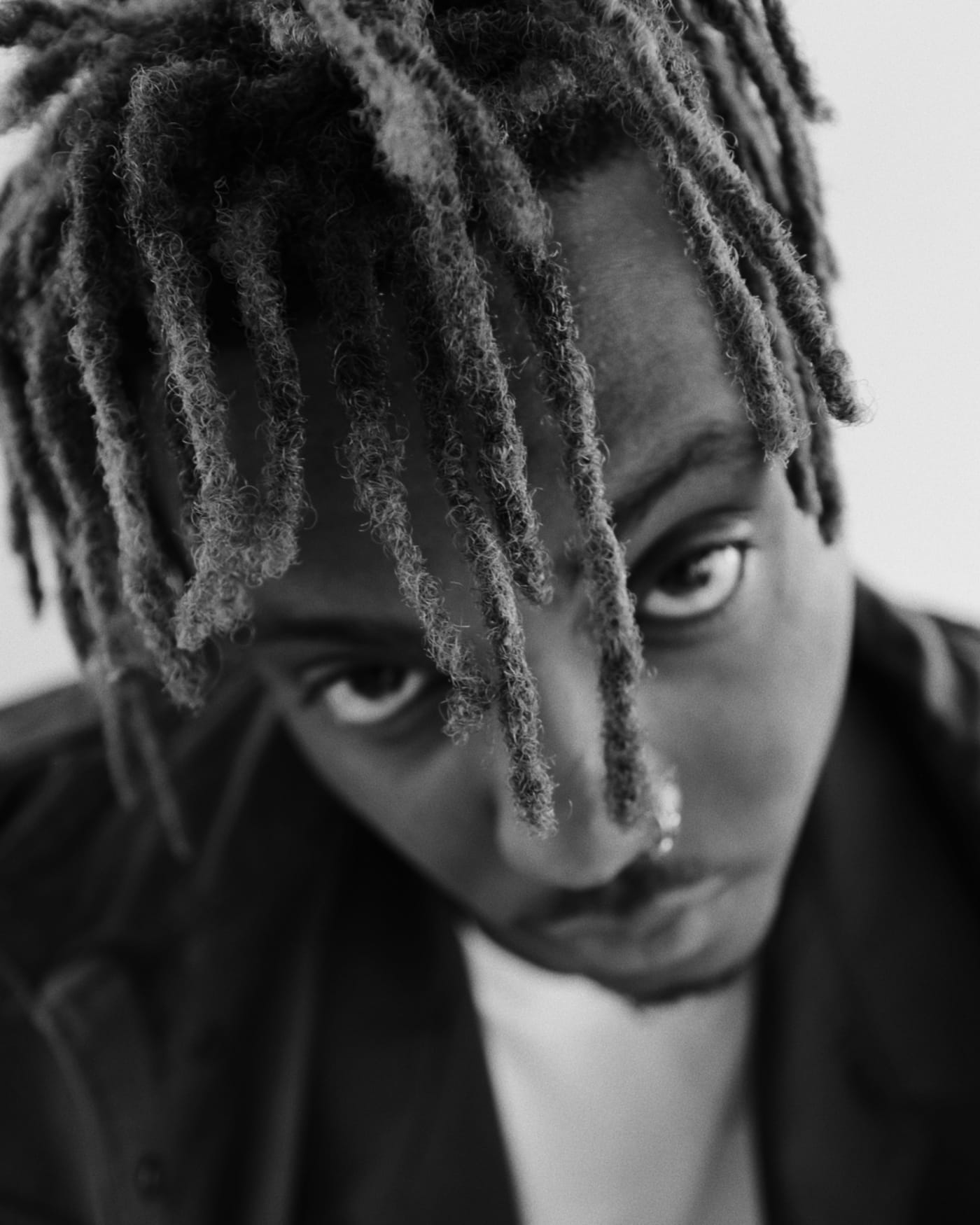
Juice WRLD, born Jarad Anthony Higgins, was born on December 2, 1998, in Chicago, Illinois. He grew up in the southern suburbs, primarily Homewood, where he transitioned from a classically trained musician in a religious household to a...
Juice WRLD, born Jarad Anthony Higgins, was born on December 2, 1998, in Chicago, Illinois. He grew up in the southern suburbs, primarily Homewood, where he transitioned from a classically trained musician in a religious household to a global pioneer of the emo rap genre before his untimely passing in 2019.
Contents
The Early Years: Chicago Origins and Family Life
Jarad Anthony Higgins entered the world in late 1998, a year that marked a significant turning point in hip-hop history with the release of seminal albums like The Miseducation of Lauryn Hill and Vol. 2... Hard Knock Life. While Chicago is often associated with the aggressive "drill" music scene that emerged later, Jarad’s upbringing was distinct. He was raised in a conservative, religious household by his mother, Carmella Wallace, after his parents divorced when he was just three years old.
His mother was a pivotal figure in his early development. Because of her religious beliefs, she initially banned hip-hop from their home. This forced Jarad to look elsewhere for musical stimulation, leading him to discover pop, rock, and punk music through video games like Guitar Hero and Tony Hawk’s Pro Skater. These early exposures to bands like Fall Out Boy, Blink-182, and Panic! At The Disco would eventually form the melodic and emotional foundation of his future sound.
Growing up in the southern suburbs of Chicago, specifically Calumet Park and later Homewood, Jarad was not a product of the inner-city struggles often depicted in rap, but he was profoundly affected by the internal struggles of mental health and adolescent isolation. This environmental contrast allowed him to speak to a suburban demographic that felt seen by his vulnerable lyricism.
Musical Upbringing and Classical Training
One of the most overlooked aspects of Jarad Higgins' life is his formal musical background. Unlike many of his contemporaries who relied solely on digital production, Jarad was a multi-instrumentalist from a very young age. This technical proficiency began shortly after his birth and early childhood years:
- Piano: He began playing the piano at age four, influenced by his mother’s encouragement of traditional education and the arts.
- Guitar and Drums: By his middle school years, he had taught himself to play the guitar and drums.
- Trumpet: He also played the trumpet for several years during his school band sessions.
This classical foundation allowed him to understand melody and composition in a way that many self-taught "SoundCloud rappers" did not. When he eventually began recording his own music in high school under the name "JuicetheKidd," he was able to freestyle entire songs because he understood the underlying harmonic structures of the beats he chose. He wasn't just "rapping" over tracks; he was composing vocal melodies that functioned as lead instruments.
The Birth of the "Juice WRLD" Persona
While December 2, 1998, marks his physical birth, his artistic identity was born during his sophomore year at Homewood-Flossmoor High School. Initially using the moniker "JuicetheKidd," a name inspired by his admiration for the rapper Tupac Shakur’s performance in the film Juice, he eventually transitioned to "Juice WRLD."
The addition of "WRLD" (World) was not just a stylistic choice but a statement of ambition. He wanted to signify his intent to take over the globe with his music. During this period, he began uploading tracks to SoundCloud, a platform that was revolutionizing how independent artists reached audiences. His first track, "Forever," was released in 2015 while he was still a teenager.
His high school years were a blend of academic attendance and intensive musical experimentation. His teachers and peers often recalled him as a brilliant but distracted student who was constantly writing lyrics or humming melodies in the hallways. It was during this time that he began to develop the freestyle ability that would later become legendary—the ability to record entire albums, such as Death Race for Love, in a matter of days with almost no written lyrics.
The Significance of the "999" Philosophy
A major component of Jarad Higgins' identity, which he carried from his youth until his death, was the number 999. While it was often misunderstood by those outside his fan base, it served as the core of his personal and professional philosophy.
In various interviews, including deep dives with Rolling Stone, he explained that 999 is the inversion of 666, a number traditionally associated with evil or the "beast." For Juice WRLD, 999 represented taking whatever hell, struggle, or negative situation one is facing and flipping it into something positive.
This philosophy was born out of his own battles with anxiety and depression, which began in his early teens. By the time he reached global stardom, 999 had become a global movement. Fans used the number as a symbol of resilience. As of 2026, the 999 brand continues to represent mental health awareness and the transformation of pain into art through the work of the Live Free 999 foundation.
Key Biographical Data and Milestones
To understand the trajectory of Juice WRLD’s life from his birth in 1998 to his status as a cultural icon in 2026, the following table outlines the essential milestones of his career.
| Category | Detail |
|---|---|
| Birth Name | Jarad Anthony Higgins |
| Date of Birth | December 2, 1998 |
| Birthplace | Chicago, Illinois, USA |
| Primary Education | Homewood-Flossmoor High School |
| Breakthrough Year | 2018 (Release of "Lucid Dreams") |
| Debut Studio Album | Goodbye & Good Riddance (May 2018) |
| Philosophy/Symbol | 999 (Flipping the negative to positive) |
| Legacy Foundation | Live Free 999 |
Historical Impact on the Emo Rap Genre
Juice WRLD’s birth occurred at a time when rap was dominated by bravado and street narratives. However, his career helped usher in a "vulnerability era." Along with artists like Lil Peep and XXXTentacion, Juice WRLD dismantled the stigma surrounding male sensitivity and mental health in hip-hop.
His music was a fusion of mid-2000s "emo" rock angst and modern trap production. By singing openly about heartbreak, pharmaceutical dependency, and existential dread, he connected with a generation of listeners who felt alienated by traditional hip-hop tropes. His impact was so significant that by the time of his passing in December 2019, he was the most-streamed artist in the world on multiple platforms.
In 2026, musicologists view Juice WRLD not just as a rapper, but as a generational voice whose birth sparked a shift in the sonic landscape of the 21st century. His ability to blend genres has influenced a new wave of "genre-less" artists who prioritize emotional honesty over categorical labels.
Posthumous Commemoration and "Juice WRLD Day"
Since his death just six days after his 21st birthday, his birth date—December 2nd—has become a significant day for the music community. Known as "Juice WRLD Day," this annual event in Chicago serves as both a celebration of his life and a charitable effort.
The event typically includes:
- Unreleased Music Previews: Fans are often given the first listen to tracks from his vast archive of unreleased recordings (estimated to be in the thousands).
- Mental Health Advocacy: His mother, Carmella Wallace, uses the platform to provide resources for young people struggling with addiction and mental health through the Live Free 999 foundation.
- Community Outreach: Food drives and scholarship announcements in the Chicago and Homewood areas where Jarad grew up.
This celebration ensures that while his life was short, the date he was born remains a beacon for those who find solace in his music.
Frequently Asked Questions
What time was Juice WRLD born?
While the exact time of his birth has not been publicly shared by his family, his birth date is confirmed as December 2, 1998. He was a Sagittarius, which many fans believe influenced his adventurous and free-spirited approach to music and life.
How old would Juice WRLD be in 2026?
If he were alive today in 2026, Jarad Higgins would be 27 years old. He would be entering what many consider the "prime" of a musical career, likely expanding his influence into production and mentorship for younger artists.
Where exactly in Chicago was he born?
Jarad was born at the St. Bernard Hospital in the Englewood neighborhood of Chicago. However, he spent the majority of his formative years in the southern suburb of Homewood, Illinois, which he considered his true home.
Why did Juice WRLD change his name from JuicetheKidd?
He changed his name to Juice WRLD around 2017 to signify a "global takeover." While "Juice" was a nod to his hairstyle at the time and the movie of the same name, "WRLD" represented his ambition to have his message heard by every corner of the planet.
Who were Juice WRLD's biggest influences during his childhood?
His influences were incredibly diverse due to his mother's initial ban on rap. He cited Billy Idol, Fall Out Boy, Black Sabbath, and Megadeth as early influences, later followed by rappers like Chief Keef, Kid Cudi, and Kanye West once he began exploring hip-hop in his teens.
Supporting the Legacy Today
To truly honor the legacy of Jarad Higgins, fans and new listeners are encouraged to engage with his work beyond the music. Supporting the Live Free 999 foundation is the most direct way to contribute to the causes he cared about, particularly mental health support for underserved youth. Additionally, visiting the murals dedicated to him in Chicago's West Loop offers a physical space for reflection on the impact of an artist who changed the world in just 21 years.
Image Gallery