When to Use Cortisone and Prednisone: A Comprehensive Guide to Corticosteroids
Cortisone is typically used for localized inflammation through targeted injections or as hormone replacement therapy, whereas prednisone is a potent systemic medication used to treat widespread inflammatory, autoimmune, and allergic co...
Cortisone is typically used for localized inflammation through targeted injections or as hormone replacement therapy, whereas prednisone is a potent systemic medication used to treat widespread inflammatory, autoimmune, and allergic conditions. The choice depends on whether the medical goal is a site-specific relief or a broad, whole-body immune suppression.
Contents
Corticosteroids remain among the most widely prescribed medications in 2026 for managing a vast array of inflammatory and autoimmune disorders. While the terms "cortisone" and "prednisone" are often used interchangeably by patients, they represent different tools in a physician's arsenal. Understanding the nuances of their application, potency, and delivery methods is essential for any patient navigating a treatment plan involving these powerful hormones.
The Biological Foundation of Corticosteroids
To understand when to use cortisone versus prednisone, one must first understand what these drugs are mimicking. Both are synthetic versions of cortisol, a steroid hormone naturally produced by the adrenal glands. Cortisol is often referred to as the "stress hormone" because it helps the body respond to physical and emotional stress by regulating metabolism, reducing inflammation, and controlling blood pressure.
When the body’s natural cortisol levels are insufficient, or when the immune system becomes overactive and begins attacking healthy tissue, synthetic corticosteroids are introduced. They work by entering cell membranes and binding with specific receptors to turn off the production of inflammatory chemicals, such as prostaglandins and leukotrienes. By 2026, medical science has refined the protocols for using these drugs to maximize their efficacy while minimizing the significant side effects associated with long-term use.
When to Use Cortisone: Targeted and Replacement Therapy
Cortisone is generally considered a short-acting corticosteroid with relatively low potency compared to its synthetic cousins. However, its specific profile makes it the preferred choice for two primary scenarios: localized musculoskeletal issues and adrenal insufficiency.
Localized Inflammatory Conditions
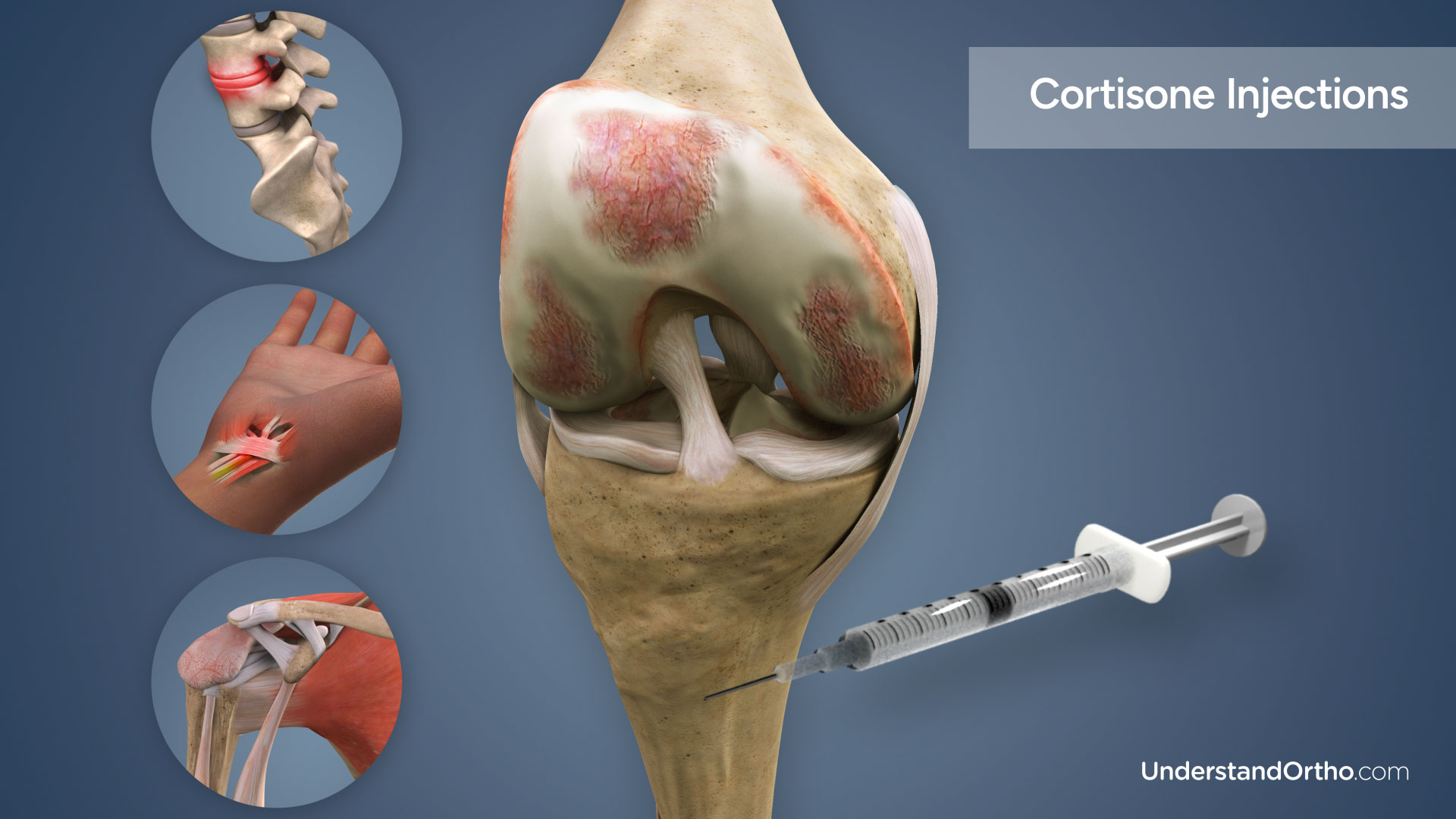
The most common "when" for cortisone is in the form of a cortisone shot (intra-articular injection). When inflammation is confined to a specific joint or area of soft tissue—such as a knee, shoulder, or bursa sac—a systemic pill like prednisone may be overkill.
Physicians opt for cortisone injections in the following cases:
- Osteoarthritis and Rheumatoid Arthritis: To reduce swelling and pain in a specific joint that hasn't responded to non-steroidal anti-inflammatory drugs (NSAIDs).
- Bursitis and Tendonitis: To treat localized inflammation of the fluid-filled sacs (bursae) or the tissues connecting muscle to bone.
- Carpal Tunnel Syndrome: To reduce pressure on the median nerve in the wrist.
The advantage of using cortisone in this manner is that the medication remains largely concentrated in the affected area, reducing the risk of the systemic side effects (like weight gain or mood swings) that occur when a steroid travels through the entire bloodstream.
Adrenal Insufficiency (Hormone Replacement)
Cortisone is also used orally as a replacement therapy for individuals whose adrenal glands do not produce enough natural cortisol, a condition known as Addison’s disease. Because cortisone is closer in potency to natural cortisol than prednisone, it is often easier for doctors to calibrate a "physiologic dose" that mimics the body’s natural daily rhythm without over-stimulating the system.
When to Use Prednisone: The Systemic Powerhouse
Prednisone is a more potent, intermediate-acting corticosteroid. Unlike cortisone shots, which stay local, prednisone is almost always taken orally (as a tablet or liquid) or intravenously. It is designed to travel through the entire body to suppress a widespread immune response.
Autoimmune and Chronic Inflammatory Diseases
When the immune system is attacking multiple joints or organs, a localized injection is insufficient. Prednisone is the standard of care for:
- Systemic Lupus Erythematosus (SLE): To control flares that can affect the skin, kidneys, and heart.
- Rheumatoid Arthritis (RA): To manage whole-body joint stiffness and prevent permanent joint damage during acute episodes.
- Inflammatory Bowel Disease (IBD): Such as Crohn’s disease or ulcerative colitis, where the medication reduces inflammation throughout the digestive tract.
Respiratory and Allergic Emergencies
Prednisone is highly effective at opening airways and reducing the severe swelling associated with allergic reactions. It is frequently used for:
- Severe Asthma: To reduce airway inflammation when inhalers are not enough.
- COPD Exacerbations: To help patients breathe more easily during a sudden worsening of chronic obstructive pulmonary disease.
- Severe Allergic Reactions: Including poison ivy (Rhus dermatitis) or hives that cover a large portion of the body.
Cancer Treatment and Organ Transplants
In oncology, prednisone is used both to treat certain types of cancer (like leukemia and lymphoma) and to manage the side effects of chemotherapy, such as severe nausea. Additionally, prednisone is a cornerstone of immunosuppressive therapy for organ transplant recipients, preventing the body from rejecting the new organ.
Comparing Cortisone and Prednisone
The following table highlights the technical and clinical differences between these two medications based on current 2026 pharmacological standards.
| Feature | Cortisone | Prednisone |
|---|---|---|
| Potency (Approximate) | 0.8 to 1 (Baseline) | 4 to 5 times stronger than cortisone |
| Duration of Action | Short-acting (8–12 hours) | Intermediate-acting (18–36 hours) |
| Primary Route | Injection (Local) or Oral (Replacement) | Oral Tablet, Liquid, or IV |
| Liver Metabolism | Must be converted to cortisol by the liver | Must be converted to prednisolone by the liver |
| Common Use Case | Joint pain, bursitis, Addison’s disease | Asthma, Lupus, severe allergies, IBD |
| Systemic Impact | Low (if injected); Moderate (if oral) | High (broad immune suppression) |
Pharmacokinetics: How the Body Processes the Drugs
A critical distinction between these two drugs involves how the body activates them. Both cortisone and prednisone are "prodrugs," meaning they are inactive when they enter the body and must be converted by the liver into their active forms.
- Cortisone is converted into cortisol.
- Prednisone is converted into prednisolone.
Because this conversion happens in the liver, patients with severe liver disease may not process these drugs efficiently. In such cases, a doctor might bypass the conversion step by prescribing the already-active forms, cortisol (hydrocortisone) or prednisolone, directly. By 2026, personalized medicine allows for better monitoring of these metabolic pathways to ensure patients are receiving the effective dose.
Administration and Timing: The "Circadian" Factor
The timing of steroid administration is as important as the choice of drug. The human body naturally produces the highest levels of cortisol in the early morning hours to help us wake up and face the day's stressors.
When taking oral prednisone or cortisone, doctors typically recommend taking the full dose early in the morning (usually before 9:00 AM). This timing mimics the natural circadian rhythm, which helps reduce the risk of insomnia and minimizes the suppression of the body’s own adrenal function.
The Necessity of Tapering
Perhaps the most important rule of using prednisone (and high-dose oral cortisone) is that you must never stop taking it abruptly. When you take synthetic steroids, your adrenal glands perceive the high levels in your blood and go into a "hibernation" state, stopping natural production.
If you stop the medication suddenly, your body is left with zero cortisol, which can lead to a life-threatening condition called an adrenal crisis. Tapering—gradually reducing the dose over weeks or months—allows the adrenal glands to "wake up" and resume natural hormone production safely.
Side Effects and Risk Management
While these drugs are miracle-workers for inflammation, they carry a heavy burden of potential side effects, particularly with long-term use.
Short-Term Side Effects
Even a brief "steroid burst" of prednisone can cause:
- Increased appetite and weight gain.
- Insomnia and high energy (sometimes progressing to "steroid psychosis" or irritability).
- Fluid retention (edema) and facial swelling (often called "moon face").
- Elevated blood sugar, which is particularly dangerous for patients with diabetes.
Long-Term Risks
Using these medications for months or years increases the risk of:
- Osteoporosis: Steroids inhibit bone-building cells, making bones brittle.
- Cataracts and Glaucoma: Increased pressure within the eye.
- Thinning Skin: Leading to easy bruising and slow wound healing.
- Immune Suppression: While this is often the goal, it also makes the patient more susceptible to infections.
Frequently Asked Questions
Can I receive a cortisone shot while taking oral prednisone? Generally, physicians avoid combining these unless necessary, as it increases the total systemic "steroid load." However, in specific cases where a patient has a systemic flare (treated with prednisone) and one particularly stubborn joint (treated with a shot), a doctor may coordinate the two treatments with careful monitoring.
Which is "stronger," cortisone or prednisone? Prednisone is significantly more potent. In terms of anti-inflammatory effect, 5mg of prednisone is roughly equivalent to 25mg of cortisone. This higher potency is why prednisone is preferred for severe, systemic diseases.
How long does it take for these medications to start working? A cortisone injection may take 48 to 72 hours to provide significant pain relief, though the local anesthetic often included in the shot provides immediate, temporary relief. Oral prednisone begins working within hours, though it may take several days of consistent dosing to fully control a major autoimmune flare.
Are there natural alternatives to cortisone and prednisone? While substances like turmeric, ginger, and omega-3 fatty acids have mild anti-inflammatory properties, they cannot match the profound immune-suppressing power of corticosteroids. They are often used as supplements but are not direct replacements for medical-grade steroids in acute or chronic disease management.
Why do steroids make me feel anxious or "wired"? Because corticosteroids mimic cortisol—the stress hormone—they stimulate the central nervous system. This can trigger a "fight or flight" sensation, leading to anxiety, rapid heartbeat, or difficulty sleeping.
Recommendation for Patients
If you are facing a choice between cortisone and prednisone, the decision should be guided by a specialist—typically a rheumatologist, orthopedist, or endocrinologist.
For isolated joint pain or localized injury, advocate for a cortisone injection to limit systemic exposure. If you are dealing with widespread symptoms, respiratory distress, or an autoimmune flare, oral prednisone is likely the necessary course of action. Regardless of the choice, always maintain a detailed log of your dosages and any side effects, and never alter your tapering schedule without direct medical supervision.
Image Gallery