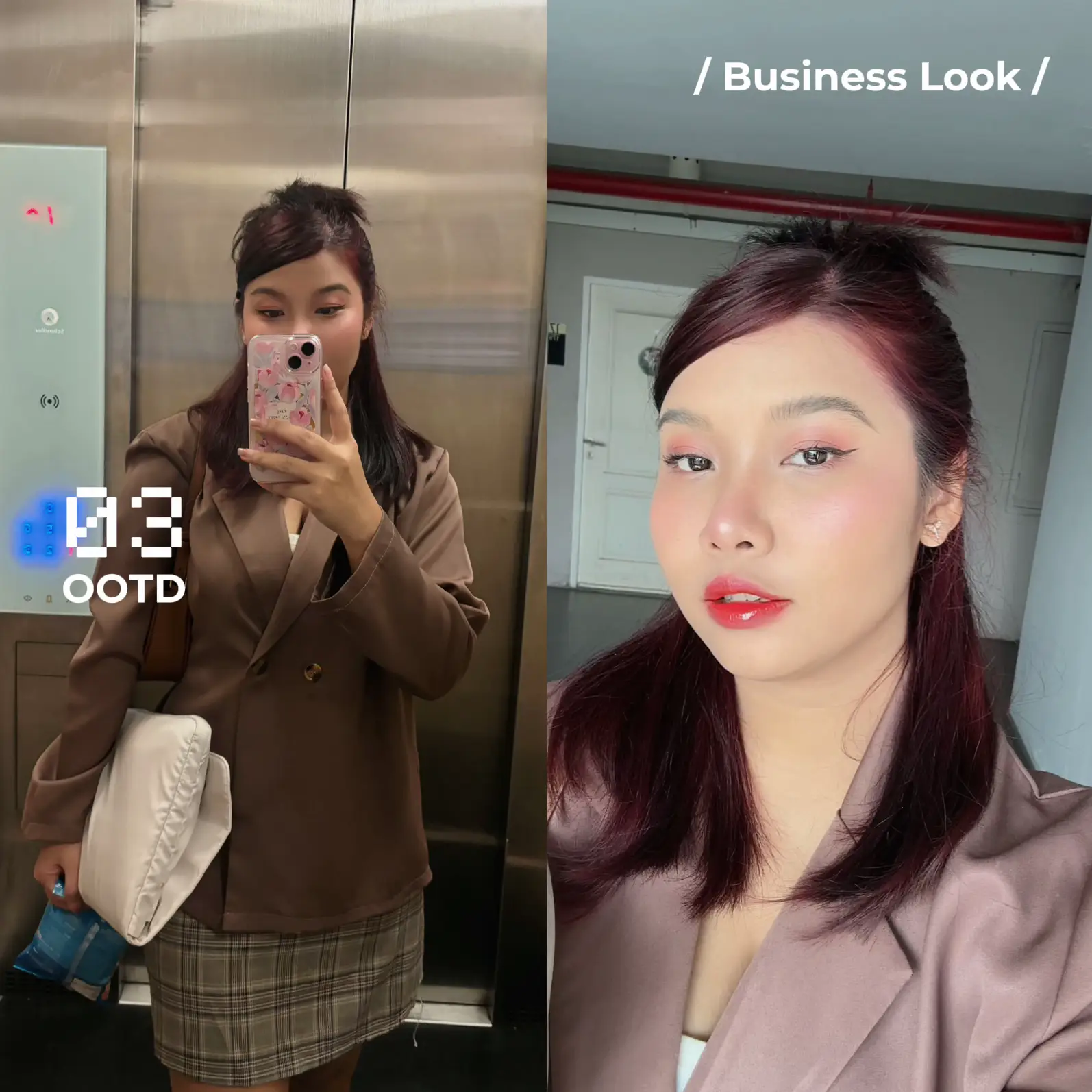
Who Created the OOTD Acronym and Fashion Phenomenon?
While no single individual holds a patent or "inventor" status for the term OOTD (Outfit of the Day), the acronym and the practice of daily style documentation originated in the early-to-mid 2000s within internet subcultures. It specif...
While no single individual holds a patent or "inventor" status for the term OOTD (Outfit of the Day), the acronym and the practice of daily style documentation originated in the early-to-mid 2000s within internet subcultures. It specifically coalesced in community-driven platforms like LiveJournal and Flickr before being popularized globally by fashion bloggers and later standardized as a primary hashtag on Instagram.
Contents
The concept of documenting one’s daily attire transitioned from a niche hobby for fashion enthusiasts into a cornerstone of global digital culture. By 2026, the OOTD has evolved from simple mirror selfies into high-production content involving augmented reality (AR) and artificial intelligence, yet its roots remain firmly planted in the "web 2.0" era of personal expression.
The Digital Archeology of OOTD: Early Communities
To understand who "created" OOTD, one must look at the transition from anonymous fashion forums to personalized social networking. In the early 2000s, fashion discourse was largely confined to magazines and professional runways. However, the advent of high-speed internet and digital cameras allowed everyday people to share their personal style.
The LiveJournal Era (2003–2005)
One of the earliest recorded uses of the specific "Outfit of the Day" format appeared on LiveJournal, a social blogging platform popular in the mid-2000s. Communities such as community.livejournal.com/outfit_of_the_day (often shortened to "outfit_of_the_day") served as the primary breeding ground for the term. These communities were strictly moderated; users were required to post photos of what they were wearing along with a breakdown of the brands and prices.
In these digital spaces, the acronym OOTD became a functional shorthand to distinguish these posts from standard diary entries. The "creators" were effectively the moderators and frequent contributors of these communities who established the rules for how an outfit should be presented and documented.
Flickr and the "What I Wore Today" Movement
Simultaneous to the LiveJournal boom, Flickr became a secondary hub. The "What I Wore Today" (WIWT) group was a massive influence, though it eventually lost the "acronym war" to OOTD. These Flickr groups introduced the technical aspect of "tagging" clothing items in a photo, a precursor to the shoppable tags we use in 2026. The shift from "WIWT" to "OOTD" was largely a matter of linguistic efficiency—OOTD was punchier and fit better into the emerging character-limited world of early Twitter and mobile browsing.
The Rise of the Professional Style Blogger (2006–2010)
By 2008, the OOTD phenomenon moved from anonymous communities to individual brand building. This era saw the rise of the "Super Blogger"—individuals who took the OOTD format and turned it into a professional career.
- Lookbook.nu (Launched 2008): Founded by Yuri Lee, this platform was specifically designed for "outfit of the day" posts. It provided a dedicated space for people to "hype" (vote on) looks. Lookbook.nu is often credited with standardizing the aesthetic of the OOTD: high-quality photography, outdoor locations, and "street style" vibes.
- Early Pioneers: Bloggers like Bryanboy, Tavi Gevinson (Style Rookie), and Susie Bubble became the faces of the movement. While they did not "invent" the acronym, they elevated the OOTD from a hobbyist's mirror selfie to a legitimate form of fashion journalism and digital art.
The Instagram Revolution: Scaling the Acronym
If LiveJournal birthed the OOTD and Lookbook.nu professionalized it, Instagram (launched in 2010) was the platform that made it a global household term. The introduction of the hashtag feature allowed the OOTD to move beyond specific fashion sites and into the general public consciousness.
The hashtag #OOTD became one of the most used tags in the history of the platform. By 2012, it had become a metric for influence. Brands began scouting for creators specifically based on the consistency and quality of their OOTD posts. This period marked the transition from "what I am wearing" to "what I want you to buy," turning the OOTD into the most powerful marketing tool in the fashion industry.
Technical Evolution: How OOTD Changed Consumer Behavior
The creation of the OOTD culture didn't just change how we take photos; it fundamentally altered the retail cycle. Before the OOTD, consumers bought clothes for seasons. In the post-OOTD world, the "newness" of a garment is often measured by its appearance in a single post.
| Era | Primary Platform | Tech Depth | Aesthetic |
|---|---|---|---|
| 2003–2006 | LiveJournal | Low-res digital cameras | Mirror selfies, grunge, DIY |
| 2007–2010 | Flickr, Lookbook.nu | DSLR photography | Street style, editorial |
| 2011–2018 | Smartphones, Filter apps | High saturation, lifestyle | |
| 2019–2024 | TikTok, Reels | Vertical video, Transitions | "Get Ready With Me" (GRWM) |
| 2025–2026 | Mixed Reality | AR try-on, AI Wardrobes | Virtual garments, 3D avatars |
The "One-and-Done" Phenomenon
The OOTD created a psychological pressure to never be seen in the same outfit twice on social media. This fueled the rise of "Fast Fashion" giants like Shein and Zara, who thrived on the demand for cheap, trend-forward clothing that could be worn once for an OOTD post and then discarded or resold. However, by 2026, we have seen a significant pivot toward "Sustainable OOTDs," where creators focus on "outfit repeating" and thrifted finds to combat the environmental impact of the movement's early years.
The Modern OOTD: GRWM and the 2026 Landscape
As of 2026, the static OOTD photo has largely been superseded by the GRWM (Get Ready With Me) video format. While the acronym OOTD is still used, the "creation" of the content now involves a narrative.
Modern OOTD creators don't just show the final product; they show the decision-making process. This includes:
- Contextual Dressing: Styling for specific AI-generated "vibes" or micro-trends.
- Layering and Accessories: A technical breakdown of how to build an outfit from base layers to jewelry.
- Sustainability Metrics: Disclosing the carbon footprint or the "cost per wear" of the items featured.
The current landscape also utilizes AI-driven styling tools. Many 2026 fashion influencers use algorithms to suggest what "Outfit of the Day" will perform best based on current trending colors and silhouettes, effectively making the "creator" of the OOTD a hybrid of human taste and machine learning.
Key Figures Who Shaped OOTD Culture
While we cannot name one "inventor," several key figures acted as the architects of the culture:
- Yuri Lee: As the founder of Lookbook.nu, she provided the first technical infrastructure dedicated solely to the OOTD.
- The Anonymous Moderators of LiveJournal: These unsung individuals created the rules of engagement (brand listing, photo quality) that we still follow 20 years later.
- Leandra Medine (The Man Repeller): She expanded the OOTD definition to include dressing for oneself rather than the "male gaze," introducing a more intellectual and humorous approach to daily style.
- Kevin Systrom and Mike Krieger: The founders of Instagram provided the "gasoline" (the hashtag system) that allowed the OOTD fire to spread globally.
Frequently Asked Questions
What does OOTD stand for?
OOTD stands for Outfit of the Day. It is used by social media users to highlight what they are wearing on a particular day, often including information about the brands or stores where the items were purchased.
When was the first OOTD post made?
While impossible to track the "first" ever, the term began appearing in organized fashion communities on LiveJournal as early as 2003. These posts evolved from earlier "What I Wore" threads on fashion message boards like The Fashion Spot.
Why did OOTD become so popular?
OOTD became popular because it democratized fashion. It shifted the power from elite magazine editors to everyday people, allowing anyone with a camera and a sense of style to become an "influencer." It also served as a massive database for styling inspiration.
Is OOTD still relevant in 2026?
Yes, but the format has shifted. While static photos with #OOTD still exist, the trend has largely moved toward short-form video (GRWM) and interactive AR content where viewers can "try on" the creator's outfit digitally.
Who is the most famous OOTD creator?
In the early days, it was bloggers like Bryanboy and Tavi Gevinson. Today, the most "famous" creators are often those who blend fashion with lifestyle content on TikTok and specialized fashion apps, though the OOTD tag remains a universal entry point for all style influencers.
Practical Recommendation: Documenting Your Style in 2026
If you are looking to engage with OOTD culture today, focus on authenticity and longevity. The 2026 audience values "closet staples" and "conscious consumption" over fast-fashion hauls.
- Use a consistent backdrop: This helps your style stand out rather than your environment.
- Include "The Why": Don't just show the clothes; explain why you chose that specific combination for the day's weather, mood, or activities.
- Tag responsibly: Use brand tags for transparency, but also consider using apps that track your "cost per wear" to show the value of your wardrobe over time.
By understanding the history of the OOTD—from its humble beginnings in LiveJournal communities to its current AI-integrated form—you can better navigate the digital fashion landscape with a sense of perspective on where these trends began and where they are headed next.
Image Gallery