Crooked Hillary in Political Rhetoric: Analysis of a Persistent Campaign Narrative
"Crooked Hillary" emerged as a potent, shorthand political epithet during the 2016 United States presidential election. It functions as a classic example of an ad hominem attack designed to encapsulate complex concerns about integrity,...
"Crooked Hillary" emerged as a potent, shorthand political epithet during the 2016 United States presidential election. It functions as a classic example of an ad hominem attack designed to encapsulate complex concerns about integrity, institutional trust, and political transparency into a single, memorable, and repeatable brand, permanently altering how political figures are framed in digital-age campaigns.
Contents
Origins and Strategic Deployment of the Label
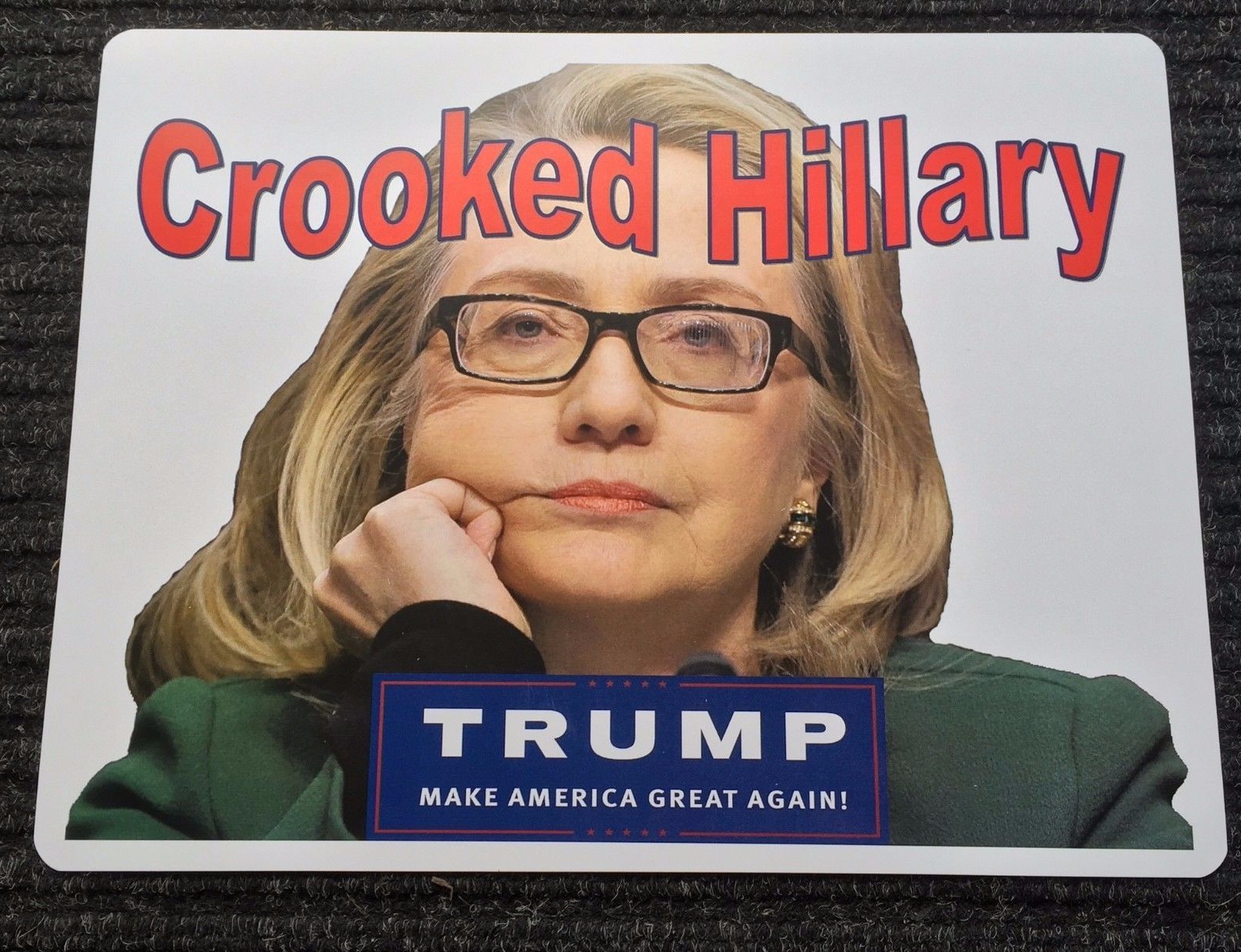
The moniker "Crooked Hillary" was popularized by Donald Trump during the 2016 Republican primary and subsequent general election campaign. In the context of political communication, the term serves as a "branding" device. By assigning a persistent, negative adjective to a political opponent, the speaker seeks to define the candidate’s entire public persona through a single lens.
This rhetorical strategy relies on the psychological principle of the illusory truth effect—the tendency to believe information is correct after repeated exposure. By using the term at rallies, in television interviews, and across social media platforms, the label was transformed from a specific accusation into a permanent part of the political lexicon. It was not merely a critique of specific policy decisions or past actions; it was an attempt to encode an entire reputation into two words.
The Mechanism of Ad Hominem Attacks in Modern Campaigns
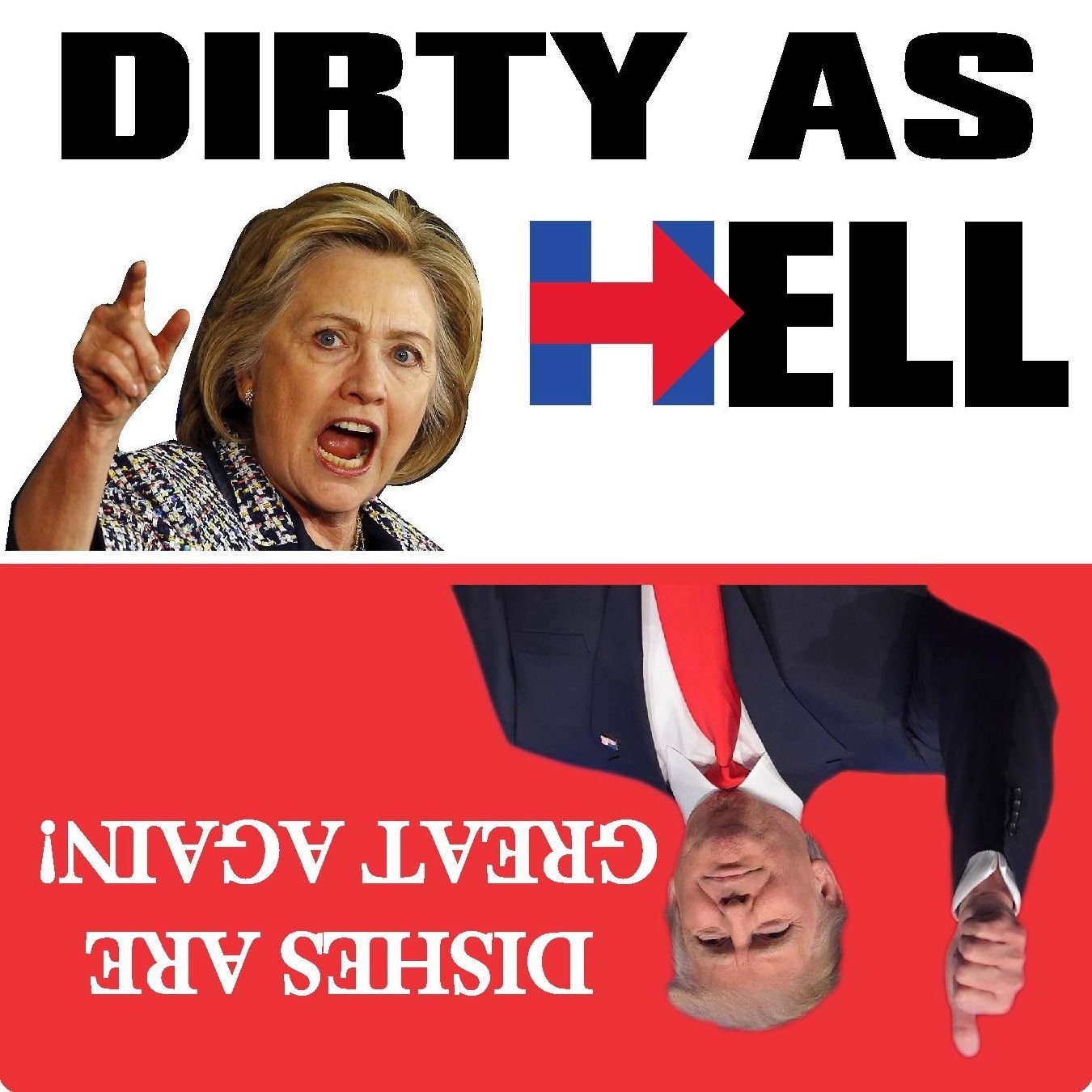
In political science, an ad hominem attack shifts the focus from the subject matter—such as policy, legislation, or economic strategy—to the personal character of the individual. "Crooked" specifically implies dishonesty, illicit behavior, and a departure from ethical standards.
When analyzing why this rhetoric proved effective, analysts often point to its simplicity. Political messaging that requires complex explanation often struggles to gain traction in high-speed news cycles. By contrast, a two-word descriptor acts as a cognitive shortcut for voters. It allows supporters to categorize a complex political opponent as "untrustworthy" without requiring them to parse detailed reports or legal documentation. This is a common tactic in populist rhetoric, where the "outsider" candidate frames the "establishment" candidate as fundamentally corrupt, thereby creating a clear binary choice for the electorate.
The Role of Institutional and Legal Concerns
The power of the label "Crooked Hillary" was not entirely manufactured; it drew upon existing public debates regarding Hillary Clinton’s tenure as Secretary of State. The central point of friction involved the use of a private email server for official government communications.
Throughout 2015 and 2016, this issue was the subject of an investigation by the Federal Bureau of Investigation (FBI). While the investigation concluded in July 2016 without recommending criminal charges, the debate remained a cornerstone of the political narrative. The label served as a rhetorical bridge, connecting legitimate, complex procedural questions about cybersecurity and the Freedom of Information Act (FOIA) to a broader, visceral suspicion of elite political conduct.
Rhetorical Impact and Political Polarization
The use of this label contributed significantly to the hardening of partisan lines. For proponents, the term was a legitimate summary of perceived elitism and lack of accountability. For opponents, it was viewed as a misogynistic and dishonest distortion of a long public service career.
| Feature of Rhetoric | Strategic Function |
|---|---|
| Simplicity | Encourages memorability and rapid adoption by base supporters. |
| Persistence | Uses repetition to normalize negative characterization over time. |
| Cognitive Framing | Forces the opponent to spend time defending their character rather than promoting their policy agenda. |
| Binary Sorting | Helps voters quickly categorize political figures into "friend" or "enemy" archetypes. |
The effectiveness of this tactic suggests that in the current political landscape, the battle for the "narrative" is often more impactful than the battle for facts. Once a label achieves cultural saturation, it becomes difficult for the subject to move the discourse back to policy, as any counter-argument is framed as defensive posturing.
Comparison to Other Political Epithets
The history of American politics is replete with nicknames intended to diminish opponents. However, "Crooked Hillary" distinguished itself through its integration into digital-era media. Unlike nicknames from the pre-internet era, this label lived in the metadata of social media posts, search engine autocomplete suggestions, and digital meme culture.
- Historical Context: Historically, such labels (e.g., "Tricky Dick" for Richard Nixon) were sustained by traditional media coverage.
- Modern Scaling: "Crooked Hillary" benefited from the rapid distribution channels of X (formerly Twitter), Facebook, and YouTube, where the label could be weaponized by decentralized groups of supporters, not just the campaign itself.
Long-term Implications for Political Discourse
As of 2026, the legacy of this rhetorical device continues to influence campaign strategies. Political strategists recognize that a highly effective, punchy epithet can be more valuable than a million dollars in traditional advertising. The "Crooked" prefix has been adopted by various political actors globally, demonstrating the durability of the "brand-the-opponent" tactic.
Critics argue that this style of rhetoric lowers the quality of democratic debate. When discourse is defined by nicknames, the potential for nuanced debate on economic, foreign, or social policy diminishes. However, proponents of this style argue that it is a necessary tool for "telling it like it is" and exposing perceived hypocrisy within the political establishment. Regardless of one’s political stance, the label stands as a case study in how language shapes political reality and institutional trust.
Frequently Asked Questions
What was the specific context for the "Crooked" descriptor? The descriptor was largely linked to allegations regarding the use of a private email server during Hillary Clinton's time as Secretary of State (2009–2013). It suggested that she operated outside of established legal and ethical norms.
Did the label change over time? While the label remained consistent, its usage evolved. It transitioned from a specific critique of the email server issue into a generalized catch-all for any political disagreement or scandal attributed to the Clinton campaign.
How does this label influence current political rhetoric? It popularized the "catchy nickname" strategy as a standard component of modern presidential campaigns. Future candidates now anticipate such branding and often have pre-planned counter-narratives to mitigate the impact of being "branded" by an opponent.
Was the label legally challenged? No. Political rhetoric, including nicknames and accusations of character, is broadly protected under the First Amendment of the U.S. Constitution as a form of political speech, even when such speech is hyperbolic or disparaging.
Recommended Next Actions for Further Research
To fully understand the evolution of political rhetoric, researchers and observers should examine the archives of the 2016 campaign trail, specifically focusing on the transition from policy-based attacks to personality-based branding. Reviewing the correspondence released via the Freedom of Information Act provides a factual basis for understanding the original controversy that the campaign rhetoric sought to amplify. By focusing on primary sources—both the original email transcripts and the transcriptions of candidate speeches—one can better distinguish between the policy substance of a campaign and the rhetorical packaging used to win it.
Image Gallery