How Idaho Life Insurance Licenses Work: Requirements, Exams, and Costs in 2026
To obtain an Idaho life insurance license in 2026, candidates must pass a state-proctored exam administered by Prometric, complete a background check via fingerprinting, and submit a formal application through the National Insurance Pr...
To obtain an Idaho life insurance license in 2026, candidates must pass a state-proctored exam administered by Prometric, complete a background check via fingerprinting, and submit a formal application through the National Insurance Producer Registry (NIPR). While Idaho does not mandate specific pre-licensing education hours, candidates must demonstrate mastery of life insurance products and state-specific statutes.
Contents
The process of becoming a licensed life insurance producer in the state of Idaho is governed by the Idaho Department of Insurance (DOI). This regulatory body ensures that all individuals selling, soliciting, or negotiating insurance possess the necessary competence and ethical standing to protect Idaho consumers. Whether you are a career changer, a recent graduate, or an out-of-state professional seeking reciprocity, navigating the 2026 licensing landscape requires a clear understanding of the sequential steps, financial commitments, and ongoing compliance obligations.
Core Prerequisites for Idaho Licensure
Before beginning the technical aspects of the application, every candidate must meet the foundational eligibility requirements established by the Idaho Insurance Code. These prerequisites are designed to ensure that producers possess the maturity and legal standing necessary to handle sensitive financial instruments.
- Age Requirement: You must be at least 18 years of age.
- Residency Status: To apply for a "Resident" license, you must live in Idaho or maintain your primary place of business within the state.
- Legal Standing: Applicants must have a valid Social Security Number and be able to demonstrate "good character and business reputation."
- Language and Competency: While not explicitly tested outside the exam, a functional command of English is necessary to navigate the legal language of insurance contracts and the Idaho Department of Insurance guidelines.
It is important to note that a history of felony convictions or certain administrative actions can disqualify an applicant. The Idaho DOI reviews criminal histories on a case-by-case basis, focusing on crimes involving dishonesty, breach of trust, or financial fraud.
The Role of Pre-Licensing Education in Idaho
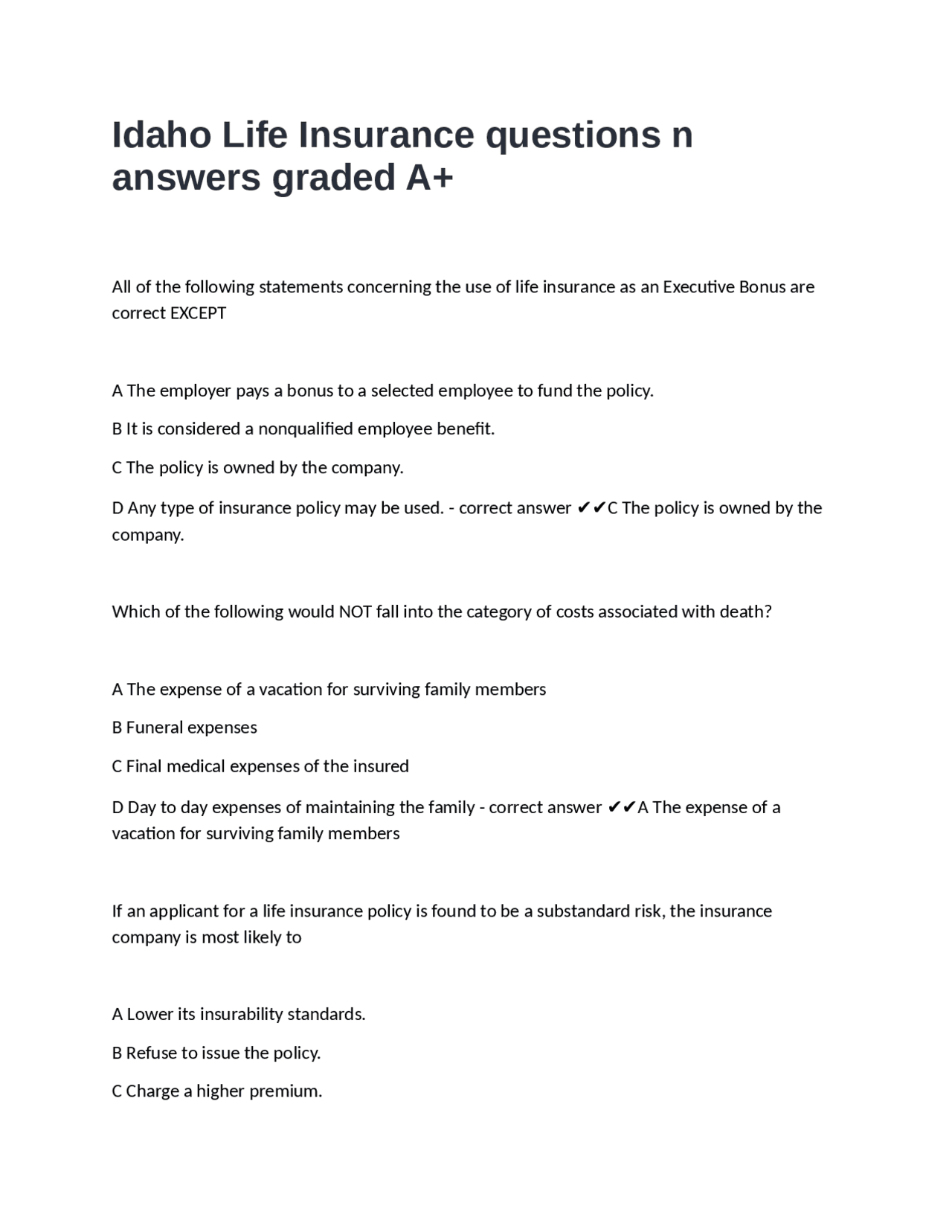
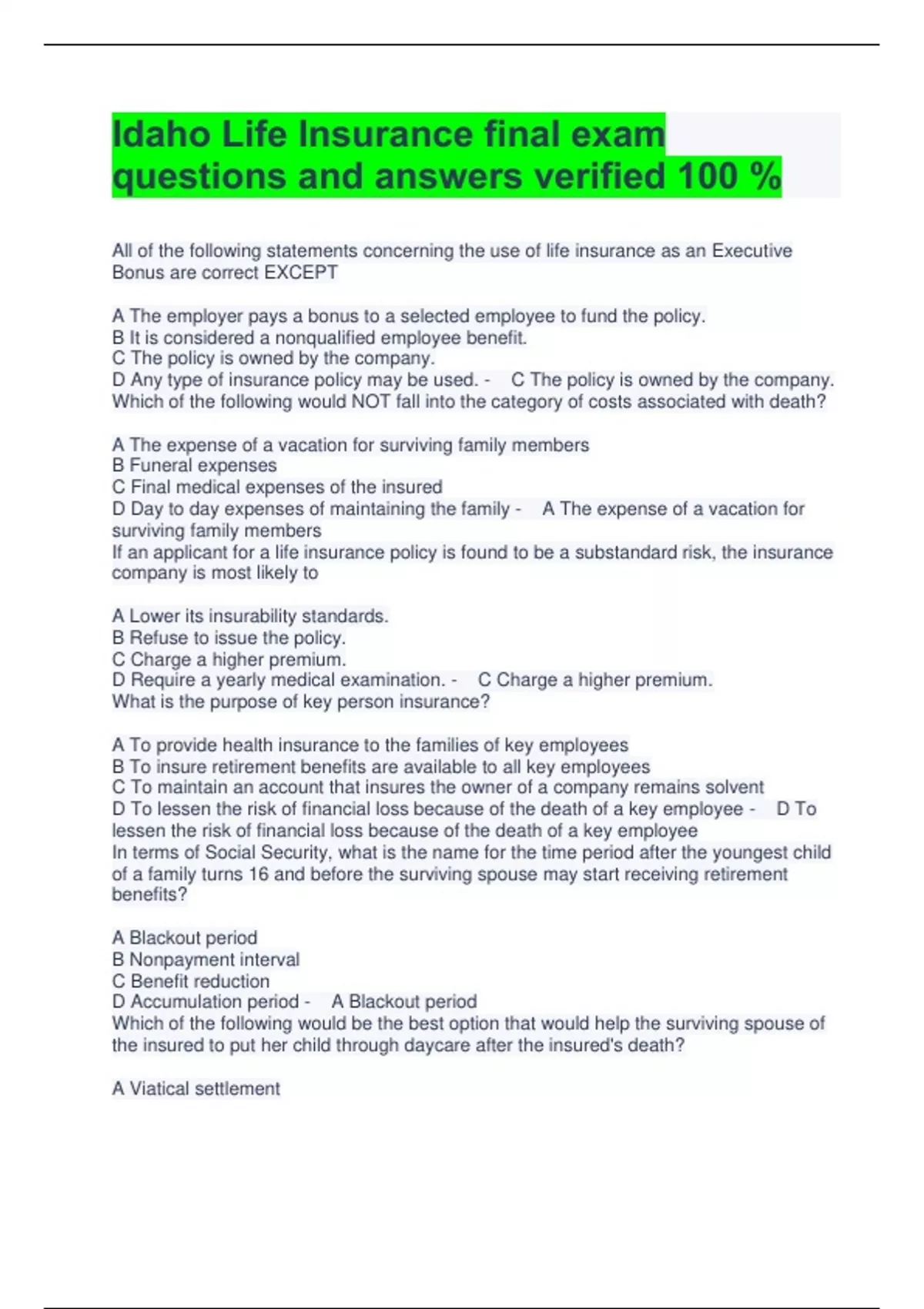
Unlike many other states that require a rigid 20- to 40-hour pre-licensing course certified by the state, Idaho does not currently mandate a specific number of classroom or online hours. However, this flexibility should not be mistaken for ease. The Idaho Life Insurance Exam is rigorous, covering complex topics such as:
- Policy Types: Term life, whole life, universal life, and variable products.
- Annuities: Fixed, variable, and indexed annuity structures.
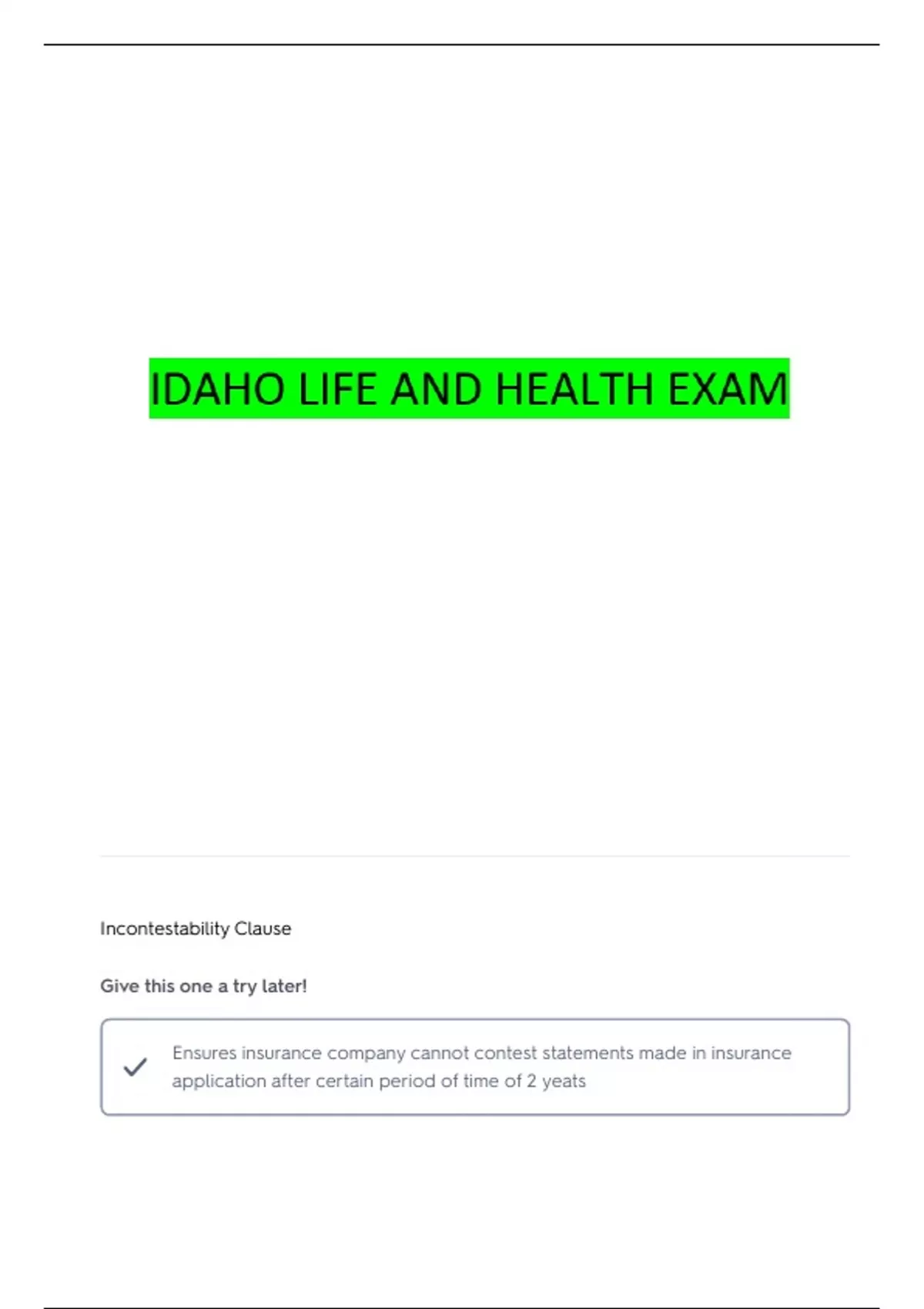
- Policy Provisions: Incontestability clauses, suicide clauses, and grace periods.
- Taxation: The federal and state tax implications of premiums and death benefits.
- Idaho-Specific Statutes: Laws regarding unfair trade practices, replacement regulations, and the powers of the Director of Insurance.
Most successful candidates in 2026 utilize third-party study providers to prepare. These courses simulate the testing environment and ensure that the candidate understands both the national "general" insurance concepts and the "state" specific laws unique to Idaho.
Step-by-Step Licensing Procedure
Navigating the licensing process requires following a specific order of operations. Deviating from this order can result in processing delays or the expiration of background check results.
1. Fingerprinting and Background Checks
Idaho law requires all new resident applicants to submit fingerprints for a criminal history background check. In 2026, this is typically handled through authorized vendors such as IdentoGO.
Candidates should schedule their fingerprinting appointment as close as possible to their exam date. The results are sent directly to the Department of Insurance and are used to verify the information provided on the NIPR application. It is crucial to disclose all past legal issues accurately; failure to disclose a "withheld judgment" or a "dismissed" charge that still appears on a record is one of the most common reasons for application denial in Idaho.
2. Registering for and Passing the Exam
The state of Idaho contracts with Prometric to administer insurance exams. You must register for the "Life" producer exam (or the combined "Life and Health" exam if you intend to sell both).
The exam is a timed, proctored test. In 2026, candidates have the option to take the exam at a physical Prometric testing center (located in cities like Boise, Meridian, or Idaho Falls) or via a remotely proctored online platform. A passing score is generally 70%. If you fail, you may retake the exam, though you must pay the exam fee for each attempt.
3. Submitting the NIPR Application
Once you have passed the exam, your results are electronically transmitted to the Idaho DOI. You then visit the National Insurance Producer Registry (NIPR) to submit your formal application.
The NIPR serves as a central clearinghouse for insurance licensing across the United States. During the application, you will pay the Idaho state licensing fee. In 2026, the DOI typically processes clean applications (those with no criminal history or background issues) within 5 to 10 business days.
2026 Idaho Life Insurance Licensing Costs
Pursuing a license involves several distinct fees. These costs are subject to periodic adjustments by the Department of Insurance and third-party vendors.
| Expense Item | Estimated Cost (2026) | Frequency |
|---|---|---|
| Exam Fee (Prometric) | $60.00 | Per attempt |
| Fingerprinting & Background Check | $75.00 | Once (Initial) |
| Initial License Application Fee | $80.00 | Every 2 years |
| Pre-Licensing Study Materials | $150.00 - $300.00 | Optional but recommended |
| License Renewal Fee | $80.00 | Every 2 years |
Note: Fees may vary slightly based on the specific vendor used for fingerprinting and whether a candidate chooses a combined Life and Health license.
Non-Resident Licenses and Reciprocity
If you are already licensed in another state (your "home state"), obtaining an Idaho license is significantly simpler. Idaho participates in the NAIC Reciprocity Agreement.
To obtain a non-resident Idaho life insurance license, you do not need to take the Idaho exam or submit fingerprints, provided your home state license is in good standing and offers similar reciprocity to Idaho residents. You simply apply through NIPR and pay the non-resident fee. This allows national agencies to expand their footprint into Idaho with minimal regulatory friction.
Maintaining Your License: Continuing Education (CE)
Once you are licensed, the work is not over. To keep an Idaho life insurance license active, producers must satisfy Continuing Education (CE) requirements every two years.
For the 2026-2028 cycle, the requirements are:
- Total Credits: 24 hours of approved CE.
- Ethics Requirement: At least 3 of those 24 hours must be in a course specifically designated as "Ethics."
- Deadline: The CE must be completed and the renewal application submitted by the last day of the producer's birth month every two years.
Idaho is a "CE-comply-to-renew" state, meaning the DOI will not process your renewal application until the CE providers have uploaded your credits to the state database. It is highly recommended to complete these hours at least 30 days before your license expiration to avoid a lapse in authority.
Common Pitfalls to Avoid
The path to licensure in Idaho is straightforward, yet many candidates encounter avoidable hurdles.
- Inconsistent Disclosures: Ensure that the names and dates on your background check match your NIPR application exactly. Discrepancies in middle names or suffixes can trigger manual reviews.
- Waiting Too Long After the Exam: Exam scores have a shelf life. In Idaho, you generally must apply for your license within one year of passing the exam. If you wait longer, you will be required to retake the test.
- Neglecting State-Specific Laws: Many study guides focus heavily on national insurance concepts. However, the Idaho-specific portion of the exam is often where candidates struggle. Pay close attention to Idaho's "Free Look" period (usually 10 days for life insurance) and the specific powers of the Idaho Director of Insurance.
Frequently Asked Questions
Do I need a high school diploma to get an Idaho insurance license?
While Idaho law does not explicitly list a high school diploma as a requirement, the complexity of the exam and the fiduciary responsibility of the role generally necessitate a high school level of education or equivalent (GED). You must be able to comprehend legal statutes and perform basic financial mathematics.
How many times can I retake the Idaho life insurance exam?
There is no statutory limit on the number of times you can attempt the exam in Idaho. However, Prometric requires a waiting period between attempts, and you must pay the full exam fee each time. If you fail multiple times, it is advisable to change your study method or provider before another attempt.
Can I sell health insurance with a life insurance license in Idaho?
No. Life insurance and health insurance are separate "Lines of Authority" in Idaho. To sell health insurance (including disability and long-term care), you must pass the Health Insurance Exam and have that authority added to your license. Many producers choose to take a combined "Life and Health" course and exam to broaden their service offerings.
How do I check the status of my Idaho insurance license?
You can verify the status of any insurance license through the Idaho Department of Insurance website or via the NIPR Producer Database. This is useful for confirming that your renewal has been processed or for providing proof of licensure to potential employers.
Is there a "grace period" for license renewals in Idaho?
Idaho does not offer a formal grace period where you can continue to sell insurance after your license expires. If you fail to renew by your birth month deadline, your license will expire, and you must cease all insurance activity immediately. You may be able to reinstate the license within a specific timeframe by paying a double fee and completing CE, but you cannot conduct business during the lapse.
Practical Recommendations
For those seeking to enter the Idaho insurance market in 2026, the most efficient path is to prioritize the fingerprinting process first, as background check processing is often the longest lead-time item. Concurrently, enroll in a reputable online pre-licensing program that offers Idaho-specific modules.
Once licensed, join a professional organization such as the National Association of Insurance and Financial Advisors (NAIFA) - Idaho chapter. Networking with established producers can provide insights into local market trends and help you stay abreast of the evolving regulatory environment in the Gem State.
Image Gallery