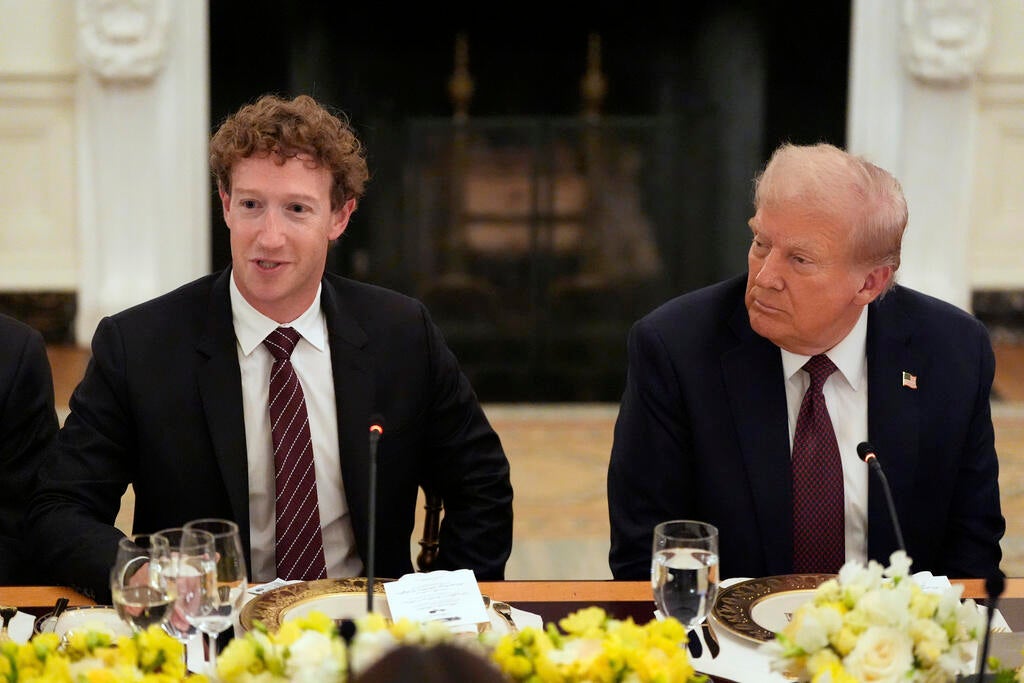
The Intrigue Behind the Musk Dinner That Sparked Debate
The intrigue behind the Musk dinner that sparked debate centers on a private March 2024 meeting in Palm Beach, Florida, hosted by billionaire Nelson Peltz. This gathering, attended by Elon Musk and Donald Trump, signaled a seismic shif...
The intrigue behind the Musk dinner that sparked debate centers on a private March 2024 meeting in Palm Beach, Florida, hosted by billionaire Nelson Peltz. This gathering, attended by Elon Musk and Donald Trump, signaled a seismic shift in Musk’s political neutrality, eventually leading to massive campaign contributions and a redefined relationship between tech leaders and federal power.
Contents
The event, which took place at Peltz’s sprawling seaside estate, was not merely a social gathering. It represented a strategic alignment of interests between the world’s wealthiest individual, an activist investor, and a former president seeking a return to the White House. From the vantage point of 2026, we can clearly see this evening as the catalyst for the modern "techno-political" alliance that has reshaped both Silicon Valley and Washington D.C.
The Palm Beach Meeting: Decoding the 2024 Convergence
The debate surrounding the Palm Beach dinner was ignited by the suddenness of Elon Musk’s pivot. For years, Musk had positioned himself as a political centrist, famously stating that he preferred to stay out of the fray to focus on his missions with Tesla and SpaceX. However, as the 2024 election cycle intensified, Musk’s public rhetoric on X (formerly Twitter) began to align more closely with conservative viewpoints, particularly regarding immigration, government overreach, and "woke" ideology.
The dinner served as the formalization of this transition. While the meeting was initially kept private, news of its occurrence leaked almost immediately, prompting intense speculation about Musk’s financial commitments. At the time, Musk publicly declared on his platform, "To be super clear, I am not donating money to either candidate for US President." However, history has shown that while he may not have written a direct check to a campaign committee that day, the dinner laid the groundwork for the formation of America PAC, a super PAC that would eventually play a decisive role in the 2024 ground game.
The intrigue was deepened by the presence of Nelson Peltz, a figure known for his aggressive "activist" approach to corporate boardrooms. Peltz’s involvement suggested that the dinner was about more than just personal chemistry; it was about the institutionalization of a new donor class that viewed the existing administrative state as an existential threat to American innovation and industrial capacity.
The Architect of the Evening: Nelson Peltz’s Strategic Role
Understanding the debate requires looking at Nelson Peltz’s role as the intermediary. Peltz, the founder of Trian Fund Management, has a long history of seeking influence in both the financial and political sectors. By hosting Musk and Trump, Peltz acted as a bridge between the "old guard" of the Republican donor base and the "new guard" of Silicon Valley's dissident tech elite.
The debate sparked by this dinner often focused on whether Peltz was leveraging Musk’s massive social media reach to bolster a political movement or if Musk was using Peltz’s political connections to insulate his various business interests—Tesla, SpaceX, xAI, and Neuralink—from regulatory scrutiny. Critics argued that the dinner represented a "pay-to-play" framework, while supporters viewed it as a necessary coalition of builders standing against what they termed "bureaucratic stagnation."
In the months following the dinner, the relationship between Musk and the Peltz family became even more visible. Musk’s presence at various high-level summits and social events hosted by the Peltz family reinforced the idea that the March meeting was the start of a long-term ideological and strategic partnership, rather than a one-off encounter.
Policy Over Personalities: The Core Discussion Points
While the specific transcript of the dinner remains private, the subsequent actions of the participants provide a clear roadmap of what was discussed. The debate wasn't just about who liked whom; it was about specific policy shifts that would benefit the Musk empire and the broader tech sector.
1. Immigration and Border Security
Musk had become increasingly vocal about border security in the weeks leading up to the dinner. The discussion likely centered on the economic impacts of current immigration policies and how a future administration might handle the influx of migrants. For Musk, this was framed as a concern for national stability, which is a prerequisite for his long-term goals of multi-planetary expansion and sustainable energy.
2. Deregulation and the "DOGE" Concept
The intrigue surrounding the dinner often points to early discussions about government efficiency. It was during this period that the seeds were planted for what would eventually be discussed as a "Government Efficiency Commission." Musk’s frustrations with the Federal Aviation Administration (FAA) regarding SpaceX launches and the National Highway Traffic Safety Administration (NHTSA) regarding Tesla’s Full Self-Driving (FSD) software were no secret. The dinner provided a venue to discuss how a change in leadership could streamline these processes.
3. Artificial Intelligence and National Security
With the rise of xAI and the global race for AI supremacy, Musk had a vested interest in ensuring that U.S. policy favored domestic innovation over restrictive safety regulations that he believed would only give an advantage to foreign adversaries. The dinner likely touched on the strategic importance of computing power and the energy infrastructure required to support it.
Comparative Dynamics: Silicon Valley’s Political Shift
The dinner sparked debate because it highlighted a growing rift in Silicon Valley. Historically a bastion of Democratic support, the tech sector began to fragment in 2024. The following table illustrates the shift in focus and alignment that was accelerated by the Musk-Peltz dinner.
| Feature | Traditional Tech Alignment (Pre-2024) | The "New Tech" Alignment (Post-Musk Dinner) |
|---|---|---|
| Primary Platform | Traditional Media / Lobbying | X (formerly Twitter) / Direct Social Engagement |
| Regulatory View | Cautious cooperation with agencies | Disruptive challenge to "the administrative state" |
| Political Lean | Predominantly Center-Left / Democratic | Increasing Center-Right / Libertarian-Populist |
| Key Issues | Social justice, climate tech (subsidized) | Border security, government efficiency, AI deregulation |
| Funding Style | Large, quiet donations to DNC | Loud, public-facing Super PACs (America PAC) |
The Fallout: Public Reaction and Media Scrutiny
The immediate aftermath of the dinner was characterized by a media firestorm. Mainstream outlets questioned the ethics of a federal contractor (SpaceX) and a heavily regulated automaker (Tesla) engaging so closely with a presidential candidate. The debate centered on the potential for conflicts of interest. If Musk’s preferred candidate won, would SpaceX receive more favorable contracts? Would Tesla’s regulatory hurdles vanish?
Conversely, Musk’s supporters argued that the "intrigue" was a manufactured narrative by a legacy media establishment threatened by Musk’s control over X. They contended that Musk was simply exercising his right as a citizen and business leader to engage with political figures who shared his vision for American "dynamism."
The debate also extended into the financial world. Tesla shareholders were divided; some feared that Musk’s political activities would alienate the company’s core customer base (which historically skewed liberal), while others believed that his alignment with a pro-business administration would lead to significant long-term gains in market capitalization through reduced regulatory overhead.
The 2026 Perspective: A Lasting Legacy
Looking back from 2026, the Palm Beach dinner is no longer seen as a mystery, but as a turning point. It was the moment the "Silicon Valley Consensus" broke. The intrigue has settled into a recognized historical fact: the dinner was the opening move in a campaign that successfully merged the interests of the high-tech frontier with a new brand of nationalistic populism.
The debates of 2024 paved the way for the regulatory environment we see today in 2026, where government efficiency and the acceleration of AI development are prioritized. The dinner didn't just spark a debate; it started a movement that redefined how private capital interacts with public policy.
Frequently Asked Questions
Did Elon Musk donate money directly to the campaign during the dinner?
No. Direct reports and subsequent filings indicate that Musk did not write a check to the Trump campaign or the RNC on the night of the dinner. Instead, the meeting served as a strategic alignment session. It wasn't until several months later that Musk's financial support manifested through the creation and funding of America PAC, which focused on voter mobilization and data-driven campaigning rather than direct candidate contributions.
Who else attended the Palm Beach dinner besides Musk, Trump, and Peltz?
While the guest list was kept highly confidential, several reports indicated that a small number of high-net-worth Republican donors and close advisors to the former president were present. The small, intimate nature of the gathering was a deliberate choice to allow for a candid exchange of ideas regarding the economy, tech regulation, and the 2024 election strategy.
Why did the dinner spark so much debate compared to other billionaire meetings?
The intensity of the debate was driven by Musk’s unique position as the owner of X. Unlike other billionaires who influence politics quietly, Musk’s ownership of a major communication platform meant that his political shift had immediate and visible consequences for public discourse. Critics feared that his political alignment would result in the "weaponization" of the platform’s algorithm, a claim Musk and his team consistently denied, citing a commitment to free speech.
How did the dinner impact Tesla’s stock price at the time?
The immediate impact on Tesla’s stock was volatile. In the days following the news of the meeting, the stock experienced fluctuations as investors weighed the benefits of potential deregulation against the risks of brand erosion. In the long run, however, the market began to price in Musk’s political influence as a strategic asset, especially as he became more central to discussions regarding national industrial policy.
Was the dinner legal under campaign finance laws?
Yes. Meeting with a political candidate is a protected form of association and speech. As long as no "coordinated" spending happened that violated the strict boundaries between individuals and campaigns, the meeting was entirely within the bounds of U.S. law. The scrutiny was largely focused on the ethics and the potential for future policy "quid pro quo" rather than immediate legal violations.
Practical Recommendation: Analyzing Political Risk in Tech
For investors and analysts looking at the landscape in 2026, the lesson of the Musk dinner is that "founder-led" companies are increasingly inseparable from the political identities of their leaders. When evaluating a company’s risk profile, it is no longer sufficient to look at balance sheets and product pipelines; one must also account for the strategic political alliances of its executives.
To navigate this environment, stakeholders should monitor the formation of "ideological blocs" within the tech sector. Identifying which leaders are aligning with specific policy frameworks early can provide a significant advantage in predicting regulatory shifts and market movements.
Image Gallery