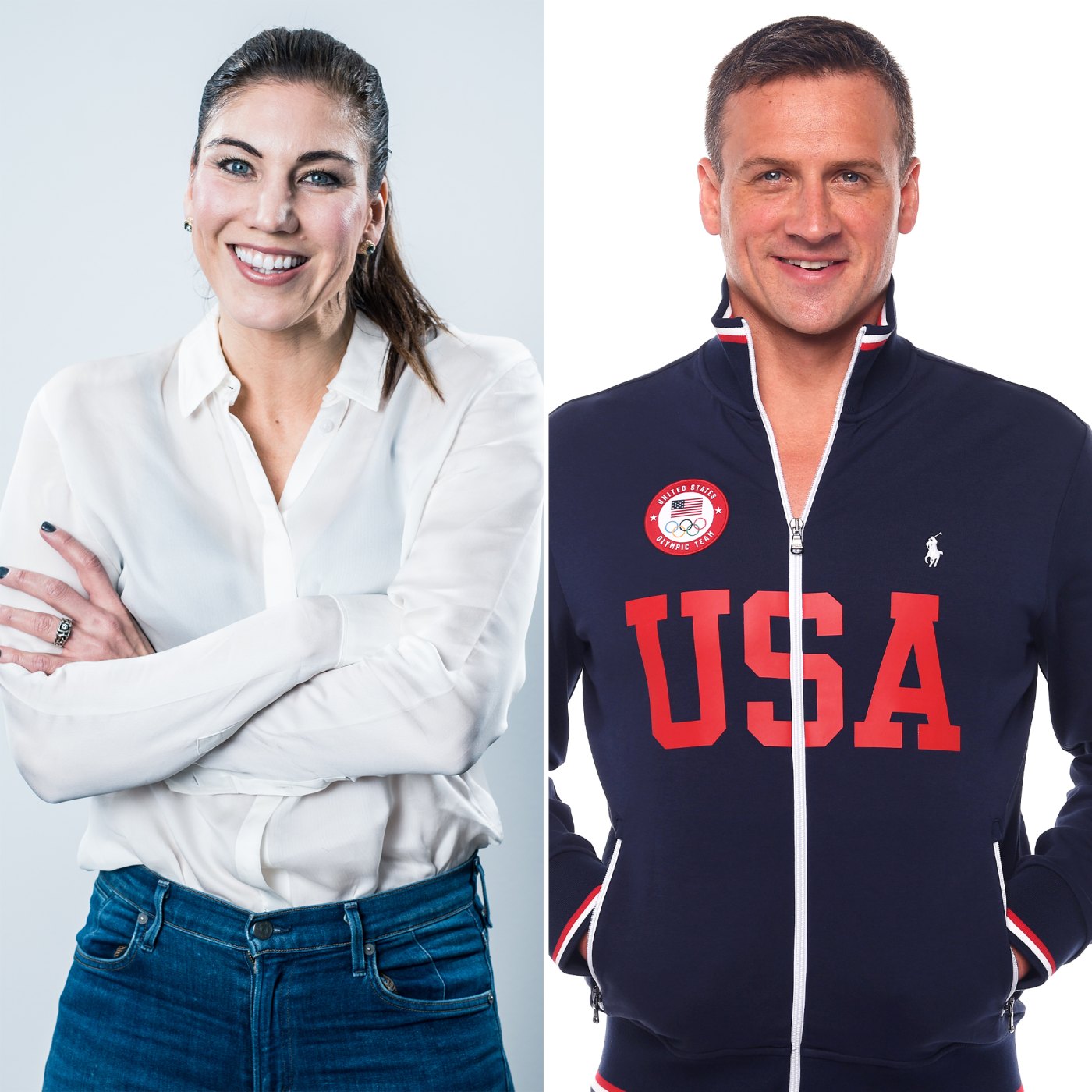
The Olympic Village Stories That Shape Athletes' Lives: Inside the High-Stakes World of Elite Olympic Living
The Olympic Village serves as a temporary micro-city where thousands of elite competitors live, dine, and train side by side during the Olympic Games. Far beyond basic lodging, this high-density environment profoundly impacts athletes'...
The Olympic Village serves as a temporary micro-city where thousands of elite competitors live, dine, and train side by side during the Olympic Games. Far beyond basic lodging, this high-density environment profoundly impacts athletes' psychological readiness, international relationships, and performance outcomes through a unique blend of intense pressure, cross-cultural camaraderie, and specialized logistical management.
Contents
The Historical Evolution of the Olympic Village
The concept of housing international competitors in a central location was created to foster peace and eliminate equitable housing discrepancies among participating nations. Before dedicated villages existed, athletes stayed in scattered hotels, academic dormitories, or aboard passenger ships docked near host cities.
Early Milestones: Paris 1924 and Los Angeles 1932
The first rudimentary Olympic Village was constructed for the Paris 1924 Games, featuring temporary wooden cabins at Colombes equipped with basic running water and dining facilities. However, the Los Angeles 1932 Games established the blueprint for modern athlete housing by building a dedicated 321-cottage complex in Baldwin Hills.
Designed specifically for male athletes—female competitors were housed at the luxury Chapman Park Hotel—the 1932 village introduced centralized dining halls, medical stations, fire protection, and an internal post office. This temporary enclave demonstrated that co-locating competitors significantly reduced team expenditures while facilitating international interaction.
Modern Transformation and Sustainability Trends
Over the subsequent decades, host cities transformed village designs into massive residential complexes intended for post-Games urban renewal. From the high-security perimeters introduced after Munich 1972 to the sustainable master plans of recent Olympic Games, the physical footprint reflects evolving global priorities:
- Sydney 2000: Pioneered large-scale solar power and sustainable building materials, later converting the village into a permanent residential suburb.
- Tokyo 2020: Introduced circular-economy modular infrastructure, famously using high-density recyclable cardboard bed frames by Airweave and reusable timber common space structures.
- Paris 2024: Prioritized low-carbon construction, utilizing geothermal cooling systems instead of traditional air conditioning to minimize environmental impact across its 82-building development in Seine-Saint-Denis.
Dining Hall Dynamics: Fueling Performance and Building Community
The central dining hall in an Olympic Village is one of the most complex food service operations in the world. Operating 24 hours a day during peak competition, these facilities cater to diverse nutritional requirements, religious dietary laws, and cultural preferences for over 10,000 athletes and staff.
- Olympic Dining Hall Ecosystem
- Main Buffet Zones: Asian / Euro / International / Halal
- Nutrition Support: Performance Dietitians & Allergen Tracking
- Social Crossroads: Cross-Sport & Cross-National Gathering
Caloric Demands and Dietary Diversity
Elite athletes consume anywhere from 2,500 to over 8,000 calories daily, depending on their sport discipline. Marathon runners, weightlifters, swimmers, and gymnasts require vastly different macronutrient ratios. To prevent gastrointestinal distress or nutritional deficits prior to competition, host committees employ team dietitians and international chefs to maintain strict food safety standards.
- Customized Fueling Stations: Buffets are divided into regional culinary zones, including Asian, Mediterranean, Americas, and Halal-certified options.
- Allergen and Ingredient Transparency: Detailed digital labeling allows sports nutritionists to audit precise macro breakdown profiles for competing athletes.
- Viral Culinary Trends: Shared dining experiences often generate iconic cultural moments, such as the widely documented popularity of specific bakery items and local delicacies among competitors sharing meals in host city dining halls.
The Social Crossroads of Global Sport
For many competitors, the dining hall represents the only space where world champions from disparate sports interact on equal footing. A track sprinter may share a table with an archer, or a heavyweight wrestler might dine alongside an artistic swimmer. This informal environment breaks down competitive boundaries, allowing athletes to exchange training philosophies and cope with pre-event anxiety in a shared setting.
The Psychological Environment: Pressure, Focus, and Living Conditions
While the Olympic Village offers unique amenities, it presents distinct psychological and environmental challenges that can directly influence competition results. Managing sleep disruption, environmental control, and social noise requires deliberate adaptation strategies from national Olympic committees.
Rooming Logistics and Sleep Architecture
Living quarters within the village are typically minimalist and temporary. Rooms are frequently shared between teammates, with small footprints and simple furnishings. Modern organizers prioritize sustainability, which sometimes introduces physical adjustments for elite competitors:
- Bedding and Ergonomics: The modular cardboard frames introduced in recent Games support structural weight up to 200 kilograms while utilizing adjustable foam mattress segments customized to an athlete's physical profile.
- Climate Control & Noise: High-density living means managing ambient noise from celebrating teams and adjusting to climate choices, such as radiant floor cooling systems designed to lower indoor temperatures without energy-intensive compressor units.
- Digital Distractions: Access to media lounges, press zones, and personal social channels requires strict self-regulation to avoid mental fatigue before high-stakes events.
The Decompression Phase: Post-Competition Dynamics
The atmosphere inside the village shifts dramatically as individual sports conclude. While athletes preparing to compete maintain hyper-focused routines, disciplined sleep schedules, and strict diets, those who have finished their events transition into celebration and recovery mode. Managing this dual-speed ecosystem requires clear boundaries within national team blocks to ensure active competitors maintain optimal rest environments.
Comparative Analysis of Iconic Olympic Villages
Host cities tailor their athlete accommodations around urban infrastructure goals, climate requirements, and sustainability standards. The following table highlights structural and operational differences across historic and modern Olympic Villages:
| Host City & Year | Primary Housing Innovation | Key Operational Focus | Long-Term Post-Games Legacy |
|---|---|---|---|
| Los Angeles 1932 | 321 temporary wooden cottages | Centralized medical & dining facilities | Dismantled post-Games; set village standard |
| Munich 1972 | High-density pedestrian-only plazas | Integrated transport & security zones | Converted into residential housing and student apartments |
| Sydney 2000 | Solar-powered permanent homes | Environmental sustainability & waste reduction | Transformed into Newington residential community |
| London 2012 | High-rise apartment architecture | Accessibility & public transit connectivity | Redeveloped into East Village residential housing (Stratford) |
| Tokyo 2020 | Recyclable modular cardboard bedding | Circular economy construction & health safety | Converted into commercial apartments (Harumi Flag) |
| Paris 2024 | Geothermal cooling & low-carbon wood structures | Minimal carbon footprint & urban regeneration | Converted into 2,800 permanent housing units in Seine-Saint-Denis |
Security, Privacy, and National Team Micro-Cultures
Security protocols within the village environment underwent a fundamental transformation following the tragic events at the Munich 1972 Games, where armed terrorists breached the perimeter. Contemporary Olympic Villages operate under strict security perimeters managed by international intelligence agencies, police forces, and private security contractors.
Access Control and Security Perimeters
Access to the village is strictly monitored through biometric accreditation badges, perimeter fencing, and X-ray screening points. Only verified athletes, certified coaching staff, essential medical personnel, and registered village operations staff are permitted entry. Media members and family members are confined to designated visitor centers outside the residential zones, creating an insulated environment for competitors.
- Village Accreditation Zones
- Zone 1: Residential All-Access: Athletes & Primary Support Staff
- Zone 2: Transport & Dining: Operational & Maintenance Staff
- Zone 3: Visitor Lounges: Media & Approved Guest Passes
Team Allotments and Custom Living Environments
National Olympic Committees (NOCs) receive dedicated building blocks or floor allocations within the village. Large delegations, such as the United States, China, and host nations, routinely customize their spaces to optimize performance:
- Private Medical and Recovery Suites: Teams install specialized cryotherapy units, massage tables, and private ice baths inside their residential quarters.
- Dedicated Team Chefs and Kitchens: High-budget teams often supplement main dining hall offerings with custom nutritional stations tailored to specific team schedules.
- Branding and Psychological Safe Spaces: Common areas are customized with national colors, flags, and motivational graphics to maintain a sense of familiarity and psychological safety.
Cultural Traditions: Pin Trading and Global Networking
Beyond the athletic competition, the village hosts long-standing social traditions that connect competitors across languages and political boundaries.
The Art of Pin Trading
Olympic pin trading is an informal economy that flourishes inside the village. Athletes, officials, and volunteers collect and swap enamel lapel pins representing national committees, individual sports federations, and sponsors.
Trading spots emerge naturally near common areas, dining hall entrances, and transport hubs. For many athletes, building an extensive pin collection serves as a tangible record of their international connections and personal Olympic journey.
Lifelong Alliances and Cross-Discipline Collaboration
The shared experience of elite competition creates bonds that extend far beyond the fortnight of the Games. Competitors frequently establish lifelong personal and professional networks. International training partnerships, sport policy initiatives, and multi-national coaching staff networks often trace their origins to informal conversations initiated in Olympic Village common areas.
Key Strategies for Athletes Navigating Village Life
For first-time Olympians, entering the high-energy village environment can lead to sensory overload. Sports psychologists and experienced team managers recommend actionable protocols to preserve focus:
- Establish a Controlled Daily Routine: Replicate domestic pre-competition timelines regarding sleep, meals, and treatment times despite external distractions.
- Manage Environment and Hygiene: Utilize personal bedding, earplugs, blackout curtains, and sound machines to stabilize sleep hygiene in unfamiliar living spaces.
- Set Clear Digital Boundaries: Limit screen time and social media interaction during competition days to preserve emotional and mental bandwidth.
- Plan Dining Logistics Early: Walk through the central dining hall during low-traffic hours during the first two days to identify optimal nutritional choices without standing in long peak-hour queues.
- Utilize Designated Quiet Spaces: Take advantage of organized quiet rooms, religious centers, and green zones provided within the village footprint for mental decompression.
Frequently Asked Questions
How are athletes assigned housing within the Olympic Village?
Housing allocations are managed by national Olympic committees based on the square footage assigned by the host organizing committee. Delegation leaders assign rooms based on competition schedules, sport disciplines, and team needs, typically grouping athletes by sport to prevent sleep disruption from early-morning or late-night schedules.
Are family members allowed inside the residential areas of the village?
Family members and personal guests are not permitted inside the secured athlete residential zones. Host committees establish separate visitor centers outside the primary security perimeter where athletes can meet guests during designated off-hours.
What happens to the Olympic Village infrastructure after the Games?
Modern Olympic Villages are engineered with pre-funded post-Games legacy plans. Most complexes are converted into long-term residential housing, student accommodations, or commercial real estate developments. For example, the Tokyo 2020 village was repurposed into the Harumi Flag residential neighborhood, while the Paris 2024 site delivers permanent public housing and commercial space for Seine-Saint-Denis.
Why do recent Olympic Villages use recyclable or modular furnishings?
Host organizing committees implement modular and recyclable furnishings to satisfy international sustainability standards and lower carbon footprints. Utilizing materials like cardboard bed frames and reusable timber structures reduces manufacturing waste, lowers transportation emissions, and allows materials to be fully recycled into commercial paper or timber products post-Games.
How do national teams maintain dietary compliance inside the village?
National delegations work alongside host organizing committees months before the Games to verify menu options and ingredient sourcing. NOCs deploy sports dietitians to monitor main dining operations, provide team-specific guidance, and, in some cases, establish private team pantry facilities within their assigned residential blocks.
Preparing for the Olympic Village Experience
Navigating the Olympic Village requires a balance between enjoying a once-in-a-lifetime global gathering and maintaining the tactical discipline required for peak athletic performance. Athletes, coaches, and support staff who proactively manage their living conditions, sleep schedules, and social interactions convert the energy of the village into a competitive advantage on the world stage.
To explore further research on athletic performance logistics, consult official guidelines provided by the International Olympic Committee or review national sport governance standards.
Image Gallery