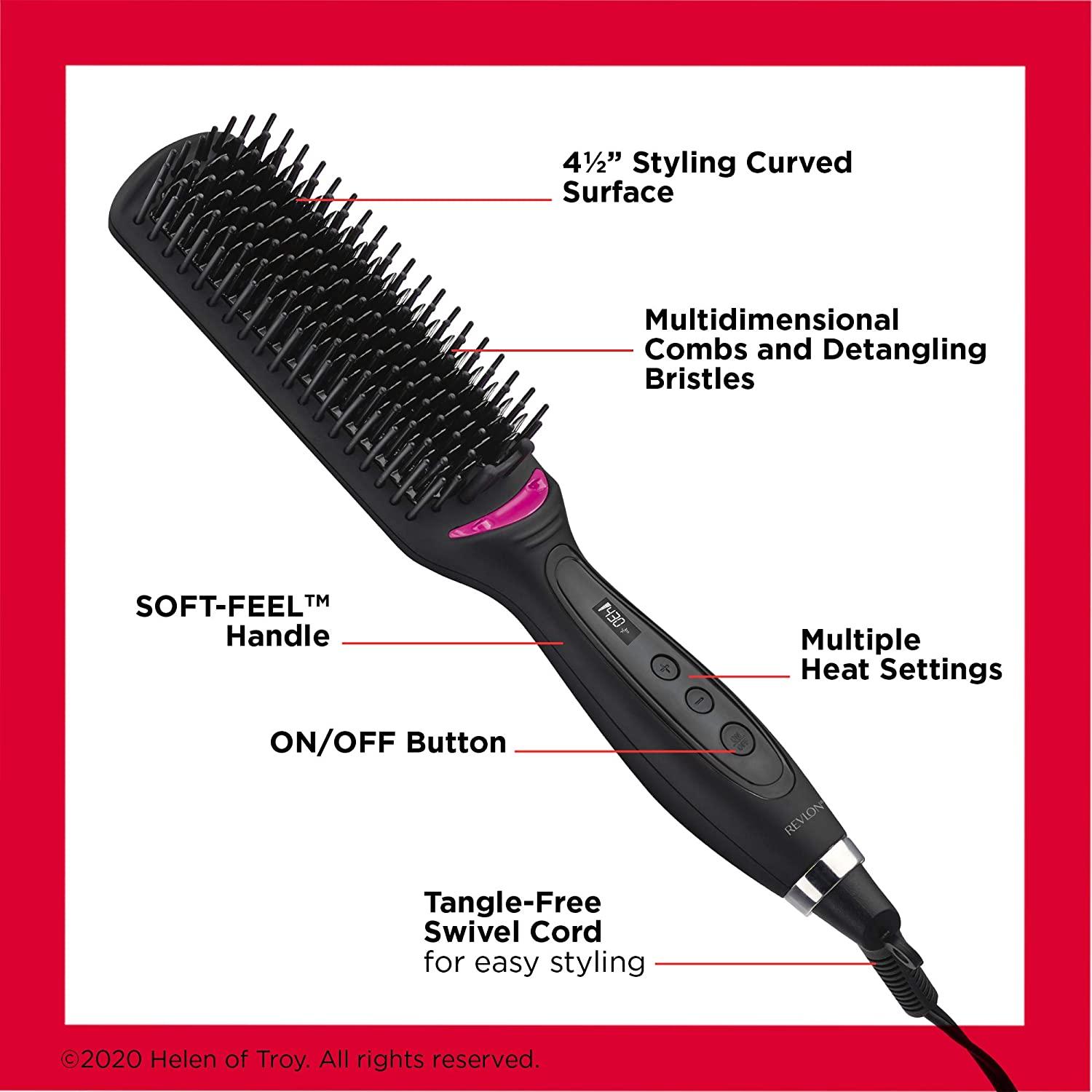
How Heated Hair Products Affect Styling Safety
Heated hair products impact styling safety by fundamentally altering the hair's physical and chemical structure. When temperatures exceed specific thresholds—typically 350°F (177°C)—thermal energy breaks hydrogen bonds and can denature...
Heated hair products impact styling safety by fundamentally altering the hair's physical and chemical structure. When temperatures exceed specific thresholds—typically 350°F (177°C)—thermal energy breaks hydrogen bonds and can denature keratin proteins. Safety depends on managing heat distribution, using protective barriers, and matching tool intensity to the hair’s specific porosity and thickness.
Contents
The Bio-Physics of Heat and Hair Structure
To understand how heated hair products affect styling safety, one must first understand the biological composition of the hair shaft. Hair is primarily composed of keratin, a fibrous structural protein held together by various chemical bonds. When we use heat to style hair, we are specifically targeting the hydrogen bonds. These bonds are weak and easily broken by heat or water, allowing the hair to be reshaped into a new form (curled or straightened) as it cools or dries.
However, styling safety becomes a concern when the heat penetrates deeper than the hydrogen bonds. The hair shaft consists of three main layers: the cuticle (the protective outer scale), the cortex (the thickest layer containing pigments and proteins), and occasionally the medulla (the innermost core). Safe styling preserves the cuticle's flatness and the cortex's moisture content.
In 2026, advanced trichological research highlights that "styling safety" is not just about avoiding immediate burns, but about preventing the permanent degradation of the alpha-helix structure of the keratin. Once the temperature reaches the "glass transition temperature" of hair, the fiber becomes more plastic and susceptible to permanent deformation or structural failure. If the heat is too high, the keratin undergoes a phase transition from alpha-keratin to beta-keratin, which eventually leads to a loss of elasticity and strength.
Primary Risks of Thermal Styling
The misuse of heated hair products poses several documented risks to the integrity of the hair and the safety of the scalp.
1. The "Bubble Hair" Phenomenon
One of the most significant safety risks occurs when heat is applied to damp or wet hair. If the water inside the hair cortex is heated too rapidly, it turns into steam. Because the steam is trapped within the hair shaft, it expands and creates microscopic voids or "bubbles." These bubbles weaken the hair significantly, making it prone to snapping at the slightest tension. This condition, known clinically as trichorrhexis nodosa, is irreversible.
2. Lipid Depletion and Cuticle Cracking
Hair contains natural lipids (oils) that provide shine and a hydrophobic barrier. Excessive heat "melts" these lipids and strips them away. Without this lipid layer, the cuticle scales begin to lift and crack. A lifted cuticle allows moisture to escape and environmental pollutants to enter, leading to chronic dryness and "weathered" hair.
3. Scalp and Dermal Thermal Injury
Beyond the hair fiber, styling safety involves the prevention of contact burns. Most professional flat irons and curling wands in 2026 can reach temperatures of 450°F (232°C). At these temperatures, even a split-second contact with the scalp, ears, or neck can cause second-degree burns. Furthermore, the cumulative effect of high heat near the scalp can dehydrate the skin, potentially leading to inflammation and affecting the health of the hair follicles.
Essential Temperature Thresholds for Safety
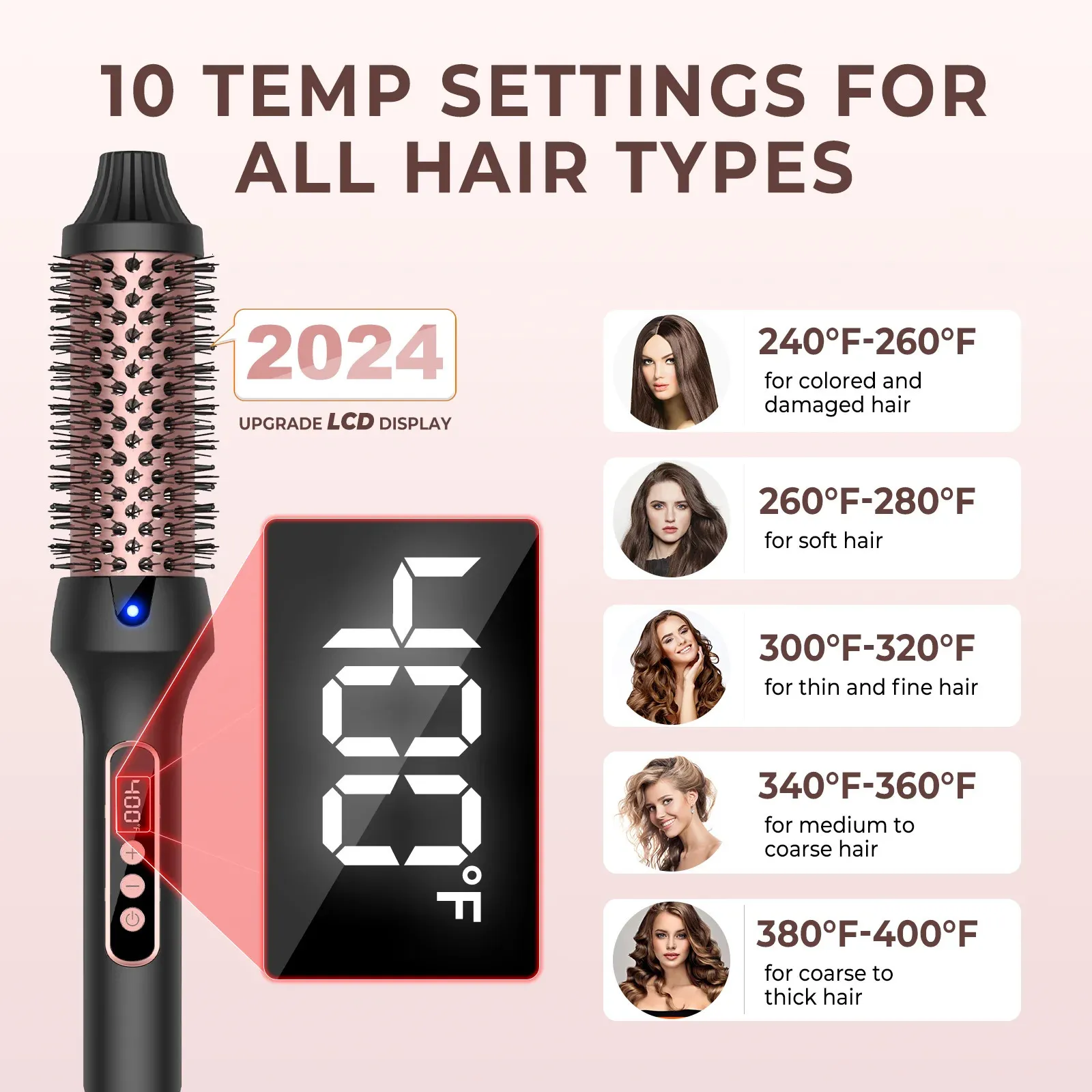
Safety is largely a matter of temperature regulation. Modern styling tools now often include precise digital sensors to prevent "heat spikes." The following guidelines represent the consensus for styling safety based on hair morphology:
- Fine or Chemically Processed Hair: 250°F to 300°F (121°C to 149°C). Fine hair has a thinner cortex and is more easily damaged. Chemically treated hair (bleached or permed) is already porous, making it highly sensitive to thermal energy.
- Medium or Healthy Hair: 300°F to 375°F (149°C to 190°C). This hair type can withstand moderate heat, but repeated passes with a tool should still be avoided.
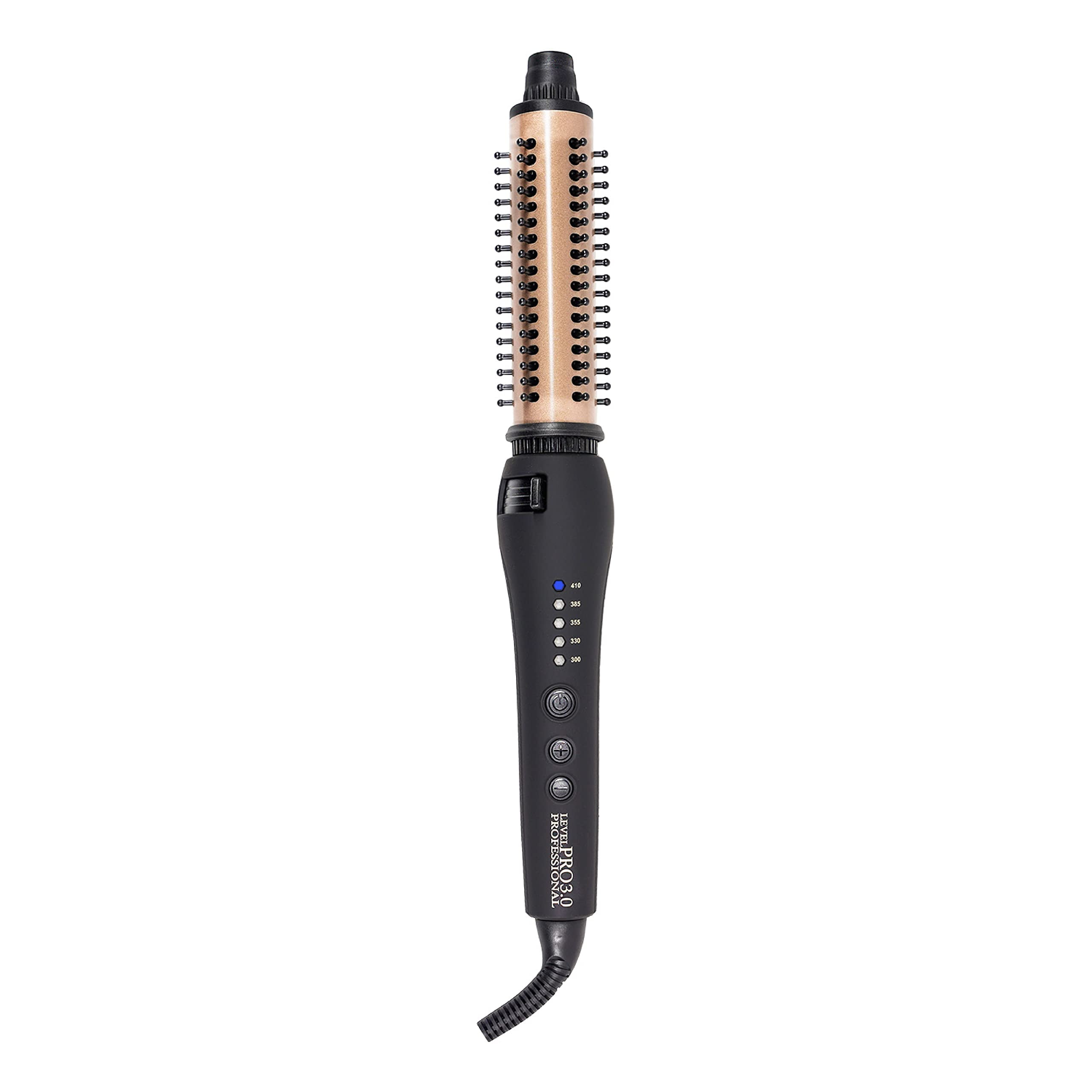
- Coarse or Thick Hair: 375°F to 410°F (190°C to 210°C). Coarse hair requires more energy to break the hydrogen bonds, but even this hair type should rarely exceed 410°F to maintain long-term safety.
Exceeding 420°F (215°C) is generally considered the "danger zone" where the destruction of the protein structure begins regardless of hair type.
The Role of Tool Material in Styling Safety
The material of the heating element significantly influences how heat is transferred to the hair. Safety is enhanced when heat is distributed evenly, preventing "hot spots" that cause localized damage.
| Material Type | Heat Transfer Method | Styling Safety Benefit | Recommended For |
|---|---|---|---|
| Ceramic | Infrared Heat | Provides even, consistent heat that penetrates the shaft from the inside out. | Fine to normal hair; minimizes surface scorching. |
| Tourmaline | Ionic/Infrared | Emits negative ions that help seal the cuticle and lock in moisture. | Frizzy or dry hair; reduces static and increases shine. |
| Titanium | Conductive Heat | Heats up extremely fast and maintains high stability. | Coarse, thick, or professional use; requires careful handling. |
| Teflon/Coated | Direct Contact | Older technology; coating can flake off, causing uneven snagging and burning. | Not recommended for modern safety standards. |
Chemical Defense: The Science of Thermal Protectants
A critical component of styling safety is the use of thermal protection agents. These products do not "block" heat entirely—if they did, the hair wouldn't style—but they manage the rate of heat transfer.
Thermal protectants typically contain polymers like PVP/VA copolymers, polyquaterniums, and various silicones (such as dimethicone). These ingredients serve two primary functions:
- Heat Distribution: They provide a low-conductivity coating that spreads the heat more evenly across the hair surface, preventing the "shock" of the hot tool.
- Moisture Preservation: They create a film that reduces the rate of water evaporation from the cortex.
In 2026, "smart" protectants also include hydrolyzed proteins that fill in existing gaps in the hair cuticle, providing a smoother surface for the tool to glide over, which reduces mechanical damage and friction.
Standard Protocols for Safe Thermal Styling
To ensure maximum safety when using heated products, follow these industry-standard protocols:
- Verification of Dryness: Never use a flat iron or curling wand on hair that is even slightly damp unless the tool is specifically designed for "wet-to-set" technology (which utilizes specific venting).
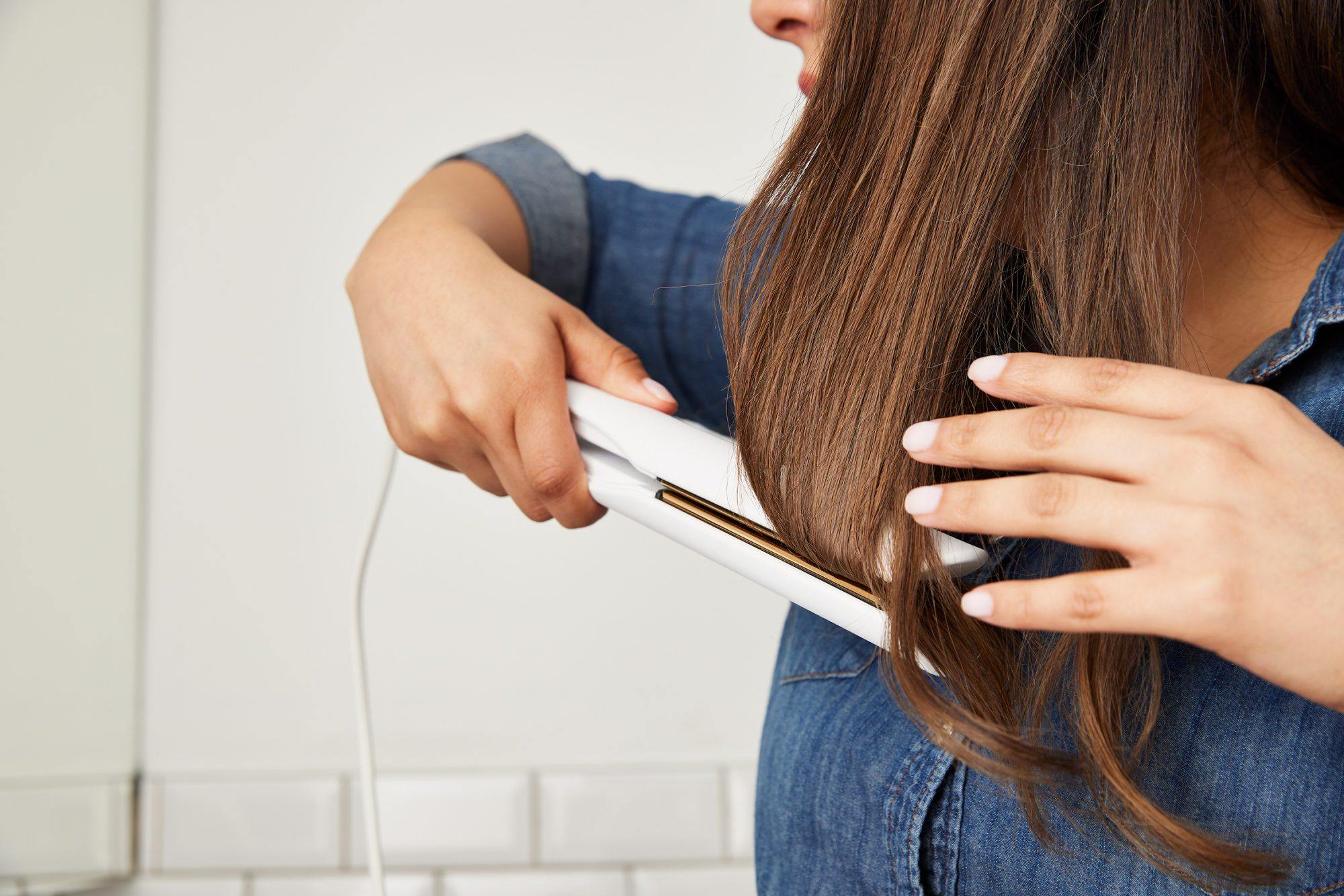
- Sectioning: Work in small, manageable sections. This ensures that the tool only needs one or two passes to achieve the desired shape. Repeatedly running a tool over the same section of hair is a leading cause of thermal degradation.
- Tool Maintenance: Inspect cords for fraying and heating plates for buildup. Burnt product residue on a flat iron can cause uneven heating and "drag" on the hair, leading to breakage.
- The "One-Pass" Goal: High-quality tools in 2026 are designed to achieve results in a single pass. If you find you need multiple passes, the temperature is likely too low for your hair type, or the tool is inefficient. Paradoxically, one pass at 350°F is often safer than four passes at 300°F.
Frequently Asked Questions
Can I safely use heated products every day?
Using heat daily is generally not recommended for long-term styling safety. Even with thermal protectants and high-end tools, the cumulative stress on the keratin proteins will eventually lead to "weathering." For most hair types, limiting heat styling to 2–3 times per week allows the hair to maintain its natural moisture balance.
Is an expensive tool actually safer than a budget one?
Usually, yes. Higher-end tools utilize better sensors (often powered by AI in 2026) that check the temperature of the plates hundreds of times per second. Budget tools often have significant temperature fluctuations, meaning a tool set to 350°F might actually spike to 400°F in certain areas, causing unexpected damage.
How do I know if my hair has been damaged by heat?
Signs of thermal damage include "white nodules" (the start of a break) at the ends of the hair, a lack of elasticity (the hair snaps instead of stretching), and a change in texture where the hair feels "crunchy" or excessively porous when wet. If the hair no longer holds a curl or remains frizzy despite using products, the internal structure may be compromised.
Does the "cool shot" button on blow dryers actually do anything for safety?
The cool shot button is vital for safety and styling. Heat breaks the bonds; cooling sets them. By using the cool shot, you "lock" the hair into its new shape instantly. This prevents the need for further heat application and helps seal the cuticle, which protects the inner cortex from environmental moisture.
Are there "safe" temperatures for synthetic hair or extensions?
Synthetic hair is often made of plastic-based fibers (like kanekalon) which have a much lower melting point than human hair. Unless the extensions are labeled "heat-friendly," any application of heat can cause them to melt instantly. Heat-friendly synthetics usually have a strict safety limit of 250°F to 275°F (121°C to 135°C).
Practical Recommendation
For optimal styling safety, always prioritize the health of the hair over the speed of the style. Invest in a tool with digital temperature control and use a professional-grade thermal protectant every time you style. Before applying heat, perform a "porosity test" by feeling your hair; if it feels rough or has been recently bleached, lower your tool's temperature by at least 20 degrees. If you encounter significant heat damage, the only true "fix" is to trim the damaged ends and implement a deep-conditioning regimen to support the remaining hair's integrity.
Image Gallery