Understanding Ramadan: How and Why This Sacred Month Is Celebrated by Muslims
Ramadan is the ninth month of the Islamic lunar calendar, observed by Muslims worldwide as a period of fasting, prayer, reflection, and community. It commemorates the first revelation of the Quran to Prophet Muhammad. The month is defi...
Ramadan is the ninth month of the Islamic lunar calendar, observed by Muslims worldwide as a period of fasting, prayer, reflection, and community. It commemorates the first revelation of the Quran to Prophet Muhammad. The month is defined by daily fasting from dawn to sunset, increased charity, and communal worship to attain higher God-consciousness (Taqwa).
Contents
The Spiritual Significance and Historical Origins of Ramadan
To understand how Ramadan is celebrated by Muslims, one must first grasp its theological foundation. Ramadan is more than a cultural tradition; it is one of the Five Pillars of Islam, the core requirements of the faith. Its primary purpose is to cultivate self-discipline, gratitude, and a deeper connection with Allah.
The historical significance of the month dates back to 610 CE. According to Islamic tradition, it was during this month—specifically on the night known as Laylat al-Qadr (The Night of Power)—that the Angel Gabriel first appeared to Muhammad and revealed the initial verses of the Quran. Consequently, Muslims view Ramadan as the "Month of the Quran," dedicating significant time to its recitation and study.
In 2026, as in every year, the observance of Ramadan serves as a spiritual "reset." It is a time for believers to purge their lives of worldly distractions and focus on their internal moral character. The act of fasting (Sawm) is intended to divert the heart away from worldly activities, its purpose being to cleanse the soul by freeing it from harmful impurities. It also serves as a poignant reminder of the suffering of those less fortunate, fostering a spirit of empathy and universal brotherhood.
The Mechanics of the Fast: Rules, Exemptions, and Requirements
Fasting during Ramadan is mandatory for all healthy adult Muslims. However, Islamic law (Sharia) is built on the principle of ease and provides clear exemptions to ensure that the practice does not cause undue physical harm.
Who Must Fast?
Participation is required for those who have reached puberty and are of sound mind and body. In 2026, the Islamic community continues to emphasize that the fast is an act of devotion, not a test of physical endurance to the point of illness.
Common Exemptions
- The Sick and Elderly: Those with chronic health conditions (such as diabetes or kidney disease) or those whose health would deteriorate by fasting are exempt.
- Pregnant and Nursing Women: If fasting poses a risk to the mother or the child, they are permitted to break the fast and make up the days later.
- Travelers: Those on a journey exceeding a certain distance (traditionally 48 miles) may choose not to fast during their travels.
- Menstruating Women: Women undergoing their menstrual cycle or postnatal bleeding are prohibited from fasting but must compensate for the missed days after Ramadan concludes.
For those who have a permanent inability to fast (such as the elderly or the chronically ill), the requirement is replaced by Fidya. This involves providing a meal to a person in need for every day of the fast missed.
A Day in the Life: Daily Rituals and Observances
The daily rhythm of life changes significantly for Muslims during Ramadan. The schedule revolves around the movement of the sun and the five daily prayers (Salat).
Suhoor: The Pre-Dawn Meal
The day begins before the first light of dawn with a meal called Suhoor. This meal is vital for maintaining energy throughout the day. Prophetic tradition encourages Muslims to eat Suhoor, even if it is just a small amount of water and dates, as it carries "Barakah" (blessing). In 2026, many Muslims utilize modern nutritional science to choose slow-release carbohydrates and high-protein foods to sustain themselves during the 12 to 16-hour fasting window.
The Fasting Hours
From the moment of the dawn prayer (Fajr) until the sunset prayer (Maghrib), Muslims abstain from:
- Eating food of any kind.
- Drinking liquids (including water).
- Smoking or using tobacco products.
- Engaging in sexual activity.
- Sinful speech (backbiting, lying, or arguing).
Iftar: Breaking the Fast
The fast is broken at sunset, traditionally with an odd number of dates and water, following the example of the Prophet. This immediate meal is called Iftar. Across the globe, Iftar is a communal event. Families gather, and many mosques host free Iftar dinners for the public, regardless of their faith or economic status.
Deepening Devotion: Prayer and the Night of Power
While fasting is the most visible aspect of Ramadan, the spiritual "heavy lifting" often occurs at night.
Taraweeh Prayers
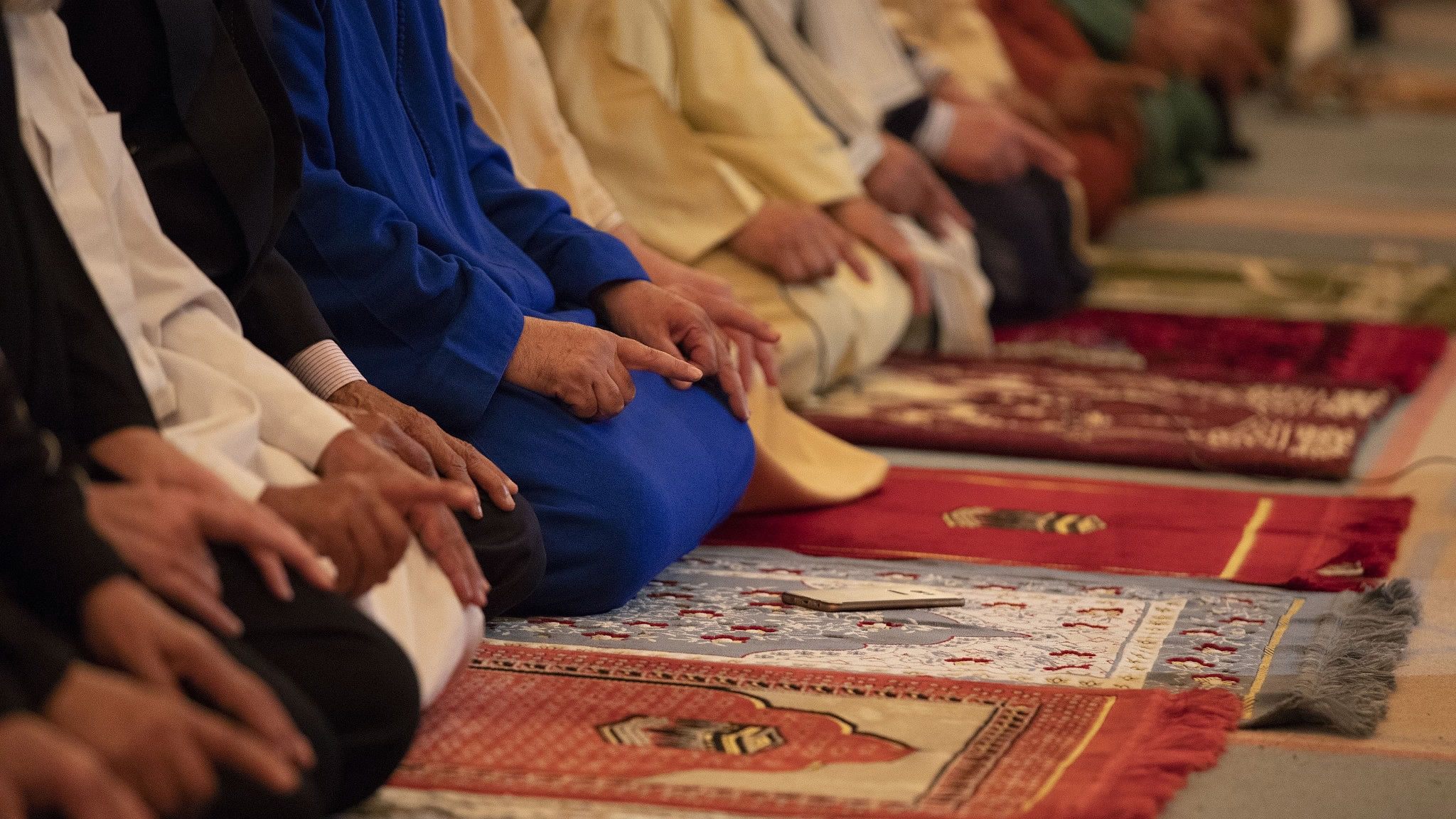
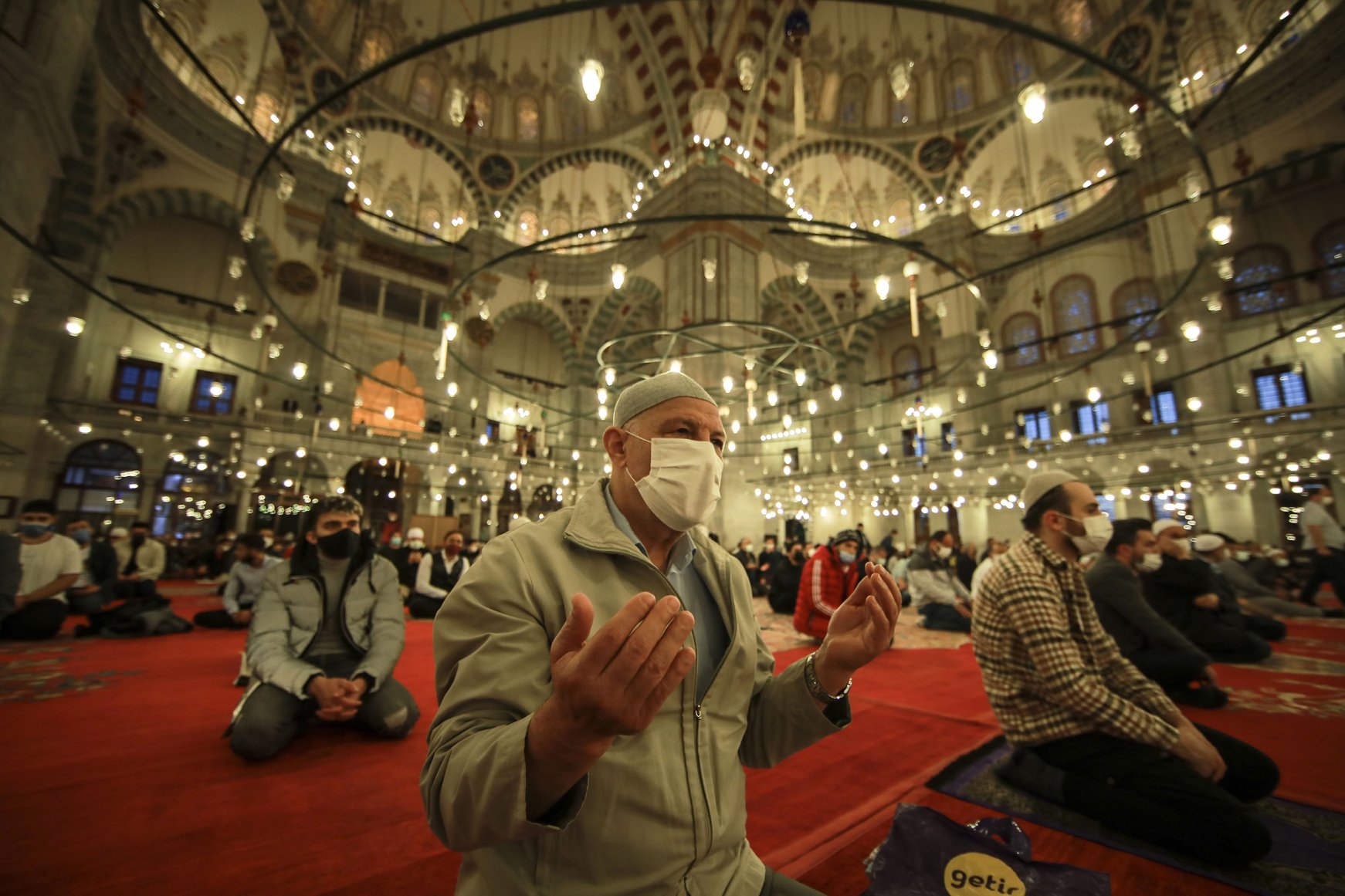
In addition to the five mandatory daily prayers, Muslims perform special night prayers called Taraweeh. These are long, congregational prayers held at the mosque where the Imam recites a portion of the Quran each night, aiming to complete the entire book by the end of the month. The atmosphere during Taraweeh is one of intense focus and communal solidarity.
Laylat al-Qadr (The Night of Power)
The last ten nights of Ramadan are considered the most sacred. Among these odd-numbered nights lies Laylat al-Qadr. The Quran describes this night as being "better than a thousand months" (Quran 97:3). Many Muslims spend these final nights in a state of Itikaf (spiritual retreat), staying in the mosque for several days to devote themselves entirely to worship, seeking forgiveness and divine decree for the coming year.
Comparison of Key Ramadan Terms and Concepts
| Term | Definition | Primary Purpose |
|---|---|---|
| Sawm | Fasting from dawn to sunset | Developing self-restraint and Taqwa (God-consciousness). |
| Suhoor | Pre-dawn meal | Physical sustenance and following the Sunnah. |
| Iftar | Sunset meal to break the fast | Gratitude and community bonding. |
| Taraweeh | Extra nightly prayers | Increased Quranic engagement and spiritual endurance. |
| Zakat al-Fitr | Mandatory charitable donation | Purifying the fast and ensuring the poor can celebrate Eid. |
| Eid al-Fitr | Festival of breaking the fast | Celebration of completing the month of devotion. |
Charity and Social Responsibility (Zakat al-Fitr)
Ramadan is a month of immense generosity. Muslims believe that rewards for good deeds are multiplied during this time. Beyond voluntary charity (Sadaqah), there is a mandatory requirement called Zakat al-Fitr.
This is a specific form of charity that must be paid before the Eid al-Fitr prayer. It is intended to allow those living in poverty to join in the celebrations of the festival. In 2026, the estimated amount for Zakat al-Fitr is usually the equivalent of one meal (often calculated as $10–$15 per person in a household). It is the responsibility of the head of the household to pay this for every dependent. Organizations like Islamic Relief provide platforms to distribute these funds to those in need globally.
Celebrating Eid al-Fitr: The Conclusion of the Month
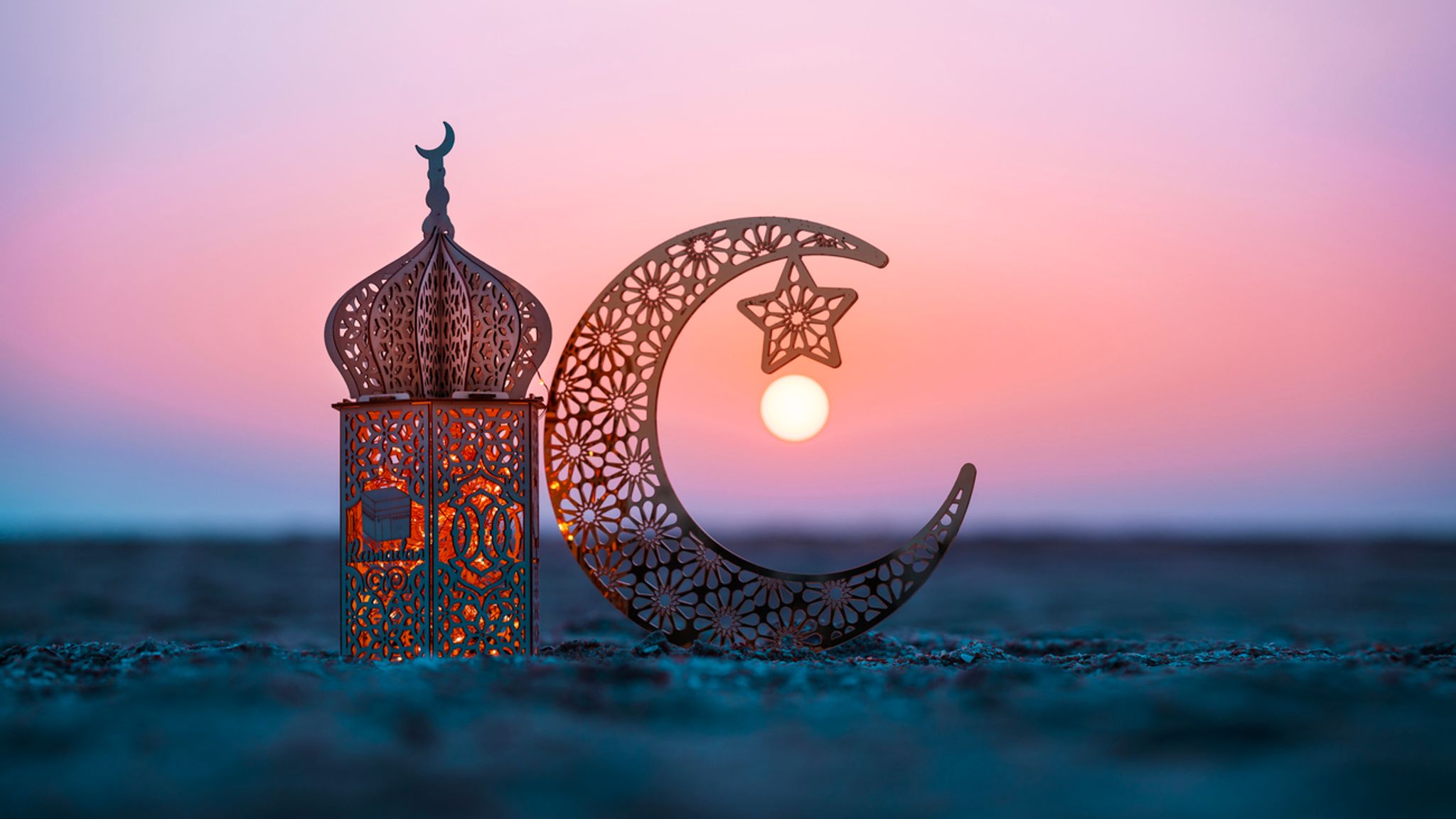
The end of Ramadan is marked by the sighting of the new crescent moon, signaling the start of the month of Shawwal and the holiday of Eid al-Fitr.
The celebration begins with a special congregational prayer in the early morning. It is a day of joy, where Muslims:
- Perform the Eid prayer in large open fields or mosques.
- Wear their best or newest clothing.
- Give gifts to children (known as Eidi).
- Visit relatives and friends to share festive meals.
- Forgive any past grievances and strengthen community ties.
Eid al-Fitr is not a celebration of the "end" of the fast, but rather a celebration of the strength and discipline granted by God to complete the month of spiritual training.
Frequently Asked Questions
What happens if a Muslim accidentally eats or drinks during the fast?
If a person eats or drinks out of forgetfulness, the fast remains valid. According to Islamic jurisprudence, this is considered a "provision from God." The person should stop immediately once they remember and continue fasting for the rest of the day.
Can Muslims brush their teeth or use mouthwash?
Yes, brushing teeth is generally permitted as long as the person is careful not to swallow water or toothpaste. Many Muslims prefer to use a Miswak (a traditional teeth-cleaning twig), which is highly recommended in Islamic tradition.
Why does the date of Ramadan change every year?
Ramadan follows the Hijri (Islamic) calendar, which is a lunar calendar. Because the lunar year is approximately 11 days shorter than the solar Gregorian calendar, Ramadan rotates through the seasons over a 33-year cycle. In 2026, Ramadan falls in the late winter/early spring for the Northern Hemisphere.
Is fasting during Ramadan healthy?
For healthy individuals, intermittent fasting has been shown to have various health benefits, including improved insulin sensitivity and cellular repair. However, it is essential to stay hydrated during non-fasting hours and avoid overindulging in fried or sugary foods during Iftar to maintain health throughout the month.
What is the significance of the crescent moon?
The Islamic calendar is based on moon sightings. A new month begins when the first sliver of the new crescent moon (Hilal) is sighted. This is why the exact start and end dates of Ramadan can vary by one day between different geographic regions.
Final Recommendations for 2026
For those observing Ramadan in 2026, focus on the quality of the fast rather than just the physical abstinence. Prioritize consistent daily habits—such as reading a few pages of the Quran daily and practicing patience in social interactions—over grand gestures that may lead to burnout. For non-Muslims looking to support friends or colleagues, simply being mindful of their fasting schedule and offering "Ramadan Mubarak" (Blessed Ramadan) is a highly appreciated gesture of respect and inclusion.
Image Gallery