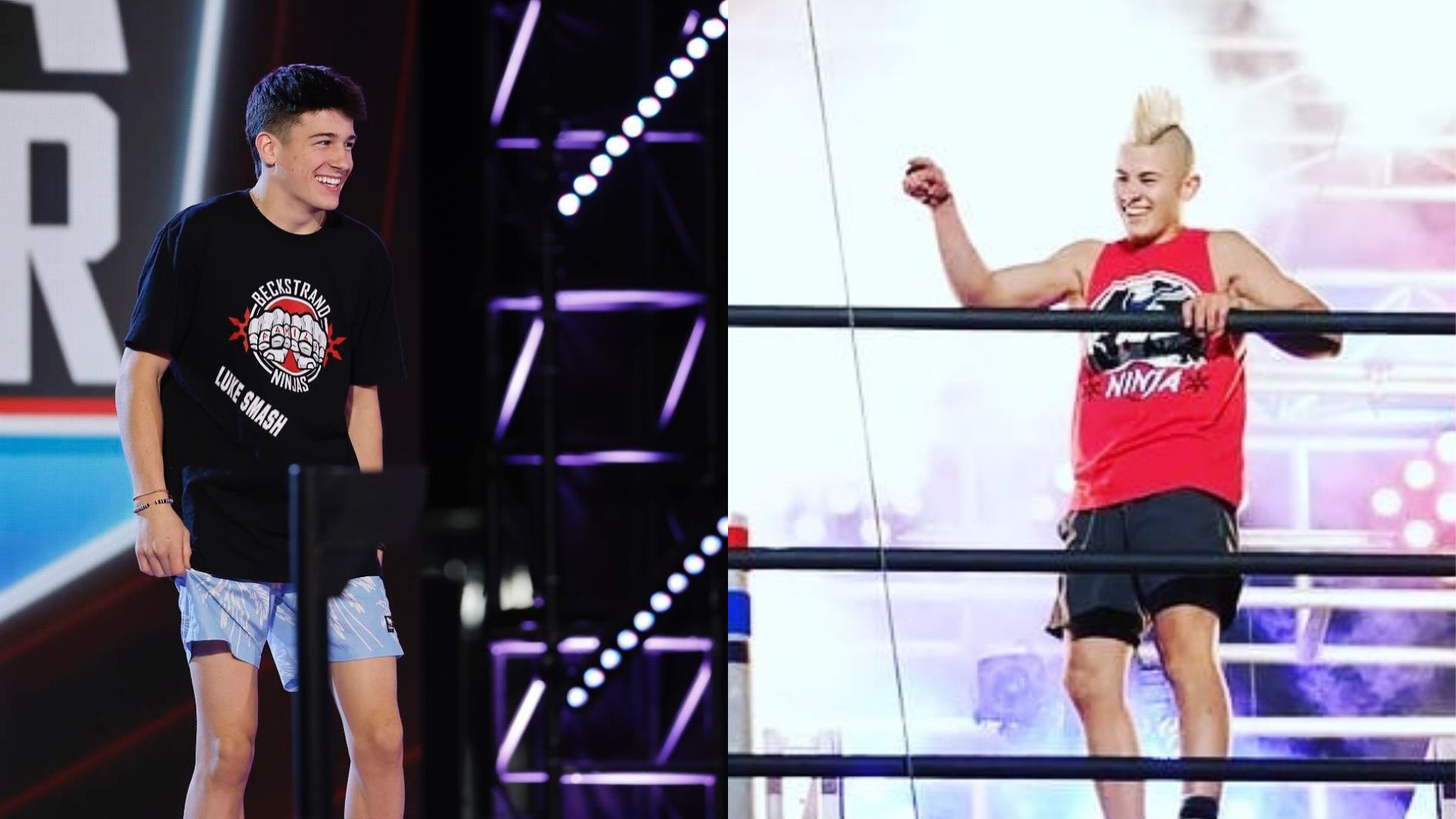
Kai Beckstrand Net Worth: An Overview of the Ninja Warrior’s Career Earnings and Business Ventures
As of 2026, Kai Beckstrand’s estimated net worth ranges between $500,000 and $1.5 million. This valuation is primarily driven by his long-standing presence on American Ninja Warrior, his role in the family-owned Ninja Training Grounds...
As of 2026, Kai Beckstrand’s estimated net worth ranges between $500,000 and $1.5 million. This valuation is primarily driven by his long-standing presence on American Ninja Warrior, his role in the family-owned Ninja Training Grounds facility, high-value sponsorship agreements with fitness brands, and his growth as a professional coach and social media influencer.
Contents
The Financial Evolution of a Ninja Prodigy
Kai Beckstrand’s trajectory toward a significant net worth began long before he was eligible for the main stage of NBC’s American Ninja Warrior (ANW). Growing up in a household where the "ninja" lifestyle was a family business, Beckstrand’s financial potential was catalyzed by the "Teen Invasion" of the sport. When the age limit for ANW was lowered from 19 to 15, Kai was positioned as a flagship athlete for a new generation.
Unlike traditional professional athletes in the NFL or NBA who sign guaranteed contracts, a ninja athlete’s net worth is built through a multifaceted ecosystem of performance-based prizes, brand equity, and entrepreneurial ventures. For Kai, the early years were spent building the "Beckstrand" brand alongside his father, Brian Beckstrand. This collaborative family effort reduced initial overhead costs for training and facility access, allowing Kai to reinvest his early earnings into personal branding and professional development.
By 2026, his financial profile has matured. He is no longer just a "teen sensation" but a veteran of the sport who commands appearance fees for competitions and high-level consulting rates for gym owners looking to replicate his training success.
Primary Revenue Streams: How Kai Beckstrand Generates Income
To understand the net worth of an athlete like Kai Beckstrand, one must look beyond the television screen. The revenue model for a top-tier ninja athlete is diverse, relying on four primary pillars:
1. Competitive Winnings and TV Appearances
While NBC does not pay a "salary" to contestants, the exposure generated by reaching the National Finals in Las Vegas is the engine for all other revenue. Top performers like Kai often receive stipends or performance bonuses from sponsors tied to their advancement in the tournament. In seasons where Kai has reached Stage 3 or Stage 4, the potential for the $1 million grand prize remains the highest single-event revenue opportunity, though the "all or nothing" nature of the prize money means athletes cannot rely on it for consistent cash flow.
2. Sponsorships and Brand Partnerships
As one of the most recognizable faces in the sport, Beckstrand has secured partnerships with fitness apparel companies, supplement brands, and equipment manufacturers. In the current 2026 landscape, niche athletes with high engagement rates on platforms like Instagram and TikTok are often more valuable to brands than mainstream celebrities. These contracts often include a base retainer plus bonuses for social media mentions, providing a steady monthly income that stabilizes his net worth.
3. Ninja Training Grounds and Coaching
The Beckstrand family operates Ninja Training Grounds in St. George, Utah. This facility serves as both a training hub and a primary revenue source. Kai’s involvement in the gym includes:
- Elite Coaching Clinics: Hosting specialized workshops for aspiring ninjas.
- Curriculum Development: Designing training programs that are sold digitally or licensed to other facilities.
- Merchandise Sales: Leveraging the "Beckstrand" name to sell branded apparel and grip-strength tools.
4. Digital Content and Social Media
With a combined following across multiple platforms, Kai’s digital footprint is a significant asset. Through YouTube ad revenue and sponsored content, he has turned his training routines and behind-the-scenes competition footage into a passive-to-semi-active income stream. In 2026, digital media remains a critical component of an athlete’s valuation, as it represents direct-to-consumer influence that isn't dependent on a television network’s broadcast schedule.
Comparative Earnings in the Ninja Industry
To provide context for Kai Beckstrand’s net worth, it is helpful to compare the estimated financial standing of various top-tier athletes within the sport. Note that these figures are based on industry analysis of sponsorship deals, gym ownership stakes, and historical prize data.
| Athlete Name | Estimated Net Worth (2026) | Primary Income Source | Brand Longevity |
|---|---|---|---|
| Kai Beckstrand | $500K - $1.5M | Gym Ownership / Partnerships | High (Youth Advantage) |
| Kaden Lebsack | $600K - $1.2M | Competitive Winnings / Coaching | High (Consistent Finalist) |
| Daniel Gil | $1M - $2.5M | Books / Speaking / Coaching | Very High (Established Brand) |
| Joe Moravsky | $1M - $3M | TV Work / Coaching / meteorology | Veteran Status |
| Najee Richardson | $500K - $1M | Motivational Speaking / Brand Deals | High (Marketability) |
The Role of Family and the Beckstrand Legacy
A critical factor in Kai's financial stability is the integrated nature of his career with his father, Brian Beckstrand. In the world of professional athletics, the "burn rate" of a young athlete's earnings can be high. However, by operating within a family business structure, Kai has avoided many of the pitfalls associated with sudden fame.
The Ninja Training Grounds facility is more than just a gym; it is a real estate and business asset that contributes to the overall Beckstrand family wealth. By sharing the operational burdens of the facility, Kai has been able to focus on his competitive career while still building equity in a physical business. This diversification is why his net worth is estimated at a higher level than athletes who only rely on competition prizes.
Technical Specifications of Success: Training as an Investment
From a technical perspective, Kai's "net worth" is also tied to his physical "human capital." Top-tier ninjas must maintain a specific power-to-weight ratio and grip strength endurance that requires significant investment in recovery technology, nutrition, and specialized equipment.
- Recovery Technology: Investment in cryotherapy, massage therapy, and high-end physical therapy to extend his competitive years.
- Home Infrastructure: Many top ninjas, including the Beckstrands, invest tens of thousands of dollars into backyard courses. These are not just for practice; they serve as sets for filming social media content, which in turn drives sponsorship value.
- Travel and Logistics: Financing the travel to regional competitions (local comps) is a prerequisite for maintaining a high ranking in the ninja community, which is necessary for brand visibility.
Future Outlook: Beckstrand’s Wealth Trajectory toward 2030
Looking toward the end of the decade, Kai Beckstrand’s net worth is likely to follow an upward trend. As the sport of Ninja continues to professionalize—with discussions of its influence on Olympic-style obstacle courses—athletes like Kai are positioned to become the "elder statesmen" of the sport at a very young age.
If Kai continues to expand his coaching brand and potentially opens secondary gym locations or franchises the Ninja Training Grounds model, his net worth could easily surpass the $2 million mark. The transition from "athlete" to "entrepreneur" is a path successfully trodden by many in the fitness industry, and Kai has the foundational infrastructure to make that transition seamless.
Frequently Asked Questions
Has Kai Beckstrand won the $1 million prize on American Ninja Warrior?
As of the 2026 season, Kai Beckstrand has been a consistent finalist and one of the few to reach the final stages of the competition. While the $1 million prize is only awarded to the "Total Victory" winner (or the fastest finisher in the event of multiple finishers at Stage 4), his financial success is not solely dependent on this single payout. His wealth is built on the cumulative value of his business and brand.
How much do ninja athletes get paid per episode?
Contestants on American Ninja Warrior generally do not receive an episodic salary for appearing on the show. Instead, the "pay" comes in the form of travel reimbursements for certain stages and the massive marketing exposure provided by the network. This exposure allows athletes like Kai to command high fees for private coaching and brand endorsements.
Does Kai Beckstrand own his own gym?
Kai Beckstrand is a primary figure and part-owner in the family-run gym, Ninja Training Grounds, located in Utah. This facility is a cornerstone of his professional identity and provides a stable source of income independent of his television appearances.
What is the biggest contributor to Kai Beckstrand’s net worth?
While television brings the fame, the most consistent contributors to his net worth are his long-term brand partnerships and equity in the Ninja Training Grounds gym. These provide recurring revenue that prize money cannot match in terms of financial stability.
Is ninja competing considered a full-time job for Kai?
Yes, in 2026, Kai Beckstrand operates as a professional athlete and fitness entrepreneur. His "workday" involves a combination of high-intensity training, coaching elite clients, managing social media campaigns for sponsors, and overseeing gym operations.
Practical Recommendations for Aspiring Ninja Athletes
For those looking to follow in Kai Beckstrand’s footsteps, the "overview" of his net worth reveals a clear blueprint:
- Diversify Income: Do not rely on prize money. Build a brand that can be monetized through coaching or content.
- Invest in Infrastructure: Having a home setup or a dedicated gym stake is vital for both training consistency and content creation.
- Leverage Family/Community: The Beckstrand model shows that a collective family effort can significantly lower the barrier to entry in professional sports.
- Focus on Longevity: Prioritize recovery and technical skill over "viral" moments to ensure a career that lasts decades rather than seasons.
Image Gallery