How to Conduct an Employee Performance Evaluation: A Comprehensive 2026 Guide
Conducting an effective employee performance evaluation involves preparing objective performance data, encouraging employee self-reflection, and facilitating a structured, two-way conversation. Managers must align individual achievemen...
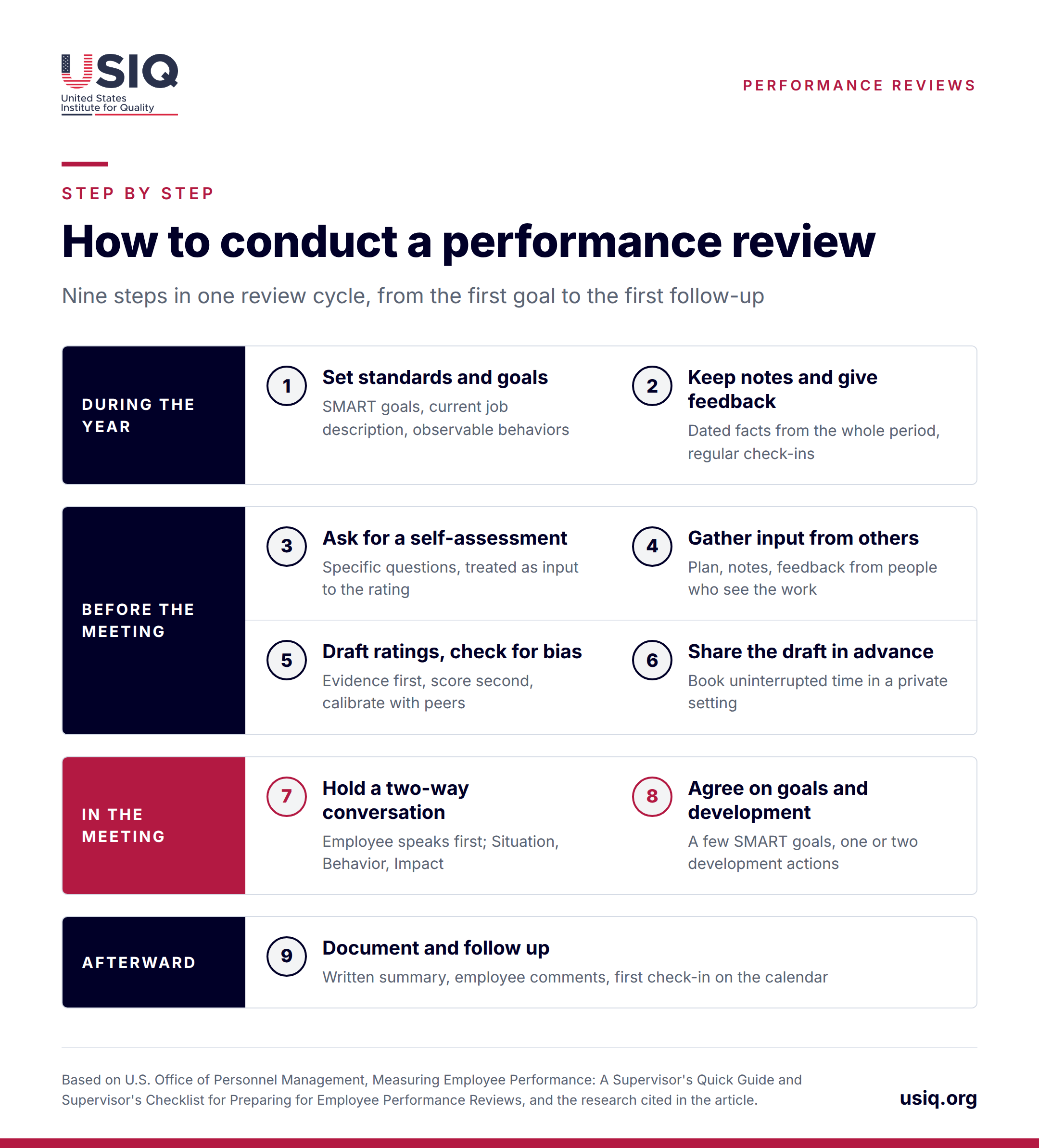
Conducting an effective employee performance evaluation involves preparing objective performance data, encouraging employee self-reflection, and facilitating a structured, two-way conversation. Managers must align individual achievements with organizational objectives while providing actionable feedback. This systematic approach fosters professional growth, clarifies expectations, and ensures documented accountability across the workforce.
Contents
The Evolution of Performance Management in 2026
By 2026, the traditional "annual review" has largely transitioned into a more fluid, continuous feedback model, yet the formal evaluation remains a cornerstone of corporate governance. Today’s evaluations are not merely "report cards"; they are strategic alignment sessions. In a landscape defined by hybrid work environments and integrated AI productivity tracking, the modern evaluation must balance quantitative data with the nuances of human soft skills—such as adaptability, collaboration, and emotional intelligence.
A successful evaluation serves three primary functions. First, it provides a historical record of performance for compensation and promotion decisions. Second, it serves as a developmental tool to identify skill gaps. Third, it acts as a legal safeguard, ensuring that all personnel actions are supported by documented, non-discriminatory evidence. Understanding how to navigate this process requires a blend of technical preparation and interpersonal mastery.
Phase 1: Preparation and Data Collection
The most common mistake managers make is entering a performance review without adequate preparation. In 2026, data-driven insights are expected. You cannot rely on "gut feelings" or "recency bias"—the tendency to remember only the most recent month of work.
Gathering Objective Metrics
Before the meeting, compile data from all relevant sources. This includes Key Performance Indicators (KPIs), project completion rates, and quality scores. If your organization uses Objective and Key Results (OKRs), review how many of these were met or exceeded. In the current technological environment, many managers utilize Performance Management Systems (PMS) that aggregate real-time data from project management tools like Asana, Jira, or Microsoft Viva. Reviewing these metrics beforehand ensures that the conversation is grounded in facts rather than perceptions.
Utilizing 360-Degree Feedback
Performance is rarely one-dimensional. 360-degree feedback involves gathering anonymous input from the employee’s peers, direct reports (if applicable), and internal clients. This provides a holistic view of how the individual contributes to the team culture and handles cross-departmental collaboration. Look for patterns in this feedback; a single outlier might be a personality clash, but a recurring theme regarding "slow communication" or "excellent mentorship" is a significant data point.
The Employee Self-Evaluation
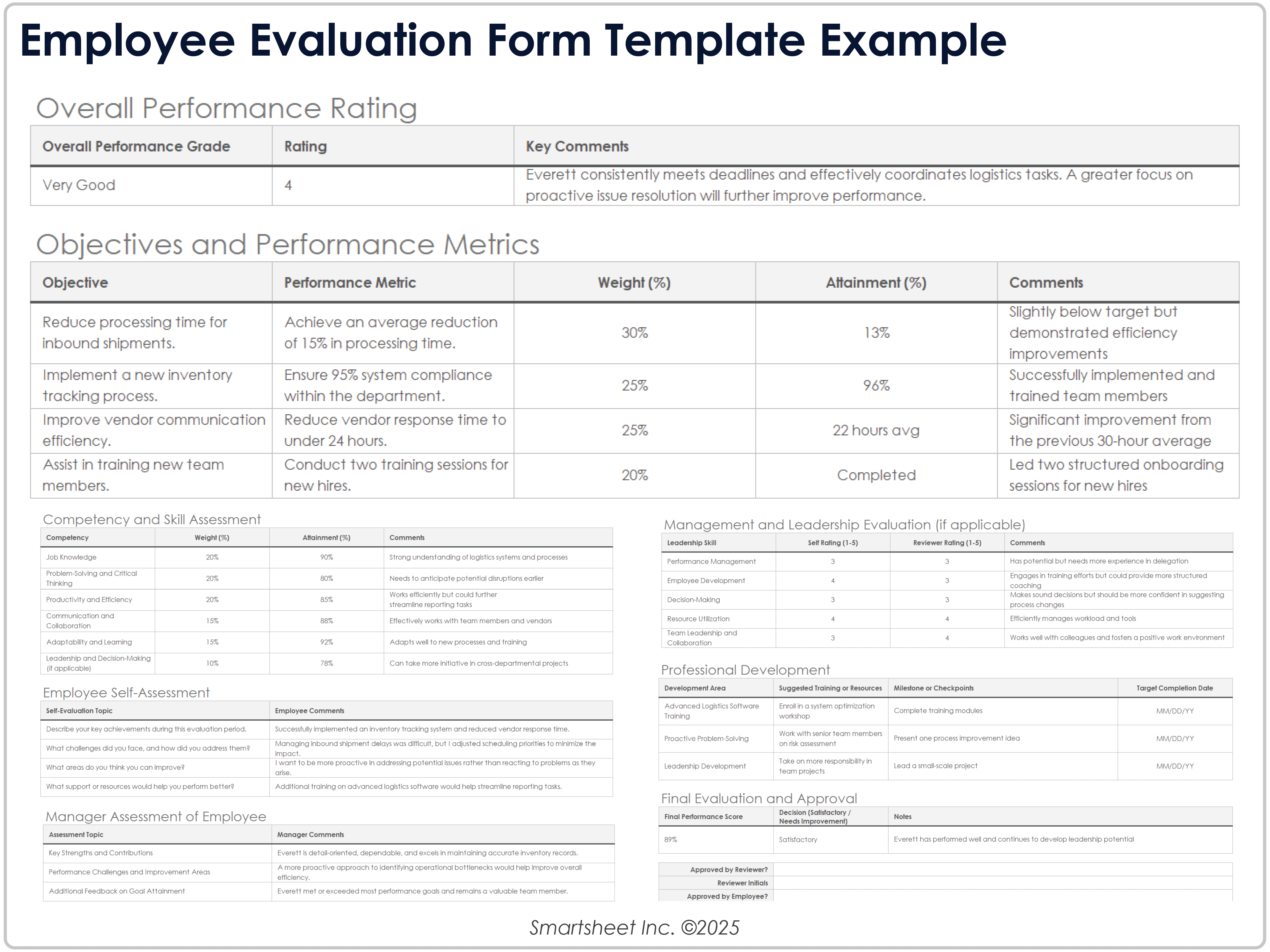
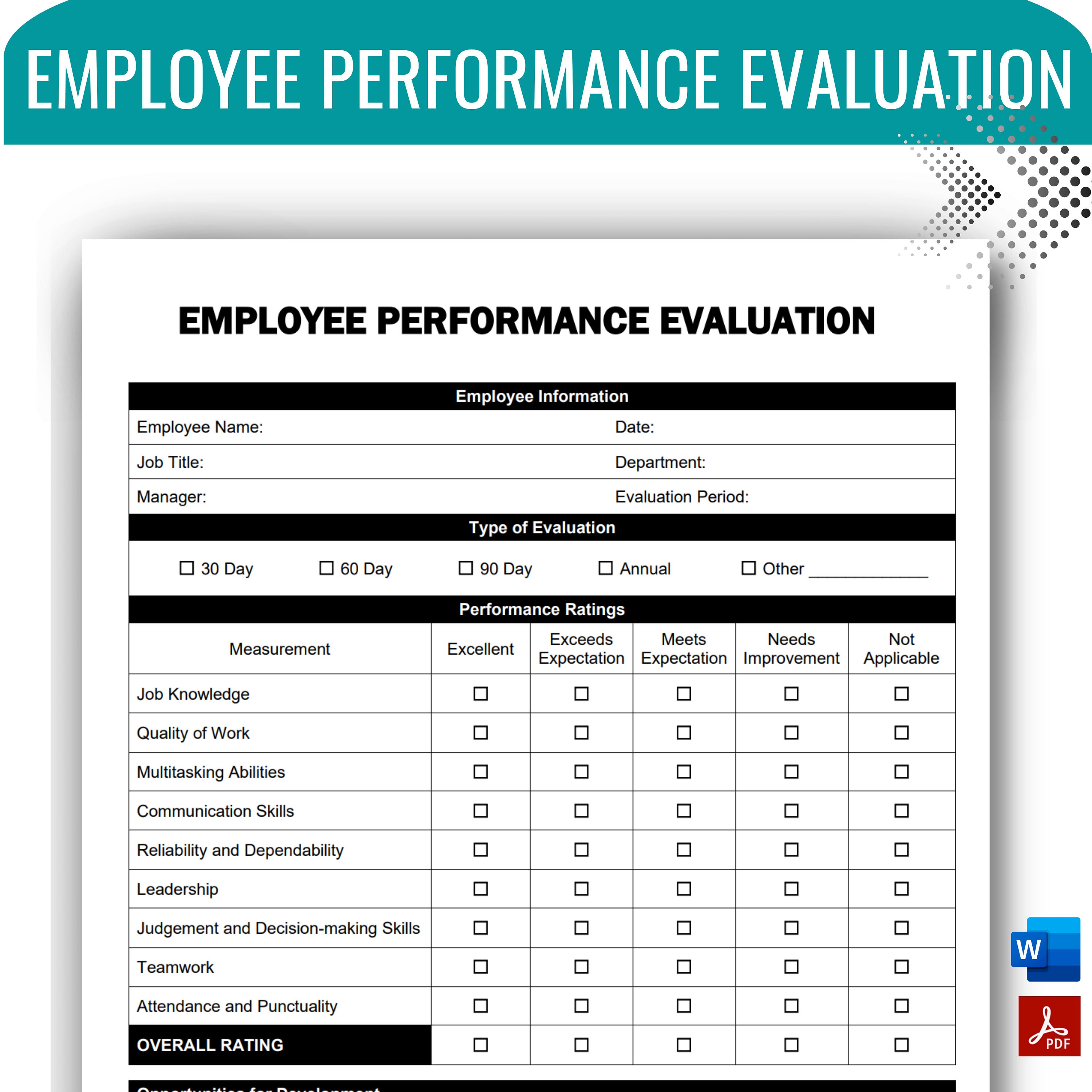
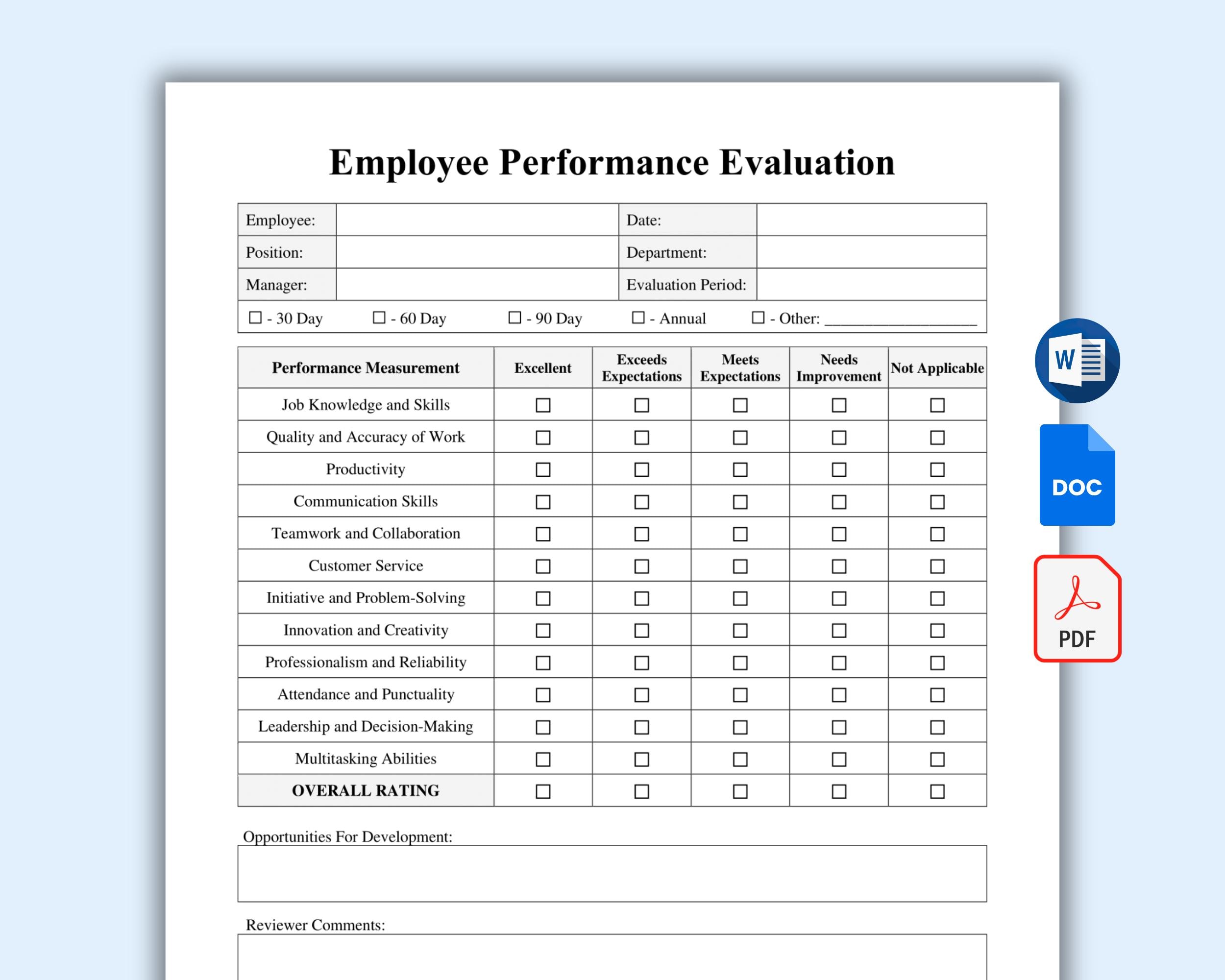
Provide the employee with a self-evaluation form at least two weeks before the scheduled meeting. This empowers the employee to reflect on their own successes and challenges. Comparing the manager’s assessment with the employee’s self-assessment often highlights "blind spots" on both sides. If an employee believes they are performing at an "Exceeds Expectations" level while the manager rates them as "Meets Expectations," the evaluation meeting becomes the essential venue for bridging that gap in perception.
Phase 2: Structuring the Evaluation Meeting
The environment and structure of the meeting significantly impact its outcome. Whether the meeting occurs in a physical office or a virtual space, it must be treated with high priority and zero interruptions.
Setting the Tone
Start the meeting by clarifying the purpose: growth and alignment. Avoid jumping straight into critiques. A brief overview of the agenda helps lower anxiety. In 2026, the concept of Psychological Safety—a term popularized by Harvard’s Amy Edmondson—is vital. Employees must feel that they can speak honestly about their challenges without fear of immediate retribution.
Using the SBI Feedback Model
To provide high-quality feedback, many leadership experts recommend the Situation-Behavior-Impact (SBI) model. This technical framework ensures feedback is specific and actionable:
- Situation: Define the specific context (e.g., "During the Q3 client presentation...").
- Behavior: Describe the observable behavior (e.g., "...you navigated the technical glitches without losing your place...").
- Impact: Explain the result of that behavior (e.g., "...which maintained the client's confidence and resulted in a signed contract.").
This model works equally well for constructive criticism. Instead of saying "You are disorganized," say "In the last three weekly sprints (Situation), your documentation was submitted 24 hours late (Behavior), which caused the QA team to delay their testing cycle (Impact)."
Phase 3: Standard Evaluation Methods
Not all evaluations are structured the same way. Depending on the industry and the role, different methodologies may be more effective.
| Method | Description | Best For | Pros/Cons |
|---|---|---|---|
| Management by Objectives (MBO) | Goals are agreed upon by both manager and employee. | Results-oriented roles (Sales, Marketing) | High buy-in; can lead to "tunnel vision" on specific metrics. |
| 360-Degree Feedback | Input from peers, subordinates, and supervisors. | Leadership and Collaborative roles | Comprehensive view; can be time-consuming to aggregate. |
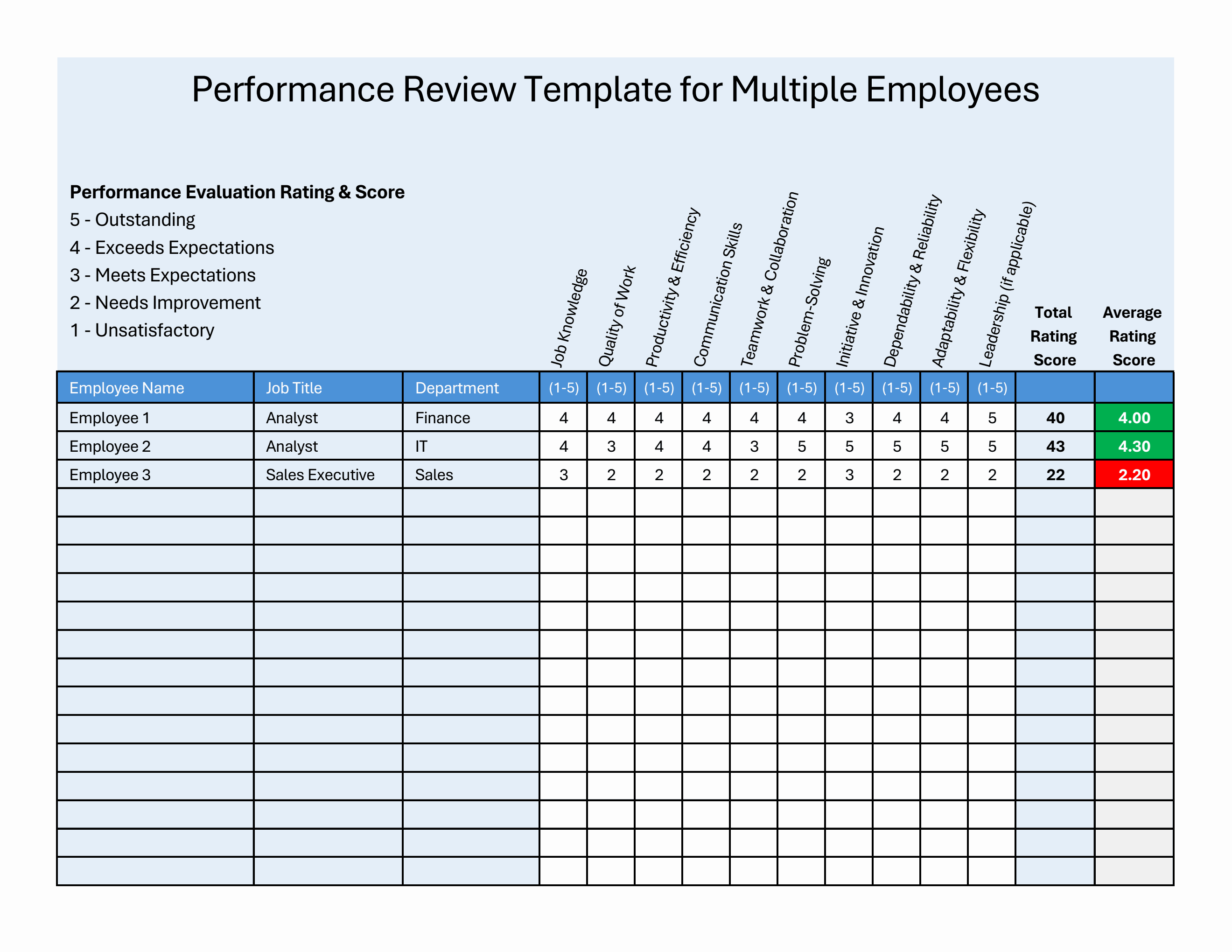
| Behaviorally Anchored Rating Scales (BARS) | Uses specific narrative examples to define rating levels (1-5). | Standardized roles (Customer Service, Manufacturing) | Highly objective and legal-defensive; difficult to develop. |
| Continuous Feedback | Weekly or bi-weekly check-ins rather than annual reviews. | Fast-paced Tech or Creative agencies | Immediate course correction; lacks the "big picture" of annual goals. |
Phase 4: Navigating Difficult Conversations
One of the most challenging aspects of conducting an employee performance evaluation is delivering negative feedback or managing an underperforming employee.
Addressing Underperformance
When an employee is not meeting expectations, the conversation must be direct but supportive. Avoid "the sandwich method" (hiding a critique between two compliments), as this often dilutes the message and leaves the employee confused about the severity of the issue. Instead, state the gap between their current performance and the required standard.
If the performance does not improve after verbal warnings and coaching, a formal Performance Improvement Plan (PIP) may be necessary. A PIP is a documented agreement that outlines specific goals the employee must achieve within a set timeframe (usually 30, 60, or 90 days) to remain in their role. According to the Society for Human Resource Management (SHRM), a PIP should be used as a genuine tool for improvement, not just a precursor to termination.
Handling Disagreements
If an employee disagrees with your assessment, listen to their perspective without interrupting. They may have information about external factors—such as tool failures or lack of resources—that you were unaware of. However, if the data supports your assessment, remain firm. You can agree to disagree on the interpretation while remaining clear that the documented performance is what will be recorded.
Phase 5: Documentation and Legal Compliance
In a legal context, an evaluation that isn't documented essentially didn't happen. Accurate record-keeping is the best defense against claims of bias or unfair treatment.
Avoiding Common Biases
Managers must be trained to recognize unconscious biases during the evaluation process. These include:
- Halo/Horn Effect: Letting one positive or negative trait overshadow all other performance aspects.
- Leniency Bias: Rating everyone highly to avoid conflict.
- Central Tendency: Rating everyone as "average" to play it safe.
- Affinity Bias: Favoring employees who have similar backgrounds or personalities to the manager.
The U.S. Equal Employment Opportunity Commission (EEOC) provides guidelines on ensuring that performance appraisals are job-related and consistent to avoid discriminatory practices. Documentation should focus on "The Work," not "The Person." Use verbs and nouns related to job descriptions rather than adjectives related to personality.
Phase 6: Goal Setting and Follow-Up
The evaluation should end with a forward-looking discussion. Performance management is a cycle, not a destination.
Creating SMART Goals
Future goals should be SMART: Specific, Measurable, Achievable, Relevant, and Time-bound. Instead of saying "Improve your communication," a SMART goal would be "Complete the advanced business writing certification by October 1st and present a monthly summary report to the executive team for the remainder of 2026."
The Follow-Up Schedule
Do not wait until next year to discuss these goals again. Establish a cadence for follow-up meetings—whether they are monthly one-on-ones or quarterly "pulse checks." This ensures that the momentum generated during the evaluation is maintained and that any obstacles to the new goals are addressed early.
Frequently Asked Questions
How often should performance evaluations be conducted in 2026?
While many companies still hold a formal annual review for compensation purposes, the industry standard has shifted toward quarterly "developmental reviews" paired with monthly one-on-one check-ins. This frequency ensures that there are no surprises during the formal year-end session and allows for real-time adjustments to shifting business priorities.
What should I do if an employee becomes emotional during the review?
If an employee becomes visibly upset or angry, it is often best to pause the meeting. Offer a short break or offer to reschedule for the following day. Maintain a calm, professional demeanor and reiterate that the goal of the evaluation is to help them succeed. Document the reaction, but keep the focus of the written report on the performance metrics rather than the emotional outburst.
How do I evaluate a remote or hybrid employee fairly?
Evaluating remote employees requires a shift from "visibility-based" assessment to "output-based" assessment. Focus on the quality of work, adherence to deadlines, and communication efficacy. Use digital collaboration logs to see how they interact with the team. It is crucial to ensure remote workers are held to the same objective standards as those in the office to avoid "proximity bias."
Can AI be used to write performance evaluations?
In 2026, many managers use AI to help draft the narrative portions of an evaluation based on bulleted data points. However, AI should never be the sole author. A manager must review, edit, and personalize the output to ensure it is accurate, empathetic, and specific to the individual’s contributions. Personal touch remains a critical component of leadership.
Should salary be discussed during the performance evaluation?
Best practices suggest separating the performance discussion from the salary discussion by at least a week. When salary is discussed in the same breath as performance, employees often stop listening to the feedback and focus entirely on the number. Separating the two allows the employee to process the feedback and focus on professional development before moving on to the financial implications.
Practical Recommendation
To conduct a successful evaluation, begin by auditing your current data collection methods. If you do not have a centralized system for tracking employee goals and achievements throughout the year, implement a simple "performance log" today. Documenting small wins and minor setbacks in real-time prevents the stress of trying to remember a year’s worth of work in a single afternoon. When the meeting concludes, ensure both parties sign the evaluation document and that the employee leaves with a clear, written copy of their goals for the upcoming quarter.
Image Gallery