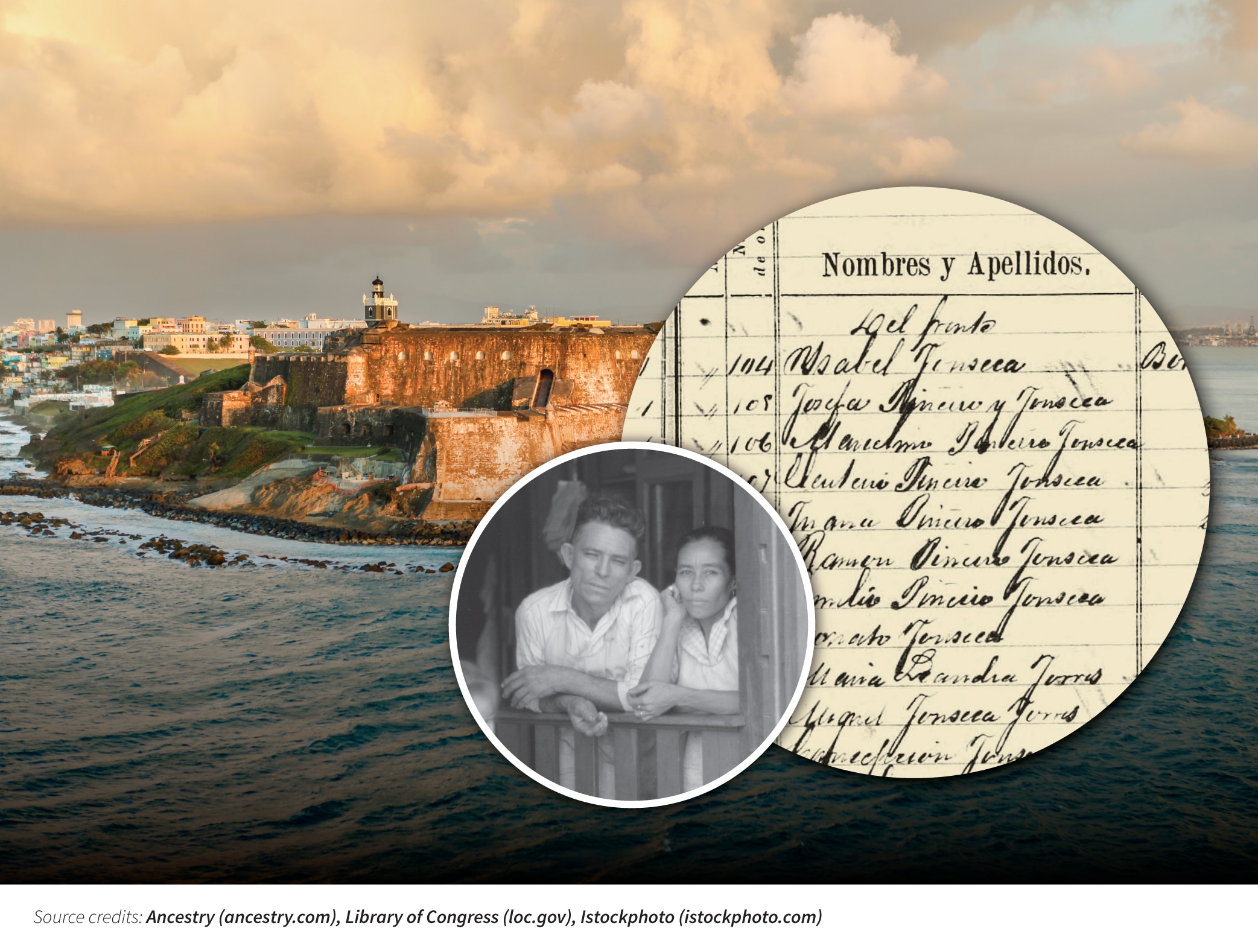
How Puerto Rico Colonial History Shapes Modern Life
Puerto Rico’s modern socioeconomic and political reality is intrinsically linked to its centuries-long history as a colonial territory. From the transition from Spanish rule to the implementation of the 1952 Commonwealth status and the...
Puerto Rico’s modern socioeconomic and political reality is intrinsically linked to its centuries-long history as a colonial territory. From the transition from Spanish rule to the implementation of the 1952 Commonwealth status and the subsequent imposition of federal oversight, the island’s governance, economic structure, and cultural identity remain defined by its unique relationship with the United States.
Contents
The Foundations of Colonial Governance
The current political framework of Puerto Rico is a product of the 1898 Treaty of Paris, which ended the Spanish-American War and transferred sovereignty from Spain to the United States. This event marked the beginning of a shift from a provincial status under the Spanish Crown to an unincorporated territory status under the U.S. Constitution.
Unlike states, Puerto Rico is subject to the plenary power of the U.S. Congress under the Territory Clause (Article IV, Section 3, Clause 2). This legal foundation means that federal laws apply to the island, yet residents lack voting representation in Congress and cannot participate in presidential elections. The Jones-Shafroth Act of 1917, which granted U.S. citizenship to Puerto Ricans, solidified this relationship, creating a permanent, albeit disenfranchised, connection to the federal government. By 2026, these structural limitations remain the primary point of contention in local policy, affecting everything from infrastructure funding to the island's ability to participate in international trade agreements.
Economic Dependencies and Legislative Control
Modern Puerto Rico’s economic landscape is heavily influenced by past federal incentives and their abrupt cessation. For decades, Section 936 of the Internal Revenue Code provided tax exemptions for U.S. corporations operating in Puerto Rico. This spurred significant industrial growth, particularly in pharmaceuticals and manufacturing.
When Section 936 was phased out between 1996 and 2006, the island experienced a prolonged economic contraction. This shift forced the government to rely on debt to cover budget deficits. The resulting fiscal crisis reached a tipping point in 2016 with the passage of the Puerto Rico Oversight, Management, and Economic Stability Act (PROMESA). This federal law created the Financial Oversight and Management Board (FOMB)—an unelected body with the authority to override local legislative decisions. As of 2026, the FOMB continues to exert primary control over the island’s fiscal policy, prioritizing debt restructuring over local social services, which underscores the enduring reality of colonial-style oversight in the 21st century.
Comparative Overview of Governing Frameworks
| Feature | Sovereign State | Puerto Rico (Unincorporated Territory) |
|---|---|---|
| Federal Representation | Voting Senators/Representatives | Non-voting Resident Commissioner |
| Presidential Voting | General Election | None (Primary Only) |
| Fiscal Oversight | State Legislature/Governor | Federal Oversight Board (PROMESA) |
| Federal Income Tax | Mandatory | Generally exempt on local income |
| Constitutional Status | Equal Sovereignty | Subject to Congressional plenary power |
Cultural Identity in a Transnational Space
Colonial history has fostered a complex national identity that balances Spanish language and heritage with U.S. institutional influence. The "Estado Libre Asociado" (Free Associated State) framework, established in 1952, was intended to provide a degree of local autonomy while maintaining a permanent union with the United States. However, the tension between the push for cultural sovereignty and the practical necessity of federal integration defines daily life.
In 2026, this manifests in the bilingual education system, the judicial reliance on both civil law and common law traditions, and the massive demographic shift caused by migration. The constant flow of people between the island and the U.S. mainland—facilitated by citizenship—creates a unique "transnational" citizenry. This mobility is a direct response to historical economic policies that tethered the island to the U.S. market, forcing individuals to navigate a system where their rights are guaranteed by citizenship but their local governance is restricted by territory status.
Infrastructure and the Legacy of External Oversight
The physical landscape of Puerto Rico serves as a testament to its administrative history. Critical infrastructure, including the power grid operated by private entities under government contracts, has struggled with maintenance and resilience. The privatization of the energy sector, encouraged by the oversight board in the 2020s, represents a modern iteration of colonial-era economic restructuring, where external entities are brought in to manage local utilities under federal mandates.
Residents often find that local efforts to modernize infrastructure face procedural bottlenecks at the federal level. Whether dealing with FEMA disaster recovery funds or federal environmental regulations, the requirement to navigate U.S. bureaucratic channels—often without the administrative leverage a state would possess—prolongs recovery times and limits the scope of long-term planning.
Frequently Asked Questions
Why does the U.S. Congress have control over Puerto Rico? Under the Territory Clause of the U.S. Constitution, Congress holds plenary power over territories. Because Puerto Rico has not been incorporated as a state or granted full independence, it remains subject to federal laws and legislative oversight by Congress.
What is the Financial Oversight and Management Board (FOMB)? The FOMB is an entity created by the 2016 PROMESA law to manage Puerto Rico's public debt. It has the power to approve the island's budgets and oversee its fiscal recovery, effectively superseding the authority of the local elected government in financial matters.
Are Puerto Ricans considered U.S. citizens? Yes. Under the Jones-Shafroth Act of 1917, individuals born in Puerto Rico are U.S. citizens by birth. They can live and work anywhere in the United States without a visa and are entitled to the same civil liberties as citizens residing in the 50 states.
Why is Puerto Rico not a state? The status of Puerto Rico is a subject of ongoing political debate. Achieving statehood requires an act of Congress. Historically, there have been varying opinions among Puerto Ricans and U.S. lawmakers regarding whether the island should seek statehood, independence, or an enhanced form of autonomy.
How does colonial history affect daily life in 2026? It affects the cost of living (due to shipping laws like the Jones Act), the extent of local political agency, and the ongoing fiscal constraints that limit public investment in education and healthcare.
Next Steps for Understanding the Local Context
To better understand the current landscape, monitor the proceedings of the Financial Oversight and Management Board for updates on fiscal policy, and review the annual reports from the Puerto Rico Planning Board regarding demographic and economic shifts. Engaging with academic discourse from the University of Puerto Rico can also provide necessary local context that is often overlooked in mainland media reporting. Recognizing that the island's challenges are systemic—rooted in century-old legal frameworks—is the first step toward understanding the complexities of contemporary Puerto Rican life.
Image Gallery