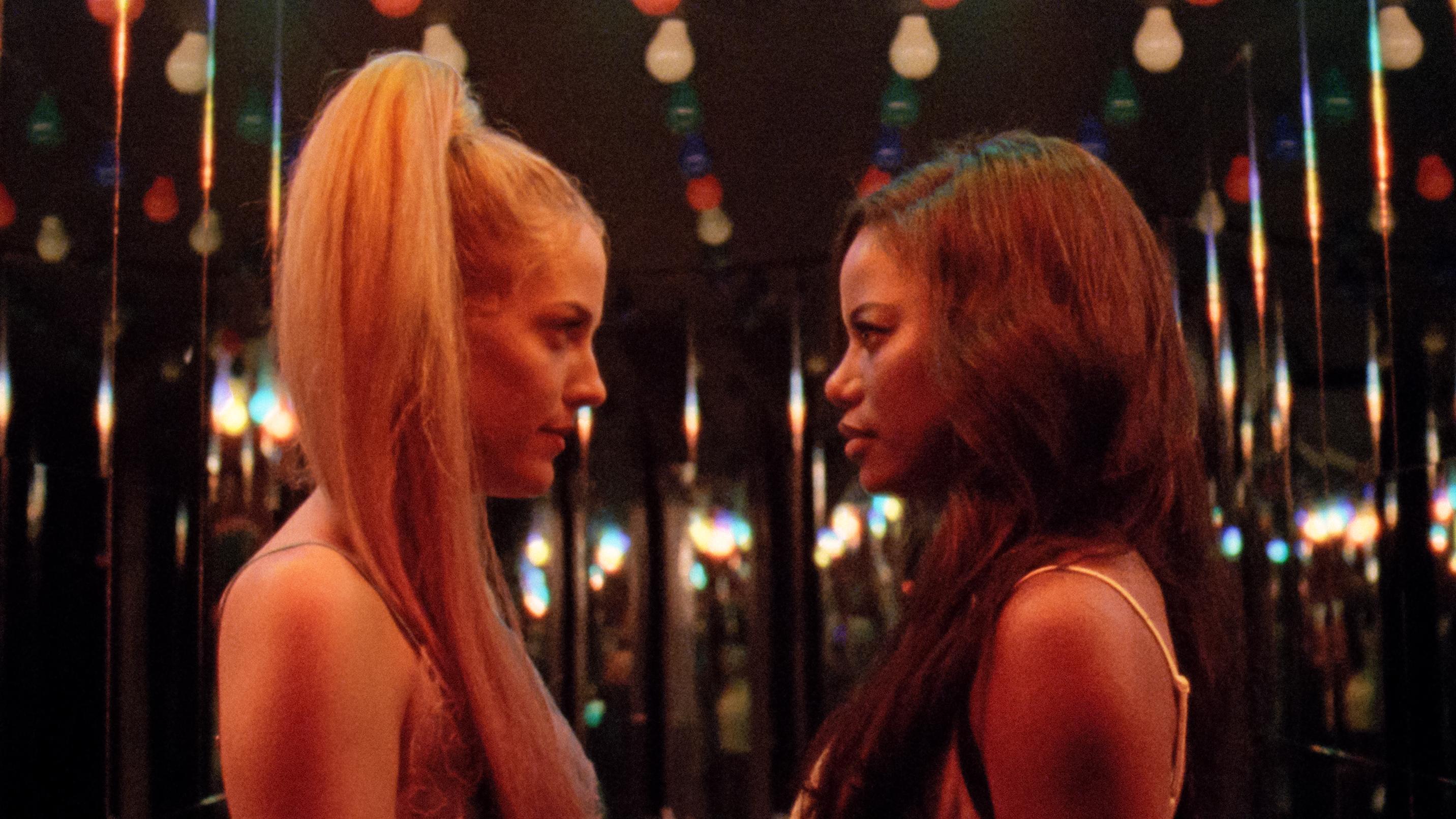
A24 Zola Film Overview: A Comprehensive Look at the Viral Twitter Thread Adaptation
A24’s Zola translates a viral 2015 Twitter thread into a neon-soaked, darkly comedic road trip thriller. Directed by Janicza Bravo and co-written by Bravo and Jeremy O. Harris, the film follows A'Ziah "Zola" King's chaotic weekend trip...
A24’s Zola translates a viral 2015 Twitter thread into a neon-soaked, darkly comedic road trip thriller. Directed by Janicza Bravo and co-written by Bravo and Jeremy O. Harris, the film follows A'Ziah "Zola" King's chaotic weekend trip to Florida, capturing the frantic energy of internet culture, modern exploitation, and unpredictable human behavior.
Contents
The Origin Story: How a Viral Twitter Thread Became a Cinematic Phenomenon
In October 2015, A’Ziah-Monae King—tweeting under the handle @_zolarmoon—embarked on what she told her followers would be a simple weekend trip to Florida with a new acquaintance. What followed was a rolling 148-tweet saga involving dancing, stripping, gunplay, pimps, human trafficking, and severe peril. Written with the cadence of an oral storyteller and punctuated by the iconic phrase "Y'all wanna hear a story about why me & this bitch here fell out? It's kind of long, but full of suspense," the thread captured the attention of millions, including celebrities like Missy Elliott and Ava DuVernay.
The cultural footprint of the thread was immense, marking one of the earliest instances of a real-time, text-based narrative capturing global mainstream attention. Recognizing its unique cinematic potential, Killer Films and Vulture optioned the rights. A24 eventually boarded the project as financier and distributor, bringing an edgy, indie-credibility stamp to the adaptation. Janicza Bravo took over directing duties from James Franco, reshaping the project to center Black female subjectivity and the distinct dread beneath the neon absurdity.
Plot Summary and Narrative Structure
The film stars Taylour Paige as Zola, a Detroit waitress and pole dancer who meets Stefani (Riley Keough), a customer who shares her affinity for dancing. After a brief connection, Stefani invites Zola on a lucrative weekend trip to Tampa, Florida, to make quick money dancing at clubs. Zola agrees, and the two embark on the trip alongside Stefani’s boyfriend, Derrek (Nicholas Braun), and Stefani’s "roommate," X (Colman Domingo), who acts as their handler.
Upon arrival in Florida, the situation rapidly deteriorates. The promised high-paying club gigs morph into coerced sex work facilitated by X, who is revealed to be a violent pimp. The narrative charts Zola's attempts to navigate the escalating danger, protect herself, and distance herself from Stefani’s reckless, performative ignorance and Derrek’s spiraling panic.
Unlike traditional Hollywood biopics, Zola maintains the episodic, breathless pacing of social media scrolls. The film uses text notification sound effects—the literal "chirp" of an iPhone—to transition between scenes, reminding the audience that they are consuming a curated, retold memory.
Key Cast Members and Character Dynamics
The success of Zola hinges on its tightly wound ensemble cast, whose performances balance high comedy with genuine menace.
| Character | Actor | Role and Dynamic in the Film |
|---|---|---|
| Zola | Taylour Paige | The grounded, observant protagonist who treats the journey with professional detachment until safety is compromised. |
| Stefani | Riley Keough | The erratic, culturally appropriating companion whose weaponized vulnerability and ignorance drive the plot's chaos. |
| X | Colman Domingo | The chilling, smooth-talking pimp whose polished exterior masks predatory volatility. |
| Derrek | Nicholas Braun | Stefani’s anxious, out-of-his-depth boyfriend who serves as both comic relief and a tragic emblem of toxic masculinity. |
Taylour Paige anchors the film with a weary, deadpan authority. Her voiceover narration, drawn directly from King's tweets, frames the action with sharp commentary. Riley Keough delivers a polarizing, high-wire performance, adopting a distinct vocal fry and mannerisms that deliberately provoke discomfort. Meanwhile, Colman Domingo brings a terrifying gravitas to X, shifting effortlessly from charismatic host to abusive controller.
Directorial Vision and Aesthetic Choices
Janicza Bravo’s direction transforms what could have been a straightforward exploitation flick into a hyper-stylized satire of internet aesthetics. Working alongside cinematographer Ari Wegner, Bravo utilizes a vibrant, saturated color palette that evokes Miami neon and digital camera filters. The visual language mimics Instagram feeds and Twitter feeds, utilizing rapid edits, split-screens, and sudden shifts in aspect ratio to disorient the viewer.
The sound design is equally vital. Mica Levi’s discordant, eerie score contrasts sharply with the trap beats and pop tracks echoing through strip clubs and hotel rooms. This sensory overload mirrors the over-stimulation of modern social media usage, where trauma and comedy exist side-by-side in a single scroll.
Themes: Digital Storytelling, Exploitation, and Agency
Beyond its surface-level thrills, Zola explores complex contemporary themes:
- Digital Ownership and Narrative Control: By centering Zola's perspective, the film examines who owns a viral story. Zola maintains her agency by telling her story on her own terms, monetizing her trauma into internet folklore.
- Cultural Appropriation and Performance: Stefani’s character acts as a critique of non-Black individuals who adopt Black vernacular, aesthetics, and mannerisms for social capital while abandoning Black women when danger arises.
- Survival and Complicity: The film avoids easy moral binaries. While Zola is the clear victim of circumstance, her survival requires sharp calculation, tactical detachment, and a refusal to play the traditional damsel in distress.
Critical Reception and Box Office Impact
Zola premiered at the Sundance Film Festival in January 2020 to positive reviews, though its theatrical release was delayed until June 2021 due to the COVID-19 pandemic. Critics praised its daring tonal balance, Bravo's assured direction, and Paige's breakout performance. It holds an 89% approval rating on Rotten Tomatoes, with critics highlighting it as one of the most successful adaptations of internet-born source material.
Commercially, the film performed well for an indie release during a transitional period for movie theaters, grossing over $5 million. It cemented A24's reputation for backing daring, Gen Z-adjacent storytelling that pushes the boundaries of traditional narrative structures.
Frequently Asked Questions
Is A24's Zola based on a true story?
Yes. The film is based on a viral 148-tweet thread posted by A'Ziah "Zola" King in October 2015, detailing her wild, dangerous weekend trip to Florida. While cinematic liberties were taken for dramatic effect, the core events—including the sex trafficking, the gun incidents, and the erratic companions—reflect King's real-life testimony.
How closely does the film follow the original Twitter thread?
The film captures the spirit, specific dialogue beats, and episodic nature of the tweets remarkably well. Many lines spoken by the characters are lifted directly from King's viral writing. However, the film expands on character motivations and visualizes the chaotic settings with heightened cinematic flair.
What is the MPAA rating for Zola, and why?
Zola is rated R for strong sexual content, graphic nudity, pervasive language throughout, violence, and drug use. The rating reflects the film's gritty subject matter, which deals directly with sex work, human trafficking, and dangerous criminal environments.
Where can I stream or watch Zola?
Availability varies by region and licensing agreements, but the film is widely available to rent or purchase digitally across major video-on-demand platforms such as Amazon Prime Video, Apple TV, and Vudu. It has also periodically streamed on subscription services like Showtime and Paramount+.
How did A'Ziah King react to the film?
A'Ziah King served as a consultant on the film and has expressed general support for the project. She attended premieres and praised Taylour Paige’s portrayal of her likeness, noting that seeing her viral moment transformed into a feature-length A24 film was a surreal and vindicating experience.
Conclusion
A24’s Zola successfully bridges the gap between digital ephemera and prestige cinema. By treating a viral Twitter thread with directorial ambition, sharp social commentary, and fearless performances, Bravo and her cast created a unique cultural artifact. For viewers interested in modern storytelling formats, indie filmmaking, and darkly comedic thrillers, Zola remains a defining cinematic entry of the 2020s.
Image Gallery