Understanding Dignity Cremation Services in 2026: A Complete Guide to Compassionate and Transparent End-of-Life Planning
Navigating final arrangements is rarely easy, but understanding modern options like dignity cremation helps families make informed, respectful, and economically sound choices. In 2026, the funeral and death-care industry continues to e...
Navigating final arrangements is rarely easy, but understanding modern options like dignity cremation helps families make informed, respectful, and economically sound choices. In 2026, the funeral and death-care industry continues to evolve, placing greater emphasis on transparent pricing, environmental sustainability, and personalized memorialization. Dignity cremation generally refers to a professional, respectful approach to direct or simplified cremation services that honor the deceased while easing the administrative and financial burden on surviving loved ones.
Contents
Defining Dignity Cremation and Core Industry Standards
At its core, dignity cremation represents a service model centered on respectful handling, rigorous chain-of-custody protocols, and straightforward pricing structures. Unlike traditional full-service funerals that involve expensive embalming, casket purchases, and multi-day viewings, dignity cremation focuses strictly on the cremation process itself, often coupled with a private family viewing or a direct disposition.
Industry standards established by regulatory bodies ensure that every step of the cremation process is tracked meticulously. Professional providers follow strict identification procedures from the moment a loved one is transferred into their care until the cremated remains are returned in a temporary or permanent urn.
- Chain-of-Custody Tracking: Utilization of serialized metal identification tags that remain with the body throughout the entire identification and cremation cycle.
- Permitting and Documentation: Securing the official death certificate signed by an attending physician or medical examiner, alongside the mandatory cremation authorization permit.
- Environmental Compliance: Operating high-efficiency retort chambers that meet modern emissions standards established by environmental protection agencies.
- Professional Staff Certification: Ensuring morticians and crematory operators hold active state licenses and professional certifications.
The Step-by-Step Dignity Cremation Workflow
Understanding what happens during the cremation process provides peace of mind for families choosing this path. Modern providers emphasize clarity at every operational stage. Below is the standard workflow families can expect when engaging a professional provider for dignity cremation services in 2026.
- Initial Notification and Transfer: Upon the passing of an individual, the family or healthcare facility contacts the provider. Transport personnel securely transfer the deceased from the place of passing (hospital, hospice, or residence) to a licensed care facility.
- Authorization and Paperwork: Legal next-of-kin complete the required state cremation authorization forms. The provider files for the official death certificate and secures the required medical examiner's permit.
- Preparation and Identification: The individual is bathed, logged into the tracking database, and fitted with a stamped metal identification disc. If a private family goodbye is scheduled, basic hygienic preparation is performed.
- The Cremation Process: The body is placed in an approved alternative container made of combustible materials. The container is placed inside the cremation chamber (retort), where intense heat reduces the organic matter over the course of two to four hours.
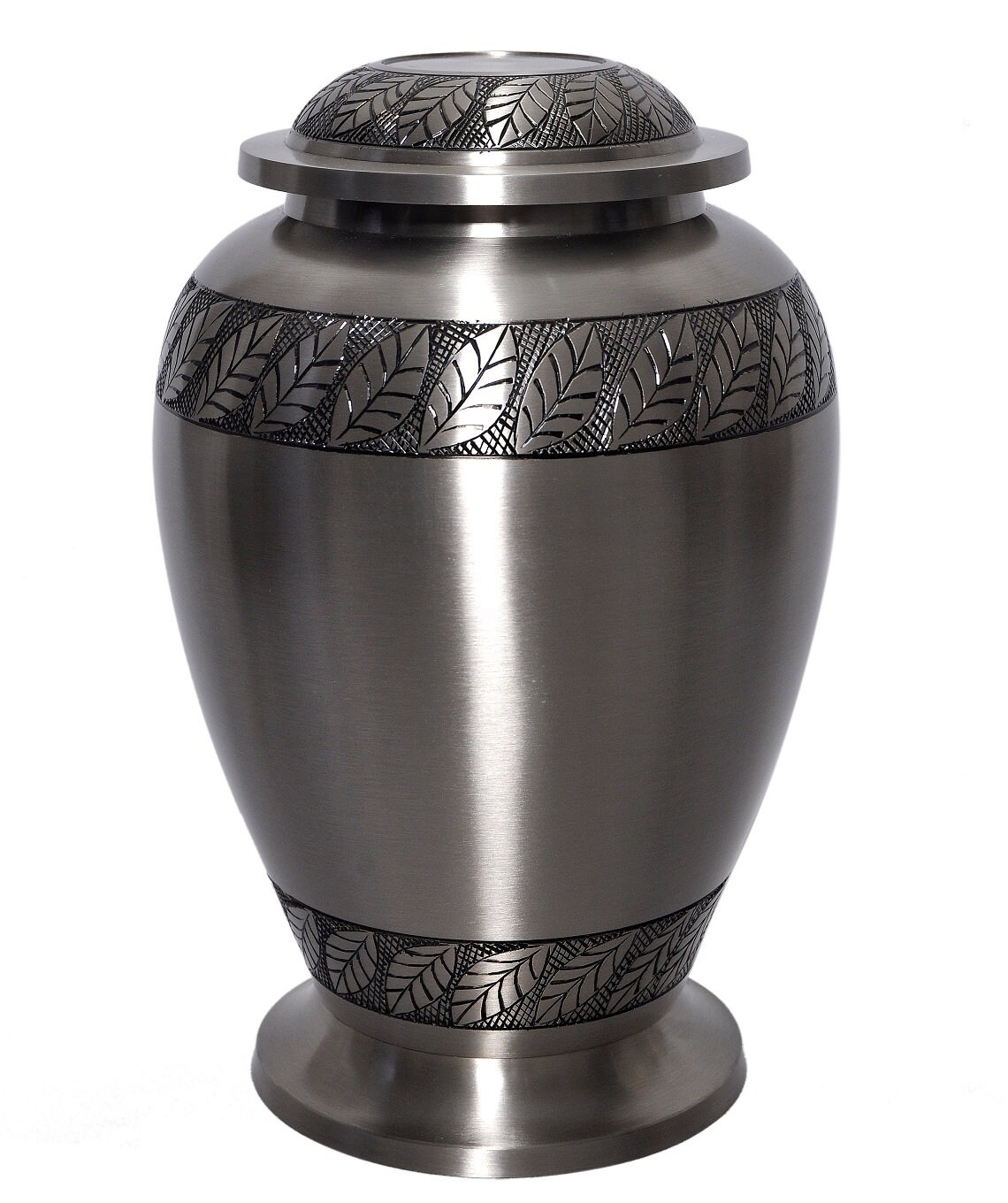
- Processing and Return of Remains: The remaining bone fragments are cooled, processed into a uniform fine powder (often referred to as ashes), and placed securely into a temporary container or a family-provided urn along with the official certificate of cremation.
Comparing Traditional Burial, Full Cremation Services, and Dignity Cremation
Choosing the right end-of-life service requires balancing emotional needs, cultural traditions, and budgetary realities. The following table highlights the functional differences between traditional burial, traditional cremation with a service, and dignity (direct) cremation.
| Service Type | Average Financial Cost (2026 Estimate) | Embalming & Casket Required? | Memorial Service Included? | Timeline Flexibility |
|---|---|---|---|---|
| Traditional Burial | $7,000 - $12,000+ | Yes (Typically required by cemeteries) | Yes (Visitation, funeral service, graveside) | Rigid (Must align with cemetery and venue schedules) |
| Full Cremation Service | $4,500 - $7,000 | Optional (Usually required for public viewing) | Yes (Service held prior to cremation) | Moderate (Requires coordination before retort scheduling) |
| Dignity (Direct) Cremation | $1,000 - $2,500 | No | No (Can be organized independently later) | High (Processed according to legal permit clearance) |
Financial Realities and Transparent Pricing Strategies
One of the primary drivers behind the rising popularity of dignity cremation is cost transparency. Traditional funerals are frequently subject to complex itemized bills, pressure-driven upsells, and steep casket markups. Consumer protection regulations enforce strict disclosure rules, ensuring that families receive an accurate General Price List (GPL) before making financial commitments.
- General Price List (GPL) Mandates: Providers are legally required to provide itemized pricing over the phone and in writing upon request, allowing families to compare costs without coercion.
- Third-Party Merchandise: Families are legally permitted to purchase urns, keepsake jewelry, and memorial markers from third-party retailers rather than being forced to buy them directly from the funeral home.
- Pre-Planning and Insurance: Many individuals utilize pre-need funeral trusts or final expense insurance policies to lock in today's cremation service rates, shielding surviving relatives from future inflation.
Advantages and Disadvantages of Dignity Cremation
While dignity cremation offers substantial financial savings and scheduling flexibility, it is important to weigh both sides to ensure it aligns with the emotional needs of the grieving family.
Advantages
- Significant Cost Savings: Eliminates the heavy expenses associated with caskets, vaults, cemetery plots, and extensive embalming.
- Environmental Considerations: Requires less land use than traditional ground burials and avoids the environmental impact of traditional embalming chemicals.
- Flexible Memorialization: Families have the freedom to scatter ashes in a meaningful location, divide remains among relatives, or host a celebration of life months after the passing without immediate time pressure.
Disadvantages
- Absence of Immediate Ritual: The lack of a traditional structured service immediately following the passing can sometimes make the grieving process feel less tangible for certain family members.
- Strict Legal Documentation: The irreversible nature of cremation means that state laws require strict authorization signatures from legal next-of-kin, which can occasionally cause delays if family disputes arise.
Frequently Asked Questions About Dignity Cremation
What is included in a standard dignity cremation package?
A standard package typically covers the transfer of the deceased, basic professional services, shelter of the remains, necessary permits, the cremation process itself, and the return of ashes in a temporary container.
Can a family witness the cremation process?
Yes, many modern crematory facilities offer a designated viewing room where immediate family members can gather to witness the placement of the container into the retort, accommodating various cultural and religious traditions.
Is embalming required before a dignity cremation?
No, embalming is generally not required for a direct or dignity cremation unless a public viewing with an open casket is scheduled prior to the process.
What can families do with the cremated remains?
Families have multiple options, including scattering the ashes in an authorized natural location, placing them in a columbarium niche, burying them in a traditional cemetery plot, or incorporating them into memorial jewelry.
How do I verify a crematory's operating credentials?
You can verify a provider's standing by checking with your state's funeral service regulatory board, reviewing local consumer protection agencies, and ensuring the facility maintains transparent pricing and certified operators.
Conclusion and Next Steps
Choosing dignity cremation is a practical, respectful way to manage final arrangements while focusing on what matters most: celebrating a life and supporting grieving family members. By prioritizing clear communication, transparent pricing, and professional care, families can navigate this transition with confidence. If you are currently planning final arrangements or exploring pre-need options, reach out to a licensed, transparent local provider to review their General Price List and discuss personalized service paths that suit your family's needs.
Image Gallery