Understanding No Lapse Secondary Guarantee Universal Life Insurance
No lapse secondary guarantee universal life (GUL) insurance is a permanent life insurance policy designed to provide a guaranteed death benefit regardless of cash value fluctuations. By paying a specific premium, the "secondary guarant...
No lapse secondary guarantee universal life (GUL) insurance is a permanent life insurance policy designed to provide a guaranteed death benefit regardless of cash value fluctuations. By paying a specific premium, the "secondary guarantee" ensures the policy remains active until a chosen age—often 90, 100, or 121—offering lifetime security at a lower cost than whole life insurance.
Contents
The Mechanism of a No Lapse Secondary Guarantee
To understand No Lapse Guarantee (GUL) insurance, one must first understand the structure of traditional Universal Life (UL). Standard UL policies are interest-sensitive. They consist of a death benefit and a cash value component. The policyholder pays premiums, which are deposited into the cash value account. The insurance company then deducts the "cost of insurance" (COI) and administrative fees from that account. If interest rates are high, the cash value grows, supporting the policy. If interest rates drop or the COI increases, the cash value may deplete, eventually causing the policy to lapse unless the policyholder injects more capital.
A No Lapse Secondary Guarantee acts as a safety net or a "backdoor" to keep the policy in force. Even if the cash value of the policy drops to zero because of poor market performance or low interest rates, the insurance company guarantees that the death benefit will be paid as long as the policyholder pays a pre-determined premium on time. This is known as a "secondary guarantee" because it exists alongside the primary account value.
In most 2026 GUL contracts, this guarantee is tracked through a "shadow account." This is not actual cash you can withdraw or borrow against; rather, it is a mathematical ledger used by the insurance company to determine if you have met the requirements of the guarantee. If your shadow account remains positive—achieved by paying the required premiums—the policy stays active, regardless of what happens to the actual cash value account.
The Financial Logic: Why Choose GUL Over Other Policies?
The primary appeal of no lapse secondary guarantee universal life is its price-to-benefit ratio for those who need permanent protection. It is often described by financial professionals as "term insurance for the rest of your life."
Cost Efficiency Compared to Whole Life
Whole life insurance is the most common form of permanent coverage, but it is expensive because it mandates the build-up of significant cash value and often includes dividends. For a healthy 50-year-old, a whole life policy might be three to four times more expensive than a GUL policy with the same death benefit. Because GUL policies are designed to have little to no cash value at the time of the insured's death, the premiums are significantly lower. You are paying strictly for the death benefit guarantee.
Predictability in Estate Planning
Estate planning requires certainty. If a policy is intended to cover estate taxes or provide liquidity for heirs to settle debts, the policyholder cannot risk the policy lapsing at age 85 due to a market downturn. GUL provides a fixed premium that will not change, and a death benefit that is guaranteed to be there as long as the contract is followed. This makes it a preferred tool for Irrevocable Life Insurance Trusts (ILITs) and other long-term wealth transfer strategies.
Critical Risks and Policy Rigidity
While the "no lapse" feature provides peace of mind, it comes with a trade-off: extreme rigidity. The "secondary guarantee" is a conditional contract, and the conditions are often unforgiving.
The Danger of Late or Missed Payments
The most significant risk with a GUL policy is the potential to lose the guarantee through administrative error. In many older contracts, and even some modern 2026 versions, missing a premium payment by even a few days can technically void the no-lapse guarantee or significantly reduce the age to which the policy is guaranteed. While most companies provide a grace period, the underlying "shadow account" math can be permanently altered by late payments, requiring a "catch-up" payment that is much larger than the original premium to restore the guarantee.
Lack of Cash Value Flexibility
Because the premiums are priced to support the death benefit only, GUL policies rarely accumulate meaningful cash value. If your financial situation changes and you need to stop paying premiums, you cannot typically use "extended term" or "paid-up" options found in whole life policies. If you cancel a GUL policy after 20 years, you will likely receive nothing back, despite having paid thousands in premiums. This "use it or lose it" nature makes it vital that the policyholder is committed to the long-term premium schedule.
Inflation Risk
A GUL policy typically offers a level death benefit. A $1 million policy purchased in 2026 may be sufficient to cover an estate tax liability or provide for a spouse today. However, if the insured lives until 2056, the purchasing power of that $1 million will be significantly lower due to inflation. Unlike Index Universal Life (IUL) or Variable Universal Life (VUL), which have the potential for the death benefit to grow alongside the cash value, GUL is generally a static instrument.
Comparing GUL to Other Life Insurance Models
The following table compares No Lapse Guarantee UL with other common life insurance structures available in 2026.
| Feature | Term Life Insurance | Whole Life Insurance | No Lapse Guarantee UL (GUL) | Indexed/Variable UL |
|---|---|---|---|---|
| Duration | Fixed (10-30 years) | Entire Life | To Specified Age (90-121) | Entire Life (if funded) |
| Premium | Lowest | Highest | Moderate | Flexible |
| Cash Value | None | Guaranteed Growth | Minimal to None | Market-Linked |
| Guaranteed Death Benefit | Yes (during term) | Yes | Yes (conditional on premiums) | Variable/Conditional |
| Complexity | Low | Moderate | Moderate | High |
| Primary Use | Income Replacement | Asset Growth/Legacy | Estate Liquidity/Final Expense | Wealth Accumulation |
Technical Considerations: 7702 and 7702A Compliance
All life insurance policies in the United States must meet specific requirements under the Internal Revenue Code (IRC) to maintain their tax-advantaged status. Section 7702 defines what the federal government considers a "life insurance contract."
For GUL policies, the primary concern is ensuring the policy does not become a Modified Endowment Contract (MEC) under Section 7702A. A MEC occurs when a policy is funded too quickly (exceeding the "7-pay test"). While GUL policies are rarely at risk of becoming MECs due to their lower premiums, policyholders should be cautious when performing a 1035 Exchange. If you roll over a high-cash-value policy into a GUL to eliminate future premiums, the large lump sum could trigger MEC status, making any future withdrawals or loans taxable. It is essential to work with a carrier that monitors MEC limits during the application process.
Who Should Consider a No Lapse Guarantee Policy?
GUL is a niche product that serves specific demographics exceptionally well, while being inappropriate for others.
- Seniors Seeking Final Expense Coverage: For individuals in their 60s or 70s who want to ensure their burial costs and final debts are covered without the high cost of whole life, a GUL guaranteed to age 100 is an efficient solution.
- Parents of Adult Children with Disabilities: GUL can be used to fund a Special Needs Trust. The guarantee ensures that whenever the parents pass away, the funds will be available to support the child’s care.
- High-Net-Worth Individuals (HNWI): Those with estates exceeding federal or state exemption limits use GUL to provide the "tax money" to the IRS, allowing their actual assets (real estate, businesses, stocks) to pass to heirs intact.
- Business Owners for Buy-Sell Agreements: When partners in a business need a permanent policy to fund a buyout upon death, GUL offers a fixed, predictable cost that can be easily factored into the business budget.
Frequently Asked Questions
Can I reduce the death benefit later if my needs change?
Most GUL policies allow for a one-time or occasional reduction in the death benefit. However, doing so will recalculate the secondary guarantee. While this will likely lower your required premium, it is a permanent change. You generally cannot increase the death benefit later without undergoing a new medical underwriting process and potentially losing the original favorable premium rates.
What happens if the insurance company goes bankrupt?
In the United States, life insurance is regulated at the state level. If a carrier becomes insolvent, the State Life and Health Insurance Guaranty Association in the policyholder's state typically steps in. While coverage limits vary by state (often up to $300,000 or $500,000 for death benefits), these associations work to transfer the "no lapse" policies to a solvent insurer to maintain the guarantee for the policyholders.
Is the death benefit of a GUL policy taxable?
Under current 2026 federal law (IRC Section 101(a)), the death benefit of a life insurance policy is generally received by the beneficiaries free of federal income tax. However, if the policy is owned by the insured at the time of death, the value of the death benefit may be included in the insured’s gross estate for estate tax purposes. Utilizing an Irrevocable Life Insurance Trust (ILIT) can often remove the benefit from the taxable estate.
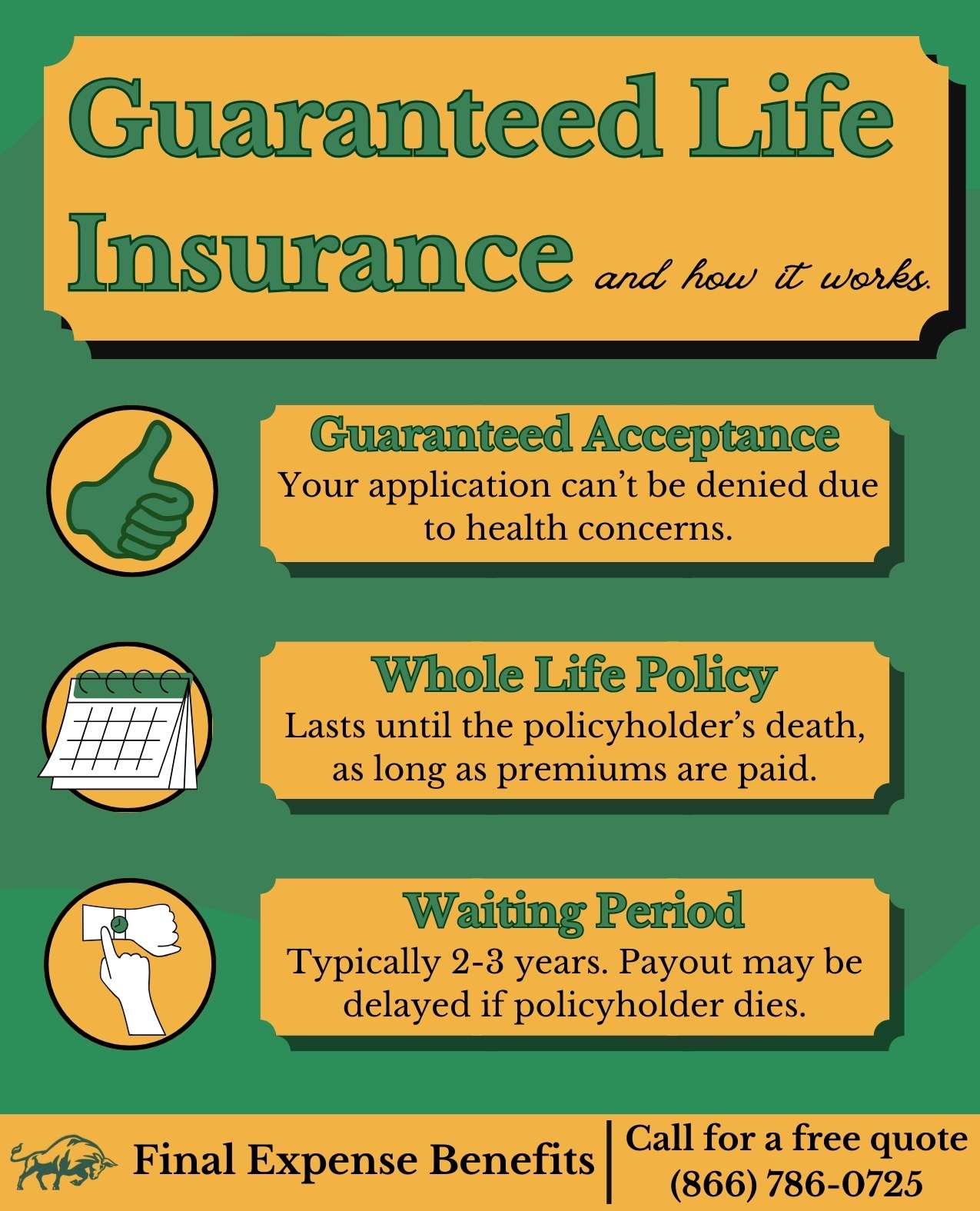
How does GUL differ from "Guaranteed Issue" life insurance?
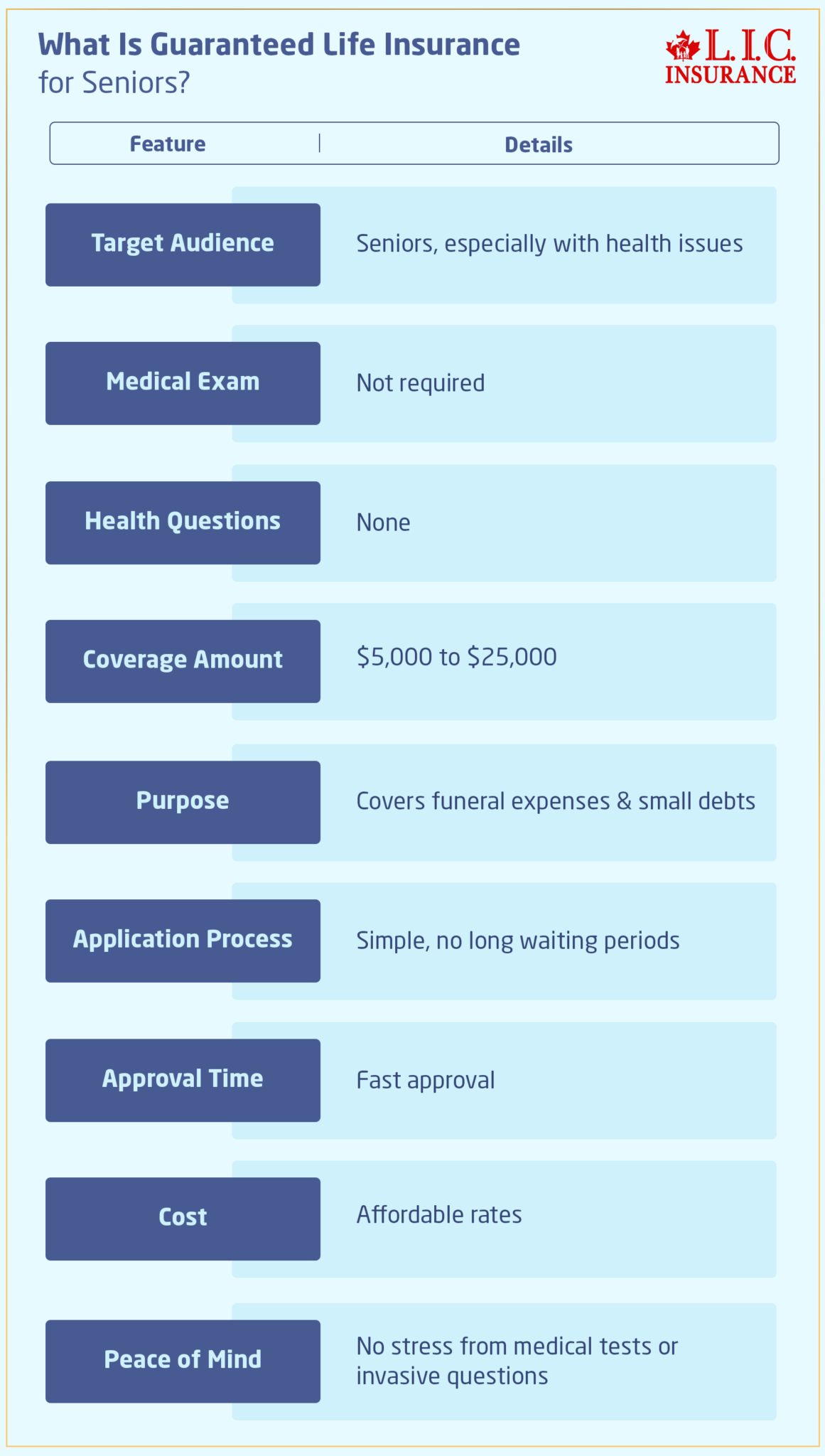
"Guaranteed Issue" refers to policies that require no medical exam and accept all applicants; these are usually small whole life policies with high costs and graded benefits. "No Lapse Secondary Guarantee UL" is a fully underwritten product. You must answer medical questions and often undergo a physical exam. The "guarantee" in GUL refers to the contract staying in force, not to the acceptance of the applicant.
Can I borrow against a No Lapse Guarantee policy?
While technically possible if there is any cash value, it is highly discouraged. GUL policies are not designed for policy loans. Taking a loan will almost certainly void the secondary guarantee or require a massive premium increase to keep the "shadow account" in good standing. If you want a policy for borrowing, a Whole Life or IUL policy is a much better fit.
Practical Recommendation for 2026
If you are considering a no lapse secondary guarantee universal life insurance policy, your first step should be an "illustration" audit. Request a formal illustration from the carrier that shows the policy's performance at a 0% credited interest rate. Because the secondary guarantee is the goal, you want to verify that the policy remains in force until your desired age (e.g., 105 or 121) even under the worst possible economic conditions.
Furthermore, ensure you set up automatic premium payments. Because GUL policies are so sensitive to payment timing, relying on manual checks or periodic invoices increases the risk of a technical lapse. For those using GUL for estate planning, consult with a tax attorney to ensure the policy is structured outside of your taxable estate to maximize the net benefit to your heirs.
Image Gallery