Why Spring Training in Florida Feels Different for Fans
Spring training in Florida, known as the Grapefruit League, feels different for fans because of its unique blend of deep historical tradition, geographic diversity, and unparalleled player intimacy. Unlike the centralized Cactus League...
Spring training in Florida, known as the Grapefruit League, feels different for fans because of its unique blend of deep historical tradition, geographic diversity, and unparalleled player intimacy. Unlike the centralized Cactus League in Arizona, Florida offers a coastal road-trip experience where baseball history intersects with tropical leisure and small-town charm.
Contents
For over a century, the ritual of "heading south for the winter" has been a cornerstone of American baseball culture. In 2026, despite the evolution of modern stadium technology and player conditioning, the Florida spring training experience remains a distinct pilgrimage. It is not merely about watching practice games; it is an immersive environment where the barriers between professional athletes and their supporters are lowered, all set against the backdrop of Florida's diverse landscapes.
The Geographic Tapestry: A Tale of Two Coasts
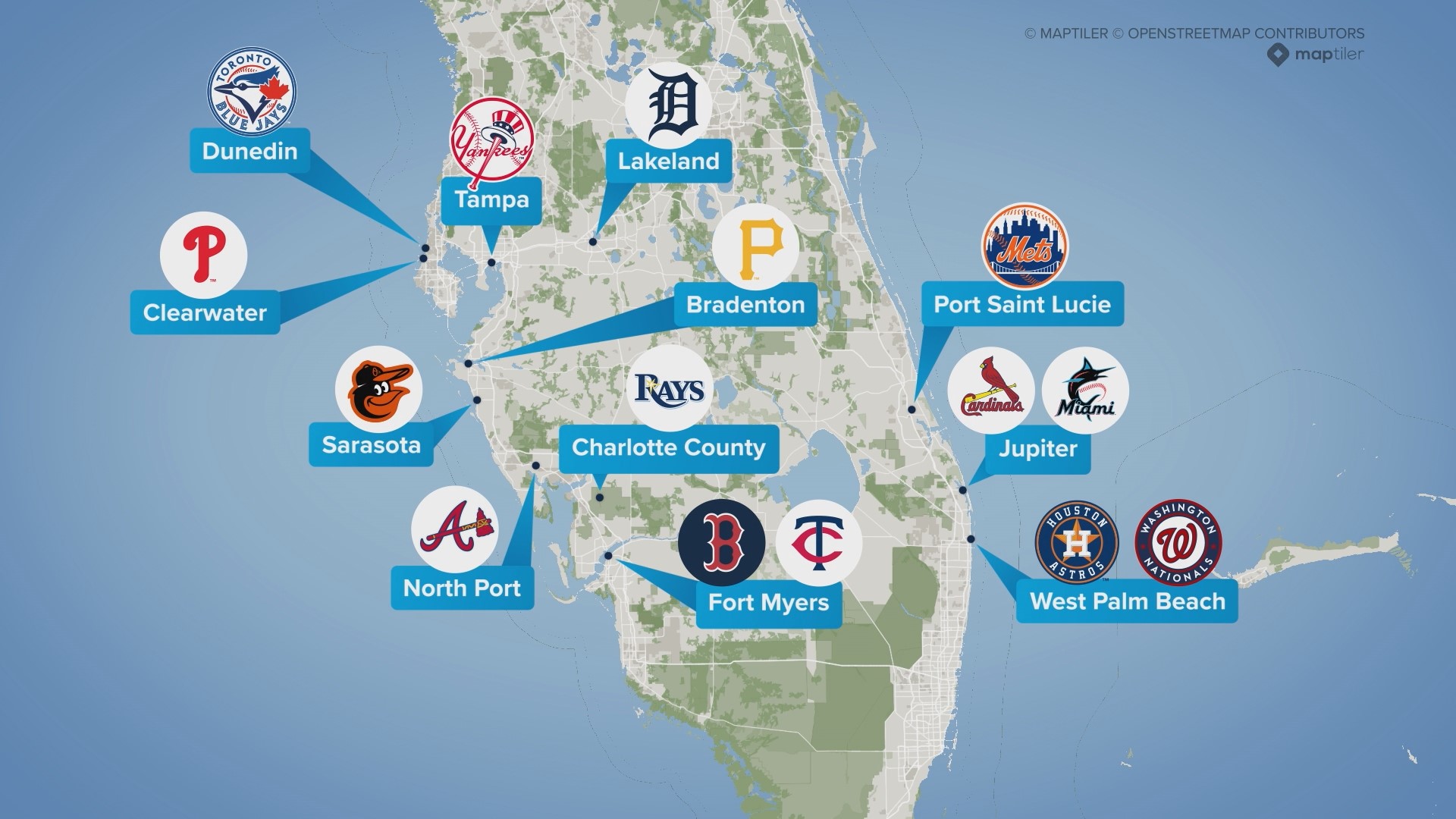
One of the primary reasons the Grapefruit League feels different is its sprawling geography. While the Cactus League in Arizona is clustered around the Phoenix metropolitan area, allowing fans to stay in one hotel and reach every stadium within 45 minutes, Florida demands a journey. The 15 teams of the Grapefruit League are spread across the state, primarily concentrated along the Gulf Coast and the Atlantic Coast.
The Gulf Coast Cluster
The Gulf Coast is the traditional heart of spring training. From the Philadelphia Phillies in Clearwater to the Boston Red Sox and Minnesota Twins in Fort Myers, this region offers a relaxed, beach-oriented atmosphere. Fans often find themselves navigating the Pinellas Trail or visiting the white sands of Siesta Key between games. The proximity of teams like the New York Yankees in Tampa and the Toronto Blue Jays in Dunedin allows for short "mini-clusters," but the overall experience is defined by the scenic drives along the Gulf.
The Atlantic Coast and Central Florida
On the opposite side, the Atlantic Coast hosts the New York Mets in Port St. Lucie and the Washington Nationals and Houston Astros in West Palm Beach. This side of the state offers a more high-energy, vacation-resort feel. Meanwhile, Central Florida remains home to the Detroit Tigers in Lakeland, a city that has hosted the team for over 90 years. This geographic spread means that a "spring training trip" in Florida is often a road trip, encouraging fans to explore different Florida cultures—from the sleepy charm of Dunedin to the upscale vibrancy of Jupiter.
Historical Resonance and Architectural Heritage
In 2026, many Major League stadiums are marvels of glass and steel, but Florida’s spring training venues often lean into their history. This sense of lineage is a major factor in why the experience feels "different." When you sit in Publix Field at Joker Marchant Stadium in Lakeland, you are walking the same grounds where Hall of Famers have prepared since the mid-20th century.
Florida stadiums often retain a "neighborhood" feel. Unlike the massive suburban complexes found in Arizona, many Florida parks are integrated into the local town grid. The intimacy of TD Ballpark in Dunedin or LECOM Park in Bradenton (the oldest stadium in spring training, built in 1923) creates a temporal bridge. Fans aren't just watching the 2026 roster; they are participating in a century-old ritual. The architectural styles often mirror Florida’s Mediterranean Revival or "Old Florida" aesthetics, featuring stucco walls, palm-lined concourses, and open-air designs that invite the sea breeze.
The Intimacy of the Fan-Player Connection
The most tangible difference for fans is the level of access. During the regular season, players are distant figures on a manicured field, separated by high fences and intense security. In the Grapefruit League, the environment is intentionally scaled down.
- Morning Workouts: Most Florida complexes allow fans to enter the back fields for free or a nominal fee during morning practices. You can stand five feet away from a Cy Young winner as he throws a bullpen session or watch a star shortstop practice double-play pivots.
- Autograph Culture: The "autograph alley" is a staple of Florida parks. Because the atmosphere is more relaxed, players are generally more willing to sign a ball or chat with a fan along the baselines before the first pitch.
- The Sightlines: With stadium capacities often hovering between 5,000 and 10,000, there truly isn't a bad seat in the house. You can hear the "pop" of the catcher's mitt and the chatter between the dugout and the on-deck circle in a way that is impossible in a 40,000-seat metropolitan stadium.
Weather and the "Florida Factor"
The climate plays a psychological role in the fan experience. In March, Florida transitions from a mild winter to a humid spring. For fans traveling from the Northeast or Midwest, the sudden shift to 80-degree weather and tropical foliage is a sensory shock that signals the end of winter.
However, the weather also adds an element of unpredictability. The occasional afternoon thunderstorm or the shifting shadows of the Florida sun are part of the game’s rhythm. The "feel" of the air—salty near the coasts and heavy with the scent of orange blossoms inland—creates a unique sensory memory that fans associate specifically with the Grapefruit League.
Comparative Overview: Grapefruit League vs. Cactus League
To understand why Florida feels different, it is helpful to compare its logistical and atmospheric traits with its Arizona counterpart.
| Feature | Grapefruit League (Florida) | Cactus League (Arizona) |
|---|---|---|
| Geographic Layout | Sprawling; requires significant driving between coasts. | Concentrated; all stadiums within Phoenix metro. |
| Climate | Humid, tropical, potential for rain. | Dry heat, desert environment, very rare rain. |
| Stadium Vibe | Historic, neighborhood-integrated, varied. | Modern, uniform, purpose-built complexes. |
| Travel Style | Multi-city road trip; beach and resort focus. | Single-base hub; golf and hiking focus. |
| History | Formed in the early 1900s; deep traditional roots. | Formed mid-century; modern growth. |
| Player Access | High; back-field access is a primary draw. | High; but often more crowded due to density. |
The 2026 Technological Integration
While the vibe remains "old school," the 2026 season has seen the seamless integration of technology that changes how fans engage with the game. Most Florida stadiums now feature high-definition ribbon boards and advanced stat-tracking (Statcast) displayed in real-time. Fans can see the exit velocity and launch angle of a home run immediately after the crack of the bat.
Furthermore, the implementation of the Automated Ball-Strike (ABS) system and refined pitch clocks has streamlined the games. For the fan, this means a crisper, faster-paced experience that still allows for the traditional "lazy afternoon at the ballpark" feeling. The technology doesn't override the atmosphere; it enhances the appreciation of the players' skills.
Economic and Lifestyle Considerations for Fans
Attending spring training in Florida is a significant investment. In 2026, ticket prices for premier teams like the Yankees or Red Sox can rival regular-season prices, especially for weekend games. However, the "different" feel comes from the value found in the peripheral experiences.
- Dining: Florida spring training is synonymous with local delicacies. From the "Philly Cheesesteaks" in Clearwater (a nod to the home team) to the fresh seafood in Sarasota, the food is an extension of the team's identity and the local region.
- Accommodations: Because teams are spread out, fans often stay in vacation rentals or beachside motels rather than standard business hotels. This shifts the trip from a "sports event" to a "lifestyle vacation."
- The "Snowbird" Community: A large portion of the crowd consists of retirees who live in Florida for the winter. This creates a knowledgeable, baseball-savvy atmosphere where the person sitting next to you might have been attending games at that same park for thirty years.
Common Mistakes to Avoid
To maintain the "magic" of the Florida experience, fans should avoid common logistical pitfalls:
- Underestimating Drive Times: Traffic on I-4 or the Florida Turnpike can be brutal. Crossing from the Atlantic coast to the Gulf coast for a 1:05 PM game requires an early start.
- Ignoring the Sun: The Florida sun in March is deceptive. Without high-SPF sunscreen and hydration, a three-hour game in an unshaded bleacher section can be grueling.
- Focusing Only on Big Teams: While the Yankees and Phillies are major draws, visiting smaller venues like the Pittsburgh Pirates' home in Bradenton often provides the most intimate and "different" feeling.
Frequently Asked Questions
Why is it called the Grapefruit League?
The name originated from a 1915 publicity stunt where a pilot attempted to drop a baseball to player Wilbert Robinson. Instead of a ball, he dropped a grapefruit, which exploded upon impact. The name stuck as a descriptor for the Florida-based spring training circuit.
Which Florida stadium is considered the best for fan interaction?
While subjective, LECOM Park in Bradenton and TD Ballpark in Dunedin are frequently cited for their intimacy. Their smaller capacities and older layouts bring fans closer to the field than the newer, larger complexes in West Palm Beach.
Are morning workouts open to the public in 2026?
Yes, most teams continue the tradition of opening their practice fields to the public in the mornings (usually starting around 9:00 AM). These are often free or require a very inexpensive ticket and offer the best chance for player interaction and autographs.
Is it better to stay on the Gulf Coast or the Atlantic Coast?
It depends on your team. If you follow the Mets, Cardinals, or Marlins, the Atlantic Coast is your base. However, for sheer variety and density of teams (Yankees, Phillies, Blue Jays, Tigers, Pirates, Orioles, Rays, Red Sox, Twins), the Gulf Coast offers more baseball within a smaller driving radius.
How far in advance should I book tickets for Florida Spring Training?
For popular teams or weekend matchups, it is recommended to book as soon as tickets go on sale (usually November or December of the previous year). While "lawn seating" or standing-room-only tickets are often available on game day, grandstand seats for high-profile games sell out quickly.
Final Recommendation for Fans
To truly capture why spring training in Florida feels different, plan your trip as a coastal exploration rather than a stationary event. Don't just stick to one stadium. Choose a "base" city like Sarasota or Tampa, but schedule at least two "away" games at stadiums you’ve never visited. Embrace the morning workouts on the back fields; that is where the true essence of spring training—the raw, unpolished beauty of professional baseball—resides. By 2026, the game has changed in many ways, but the sound of a wooden bat echoing through a sun-drenched Florida park remains the timeless heartbeat of the sport.
Image Gallery