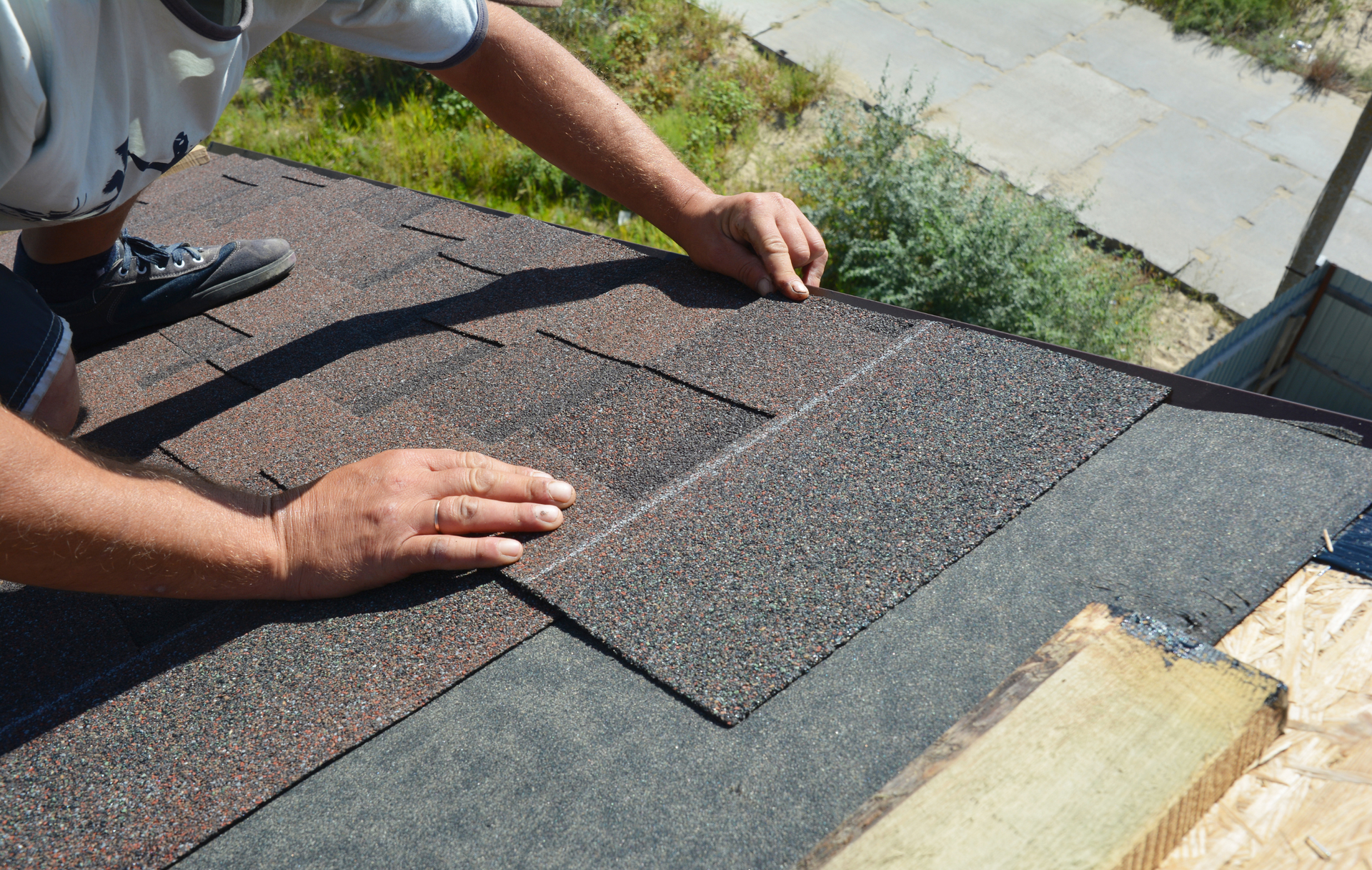
Best Roofer in Atlanta: Choosing the Right Contractor for Your Home
Finding the best roofer in Atlanta requires verifying a contractor’s Georgia state licensure, local physical presence, and comprehensive insurance coverage. Homeowners should prioritize companies with high-quality material certificatio...
Finding the best roofer in Atlanta requires verifying a contractor’s Georgia state licensure, local physical presence, and comprehensive insurance coverage. Homeowners should prioritize companies with high-quality material certifications, such as GAF Master Elite or CertainTeed Select ShingleMaster, and ensure the contractor provides a detailed, written estimate that accounts for Atlanta’s specific humidity and ventilation requirements.
Contents
The roofing industry in the Atlanta metropolitan area is highly competitive, driven by a climate that features intense heat, high humidity, and frequent seasonal storms. For homeowners in neighborhoods ranging from Buckhead to Marietta, selecting a contractor is not just about finding the lowest price; it is about ensuring the structural integrity of the home against the elements. As of 2026, the complexity of roofing technology and the evolving building codes in Georgia make it essential to perform deep due diligence before signing a contract.
Understanding the Atlanta Climate and Roofing Requirements
The unique weather patterns of North Georgia dictate the specific needs of a local roof. Atlanta experiences significant "urban heat island" effects, where high temperatures can cause asphalt shingles to bake and degrade prematurely if not properly ventilated. Furthermore, the region is prone to heavy spring rains and occasional severe wind or hail events.
When searching for the best roofer in Atlanta, the contractor must demonstrate an understanding of attic ventilation and thermal dynamics. A roof that lacks proper airflow will trap heat in the summer, leading to higher cooling costs and the "blistering" of shingles. Conversely, in the humid winters, poor ventilation can lead to moisture buildup in the attic, resulting in mold growth and wood rot in the decking.
Local Building Codes and Compliance
In Georgia, residential roofing falls under the jurisdiction of the Georgia Secretary of State and must adhere to the Georgia State Minimum Standard Residential Code. As of 2026, these codes are strictly enforced to ensure that roofs can withstand specific wind loads. A reputable Atlanta roofer will handle all necessary permitting processes with the local municipality—whether that is the City of Atlanta, Fulton County, or DeKalb County—to ensure the finished work is legally compliant and safe.
The Verification Checklist: Licensing and Insurance
Never hire a roofing contractor in Atlanta based on a verbal agreement or a flyer alone. Georgia law requires professional licensing for residential contractors performing work over a certain dollar threshold.
- State Licensing: Verify the contractor holds a valid "Residential-Basic" or "Residential-Light Commercial" license through the Georgia State Licensing Board for Residential and General Contractors. This ensures the individual or company has met the state’s rigorous standards for experience and financial stability.
- General Liability Insurance: The contractor must carry significant general liability insurance (typically at least $1,000,000). This protects your property from damage caused by the roofing process, such as a fallen limb or a structural collapse during installation.
- Workers' Compensation: This is the most critical and often overlooked requirement. If a worker is injured on your property and the contractor does not have Workers’ Compensation insurance, you, the homeowner, could be held liable for medical expenses and lost wages. Always ask for a Certificate of Insurance (COI) sent directly from the insurance agency to you.
Evaluating Material Options for Atlanta Homes
The "best" roof is often defined by the materials used. In the Atlanta market, several options dominate based on their performance in high-humidity environments.
| Material Type | Expected Lifespan | Performance in Atlanta Heat | Maintenance Needs |
|---|---|---|---|
| Architectural Shingles | 25–30 Years | Good (Requires high UV resistance) | Low; check for algae growth |
| Metal Roofing | 40–70 Years | Excellent (Reflects solar heat) | Very Low; check fasteners |
| Synthetic Slate | 50+ Years | Excellent (High thermal mass) | Low; high initial cost |
| Clay/Concrete Tile | 50+ Years | Excellent (Natural ventilation) | Moderate; heavy weight |
The Rise of Algae-Resistant Shingles
Because of Atlanta’s high humidity, many homes suffer from "Gloeocapsa magma," a type of algae that leaves black streaks on the roof. The best roofers in the area now standardly recommend shingles with copper or zinc granules, which act as a natural biocide to prevent these stains and preserve the home's curb appeal.
The Bidding Process: Beyond the Bottom Line
When collecting quotes from Atlanta roofing companies, the cheapest bid is frequently the most expensive in the long run. A "low-ball" bid often suggests that the contractor is cutting corners on underlayment quality, reusing old flashing, or—most dangerously—foregoing proper insurance.
What a Professional Quote Should Include:
- Total Tear-Off: Confirmation that all old roofing material will be removed down to the wood deck. "Overlaying" new shingles over old ones is generally discouraged in the Georgia climate as it traps heat and adds excessive weight.
- Decking Inspection: A clear price per sheet for replacing any rotted plywood or OSB found during the tear-off.
- Drip Edge and Flashing: Specifications for new metal drip edges and flashing around chimneys and valleys. These are the primary defense points against water intrusion.
- Underlayment: Usage of synthetic underlayment rather than traditional felt paper. Synthetic options are more tear-resistant and provide a better secondary water barrier.
- Warranty Details: A distinction between the manufacturer’s warranty (covering material defects) and the contractor’s workmanship warranty (covering installation errors).
Identifying and Avoiding "Storm Chasers"
Atlanta is a prime target for "storm chasers"—unlicensed contractors who travel to areas recently hit by hail or wind storms. These individuals often use aggressive door-to-door sales tactics and promise to "waive the insurance deductible," which is a form of insurance fraud in Georgia.
To avoid these scams, prioritize local companies with a permanent physical address in the Atlanta area. Check the Better Business Bureau (BBB) for their rating and look for established histories in the community. A local contractor has a reputation to uphold and will be available to honor workmanship warranties years after the job is completed.
Technical Execution: Ventilation and Flashing
A high-quality installation is what separates the best roofers from average ones. In 2026, the standard for a premium Atlanta roof includes an integrated ventilation system. This usually involves a combination of soffit vents (where air enters) and ridge vents (where air exits at the peak).
Furthermore, pay close attention to flashing. Most roof leaks occur not through the shingles themselves, but at the junctions where the roof meets a wall, chimney, or pipe. The best contractors use "step flashing" for walls and high-quality boots for plumbing vents, ensuring that these high-risk areas are double-sealed against the torrential rains common in Georgia's summer afternoons.
Frequently Asked Questions
How much does a new roof cost in Atlanta in 2026?
The cost varies significantly based on square footage and material, but the average architectural shingle roof for a standard 2,000-square-foot home in Atlanta typically ranges from $10,000 to $18,000. Premium materials like metal or synthetic slate can double or triple this cost. Labor rates in the metro area have stabilized but reflect the high cost of living and necessary insurance premiums for professional crews.
How long does the roofing process take?
For most residential homes in Atlanta, the actual installation takes 1 to 2 days. However, the entire process—from initial inspection and insurance adjustment to material delivery and final cleanup—usually spans 2 to 4 weeks. Weather delays are common during the spring storm season and the mid-summer "pop-up" thunderstorms.
Should I repair or replace my roof?
If your roof is over 20 years old and showing signs of significant granule loss, curling shingles, or leaks in multiple locations, a full replacement is usually more cost-effective. Minor damage from a single fallen branch or a few missing shingles can often be repaired if the surrounding materials are still supple and functional.
What is the best time of year to replace a roof in Atlanta?
Late autumn and early winter are often considered the best times. The lower humidity and cooler temperatures are easier on the installation crews, and the shingles have enough sun exposure to seal properly without the risk of "scuffing" that occurs during the extreme heat of July and August.
Do I need to be home during the installation?
It is not strictly necessary for the homeowner to be inside, but it is recommended to be available by phone. Roofing projects often reveal "hidden damage" once the old materials are removed, such as rotted rafters or moldy decking, which requires immediate communication and approval for additional costs.
Final Recommendation for Homeowners
When choosing the best roofer in Atlanta, your final decision should be based on a balance of verified credentials, local reputation, and technical transparency. Request at least three detailed estimates and verify every license and insurance certificate personally. Prioritize contractors who use high-quality synthetic underlayment and provide a minimum 10-year workmanship warranty. By focusing on these structural and legal safeguards, you ensure that your home remains protected through Atlanta’s unpredictable weather cycles for decades to come.
Image Gallery