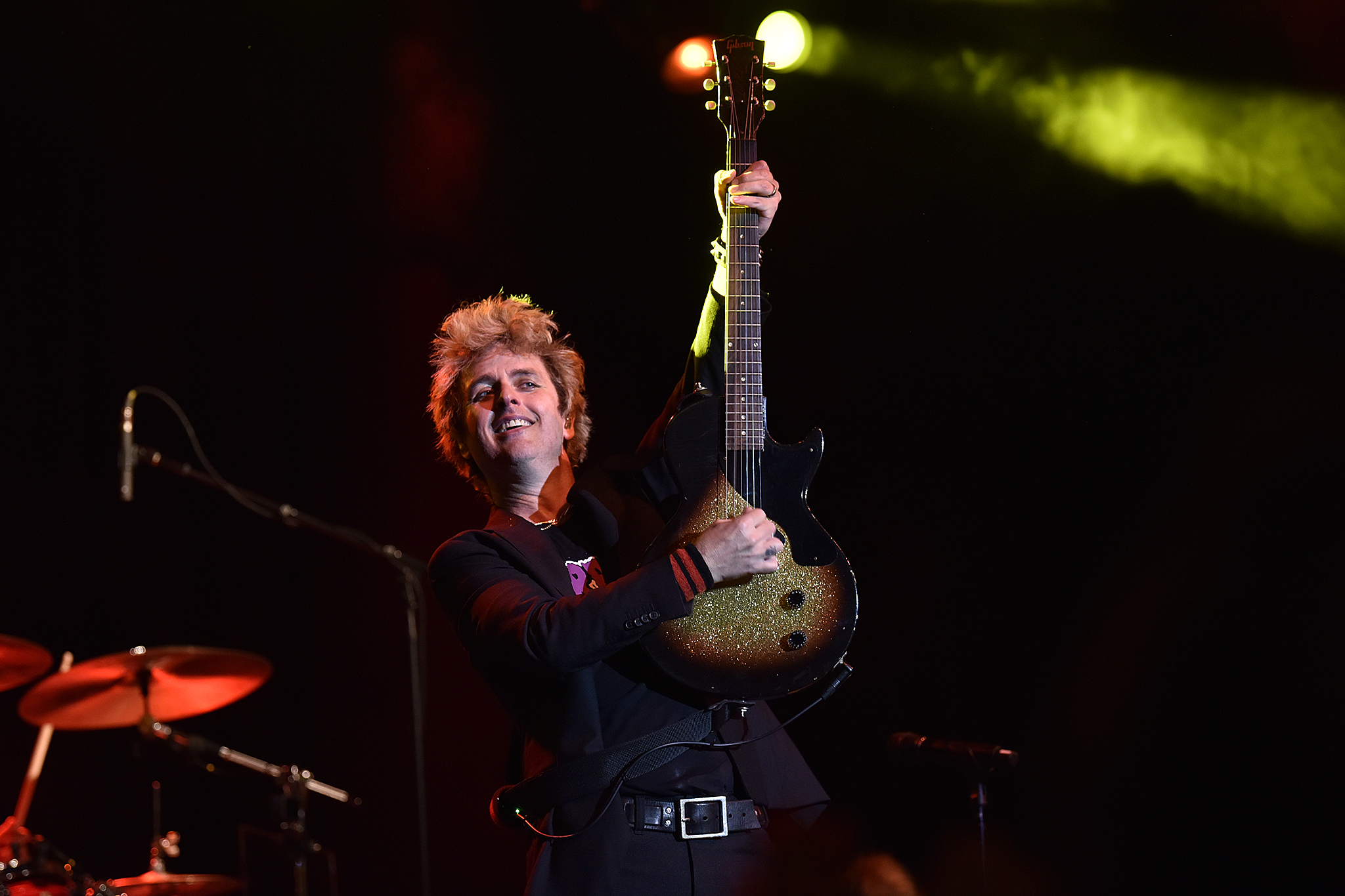
Billie Joe Armstrong: The Iconic Frontman and Voice of Green Day
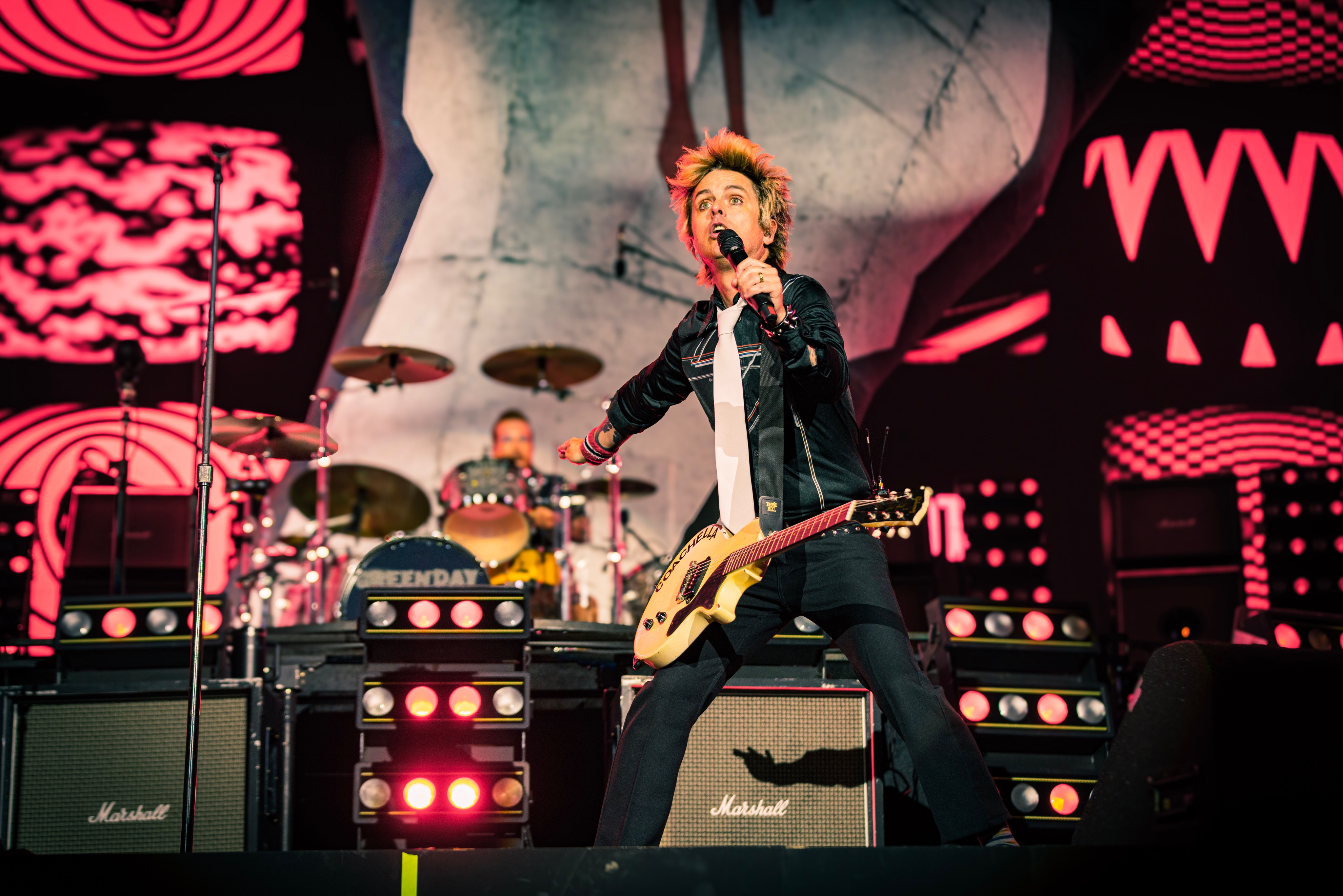
Billie Joe Armstrong is the main singer, primary songwriter, and rhythm guitarist of the legendary punk rock band Green Day. Co-founding the group in the late 1980s alongside bassist Mike Dirnt, Armstrong's distinctive vocal delivery,...
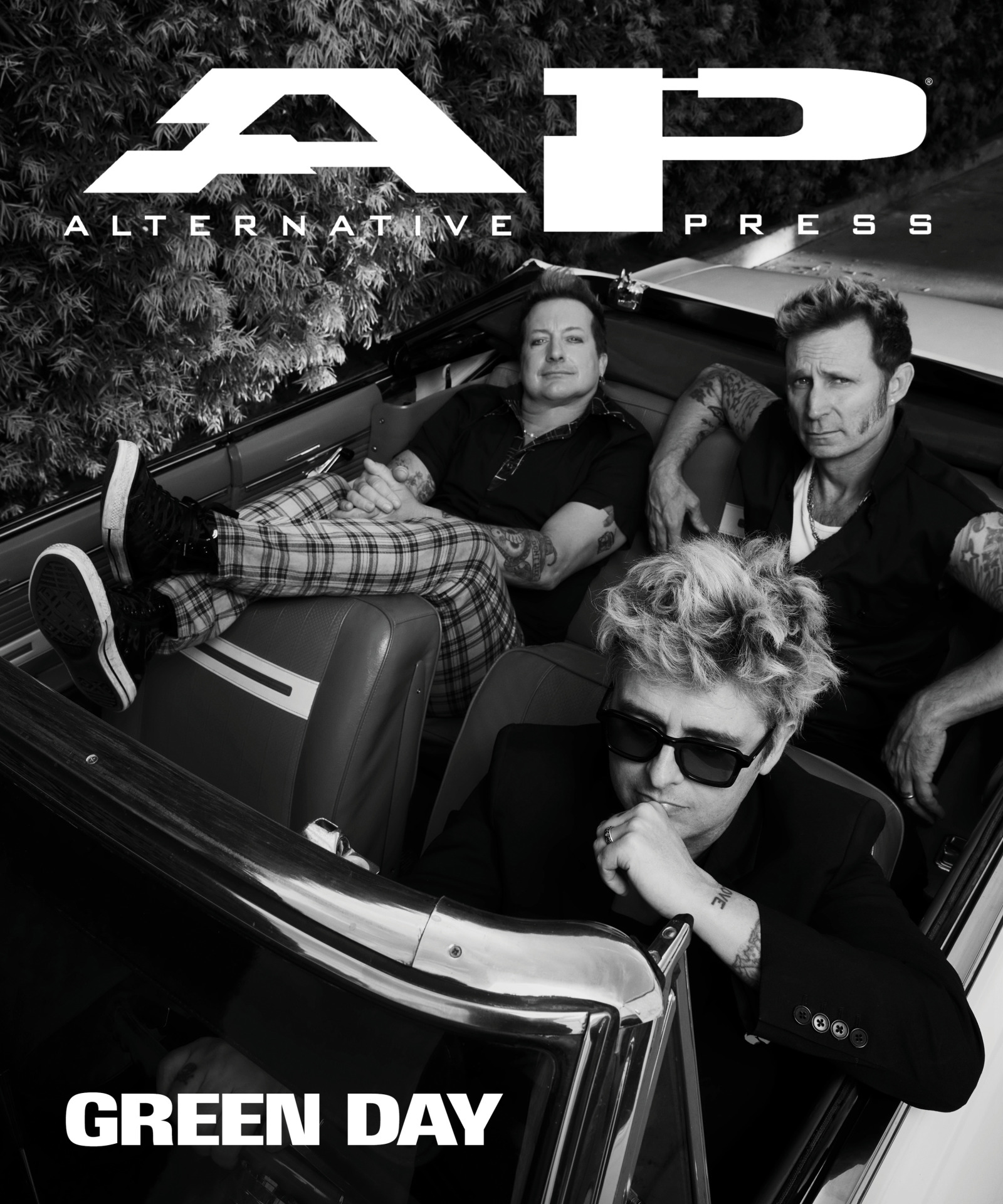
Billie Joe Armstrong is the main singer, primary songwriter, and rhythm guitarist of the legendary punk rock band Green Day. Co-founding the group in the late 1980s alongside bassist Mike Dirnt, Armstrong's distinctive vocal delivery, sharp lyrical storytelling, and driving guitar rhythms helped propel punk rock into mainstream global culture.
Contents
Beyond his role in Green Day, Armstrong is widely recognized for his work across various side projects, musical theater adaptations, and solo releases. Understanding his career requires examining his early musical development in the San Francisco Bay Area, his songwriting approach, his signature performance equipment, and his broader impact on modern alternative music.
Early Life and the Formation of Green Day
Billie Joe Armstrong was born on February 17, 1972, in Oakland, California, and raised in nearby Rodeo. The youngest of six children, he developed an interest in music at an early age. His father, Andrew Armstrong, was a truck driver and part-time jazz musician, while his mother, Ollie Jackson, worked at a local diner. At just ten years old, Armstrong suffered the loss of his father to esophageal cancer, an event that profoundly shaped his perspective and inspired later compositions, including the hit single "Wake Me Up When September Ends."
Around the age of ten, Armstrong met Michael Ryan Pritchard—who would later adopt the stage name Mike Dirnt—in their middle school cafeteria. Bound by a shared passion for classic rock, early punk, and guitar music, the duo began playing together regularly. Armstrong’s mother bought him his first electric guitar, a Fernandes Stratocaster copy nicknamed "Blue," which became his primary instrument throughout Green Day's early years and remains an iconic fixture of his live performances.
In 1987, at age 15, Armstrong and Dirnt formed a band called Sweet Children alongside drummer Sean Hughes. They began performing around California, notably at 924 Gilman Street, an Berkeley-based non-profit DIY punk venue that served as a crucible for Northern California punk rock. By 1989, the group renamed themselves Green Day—a reference to Bay Area slang for a day spent doing nothing—and recruited drummer John Kiffmeyer (Al Sobrante). After releasing early EPs on the independent label Lookout! Records, Kiffmeyer departed for college, making way for Frank Edwin Wright III, known professionally as Tré Cool, who finalized the core lineup that remains active today.
Vocal Style, Songwriting, and Musicality
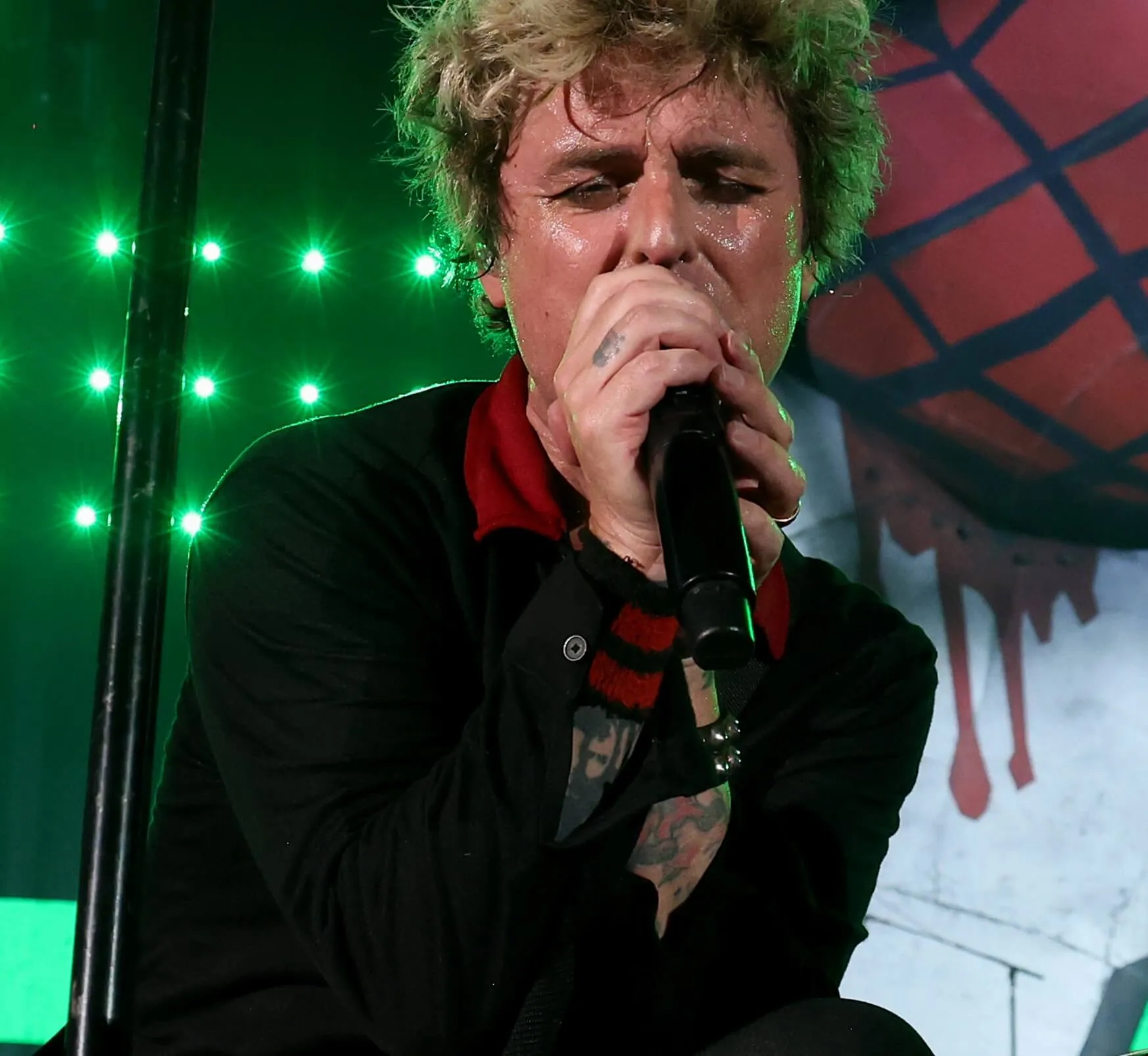
As Green Day's main vocalist, Billie Joe Armstrong developed a style that bridges the snotty, urgent aesthetic of first-wave British punk with the catchy melodic hooks of traditional pop-rock. His singing voice is instantly recognizable due to several distinct characteristics:
- Vocal Delivery and Accent: Armstrong adopted a semi-phonetic British inflection during the band's early years, heavily influenced by punk pioneers like Joe Strummer of The Clash and Johnny Rotten of the Sex Pistols. Over time, this evolved into a clear, powerful tenor capable of sustaining long vocal lines and dynamic shifts.
- Melodic Structure: Despite the speed and aggression of punk rock, Armstrong writes songs rooted in classic pop chord progressions. He frequently incorporates call-and-response dynamics, strong octave jumps, and harmonic backing vocals.
- Rhythm Guitar Technique: Armstrong’s rhythm playing is characterized by rapid, highly precise down-stroking and clean power-chord shifts. Rather than relying on technical solos, his guitar work focuses on driving the rhythm section, serving as an extension of the band's pulse.
Lyrically, Armstrong writes with directness and emotional honesty. His compositions span several thematic phases: early songs focused on adolescent boredom, anxiety, and social isolation (Dookie, Insomniac); mid-career works shifted toward existential exhaustion and personal maturation (Nimrod, Warning); while later releases embraced narrative rock operas dissecting political disillusionment, media satire, and societal decay (American Idiot, 21st Century Breakdown).
Era-by-Era Album History and Key Milestones
Green Day’s discography spans decades of studio recordings, marked by major commercial highs, critical reinventions, and steady touring worldwide. The following table highlights key albums where Armstrong's leadership as lead vocalist and principal songwriter defined the band's direction:
| Album Title | Release Year | RIAA Certification | Key Tracks | Vocal & Musical Characteristics |
|---|---|---|---|---|
| Dookie | 1994 | Diamond (10x Platinum) | "Basket Case", "When I Come Around", "Longview" | Raw, hyperactive pop-punk; fast tempo down-stroking; lyrics on anxiety and youth. |
| Insomniac | 1995 | 2x Platinum | "Geek Stink Breath", "Brain Stew" | Heavier, darker guitar tones; aggressive vocal delivery; lyrics exploring burnout. |
| Nimrod | 1997 | 2x Platinum | "Good Riddance (Time of Your Life)", "Hitchin' a Ride" | Genre experimentation; introduction of acoustic ballads, horn sections, and violin. |
| American Idiot | 2004 | 6x Platinum | "Boulevard of Broken Dreams", "Holiday", "Wake Me Up When September Ends" | Concept rock opera; dramatic vocal arrangements; political and social narrative focus. |
| 21st Century Breakdown | 2009 | Platinum | "Know Your Enemy", "21 Guns" | Ambitious three-act rock opera; broad dynamic range from piano ballads to arena punk. |
| Revolution Radio | 2016 | Platinum | "Bang Bang", "Still Breathing" | Return to self-produced classic punk quartet sound; introspective personal themes. |
| Saviors | 2024 | — | "The American Dream Is Killing Me", "Dilemma" | Synthesis of Dookie speed and American Idiot anthemics; direct rock production. |
Side Projects and External Work
While Green Day remains Armstrong's primary creative outlet, he has established several side bands and secondary musical projects to explore alternative genres, garage rock, and traditional punk.
Pinhead Gunpowder
Formed in 1990, Pinhead Gunpowder is an underground East Bay punk supergroup featuring Armstrong alongside Aaron Cometbus, Bill Schneider, and Jason White. The group operates on an informal schedule, releasing EPs and albums sporadically with a raw, fast-paced East Bay sound.
The Network and Foxboro Hot Tubs
Armstrong has used pseudonyms to explore distinct musical styles without the expectations associated with Green Day:
- The Network: A new wave/synth-punk project formed in the early 2000s where members wore masks and adopted alter egos. Armstrong performed under the moniker "Fink."
- Foxboro Hot Tubs: A garage-rock band formed in 2007 by all members of Green Day plus touring musicians, drawing heavy inspiration from 1960s British invasion and garage bands. Armstrong performed lead vocals under the name "Reverend Strychnine Twitch."
Musical Theater and Film
Following the massive success of American Idiot, Armstrong collaborated with director Michael Mayer to adapt the album into a stage musical. The show premiered on Broadway in 2010, winning two Tony Awards. Armstrong periodically stepped into the cast himself, playing the antagonist role of St. Jimmy to critical acclaim. Additionally, he has acted in indie feature films, such as Ordinary World (2016), for which he also composed original songs.
Collaborative Albums
In 2013, Armstrong teamed up with singer-songwriter Norah Jones to record Foreverly, a track-by-track tribute album to The Everly Brothers' 1958 release Songs Our Daddy Taught Us. The project showcased Armstrong's vocal versatility outside of high-energy rock, focusing on close acoustic harmonies and traditional country-folk phrasing.
Signature Guitars, Amps, and Stage Setup
Armstrong’s guitar tone is widely studied by rock musicians for its clarity, punch, and crunch. His setup balances vintage simplicity with reliable live performance custom modifications:
[ Guitars ] ---> [ Custom Amp Heads ] ---> [ Speaker Cabinets ] - "Blue" (Fernandes) - "Pete" (Marshall 1959SLP Dookie Mod) - Marshall 4x12 Cabs - Gibson Les Paul Jr - "Meat" (Marshall 1959SLP SE Lead Mod) - Celestion Vintage 30s
- "Blue" (Fernandes Stratocaster Clone): Covered in stickers and featuring a slanted Seymour Duncan JB humbucker in the bridge position, this remains Armstrong's primary guitar for older Green Day material played in Eb tuning.
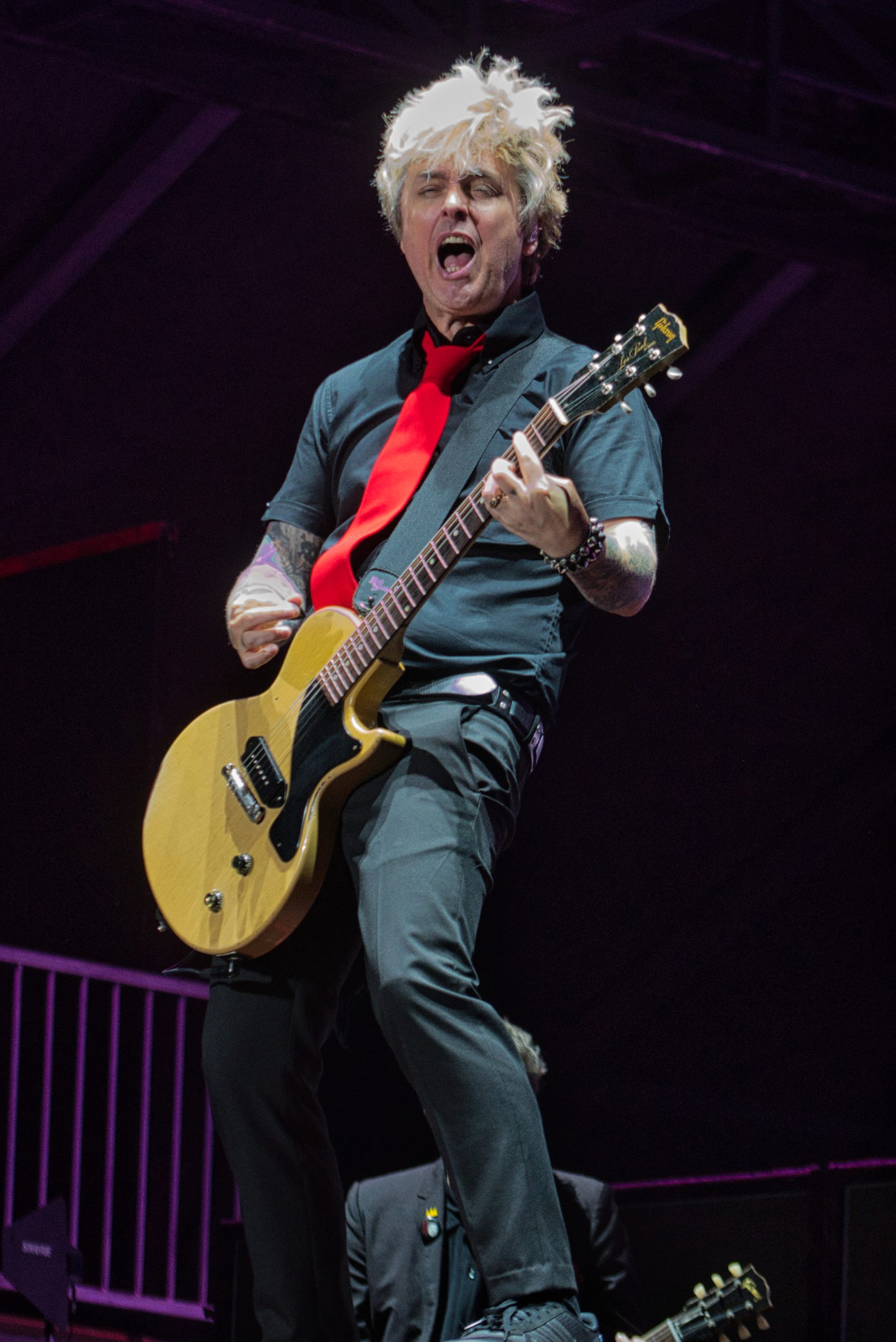
- Gibson Les Paul Junior: Armstrong is a long-time advocate of single-cutaway Les Paul Juniors equipped with single-coil P-90 (or P-100/H-90) pickups. Gibson has produced multiple Billie Joe Armstrong Signature Les Paul Junior models to commemorate his preference for mid-range bite and simplicity.
- Amplification: His signature live tone relies heavily on two modified Marshall 1959SLP re-issue 100-watt heads, nicknamed "Pete" and "Meat." Modified by technician Martin Golub, one head provides a high-gain crunch while the other adds low-end scoop and definition.
Frequently Asked Questions
Is Billie Joe Armstrong the original singer of Green Day?
Yes. Billie Joe Armstrong co-founded the group under the name Sweet Children in 1987 alongside bassist Mike Dirnt. He has served as the band's primary lead vocalist, rhythm guitarist, and lyricist since its inception.
What was Billie Joe Armstrong's first guitar?
Armstrong's first electric guitar was a blue Fernandes Stratocaster copy nicknamed "Blue," given to him by his mother when he was ten years old. Though modified extensively over the decades, he still plays it on stage during live performances.
How many Grammy Awards has Billie Joe Armstrong won with Green Day?
Green Day has won multiple Grammy Awards throughout their career, including Best Alternative Music Performance for Dookie (1994), Best Rock Album for American Idiot (2004), Record of the Year for "Boulevard of Broken Dreams" (2005), and Best Rock Album for 21st Century Breakdown (2009).
Did Billie Joe Armstrong sing on Broadway?
Yes. Armstrong made several limited engagements playing the character St. Jimmy in the Broadway musical adaptation of Green Day's American Idiot at the St. James Theatre between 2010 and 2011.
What vocal range does Green Day's main singer have?
Billie Joe Armstrong is generally classified as a tenor. His range typically spans from low baritone register up to high rock belts, characterized by precise control over melodic hooks and a rasping punk timbre.
Recommended Next Steps for Musicians and Fans
To better understand Billie Joe Armstrong's contribution to rock music and guitar technique, consider exploring the following resources and practices:
- Analyze the Rhythm Guitar Technique: Guitarists studying Armstrong's style should focus on fast down-stroke picking, maintaining consistent wrist relaxation, and mastering quick transitions between power chord shapes.
- Explore Side Discographies: Listen to Foreverly (with Norah Jones) and Pinhead Gunpowder’s discography to appreciate Armstrong’s vocal range outside of standard Green Day arrangements.
- Examine Song Structure: Review the arrangements on American Idiot and Dookie to study how simple chord structures (frequently using I-V-vi-IV progressions) can be paired with high-concept lyrical themes to create effective modern rock compositions.
Image Gallery