Understanding Paxlovid: Pfizer’s Antiviral Treatment for COVID-19 and How It Works
Paxlovid is an oral antiviral medication developed by Pfizer, consisting of nirmatrelvir and ritonavir. It is used to treat mild-to-moderate COVID-19 in individuals at high risk for severe disease progression. By inhibiting the SARS-Co...
Paxlovid is an oral antiviral medication developed by Pfizer, consisting of nirmatrelvir and ritonavir. It is used to treat mild-to-moderate COVID-19 in individuals at high risk for severe disease progression. By inhibiting the SARS-CoV-2 main protease enzyme, Paxlovid stops the virus from replicating within the body's cells.
Contents
What is Paxlovid? An Overview of Pfizer’s Oral Antiviral
As we move through 2026, Paxlovid remains the primary outpatient therapeutic for managing COVID-19 infections. Initially released under Emergency Use Authorization (EUA) during the height of the pandemic, it has since transitioned to full regulatory approval in most jurisdictions, including the United States and the European Union. Unlike vaccines, which prime the immune system to recognize the virus, Paxlovid is a reactive treatment intended for those who have already tested positive and are symptomatic.
The medication is specifically designed for "non-hospitalized" patients. This distinction is critical: Paxlovid is most effective when the viral load is building and hasn't yet caused the systemic inflammatory response that leads to hospitalization. It is packaged as a five-day oral regimen, making it accessible for home use, which significantly reduces the burden on healthcare systems during seasonal surges.
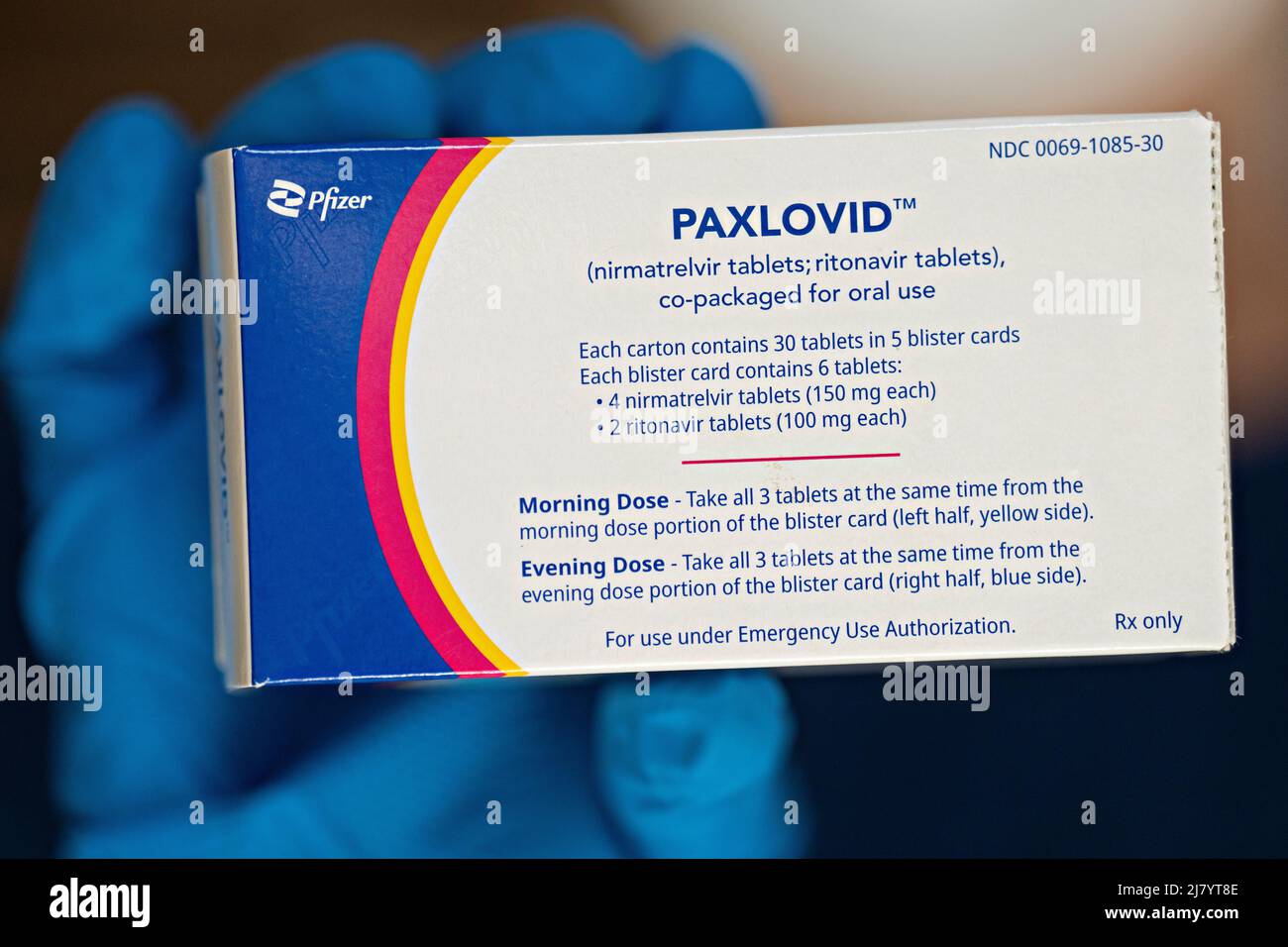
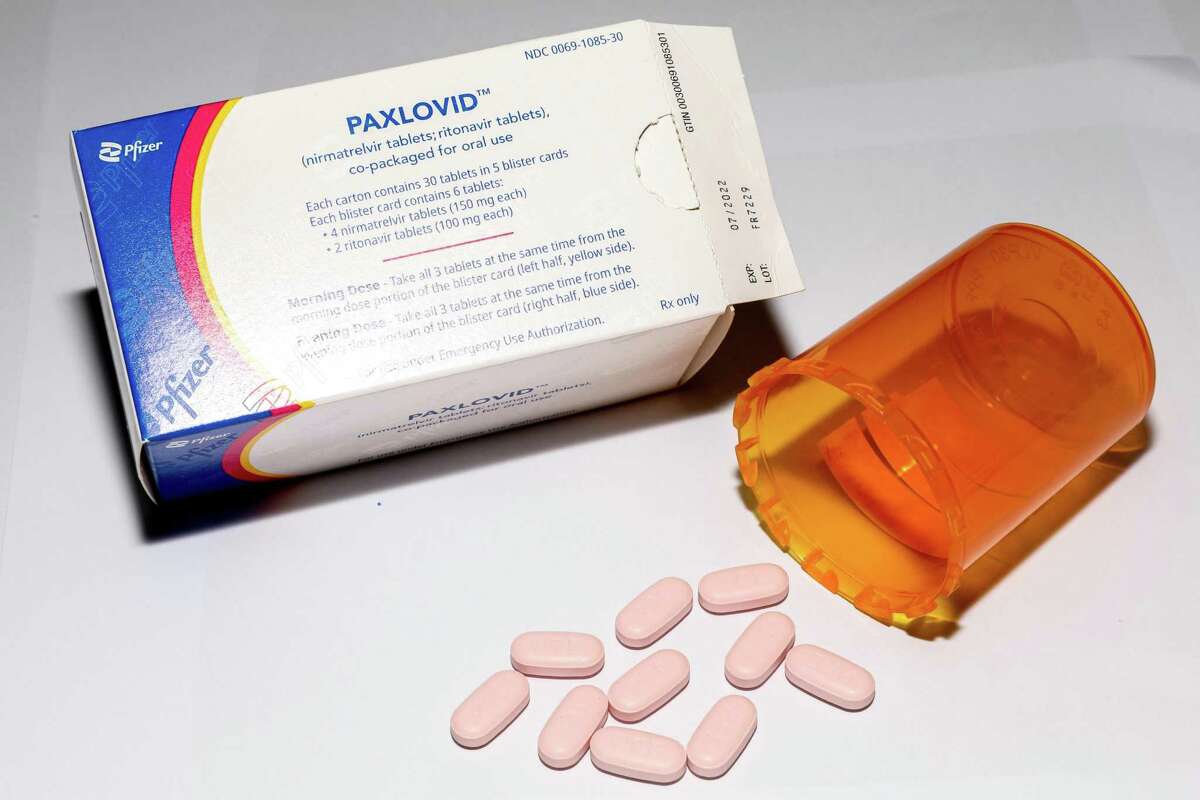
Paxlovid is not a single drug but a co-packaged therapy. It consists of two distinct medications that work in tandem. The first is nirmatrelvir, a novel antiviral developed specifically to combat coronaviruses. The second is ritonavir, a medication originally used in the treatment of HIV/AIDS, which serves as a pharmacokinetic "booster" for the nirmatrelvir. Without this combination, the body would metabolize the active antiviral too quickly for it to reach therapeutic levels in the bloodstream.
How Paxlovid Works: The Science of Protease Inhibition
To understand how Paxlovid works, one must understand how the SARS-CoV-2 virus replicates. When the virus enters a human cell, it releases its genetic material (RNA). This RNA instructs the cell to produce long chains of viral proteins. However, these long chains are useless to the virus in their initial state; they must be "cut" into smaller, functional pieces to assemble new virus particles.
The Role of Nirmatrelvir
Nirmatrelvir is a protease inhibitor. Specifically, it targets the SARS-CoV-2 main protease (Mpro), also known as the 3CL protease. This enzyme acts like a pair of molecular scissors. It is responsible for cleaving the long polyprotein chains into the functional units required for viral replication.
When a patient takes Paxlovid, the nirmatrelvir molecules bind to the Mpro enzyme. By occupying the active site of the enzyme, nirmatrelvir prevents the "scissors" from working. Because the viral proteins cannot be cut into functional pieces, the virus cannot build new copies of itself. This effectively halts the spread of the infection within the patient’s body, giving the immune system an advantage in clearing the existing viral load.
The Role of Ritonavir
On its own, nirmatrelvir is highly effective at inhibiting the protease enzyme, but the human body’s liver enzymes—specifically the CYP3A4 enzyme—are very efficient at breaking it down. If taken alone, nirmatrelvir would be cleared from the system before it could reach the lungs and other tissues in high enough concentrations to stop the virus.
Ritonavir is added to the Paxlovid formulation not because it has any direct effect on COVID-19, but because it is a potent inhibitor of the CYP3A4 enzyme. By "distracting" the liver, ritonavir ensures that nirmatrelvir stays in the body longer and at higher concentrations. This synergy is what makes the oral dosing schedule of twice-a-day for five days effective.
Eligibility and Administration in 2026
In 2026, clinical guidelines for Paxlovid remain focused on those most likely to suffer from severe outcomes. While the general population may experience COVID-19 as a mild respiratory illness, certain groups remain at high risk for pneumonia, respiratory failure, or death.
Who is Eligible?
Eligibility generally requires three criteria to be met:
- Positive Test: A confirmed SARS-CoV-2 infection (via PCR or rapid antigen test).
- Symptom Onset: Symptoms must be mild-to-moderate and must have started within the last five days.
- High-Risk Status: The patient must have at least one risk factor for progression. This includes:
- Age 65 or older.
- Obesity (BMI over 30).
- Chronic lung, heart, or kidney disease.
- Diabetes (Type 1 or Type 2).
- Immunosuppressed status (e.g., organ transplant recipients or those on certain cancer treatments).
The Five-Day Window
The most critical factor in Paxlovid’s efficacy is timing. Antivirals are most effective during the early "viral replication phase." In most patients, viral load peaks within the first few days of symptom onset. If Paxlovid is started after the fifth day, the virus has often already caused significant damage or triggered an inflammatory cascade (the "cytokine storm"), at which point an antiviral drug provides diminishing returns.
Dosage and Packaging
A standard dose of Paxlovid consists of 300 mg of nirmatrelvir (two 150 mg tablets) and 100 mg of ritonavir (one 100 mg tablet). Patients take all three tablets together, twice daily, for five consecutive days. For patients with moderate renal (kidney) impairment, the dose of nirmatrelvir is typically reduced to 150 mg (one tablet) alongside the 100 mg ritonavir tablet.
| Component | Standard Dose | Function | Target |
|---|---|---|---|
| Nirmatrelvir | 300 mg (2 tablets) | Protease Inhibitor | SARS-CoV-2 Mpro Enzyme |
| Ritonavir | 100 mg (1 tablet) | Pharmacokinetic Booster | Human CYP3A4 Enzyme |
| Frequency | Every 12 hours | Steady-state concentration | Viral replication cycle |
| Duration | 5 Days | Full course completion | Prevention of rebound |
Drug-Drug Interactions and Safety Considerations
The very mechanism that makes Paxlovid effective—ritonavir’s inhibition of the CYP3A4 enzyme—is also its greatest clinical challenge. Many commonly prescribed medications are also metabolized by the CYP3A4 pathway. When Paxlovid blocks this pathway, the levels of these other drugs can rise to dangerous or even toxic levels in the bloodstream.
Common Interactions
Healthcare providers must conduct a thorough medication review before prescribing Paxlovid. Some medications may need to be temporarily paused, while others may require a dose adjustment. In some cases, Paxlovid cannot be used at all. Common medications that interact with Paxlovid include:
- Statins: Certain cholesterol-lowering drugs (like simvastatin or lovastatin) can reach toxic levels.
- Blood Thinners: Medications like rivaroxaban or clopidogrel may have altered efficacy or increased bleeding risk.
- Anti-seizure Medications: Drugs like carbamazepine can actually lower the effectiveness of Paxlovid.
- Erectile Dysfunction Meds: Levels of sildenafil (Viagra) can increase, leading to dangerous drops in blood pressure.
Paxlovid Rebound
A phenomenon known as "Paxlovid Rebound" has been observed in some patients. This occurs when a patient completes the five-day course, tests negative or sees symptoms resolve, only to have symptoms return or test positive again 2 to 8 days later. Research as of 2026 suggests that rebound is not a failure of the drug but may be a natural progression of the virus in some individuals. Rebound cases are typically mild and rarely lead to hospitalization.
Side Effects and Patient Experience
While Paxlovid is generally well-tolerated, there are several side effects that patients frequently report. The most famous is dysgeusia, often referred to as "Paxlovid mouth." This is a bitter or metallic taste in the mouth that persists throughout the treatment duration. It is believed to be related to the ritonavir component.
Other common side effects include:
- Diarrhea: This is usually mild and resolves once the treatment is finished.
- Increased Blood Pressure: Ritonavir can cause temporary spikes in blood pressure, which should be monitored in hypertensive patients.
- Muscle Aches (Myalgia): Some patients report general body aches during the five-day course.
It is essential for patients to finish the entire five-day course, even if they begin to feel better after day two or three. Stopping early can allow the remaining virus to continue replicating, potentially leading to a more severe relapse or contributing to antiviral resistance.
Accessing Paxlovid in 2026: Costs and Availability
In 2026, the landscape of COVID-19 treatment has shifted toward a standardized commercial model. While the government-subsidized "free for all" era of the early 2020s has concluded, several mechanisms exist to ensure the drug remains accessible.
Commercial Insurance and Medicare
Paxlovid is covered by most private insurance plans, though patients may be responsible for a co-pay depending on their specific pharmacy benefits. For those on Medicare or Medicaid, the drug is typically covered with minimal out-of-pocket costs, as it remains a frontline tool for preventing expensive hospitalizations.
Patient Assistance Programs
Pfizer continues to operate patient assistance programs (such as PAXCESS) for those who are uninsured or underinsured. These programs can often reduce the cost of a Paxlovid prescription to zero or a very low nominal fee. Accessing these programs usually requires a referral from a physician or a pharmacy-led application at the point of sale.
Frequently Asked Questions (FAQs)
Does Paxlovid work against new COVID-19 variants in 2026?
Yes. Because Paxlovid targets the Mpro enzyme—a part of the virus that is essential for its survival and does not mutate as frequently as the spike protein—it has maintained high efficacy across various Omicron subvariants and newer strains appearing in 2026. Unlike monoclonal antibodies, which often lost efficacy when the spike protein changed, Paxlovid’s mechanism remains robust.
Can I take Paxlovid if I am vaccinated?
Absolutely. Paxlovid is frequently prescribed to "breakthrough" cases in high-risk vaccinated individuals. While vaccines significantly reduce the risk of death, certain populations (like the elderly) may still struggle to clear the virus. Paxlovid provides an extra layer of protection by directly stopping viral replication while the immune system works.
What should I do if I miss a dose?
If a patient misses a dose of Paxlovid within 8 hours of the scheduled time, they should take it as soon as possible. If more than 8 hours have passed, the patient should skip the missed dose and take the next dose at the regularly scheduled time. One should never double the dose to make up for a missed one.
Is Paxlovid safe for pregnant or breastfeeding individuals?
As of 2026, the use of Paxlovid during pregnancy is generally considered a "case-by-case" clinical decision. While there is no evidence of direct fetal harm, the benefits of preventing severe COVID-19 in the mother (which is a high-risk condition for pregnancy) often outweigh the theoretical risks. Patients are encouraged to consult with their obstetrician.
Can Paxlovid prevent "Long COVID"?
Some clinical studies suggest that early treatment with Paxlovid may reduce the risk of developing Long COVID symptoms by lowering the overall viral burden during the acute phase of the infection. However, it is not a guaranteed preventative measure, and research into the long-term impacts of antiviral therapy is ongoing.
Practical Recommendations for Patients
If you test positive for COVID-19 and fall into a high-risk category, your first action should be to contact your primary care provider or visit a "Test-to-Treat" location immediately. Do not wait for symptoms to become severe. Because Paxlovid must be started within five days, every 24 hours counts.
Before your appointment, prepare a complete list of your current medications, including over-the-counter supplements and vitamins. This will allow your doctor to quickly screen for potential ritonavir interactions. If you are prescribed Paxlovid, plan for the five-day duration by having bland foods and hydration ready, and be prepared for the possibility of the "metallic taste" side effect.
Disclaimer: This article is for informational purposes only and does not constitute medical advice. Always seek the advice of a physician or other qualified health provider with any questions regarding a medical condition or treatment.
Image Gallery