What Is Estriol Used For? Understanding Its Role in Hormone Health
Estriol (E3) is primarily used to treat symptoms of hormone deficiency in menopausal and postmenopausal women, specifically targeting vaginal atrophy, dryness, and recurrent urinary tract infections. As a weaker naturally occurring est...
Estriol (E3) is primarily used to treat symptoms of hormone deficiency in menopausal and postmenopausal women, specifically targeting vaginal atrophy, dryness, and recurrent urinary tract infections. As a weaker naturally occurring estrogen, it is often favored for localized therapy to restore urogenital health with a lower systemic impact than estradiol.
Contents
While the conversation around hormone replacement therapy (HRT) often focuses on estradiol (E2), estriol (E3) plays a distinct and vital role in clinical medicine. As of 2026, estriol remains a cornerstone of personalized hormone management, particularly for those seeking targeted relief from the genitourinary symptoms of menopause (GSM). Unlike its more potent counterparts, estriol’s unique molecular structure allows it to provide specific benefits to mucosal tissues without necessarily triggering the same level of systemic proliferation in the uterus or breast tissue.
Understanding Estriol (E3) in the Estrogen Family
To understand what estriol is used for, one must first distinguish it from the other two primary estrogens found in the human body: estrone (E1) and estradiol (E2).
- Estrone (E1): The primary estrogen produced after menopause, converted mainly in the fat tissues.
- Estradiol (E2): The most potent and prevalent estrogen during a woman's reproductive years, responsible for most "estrogenic" effects throughout the body.
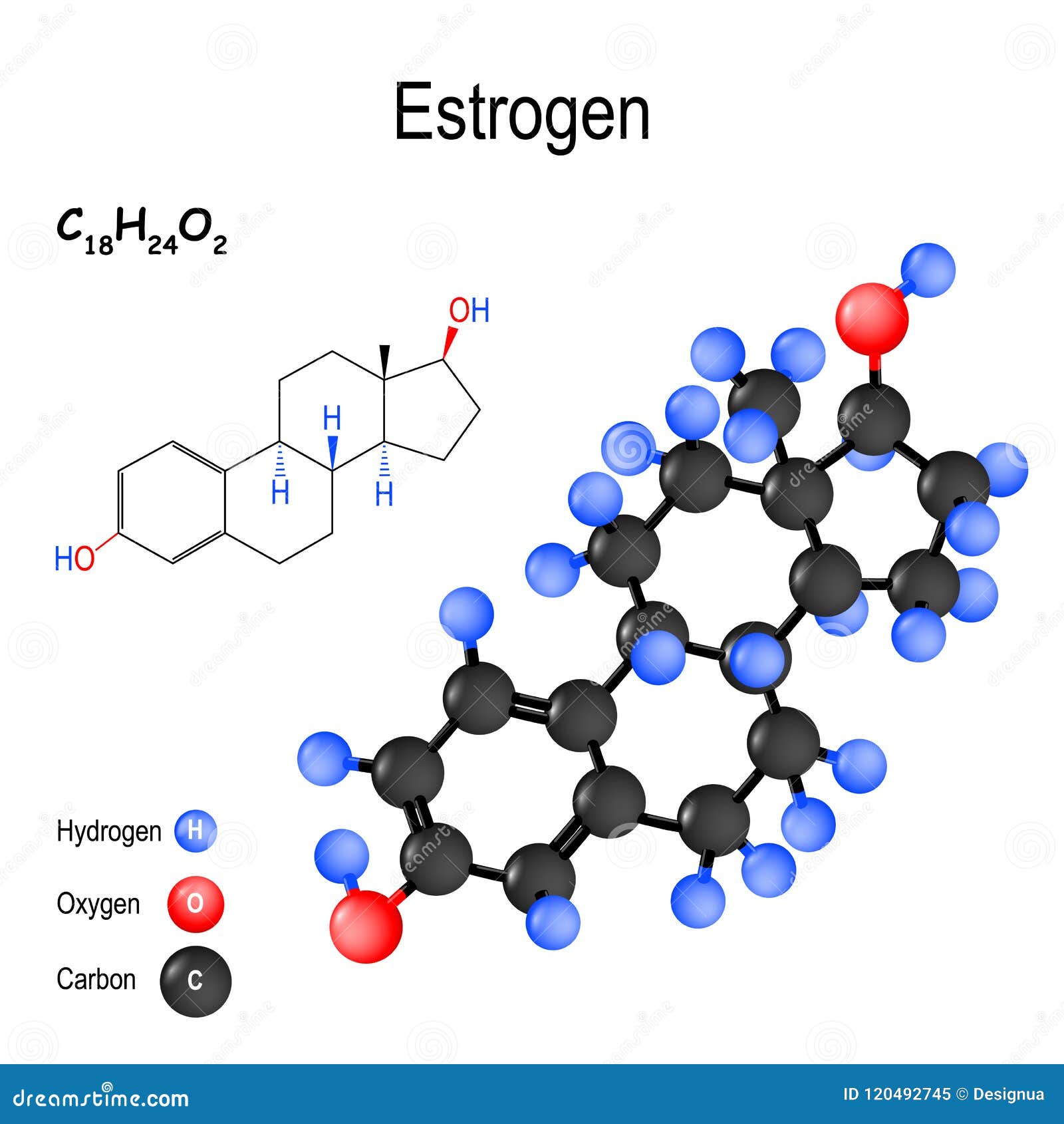
- Estriol (E3): Often called the "weak" estrogen, it is produced in massive quantities during pregnancy by the placenta. In non-pregnant states, it is a metabolic byproduct of estradiol and estrone.
The term "weak" is somewhat of a misnomer in a clinical context. While estriol has a lower affinity for estrogen receptors—meaning it binds less "tightly" and for a shorter duration than estradiol—this characteristic is precisely why it is therapeutically valuable. It allows for the treatment of specific tissues, such as the vaginal lining, with a significantly reduced risk of overstimulating other estrogen-sensitive tissues like the endometrium (the lining of the uterus).
Primary Medical Uses: Genitourinary Syndrome of Menopause (GSM)
The most frequent and evidence-backed use for estriol is the treatment of Genitourinary Syndrome of Menopause (GSM). This term encompasses various physical changes to the vulva, vagina, and urethra that occur as estrogen levels decline during the menopausal transition.
Treating Vaginal Atrophy and Dryness
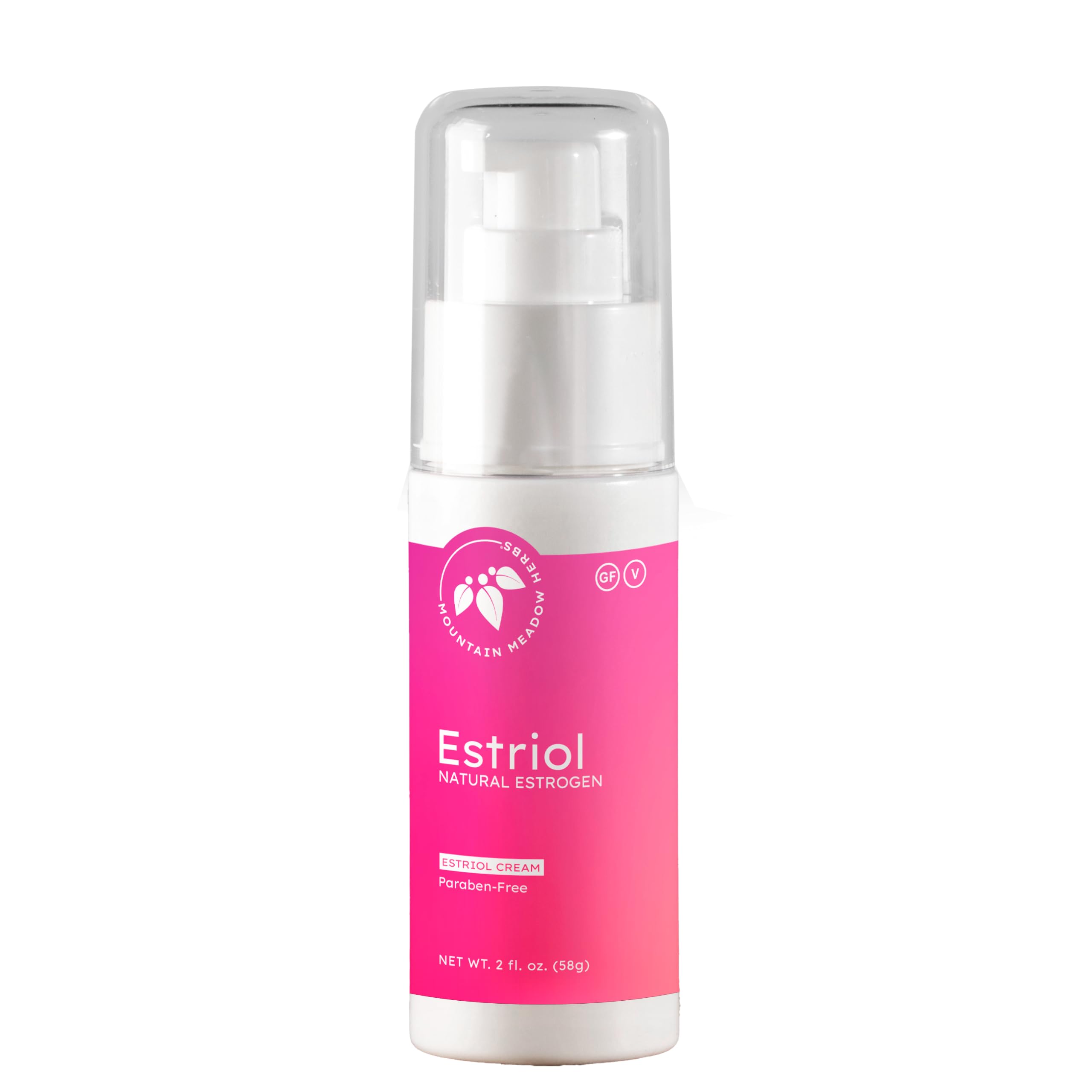
As estrogen levels drop, the vaginal walls become thinner, drier, and less elastic. This condition, known as vaginal atrophy, can lead to significant discomfort, itching, and a burning sensation. Estriol is used in the form of creams, pessaries (suppositories), or rings to deliver hormone therapy directly to these tissues.
When applied topically, estriol stimulates the growth of the vaginal epithelium (the lining), increases blood flow to the area, and promotes healthy secretions. This restoration of the vaginal environment effectively eliminates dryness and makes the tissue more resilient to physical stress.
Managing Dyspareunia (Painful Intercourse)
One of the most distressing symptoms of GSM is dyspareunia. Because the vaginal tissue becomes thin and loses its natural lubrication, sexual activity can become painful or even result in minor tearing and bleeding. Estriol therapy is highly effective at reversing these structural changes. By thickening the mucosal lining and restoring elasticity, estriol allows women to maintain their sexual health and comfort well into their postmenopausal years.
Prevention of Recurrent Urinary Tract Infections (UTIs)
A less discussed but critically important use of estriol is the prevention of recurrent UTIs in postmenopausal women. The health of the urinary tract is deeply dependent on estrogen.
Restoring the Vaginal Microbiome
Estrogen helps maintain the population of Lactobacillus, a "friendly" bacteria that produces lactic acid. This acid maintains a low (acidic) pH in the vagina, which acts as a natural barrier against pathogenic bacteria like E. coli. When estrogen disappears after menopause, the pH rises, Lactobacillus disappears, and the vagina and urethra become colonized by fecal bacteria.
By using localized estriol, healthcare providers can restore the acidic environment and the Lactobacillus population. Clinical studies have shown that postmenopausal women using vaginal estriol experience a significant reduction in the frequency of UTIs, often reducing the need for prophylactic antibiotics.
Strengthening the Urethral Sphincter
Estriol also acts on the estrogen receptors located in the urethra and the bladder neck. It helps maintain the thickness and muscle tone of these tissues, which can improve "urethral closure pressure." This is why estriol is sometimes used as a supportive treatment for mild stress urinary incontinence or urgency.
The Role of Estriol in Bioidentical Hormone Replacement Therapy (BHRT)
In the realm of Bioidentical Hormone Replacement Therapy (BHRT), estriol is frequently used as part of "Bi-est" or "Tri-est" formulations. These are compounded medications that combine estriol with estradiol (and sometimes estrone).
Advocates of these combinations argue that because the body naturally produces all three estrogens, a replacement regimen should mimic that ratio. In these formulations, estriol is often included to provide a "balancing" effect. The theory—though still a subject of ongoing clinical debate in 2026—is that estriol occupies estrogen receptors in a way that may mitigate some of the more aggressive proliferative effects of estradiol on the breast and uterus.
While the FDA and other global regulators have historically been cautious about compounded BHRT due to consistency concerns, the specific use of estriol for localized symptoms remains a standard, widely accepted medical practice.
Mechanism of Action: Why Estriol is Unique
Estriol works by binding to Estrogen Receptor Alpha (ER-alpha) and Estrogen Receptor Beta (ER-beta). However, its binding profile is distinct.
- Short Retention Time: Estriol stays bound to the estrogen receptor for a much shorter period than estradiol. To trigger "proliferative" growth (like the thickening of the uterine lining that leads to a period), an estrogen usually needs to stay bound to the receptor for a long duration. Estriol's quick "on-off" binding makes it very effective at maintaining the health of mucosal surfaces (which respond quickly) while being less likely to cause excessive growth in the uterus.
- Affinity for ER-beta: Some research suggests estriol has a relatively higher affinity for ER-beta, which is found in various tissues including the brain, bones, and blood vessels. This has led to investigations into estriol’s potential role in neuroprotection and bone density, though these are not currently its primary FDA-approved indications.
Administration Routes and Common Formulations
Estriol is available in several formats, and the choice depends on the specific symptoms being treated.
| Form | Common Usage | Benefits |
|---|---|---|
| Vaginal Cream | Localized GSM symptoms | High flexibility in dosing; immediate relief for external/internal dryness. |
| Vaginal Pessary | Localized GSM symptoms | Less "messy" than creams; provides a consistent, measured dose. |
| Oral Tablets | Systemic Menopause symptoms | Used more frequently in Europe; helps with hot flashes and night sweats. |
| Compounded Gels | Personalized BHRT | Allows for specific ratios (e.g., 80% Estriol / 20% Estradiol). |
| Topical/Skin Oil | General skin health | Sometimes used off-label to support collagen and skin elasticity in menopause. |
Safety Profile and Considerations
One of the primary reasons doctors prescribe estriol is its safety profile. Because it is a "weak" estrogen, the risk of systemic side effects is generally lower than with estradiol patches or oral pills.
- Endometrial Safety: For most women, localized vaginal estriol does not require the addition of a progestogen (progesterone) because the systemic absorption is so low it does not typically cause the uterine lining to thicken. However, long-term use at high doses still requires periodic medical monitoring.
- Breast Tissue: Current evidence suggests that low-dose vaginal estriol does not increase the risk of breast cancer recurrence, making it a frequent choice for breast cancer survivors suffering from severe vaginal atrophy (under strict oncological supervision).
- Common Side Effects: These are usually localized and include minor irritation, a feeling of warmth upon application, or a slight increase in vaginal discharge as the tissue regenerates.
Estriol vs. Estradiol: A Comparative Summary
When deciding between these two hormones, the choice usually comes down to the scope of the symptoms.
Estradiol is the "heavy lifter." If a woman is experiencing severe hot flashes, bone density loss, and mood swings, estradiol is generally required because it provides a strong systemic estrogenic effect.
Estriol is the "specialist." If a woman's primary complaints are vaginal dryness, painful sex, or frequent UTIs, estriol is often the preferred choice. It solves these specific problems effectively without flooding the entire body with high levels of estrogen.
Frequently Asked Questions
Does estriol cause weight gain?
Localized estriol (creams or pessaries) is not associated with systemic weight gain. Because very little of the hormone enters the bloodstream, it does not affect metabolic processes or water retention in the way that high-dose oral estrogens might. In fact, by improving comfort and mobility, it may help women maintain an active lifestyle.
How long does it take for estriol to work?
For vaginal dryness and atrophy, most women begin to feel a difference within 1 to 2 weeks of consistent use. However, the full structural restoration of the vaginal lining can take 4 to 12 weeks. Consistency is key, especially during the "loading phase" of treatment.
Can I use estriol if I have a history of blood clots?
Localized vaginal estriol is generally considered low-risk for blood clots because it does not undergo the "first-pass" metabolism in the liver that oral estrogens do. However, any history of thromboembolism should be discussed with a physician before starting any form of hormone therapy.
Is estriol "natural"?
Yes, estriol is a human-identical hormone. The estriol used in modern pharmaceuticals is typically synthesized from plant sources (like yams or soy) to be molecularly identical to the estriol produced by the human body.
Can estriol be used for skin aging?
There is emerging evidence that topical estriol can support skin thickness and collagen production by stimulating estrogen receptors in the dermis. While not its primary medical indication, some dermatologists and anti-aging specialists use estriol to treat "estrogen-deficient skin" in menopausal women.
Practical Recommendations for 2026
If you are experiencing symptoms of vaginal dryness, urinary urgency, or painful intercourse, estriol represents a targeted, low-risk therapeutic option. As we move through 2026, the medical community continues to emphasize that women do not need to "suffer through" these symptoms as a natural part of aging.
- Consult a Specialist: Seek a healthcare provider who understands the nuances of urogenital health and hormone therapy.
- Start Low and Slow: Many women find success starting with a daily application for two weeks, followed by a maintenance dose of twice per week.
- Monitor Progress: Keep a log of your symptoms to ensure the dosage is effective.
- Consider the Formulation: If you have sensitivities to preservatives, ask about compounded estriol in a "clean" base like coconut oil or a hypoallergenic gel.
Estriol remains a vital tool in the menopause toolkit, providing a bridge to improved quality of life with a focus on safety and localized efficacy.
Image Gallery