Why the Lyrics of "We Don't Talk About Bruno" Still Matter in 2026
The lyrics of "We Don't Talk About Bruno" matter because they provide a sophisticated exploration of generational trauma, family scapegoating, and the subjective nature of memory. By utilizing a polyphonic structure where multiple char...
The lyrics of "We Don't Talk About Bruno" matter because they provide a sophisticated exploration of generational trauma, family scapegoating, and the subjective nature of memory. By utilizing a polyphonic structure where multiple characters offer conflicting perspectives on a misunderstood relative, the song mirrors complex psychological family dynamics while fundamentally redefining the traditional Disney musical narrative.
Contents
In the years since Encanto debuted, "We Don't Talk About Bruno" has transitioned from a viral chart-topper to a foundational piece of modern musical analysis. Written by Lin-Manuel Miranda, the song serves as the emotional and structural centerpiece of the film. While its infectious beat and rhythmic complexity initially drove its popularity, the enduring relevance of the track lies in its lyrical depth. In 2026, the song remains a case study for educators, psychologists, and musicologists alike, offering a window into how families construct myths to avoid confronting uncomfortable truths.
The Narrative Brilliance of the Polyphonic Structure
At its core, "We Don't Talk About Bruno" is a masterclass in storytelling through song. Unlike a standard solo or a simple duet, the song employs a polyphonic structure—a style where multiple independent melody lines overlap. This isn't just a musical choice; it is a narrative one. Each family member’s verse represents their unique "filter" through which they view Bruno, the estranged uncle whose gift of prophecy was deemed a curse.
The lyrics function as a series of unreliable narrators. For instance, Pepa and Félix recount a wedding day ruined by rain, blaming Bruno’s prophecy for the weather. However, a close reading of the lyrics reveals that Bruno wasn't casting a spell; he was merely observing Pepa’s own visible anxiety. The lyrics "Bruno says, 'It looks like rain' / In doing so, he floods my brain" highlight how the family projects their internal stressors onto a convenient scapegoat.
This structure reaches its climax in the final section, where every character sings their respective parts simultaneously. This "Madrigal" style (a nod to the family name) represents the cacophony of a family that is physically together but emotionally fragmented. They are all talking about the same person, yet they aren't listening to each other. In 2026, this remains a potent metaphor for the "echo chambers" found in modern social and familial structures.
Bruno as a Metaphor for Generational Trauma
The song’s title is a literal instruction that serves as a metaphor for the silencing of "difficult" family members. In many household dynamics, particularly those dealing with generational trauma, there is often a "Bruno"—someone who sees the cracks in the foundation (literally and figuratively) and is cast out for speaking the truth.
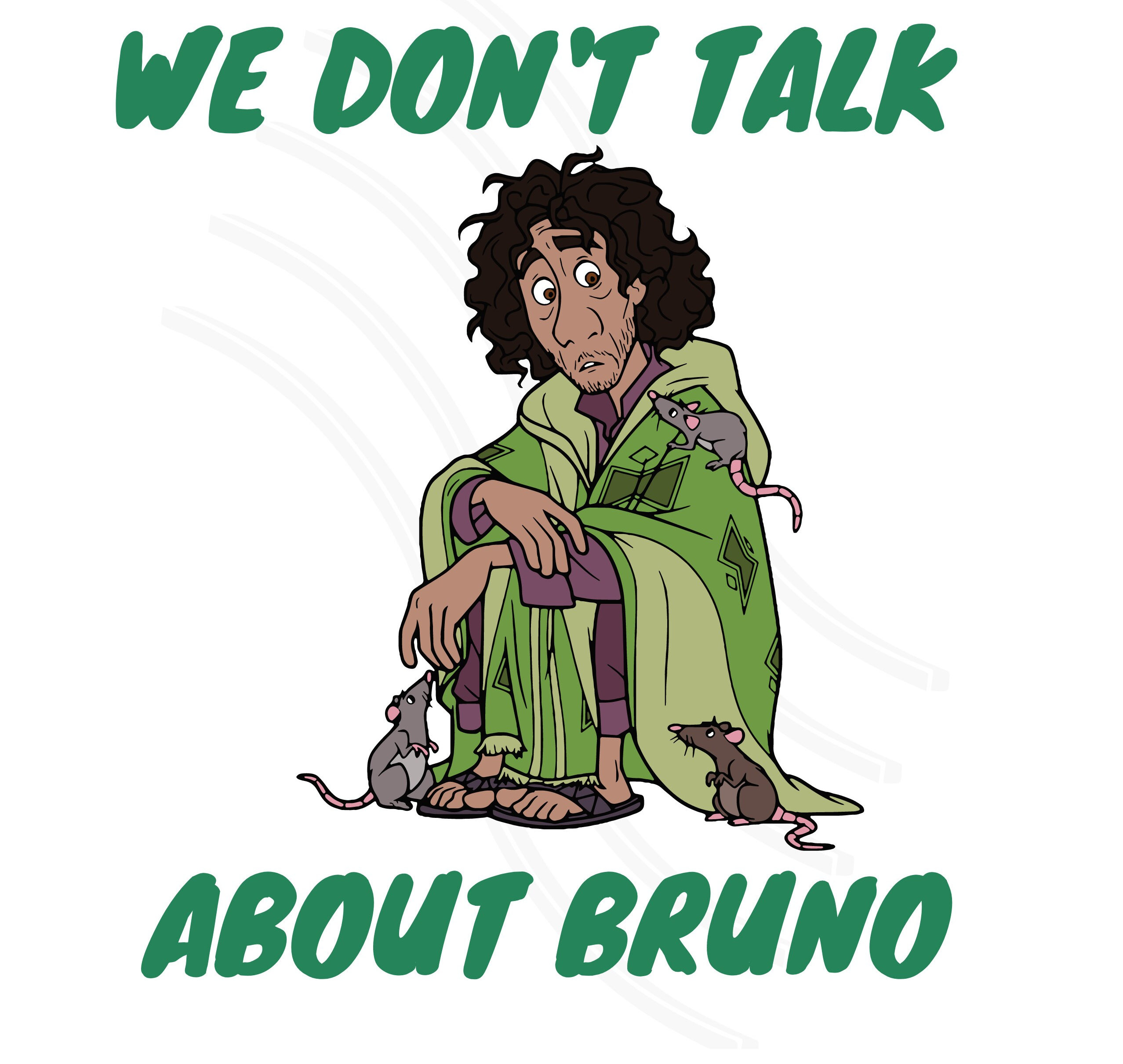
The lyrics matter because they validate the experience of the outsider. Bruno is described by Camilo as a "seven-foot frame, rats along his back," a monstrous exaggeration that illustrates how gossip deforms the image of the excluded. By the time Mirabel actually meets Bruno, the lyrics are revealed to be entirely false. Bruno is small, anxious, and deeply loving.
This discrepancy highlights the danger of family myths. When a family decides "not to talk" about a certain topic or person, they create a vacuum that is filled with fear and misinformation. The song explores how the Madrigal family used Bruno to explain away their own misfortunes, effectively making him the repository for everything they feared about their own lack of control.
Character-by-Character Breakdown of Perspectives
To understand why the lyrics matter, one must examine the specific grievances aired by each family member. Every verse provides a psychological profile of the speaker rather than an accurate description of Bruno.
Pepa and Félix: The Projection of Anxiety
Pepa’s verse is frantic and rhythmic, mirroring her volatile gift of controlling the weather through her emotions. Her insistence that Bruno "ruined" her wedding with a prophecy of rain illustrates the family’s refusal to take emotional ownership. The lyrics suggest that Bruno was likely trying to help Pepa calm down, but her interpretation was rooted in her own fear of imperfection.
Dolores: The Burden of Knowledge
Dolores, who has the gift of super-hearing, provides the most nuanced and sympathetic view of Bruno. Her lyrics, "I associate him with the sound of falling sand," are quiet and rhythmic. She is the only one who knows Bruno is still in the house, living in the walls. Her verse highlights the isolation of being the only person who knows the truth in a family committed to a lie.
Camilo: The Creation of an Urban Legend
Camilo’s verse is the most theatrical and least accurate. As a shapeshifter, his lyrics focus on physical horror: "When he calls your name, it all fades to black / He sees your dreams and feasts on your screams." This represents the younger generation’s perspective—they have no direct memory of Bruno, so they construct a "boogeyman" based on the whispered fears of the adults.
Isabela and Mariano: The Cost of Perfection
Isabela’s contribution is brief but vital. She mentions that Bruno told her her power would "grow like the grapes that thrive on the vine." Unlike the others, her prophecy was seemingly positive, yet it added to the crushing weight of her being the "Golden Child." The lyrics show that even "good" prophecies can be a burden when they force a person into a predetermined role.
Comparative Analysis of Disney "Showstoppers"
"We Don't Talk About Bruno" broke records held by Disney classics for decades. Below is a comparison of how "Bruno" differs from other major Disney anthems in terms of structure and thematic weight.
| Song Title | Film | Primary Theme | Musical Style | Billboard Peak |
|---|---|---|---|---|
| "A Whole New World" | Aladdin (1992) | Romantic Discovery | Traditional Ballad | #1 |
| "Let It Go" | Frozen (2013) | Individual Liberation | Power Pop Ballad | #5 |
| "Surface Pressure" | Encanto (2021) | Anxiety/Responsibility | Reggaeton-inflected | #8 |
| "We Don't Talk About Bruno" | Encanto (2021) | Family Secrets/Trauma | Guajira/Chachachá | #1 |
As shown in the table, "Bruno" is unique because it is an ensemble piece. While "Let It Go" is an individual's declaration of independence, "Bruno" is a collective exploration of a community's dysfunction. Its ascent to #1 on the Billboard Hot 100 in early 2022 was a historic moment, as it was only the second Disney song to ever achieve that feat (the first being "A Whole New World").
The Musical Innovation of Lin-Manuel Miranda
The lyrics matter because of how they are interwoven with the musical composition. Lin-Manuel Miranda utilized specific Latin American musical traditions to ground the Madrigal family’s story. The song incorporates elements of montuno, a section of Cuban son music characterized by a repeated vocal refrain.
The use of specific rhythmic patterns helps define the characters. For example, the "thumping" bassline during Camilo’s verse creates a sense of dread, while the syncopation in Pepa’s verse highlights her instability. By 2026, musicologists have frequently cited this song as a prime example of how to use "character motifs" within a single pop-adjacent track. The lyrics don't just tell you who the characters are; the rhythm makes you feel their internal state.
Addressing the Psychological "Scapegoat" Dynamic
From a clinical perspective, the lyrics of "We Don't Talk About Bruno" are often used in family therapy contexts to discuss the "identified patient" or "scapegoat." In dysfunctional family systems, one member is often singled out as the cause of all problems. This allows the rest of the family to avoid looking at their own contributions to the system's instability.
Bruno’s "prophecies" are essentially observations of cause and effect. When he tells a man his fish will die, or another that he will grow a gut, he is noticing reality, not causing it. The family’s reaction—to stop talking about him entirely—is a classic avoidance defense mechanism. The lyrics matter because they teach a younger audience that the person who "breaks the peace" by telling the truth is often the person who is trying to save the family.
Frequently Asked Questions
Why did "We Don't Talk About Bruno" become more popular than "Let It Go"?
While "Let It Go" was a massive success, "We Don't Talk About Bruno" benefited from its ensemble nature and its virality on social media platforms. The complex lyrics allowed fans to record "collab" videos, each taking a different character's part. Additionally, its catchy Latin rhythms and relatable themes of family gossip gave it a broader demographic appeal.
Is Bruno actually a villain in the song?
No. One of the reasons the lyrics matter is the intentional irony they employ. The song describes a villain, but the film reveals a hero. The lyrics represent the misconception of Bruno, not the reality of his character. This teaches listeners about the subjectivity of truth and the danger of rumors.
What musical genre is the song based on?
The song is a blend of several styles, primarily influenced by Colombian and Cuban music. It features elements of the cha-cha-chá and guajira, combined with Broadway-style storytelling and hip-hop rhythmic structures. This fusion contributed to its unique sound that stood out from standard pop music.
Why is the song still relevant in 2026?
The themes of "We Don't Talk About Bruno"—generational trauma, the silencing of truth-tellers, and the complexity of family life—are universal and timeless. As long as families struggle with communication and "taboo" subjects, the lyrics will continue to resonate as a cultural touchstone for understanding these dynamics.
How do the lyrics foreshadow the movie's ending?
The lyrics contain several clues that Bruno is not the monster he is made out to be. Dolores’s verse mentions she can "hear him now," which is a literal truth—he was living behind the walls. Isabela’s mention of "grapes on the vine" suggests growth and abundance, hinting that Bruno’s visions were never meant to be destructive, but rather informative.
Practical Recommendation for Further Exploration
If you are interested in the deeper implications of the "Bruno" phenomenon, consider revisiting the song while following the specific vocal tracks of individual characters. Pay close attention to the lyrics of Dolores, as she provides the most grounded and honest assessment of the situation. For those interested in the psychological aspects, researching "Family Systems Theory" can provide a formal framework for understanding why families often have a "Bruno" and why the act of "not talking" about them is so damaging to the family structure. Understanding these lyrics is more than a lesson in music; it is a lesson in empathy and the importance of confronting the truths we often try to hide.
Image Gallery