Educators Liability Insurance Basics: What Teachers Need to Know
Educators liability insurance is a specialized form of professional coverage designed to protect teachers, instructional aides, professors, and school administrators from the high costs of legal defense and financial damages resulting...
Educators liability insurance is a specialized form of professional coverage designed to protect teachers, instructional aides, professors, and school administrators from the high costs of legal defense and financial damages resulting from work-related claims, such as allegations of negligence, corporal punishment, or defamation.
Contents
Navigating the professional landscape of modern education involves numerous legal and operational risks. While public school districts and private educational institutions typically carry general liability policies, these corporate protections rarely cover an individual employee when a parent, student, or colleague files a personal lawsuit. Understanding educators liability insurance basics is essential for anyone working in the classroom, ensuring they possess adequate financial armor against unexpected claims arising from everyday professional duties.
Understanding the Scope of Professional Risks in Education
The contemporary educational environment exposes instructors to a wide array of liability exposures that extend far beyond traditional slip-and-fall accidents on school grounds. While teaching is often perceived as a low-risk vocation, educators routinely make split-second decisions involving student discipline, academic evaluation, specialized education planning, and physical safety. When an adverse outcome occurs, aggrieved parties frequently name individual teachers in lawsuits alongside the school district.
Common allegations that trigger professional liability claims include failure to adequately supervise students during extracurricular activities or field trips, failure to follow an Individualized Education Program (IEP), corporal punishment or inappropriate physical contact, allegations of academic bias or defamation, and breaches of student privacy or confidentiality under federal and state privacy statutes.
Even when an educator has acted entirely within school board policy and with the best intentions, defending against a meritless lawsuit can cost tens of thousands of dollars in legal fees, expert witness retainers, and court costs. Without professional liability insurance, educators must pay these expenses out of pocket, potentially risking personal savings, home equity, and future earnings.
District Coverage vs. Individual Professional Liability Policies
A widespread misconception among teachers is that school district liability insurance provides comprehensive, individual protection for every staff member. In reality, school district policies are structured to protect the school board, the institution as a corporation, and administrators acting within the direct scope of their official duties.
While district policies often include a defense indemnity clause for employees, several critical limitations apply:
- Conflict of Interest: If a lawsuit names both the school district and an individual teacher, and their legal interests diverge—such as when the district claims the teacher violated school policy—the district’s legal counsel may refuse to represent the teacher, forcing them to secure independent legal representation.
- Scope of Employment Disputes: District coverage may not apply if an incident occurs off-site, during an unapproved activity, or if an administrator alleges the educator stepped outside standard operating procedures.
- Intentional Acts and Criminal Allegations: While policies never cover true criminal acts, false allegations of misconduct can take months and expensive legal counsel to resolve before charges are formally dismissed. District lawyers may withdraw support during preliminary investigations.
- Administrative Hearings and Decertification: District policies rarely cover the legal costs associated with defending a teacher's state-issued license during credential revocation hearings or employment termination arbitrations.
Core Coverages Included in Educators Liability Policies
A comprehensive educators liability insurance policy typically bundles several distinct types of coverage into a single package. Understanding these components helps policyholders evaluate whether a specific plan meets their professional requirements.
Professional Liability (Errors and Omissions)
This is the primary component of the policy. It covers financial damages and legal defense costs resulting from professional negligence, errors in instructional or supervisory judgment, or failure to render proper educational services. For instance, if a student with known severe allergies suffers a medical emergency because an instructor failed to review an accommodation file, this coverage helps manage the resulting financial fallout.
Employment Practices and Administrative Hearing Protection
Many professional associations include coverage for administrative hearings related to employment status, reduction-in-force disputes, contract non-renewals, and tenure defense. This protection ensures that teachers have financial assistance when fighting to retain their positions or defending their professional licenses before state boards of education.
Personal Injury and Corporal Punishment Coverage
Standard commercial liability policies often exclude coverage for intentional acts. However, educators liability policies frequently carve out specific protections for allegations involving corporal punishment (where legally permitted), wrongful detention, oral or written defamation, and invasion of privacy, recognizing that educators frequently must manage unruly or disruptive students in high-stress environments.
| Coverage Type | What It Protects Against | Typical Exclusions |
|---|---|---|
| Professional Liability | Claims of instructional negligence, supervision failures, and educational malpractice. | Criminal acts, intentional fraud, and contractual disputes outside professional duties. |
| Administrative Defense | Legal representation during license revocation hearings, certification disputes, and tenure battles. | Personal criminal defense, non-work-related legal issues, and union grievance arbitrations. |
| Personal Injury | Allegations of defamation, libel, slander, false arrest, or wrongful detention of students. | Cyberbullying conducted on personal devices outside of school channels. |
How Educators Secure Liability Coverage
Educators typically obtain professional liability insurance through one of three primary channels: union membership, professional association affiliation, or individual private market insurance policies.
Union and Association Membership
The most common method for obtaining coverage is joining a state or national education union, such as the National Education Association (NEA) or the American Federation of Teachers (AFT), or subject-specific professional organizations. These organizations routinely bundle robust liability insurance—frequently offering up to $1 million or more in coverage per member—into annual membership dues. This approach offers convenience and advocacy support alongside financial backing.
Individual Professional Policies
Teachers who prefer not to join a labor union, or those who work in states where collective bargaining is restricted, can purchase individual professional liability insurance directly from specialty insurance carriers. These standalone policies allow educators to select custom coverage limits, adjust deductibles, and tailor endorsements to cover private tutoring, consulting, or coaching activities that might fall outside institutional coverage parameters.
Supplemental Coverage Riders
Some educators supplement their primary coverage with personal umbrella policies or homeowner policy endorsements. However, standard homeowner or umbrella policies almost universally contain strict exclusions for business pursuits and professional services, making dedicated educators liability insurance indispensable.
Key Considerations and Limitations to Evaluate
Before purchasing or relying on an educators liability policy, professionals must carefully analyze the fine print regarding policy limitations, deductibles, and claim procedures.
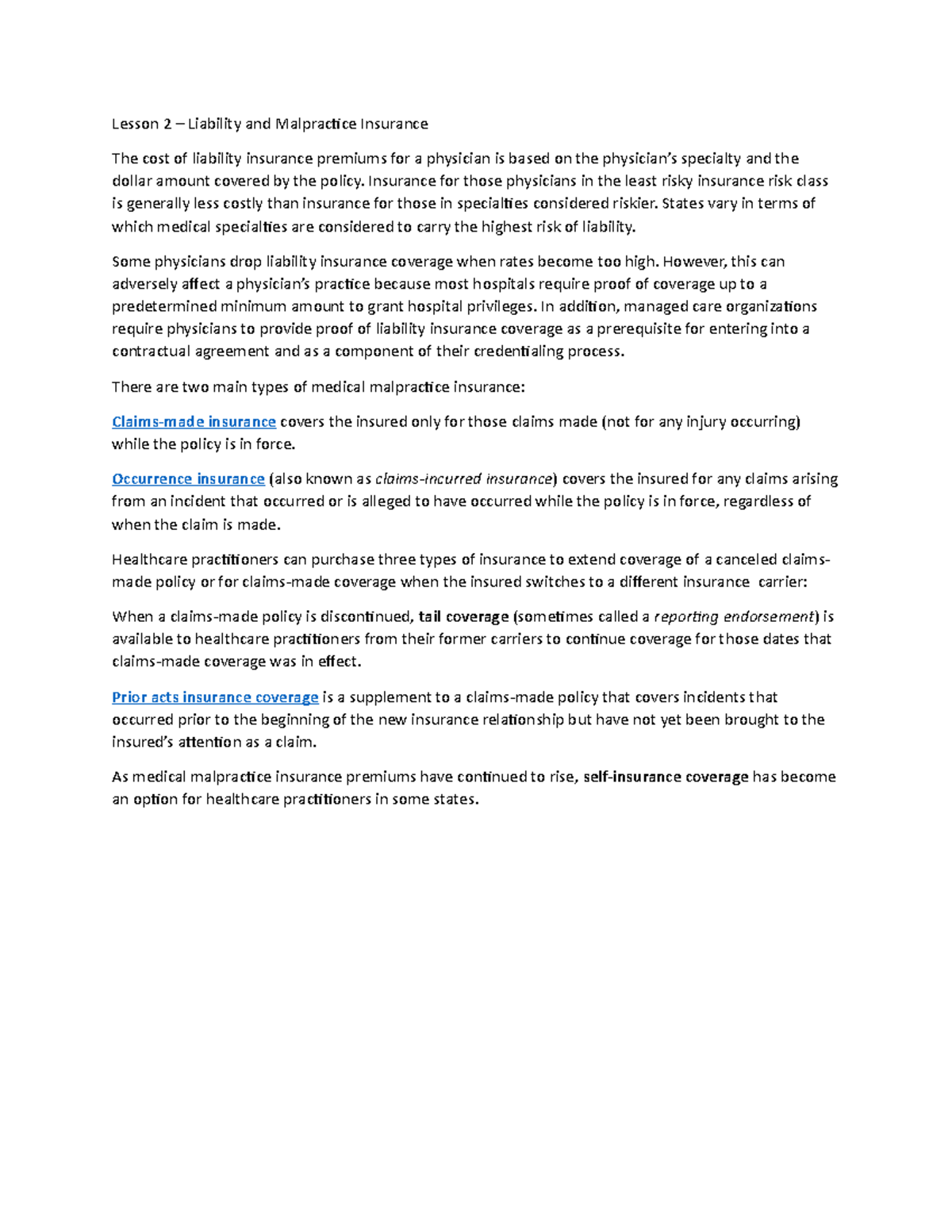
- Occurrence vs. Claims-Made Policies: Most educator policies are written on an "occurrence" basis, meaning the policy must be active when the incident happens, regardless of when the lawsuit is filed. Conversely, "claims-made" policies require the policy to be active when the claim is filed, requiring tail coverage if the educator changes jobs or retires.
- Retroactive Dates: If switching providers, check whether the new policy covers past actions or if there is a restrictive retroactive date.
- Deductibles and Defense Costs: Review whether legal defense costs erode the policy limit or are paid in addition to the coverage limit. Determine whether the policy requires a deductible payment before legal defense commences.
- Exclusions for Private Practice: Standard policies generally exclude liability arising from paid private tutoring or independent consulting unless specific business riders are added.
Frequently Asked Questions
Do substitute teachers and student teachers need liability insurance?
Yes. Substitute teachers and student teachers are frequently excluded from comprehensive district policies or have limited protections. Because they often move between classrooms and lack established tenure, they face high exposure to allegations of classroom mismanagement or student injury, making independent liability coverage highly advisable.
Does educators liability insurance cover criminal charges?
No professional liability insurance policy covers intentional criminal acts. However, many policies provide a sub-limit or reimbursement for legal defense costs if an educator is criminally charged or investigated for an incident that arose directly out of the performance of professional duties, provided the charges are ultimately dismissed or result in an acquittal.
Can I be sued personally if my school has sovereign immunity?
Sovereign immunity protects government entities and school boards from certain types of lawsuits, but it does not always shield individual employees from personal liability. Plaintiffs frequently sue teachers in their individual capacities to bypass institutional immunity barriers, making personal insurance a critical safeguard.
Does this insurance cover online and hybrid teaching environments?
Most modern educators liability policies extend protection to virtual learning environments, hybrid classrooms, and digital communications with students. However, educators must adhere to school-approved platforms and data privacy guidelines, as unauthorized software or unencrypted personal messaging channels can complicate coverage eligibility.
What should I do immediately if a claim or lawsuit is filed against me?
Notify your insurance provider or association legal department immediately. Delaying notification can violate policy terms and jeopardize your right to coverage. Gather all relevant documentation, lesson plans, correspondence, and incident reports, but refrain from discussing the specifics of the case with outside parties or school administration prior to consulting legal counsel.
Next Steps for Educators
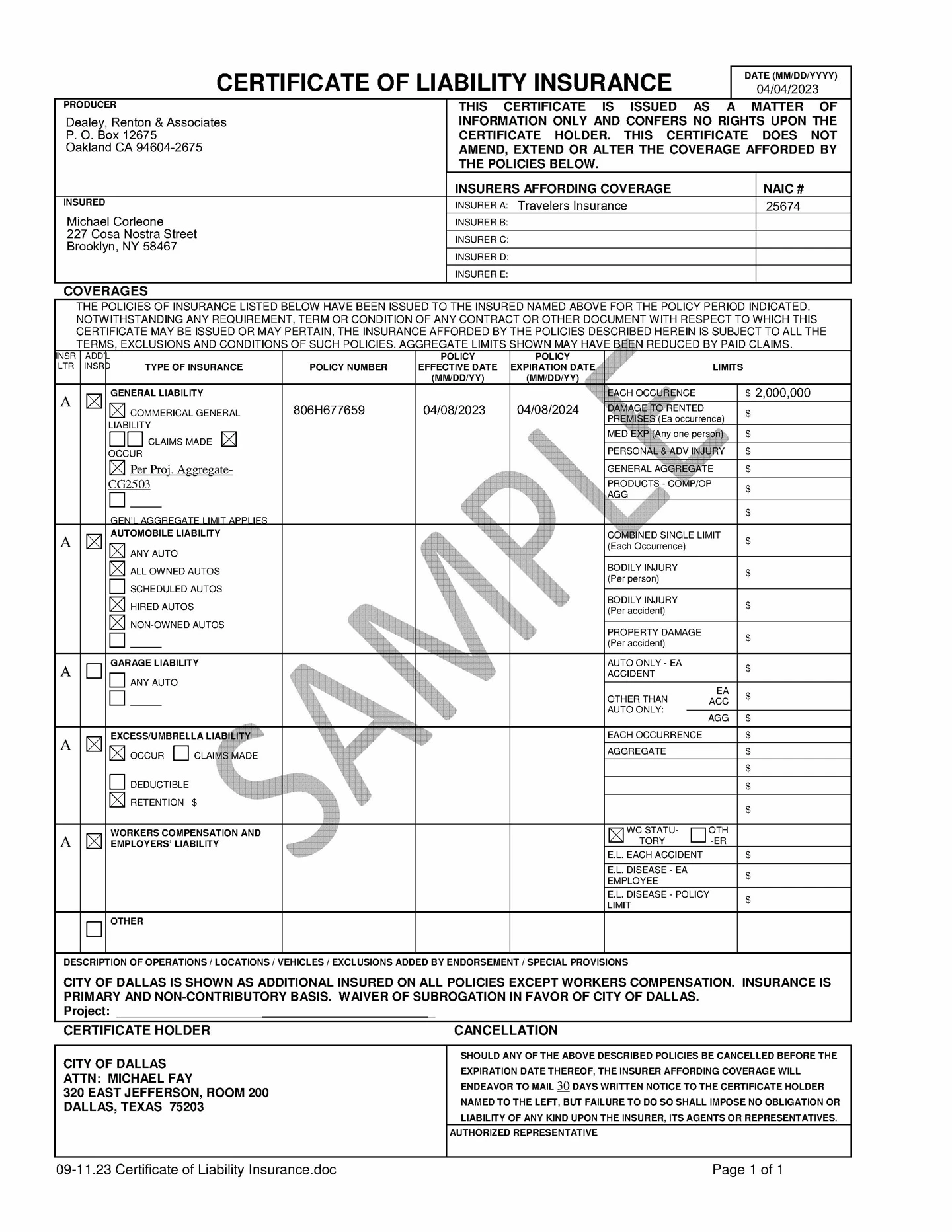
Securing adequate professional protection begins with reviewing your current employment contract, union membership benefits, and school district risk management guidelines. If your current professional association provides liability coverage, request a formal certificate of insurance and review the exact policy limits, exclusions, and claims-reporting procedures. If you are an independent contractor, private tutor, or lack institutional representation, research specialized individual professional liability policies to ensure your career, assets, and peace of mind remain fully protected.
Image Gallery