What the Sultans of Swing Means: The Story Behind the Dire Straits Classic
"Sultans of Swing" describes a real-life encounter Mark Knopfler had with a mediocre jazz band playing in a nearly empty South London pub. The song explores the contrast between the band's humble reality—having day jobs and playing to...
"Sultans of Swing" describes a real-life encounter Mark Knopfler had with a mediocre jazz band playing in a nearly empty South London pub. The song explores the contrast between the band's humble reality—having day jobs and playing to indifferent crowds—and their genuine passion for traditional Dixieland and swing music.
Contents
The Origin Story: A Rainy Night in Deptford
To understand what "Sultans of Swing" means, one must look back to a rainy night in the late 1970s in Deptford, South London. Mark Knopfler, the lead singer and guitarist of Dire Straits, walked into a deserted pub called The Frying Pan. In the corner, a jazz band was performing for a small, disinterested audience. Despite the lack of fanfare and the dismal setting, the band played with technical proficiency and heart.
The song’s title originated from the band’s closing announcement. As they finished their set, the lead singer—dressed in a mundane outfit that contradicted any sense of stardom—announced, "Goodnight and thank you. We are the Sultans of Swing." Knopfler found the juxtaposition between the grand, royal-sounding name and the band's actual circumstances incredibly poignant. This irony became the foundational theme of the song: the dignity of the amateur musician who plays for the love of the craft rather than the promise of fame.
By 2026, the song remains a staple of classic rock radio, but its meaning is often buried under its iconic guitar solos. At its core, it is a piece of observational journalism set to music, capturing a specific moment in British pub culture and the enduring spirit of traditional jazz during the rise of the punk and disco eras.
Analyzing the Lyrics: A Verse-by-Verse Breakdown
The lyrics of "Sultans of Swing" serve as a narrative poem. Knopfler uses vivid imagery to set the scene and introduce the characters who inhabit this small, smoky world.
The Setting and Atmosphere
The opening lines, "You get a shiver in the dark, it's raining in the park but meantime / South of the river you stop and you hold everything," establish the geography. "South of the river" refers to the South Bank of the Thames, an area that, at the time, was considered grittier and more industrial than the glitzier West End. The "shiver in the dark" and the rain create a sense of isolation, making the pub feel like a sanctuary for those seeking something authentic.
Introducing the Characters
Knopfler introduces several specific archetypes within the band and the audience:
- Guitar George: He "knows all the chords," but he is "strictly rhythm." He doesn't want to make the guitar "cry or sing." This reflects a musician who is technically skilled and disciplined but lacks the desire for the spotlight. George is likely based on George Young, though Knopfler has stated the characters are composite sketches of musicians he encountered.
- Harry: The piano player who "doesn't mind if he doesn't make the scene." Harry represents the older generation of musicians who have "a daytime job" and are "doing alright." For Harry, the music is a release from the mundane reality of his professional life.
- The "Boys" in the Corner: These young men are dressed in "platform solos and leather jackets." They represent the contemporary youth culture of the late 70s—likely fans of punk or glam rock—who "don't give a damn about any trumpet-playing band." They highlight the generational and cultural gap between the "Sultans" and the modern world.
The Cultural Conflict: Dixieland vs. The Modern Era
A significant part of what "Sultans of Swing" means is its commentary on the shifting musical landscape of 1978. When Dire Straits released the track, the UK was caught between the waning days of progressive rock, the explosion of punk, and the commercial dominance of disco.
The Sultans are playing "Creole" music and "Dixieland." This style of jazz was decades out of fashion by the late 70s. By focusing on a band that plays this "outdated" style, Knopfler is making a statement about artistic integrity. The Sultans aren't trying to chase trends; they are playing the music that moves them.
The lyrics "And an old guitar is all he can afford / When he gets up under the lights to play his thing" emphasizes the lack of commercial success. These musicians aren't wealthy, and they aren't playing for money. They are "saving it up for Friday night," suggesting that the performance is the highlight of their week, a spiritual exercise rather than a career move.
Technical Mastery: The Sound of the Sultans
While the lyrics tell the story, the music itself reinforces the meaning. Mark Knopfler’s guitar work on "Sultans of Swing" is legendary for its "clean" tone. In an era where heavy distortion and synthesizers were becoming the norm, Knopfler used a 1961 Fender Stratocaster played without a plectrum (pick).
His fingerpicking style, often referred to as "clawhammer," allowed him to play rhythm and lead lines simultaneously, mimicking the polyphonic nature of the jazz bands he was describing. The final guitar solo, which builds in intensity and complexity, serves as a musical manifestation of the passion the Sultans feel. Even if the audience in the pub didn't care, the music itself was transcendent.
| Element | Specification | Significance |
|---|---|---|
| Guitar Used | 1961 Fender Stratocaster | Provided the distinctive "quack" and clean, biting tone. |
| Amplifier | Roland JC-120 / Fender Twin Reverb | Emphasized clarity over distortion, contrary to 1970s trends. |
| Technique | Fingerpicking (No pick) | Allowed for rapid-fire "triplet" fills and a percussive attack. |
| Genre Context | Jazz-Rock / Pub Rock | Bridged the gap between classic jazz influences and modern rock. |
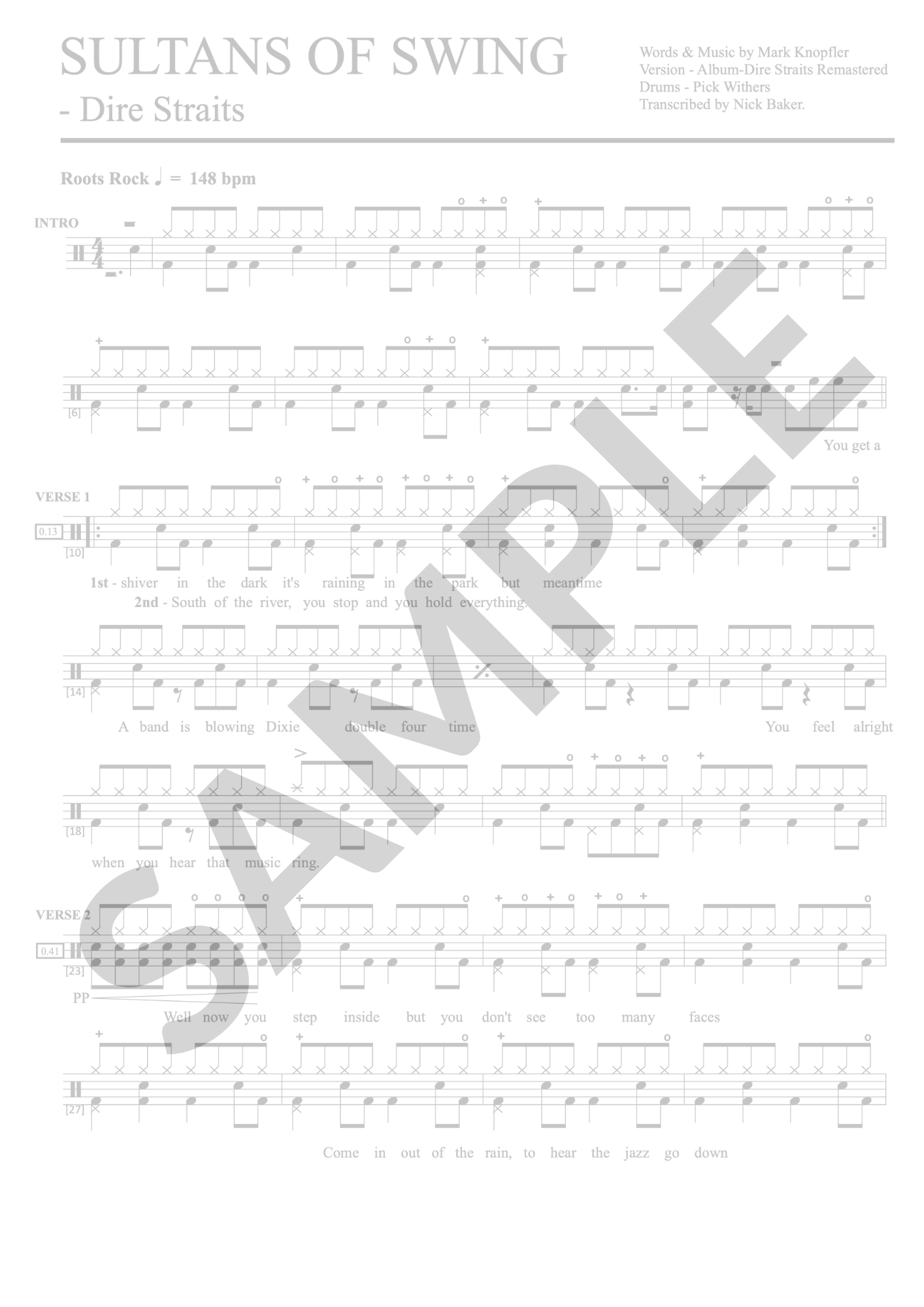
| Tempo | ~148 BPM | A brisk, "swinging" pace that mirrors the energy of Dixieland. |
The Irony of the Name
The word "Sultan" implies a ruler of immense power and wealth. By naming the band the "Sultans of Swing," the musicians in the song are engaging in a bit of self-deprecating humor or perhaps a defiant fantasy. They are kings of their own small corner of the world, even if that world is just a sparsely populated pub on a Tuesday night.
This theme resonates with anyone who has ever pursued a hobby or a passion without the need for external validation. The meaning of "Sultans of Swing" is ultimately an anthem for the "working-class artist." It celebrates the beauty of playing for the sake of playing, asserting that the value of art is not determined by the size of the audience or the amount of money earned.
Evolution of Meaning in the 2020s
By 2026, the song's meaning has expanded to include a sense of nostalgia for the "analog" era of music. In a world of AI-generated tracks and highly polished digital production, the story of "Sultans of Swing"—with its focus on live improvisation, real instruments, and the grit of a physical location—feels more relevant than ever.
It serves as a reminder of the "Third Place"—social spaces like pubs and community halls where people used to gather to share culture outside of work and home. The Sultans are a symbol of a disappearing era of local, community-based performance that has been largely replaced by globalized digital streaming.
Frequently Asked Questions
Is the band "Sultans of Swing" a real group?
No, the Sultans of Swing were not a famous professional group. They were a real band Mark Knopfler saw in a pub, but their name was essentially a local moniker for a group of amateur jazz enthusiasts. Knopfler never identified the specific members, as the song was intended to represent the spirit of all such "forgotten" musicians.
Why is the guitar solo at the end so famous?
The closing solo is considered a masterpiece because it was recorded in one or two takes and features incredibly fast fingerpicking that most guitarists struggle to replicate with a pick. It demonstrates a high level of technical proficiency while remaining melodic, perfectly capping the song's tribute to musical skill.
What does "Creole" music refer to in the song?
In this context, "Creole" refers to early New Orleans jazz, which often blended African, French, and Spanish musical traditions. By mentioning it, Knopfler is highlighting that the band in the pub is playing traditional, "roots" music rather than the contemporary pop of the 1970s.
What is "Guitar George" based on?
While there has been speculation that "Guitar George" refers to George Young (brother of AC/DC’s Angus and Malcolm Young), Knopfler has generally stated that the names were chosen for their rhythmic fit in the lyrics and represent the "everyman" quality of pub musicians.
Why did the song become a hit despite being about jazz?
The song succeeded because it combined the storytelling of folk music with the energy of rock and roll. While the subject is jazz, the execution is a tightly produced rock track with a hook-heavy chorus and an extraordinary guitar performance that appealed to a wide audience.
Practical Recommendation for Listeners
To truly appreciate the nuances of what "Sultans of Swing" means, it is recommended to listen to the live version from the 1984 album Alchemy. This version extends the final solo and showcases the "Sultans" spirit in a larger arena setting, demonstrating how the humble passion described in the lyrics eventually propelled Dire Straits to global superstardom. If you are a musician, studying the "clean" tone and fingerpicking technique of this track offers a masterclass in how to achieve dynamic range without relying on electronic effects.
Image Gallery