The Role of Nutritious Snacks in Daily Diets
Nutritious snacks function as strategic nutritional bridges that maintain steady blood glucose levels, prevent extreme hunger-driven overeating, and provide essential micronutrients between main meals. When selected based on macronutri...
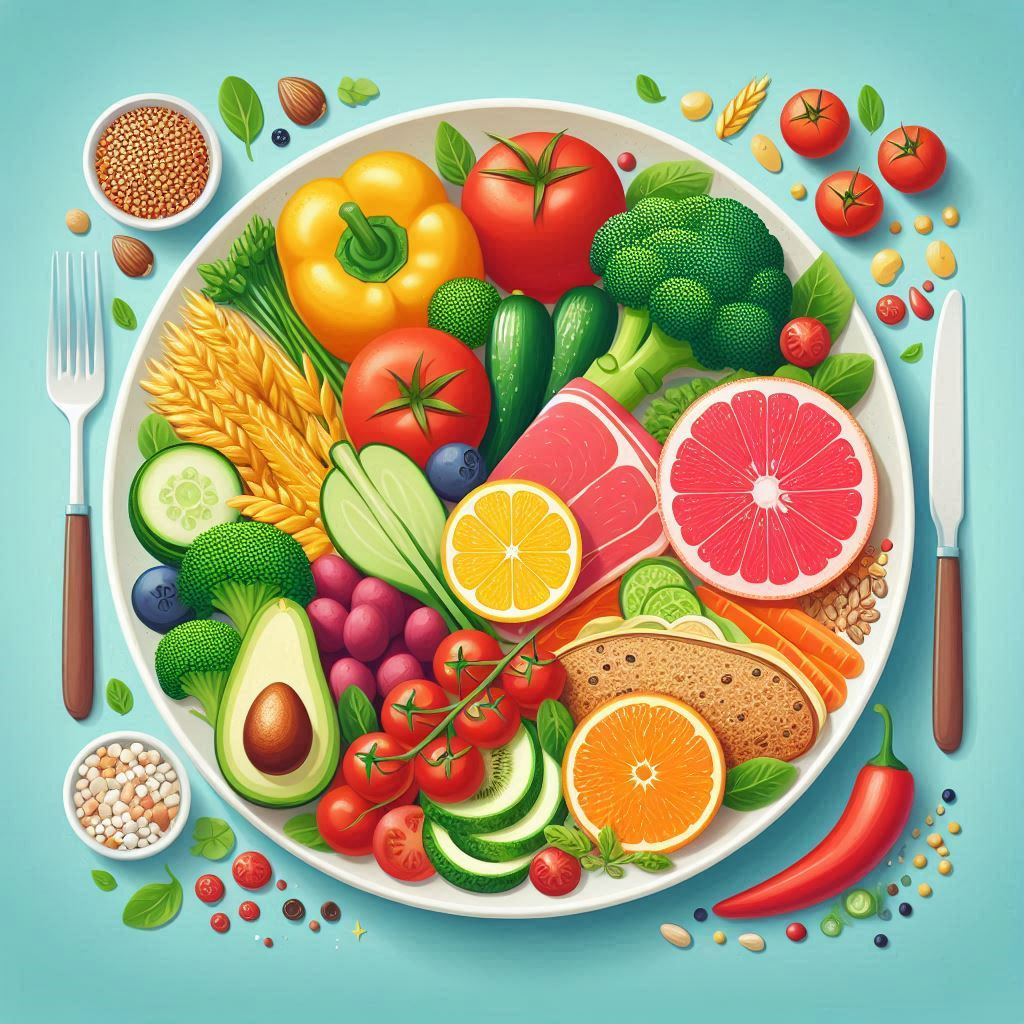
Nutritious snacks function as strategic nutritional bridges that maintain steady blood glucose levels, prevent extreme hunger-driven overeating, and provide essential micronutrients between main meals. When selected based on macronutrient balance—typically combining fiber, protein, and healthy fats—snacks support sustained metabolic energy and cognitive performance throughout the workday.
Contents
Understanding the Metabolic Function of Snacking
In the context of modern dietary patterns, the term "snacking" is often unfairly associated with calorie-dense, nutrient-poor foods. However, from a physiological perspective, snacking refers to the consumption of food outside the standard three-meal structure. For many individuals, spacing out caloric intake can be a highly effective strategy for glucose management.
When an individual consumes a balanced snack, they prevent the sharp drop in blood glucose that often occurs four to six hours after a main meal. If left unaddressed, this "energy trough" can lead to irritability, decreased concentration, and the eventual compensatory consumption of high-sugar or high-sodium convenience foods. By integrating nutrient-dense options, the body maintains a more consistent supply of fuel, which assists in keeping the autonomic nervous system stable and the brain’s cognitive functions operating at optimal levels.
Establishing Nutritional Prerequisites for Optimal Snacking
Not all snacks are created equal. The efficacy of a snack is determined by its composition. To serve a functional role in a daily diet, a snack should ideally contain at least two of the three primary macronutrients: fiber (carbohydrates), protein, and healthy fats.
- Fiber-rich Carbohydrates: Sources like whole grains, vegetables, and fruits provide slow-digesting glucose. The fiber content is crucial as it slows the absorption of sugar into the bloodstream, preventing insulin spikes.
- Protein: Protein contributes to satiety signals sent to the brain, helping the individual feel full for longer periods. It also supports muscle protein synthesis, which is vital for individuals with active lifestyles.
- Healthy Fats: Monounsaturated and polyunsaturated fats, such as those found in nuts, seeds, and avocados, facilitate the absorption of fat-soluble vitamins (A, D, E, and K) and provide long-lasting satiety.
A common mistake is selecting snacks that are predominantly refined carbohydrates (e.g., crackers, sugary granola bars, or white flour pastries). These cause a rapid spike in insulin, followed by a precipitous crash, often resulting in increased cravings shortly after consumption.
Strategic Timing and Portion Control
The timing of snacks is just as significant as their content. A "nutritious snack" is meant to supplement, not replace, main meals. Ideally, snacking should be reactive to genuine physiological hunger—often signaled by a mild physical hollow feeling—rather than psychological triggers like boredom, stress, or environmental cues.
Portion control remains a challenge in an environment where single-serving packages are often oversized. Establishing a baseline portion size—usually ranging from 150 to 250 calories for a snack—ensures that the caloric intake between meals does not inadvertently lead to a total daily caloric surplus. Individuals are encouraged to use measuring tools or pre-portioned containers to maintain consistency, especially during work hours where distracted eating is common.
Comparative Analysis of Snack Categories
Selecting the right snack depends on the individual's activity level and immediate metabolic needs. The following table highlights common snack profiles and their primary nutritional contributions.
| Snack Type | Key Nutrients | Metabolic Benefit | Best Usage |
|---|---|---|---|
| Greek Yogurt with Berries | Protein, Calcium, Fiber | High satiety, stable insulin | Post-workout or afternoon |
| Raw Almonds & Apple | Fiber, Healthy Fats | Sustained energy release | Mid-morning focus |
| Hummus & Bell Peppers | Complex Carbs, Fiber | Hydration, steady glucose | Mid-afternoon slump |
| Hard-boiled Eggs | Protein, Vitamin B12 | Muscle maintenance | High-protein requirement |
| Cottage Cheese | Casein Protein | Slow-digesting, lasting fullness | Before extended fasting |
Managing Challenges: The Problem of Ultra-Processed Foods
A major obstacle to achieving a nutritious diet is the prevalence of ultra-processed snacks. These products are engineered for "hyper-palatability," often utilizing a combination of salt, sugar, and fat that overrides the body's natural satiety signals.
When selecting snacks, one should perform a brief audit of the ingredient label. If a product contains long lists of stabilizers, emulsifiers, or refined sweeteners, it is likely lacking in the nutrient density required for long-term health. Prioritizing whole, single-ingredient foods—such as fruit, raw vegetables, or unsalted nuts—effectively eliminates the risk of hidden additives.
Practical Steps for Success
To successfully integrate nutritious snacks into your daily routine, consider the following operational steps:
- Audit Your Environment: Remove low-nutrient options from your immediate workspace or kitchen pantry. Replace them with easily accessible, "ready-to-eat" whole foods like washed fruits or pre-portioned nuts.
- Prepare in Advance: Much like meal prepping, snack prepping saves time and prevents impulse buying of unhealthy alternatives. Dedicate ten minutes each week to portioning nuts or washing vegetables.
- Monitor Physical Cues: Before reaching for a snack, assess whether you are actually hungry or simply seeking a distraction. If you are not hungry enough to eat a piece of fruit, your craving may be psychological.
- Verify Hydration: Often, the sensation of hunger is actually mild dehydration. Drink a glass of water before deciding to snack to confirm the physiological need for fuel.
Frequently Asked Questions
Does snacking actually increase metabolism? No, snacking does not fundamentally "speed up" metabolism in a way that burns significantly more fat. However, it regulates appetite and prevents the extreme hunger that leads to poor food choices, which indirectly supports a healthier metabolic state.
How many snacks should I consume per day? There is no fixed requirement. The number of snacks depends on the length of your day and your physical activity level. For most, one to two snacks between main meals is sufficient to maintain energy levels without exceeding caloric needs.
Can snacks help with weight management? Yes, if used as a tool to avoid overeating at main meals. By stabilizing blood sugar and providing consistent satiety, nutritious snacks reduce the likelihood of "binge-eating" sessions during dinner or late evening.
Are there specific times to avoid snacking? It is generally recommended to avoid snacking within two hours of bedtime. Digestion requires energy, and large caloric intakes shortly before sleep can sometimes interfere with sleep quality for sensitive individuals.
What is the best snack for immediate energy? A piece of fruit (like a banana or berries) paired with a small amount of fat or protein (like a tablespoon of nut butter) is ideal. The fruit provides quick-acting glucose, while the fat/protein tempers the insulin response for smoother energy levels.
Next Actions
Begin by auditing your current snacking habits over the next three days. Keep a brief log of what you consume and how you feel one hour after each snack. If you experience an energy crash, replace your current snack with one from the high-fiber and protein-rich categories suggested in this guide. Gradually phase out ultra-processed alternatives in favor of whole-food options to optimize your daily energy profile.
Image Gallery