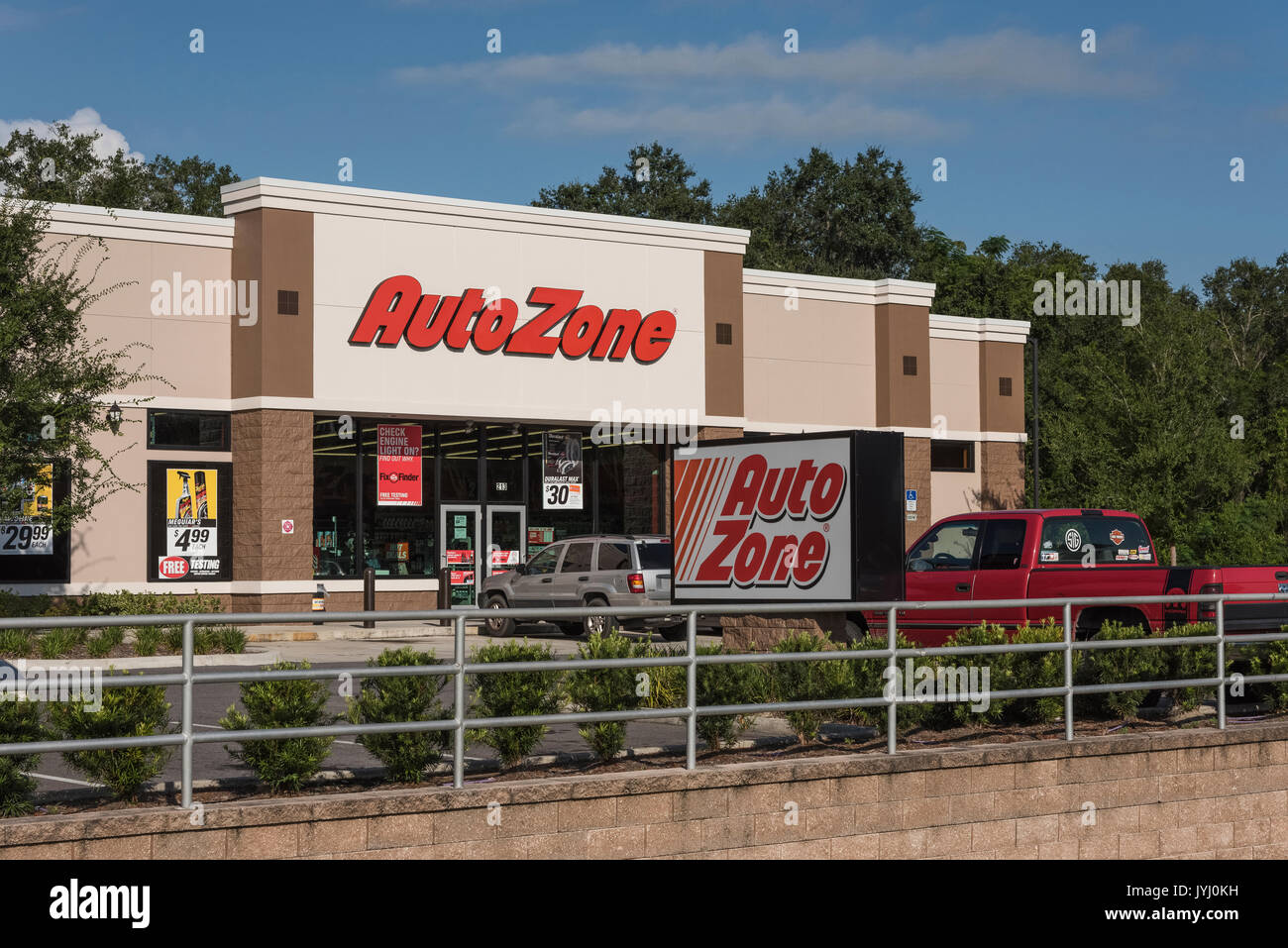
Navigating the AutoZone Store Locator: Complete 2026 Vehicle Maintenance Resource Guide
Locating the right auto parts quickly is essential for vehicle owners, mobile mechanics, and professional technicians alike. Utilizing the AutoZone store locator effectively bridges the gap between digital diagnostic troubleshooting an...
Locating the right auto parts quickly is essential for vehicle owners, mobile mechanics, and professional technicians alike. Utilizing the AutoZone store locator effectively bridges the gap between digital diagnostic troubleshooting and physical inventory access. As automotive electrical systems, sensor arrays, and drivetrain configurations grow increasingly complex in 2026, finding a brick-and-mortar storefront equipped with specialized tool rental programs, battery testing hardware, and knowledgeable counter personnel remains a critical step in effective automotive repair. This guide explores how to leverage digital retail mapping tools, understand inventory nuances, and maximize the diagnostic and financial resources available at local automotive supply branches.
Contents
Digital Tool Architecture and Geolocation Mechanics
Modern digital store locators utilize advanced browser-based geolocation and GPS coordinates to identify nearby retail infrastructure. When searching for physical branches, the underlying system maps user inputs—such as zip codes, city names, or active device positioning—against a centralized database of corporate and franchise locations.
- Radius Filtering: Most interactive mapping interfaces allow users to narrow search perimeters from a 5-mile urban radius to a 50-mile rural span.
- Inventory Synchronization: Advanced locator tools interface directly with local store management systems (SMS), providing real-time stock visibility for specific SKUs.
- Operating Hours Mapping: Automated systems account for regional time zones, seasonal hour adjustments, and special holiday closures to prevent wasted trips.
- Service Badging: Locators highlight specific facility capabilities, distinguishing standard retail locations from commercial-heavy hubs or specialized distribution nodes.
Evaluating Local Branch Capabilities and Specialized Services
Not all physical retail locations offer identical services. Understanding the operational tiers of nearby branches ensures drivers visit a facility equipped to handle their specific mechanical or electrical requirements.
Core Operational Tier: Standard retail branches focus on walk-in consumer sales, basic fluid recycling, and minor diagnostic testing such as alternator and battery checks.
Commercial Hub Tier: Larger regional facilities maintain extended commercial inventories, dedicated delivery fleets, and specialized heavy-duty truck components designed for professional repair shops.
Comparative Facility Matrix
| Feature / Service | Standard Retail Branch | Commercial Hub Branch | Hub-and-Spoke Mega Center |
|---|---|---|---|
| Battery Testing & Charging | Available On-Site | Available On-Site | Available On-Site |
| Check Engine Light Diagnostics | Free OBD-II Scanning | Free OBD-II Scanning | Advanced OBD-II & ABS Scanning |
| Tool Loan Program | Standard Selection | Extended Professional Selection | Comprehensive Specialty Suite |
| Commercial Delivery Fleet | Limited or None | Dedicated Fleet Available | Large-Scale Regional Logistics |
| Machine Shop Services | Generally Unavailable | Selected Locations (Rotors/Drums) | Full-Service Machine Operations |
Step-by-Step Procedure for Locating and Securing Parts
Finding a store is only the first phase of an efficient repair workflow. Bridging digital inventory checking with physical pickup requires a systematic approach to prevent installation delays.
- Perform Initial Vehicle Identification: Enter your vehicle's Year, Make, Model, and Engine size (YMME) into the online portal before searching for store inventory to eliminate part incompatibility errors.
- Execute the Locator Query: Input your target geographical marker into the store finder tool to review a ranked list of nearby branches based on distance and inventory status.
- Verify Real-Time Stock Status: Check the specific branch listing to confirm whether the required part is "In Stock Today," available for "Same-Day Store Pickup," or requires inter-store transfer.
- Initiate Online Reservation: Complete the checkout process online to lock in promotional pricing, core charges, and loyalty rewards before traveling to the physical location.
- Bring Necessary Exchange Items: If purchasing components subject to core charges (such as alternators, starters, or brake calipers), load the old units into your vehicle to secure an immediate tax and deposit refund upon arrival.
Maximizing In-Store Resources and Diagnostic Perks
Physical auto parts stores offer distinct advantages over purely online e-commerce platforms. Leveraging these human and physical resources accelerates diagnostic accuracy and prevents costly misdiagnoses.
- Free OBD-II Code Retrieval: Counter staff can plug a diagnostic scanner into your vehicle's data link connector to pull active diagnostic trouble codes (DTCs), translating warning lights into actionable repair steps.
- Battery and Charging System Analysis: Technicians utilize digital load testers to evaluate cranking amps, state of charge, and diode health before recommending a replacement battery.
- Loan-A-Tool Programs: Instead of purchasing expensive, single-use specialty tools—such as strut spring compressors, ball joint presses, or blind hole pullers—customers can borrow equipment through a fully refundable deposit program.
- Used Fluid Recycling: Most physical branches maintain collection drums for used motor oil and automotive batteries, providing free, environmentally compliant disposal options for DIY mechanics.
Common Challenges and Troubleshooting Strategies
Navigating retail parts fulfillment occasionally presents logistical hurdles. Recognizing these common friction points helps streamline your maintenance projects.
- Inventory Discrepancies: On rare occasions, digital inventory counts may reflect a part that is misplaced or held for a commercial account. Always wait for the "Ready for Pickup" email notification before driving to the store.
- Counterfeit or Incorrect Packaging: Complex vehicle mid-year production changes can result in cross-reference errors. Inspect physical parts against your removed components in the parking lot before leaving the premises.
- Core Deposit Confusion: Ensure you understand the monetary value attached to recyclable core parts. Retain your original receipt and bring back the old unit in its original packaging configuration to expedite your refund.
Frequently Asked Questions
How do I find the closest AutoZone store that offers tool rentals?
You can use the online store locator and check the specific location profile for specialty service badges, or call the branch directly to confirm availability of the specific tool you need. Most standard and commercial hub locations participate in the Loan-A-Tool program.
Are diagnostic scans truly free at all store locations?
Yes, basic Check Engine Light scanning using an OBD-II diagnostic tool is offered as a complimentary service at participating retail locations, subject to state regulations and technician availability.
Can I return online purchases to any physical store location?
Most items purchased online can be returned to any physical retail branch by presenting the order confirmation email and the original payment method, provided the parts are in unused, resalable condition.
What should I bring with me when recycling a car battery?
You generally do not need to bring a receipt or identification for standard retail battery recycling, though local municipal regulations may occasionally require basic logging for scrap metal tracking.
How do commercial hub stores differ from standard retail branches?
Commercial hubs maintain significantly larger inventories of heavy-duty, specialty, and commercial-grade parts, supported by dedicated delivery vehicles designed to service professional repair shops throughout the region.
Conclusion
Mastering the use of the AutoZone store locator and understanding the operational ecosystem of physical automotive retail branches empowers vehicle owners to complete repairs quickly, accurately, and cost-effectively. By combining digital inventory verification with hands-on in-store services—such as complimentary diagnostic scans, fluid recycling, and professional tool rentals—you can maintain your vehicle with confidence and efficiency.
Image Gallery