Navigating Your Case with an Illinois Dog Bite Lawyer
When an animal attack leaves you dealing with physical injuries, mounting medical bills, and emotional trauma, securing legal representation from an Illinois dog bite lawyer helps protect your right to compensation under state strict l...
When an animal attack leaves you dealing with physical injuries, mounting medical bills, and emotional trauma, securing legal representation from an Illinois dog bite lawyer helps protect your right to compensation under state strict liability statutes.
Contents
Dog bites can be terrifying, life-altering events. Beyond the immediate physical pain of puncture wounds, torn tissue, and nerve damage, victims often face rigorous medical treatments, including rabies prophylaxis, reconstructive surgery, and prolonged physical therapy. In Illinois, the legal landscape surrounding animal attacks is governed by specific statutory frameworks that hold pet owners strictly accountable, yet navigating insurance adjusters and formal litigation requires specialized legal knowledge. Understanding how state laws operate, what compensation you can pursue, and how to choose the right counsel will position you to make informed decisions during a challenging time.
Understanding Illinois Dog Bite Laws and Strict Liability
The legal foundation for recovering damages after an animal attack in Illinois rests primarily on the Illinois Animal Control Act (510 ILCS 5/16). Unlike jurisdictions that follow the traditional "one-bite rule"—which often requires a victim to prove that an owner knew their animal had vicious propensities before holding them liable—Illinois enforces a strict liability standard.
Under this statute, an owner can be held legally and financially responsible for injuries caused by their dog if four core elements are established:
- The animal attempted to bite or injure the plaintiff.
- The plaintiff was injured by the animal.
- The plaintiff had a lawful right to be in the location where the injury occurred.
- The plaintiff did not provoke the animal.
This statutory framework removes the burden of proving prior negligence or historical aggression on the part of the animal. However, establishing these four elements can still face aggressive pushback from opposing insurance adjusters or defense counsel, making the guidance of an experienced injury attorney invaluable.
Lawful Presence and Provocation Exceptions
While strict liability simplifies the core argument, defining "lawful presence" and "provocation" frequently becomes the battleground in dog bite litigation.
Lawful Presence
A victim maintains a lawful right to be present if they are on public property or private property—including the dog owner’s premises—pursuant to express or implied invitation. This includes postal workers, delivery drivers, utility personnel, neighbors, and invited guests. Trespassers who are unlawfully on private property generally lack the statutory protection afforded by the Animal Control Act, though exceptions may apply regarding children under the attractive nuisance doctrine or extreme, willful, and wanton misconduct by property owners.
Provocation
Provocation represents one of the most common affirmative defenses raised by dog owners and their insurance carriers. Courts evaluate provocation from the perspective of a reasonable person, considering whether the victim's actions would naturally arouse anger, fear, or defensive aggression in an ordinary dog. Accidental actions, such as stepping on a sleeping dog's tail or startling a blind and deaf animal, have occasionally been weighed by courts to determine if the behavior legally constitutes provocation. An attorney investigates the specific timeline and circumstances to dismantle unfounded claims of provocation.
Common Injuries and Damages Recoverable in a Claim
Animal attacks inflict a diverse range of physical and psychological trauma. Securing adequate compensation requires a comprehensive accounting of both economic and non-economic losses.
Physical and Psychological Toll
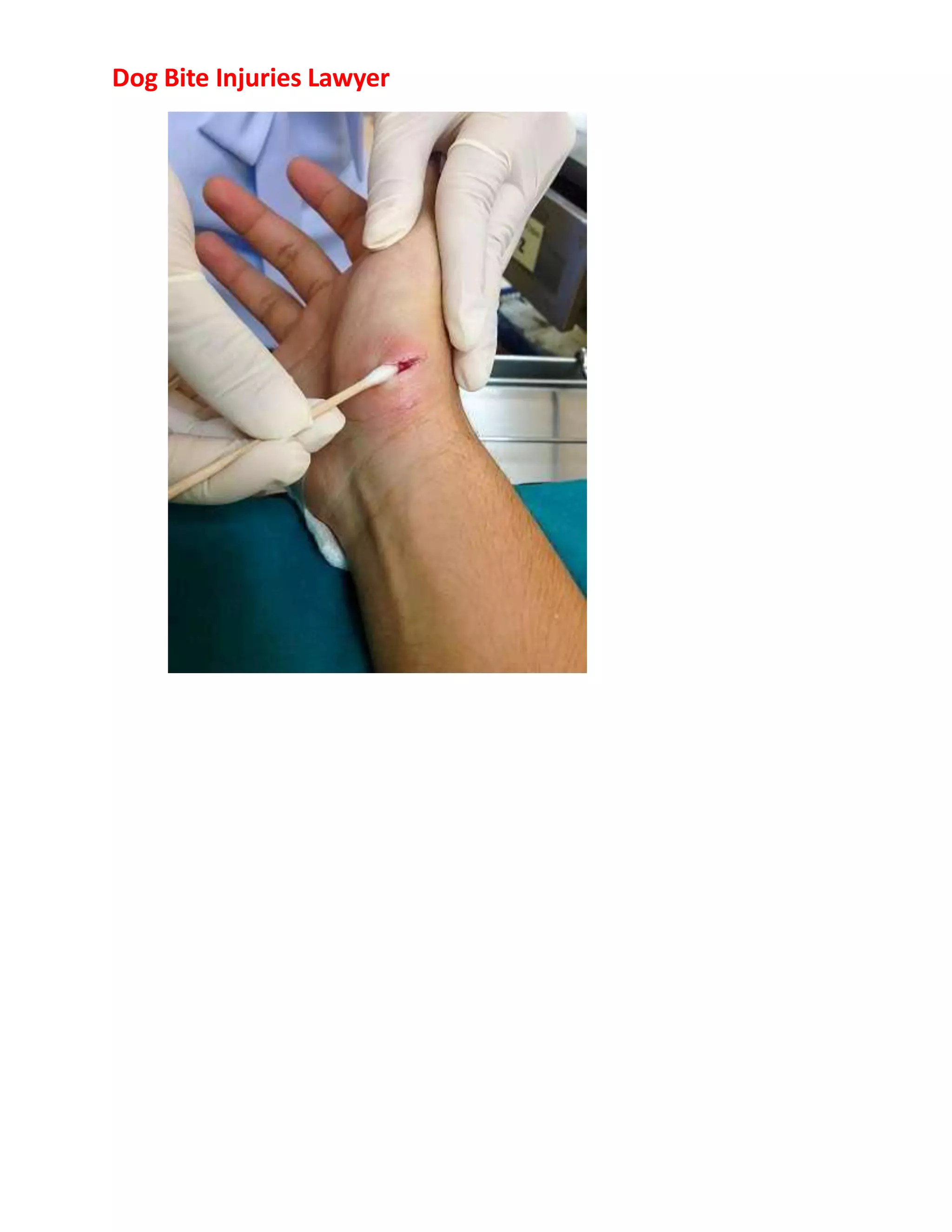
The physical consequences of a canine attack extend far beyond surface lacerations. Common medical complications include:
- Deep Puncture Wounds and Tissue Damage: Frequently require extensive irrigation, debridement, and stitches to prevent severe localized infections.
- Nerve and Tendon Damage: Can lead to permanent loss of function, numbness, or chronic pain in the hands, arms, and legs.
- Facial Scarring and Disfigurement: Often necessitate multiple plastic or reconstructive surgeries, leaving permanent emotional and aesthetic impacts.
- Infections: Including Pasteurella, staphylococcus, streptococcus, and rabies, requiring aggressive antibiotic regimens or hospitalization.
- Post-Traumatic Stress Disorder (PTSD): Manifests as severe anxiety, sleep disturbances, phobias related to animals, and emotional distress, particularly in child victims.
Economic vs. Non-Economic Damages
An injury claim seeks to make the victim whole through financial recovery categorized into distinct forms of damages:
| Damage Type | Description | Examples |
|---|---|---|
| Economic Damages | Verifiable financial losses resulting directly from the incident. | Emergency room bills, ambulance fees, ongoing surgeries, prescription medications, physical therapy, and lost wages. |
| Non-Economic Damages | Subjective, intangible losses that impact a victim's quality of life. | Pain and suffering, emotional distress, physical disfigurement, permanent disability, and loss of normal life. |
| Punitive Damages | Rare, court-ordered financial penalties designed to punish extreme or reckless conduct. | Cases involving intentional torment of an animal used to attack, or egregious violations of local dangerous dog containment laws. |
Comparative Fault and Statute of Limitations
Navigating an Illinois injury claim also requires strict adherence to procedural deadlines and rules regarding shared fault.
The Statute of Limitations
Under 735 ILCS 5/13-202, personal injury lawsuits in Illinois, including those arising from animal attacks, generally carry a two-year statute of limitations from the date of the incident. Failing to file a formal lawsuit within this two-year window almost always bars the court from hearing your case, permanently extinguishing your right to recover compensation. For minor children injured by dogs, the statute of limitations typically does not begin to run until the child turns 18 years old, giving them until their 20th birthday to file suit, though taking prompt legal action is always advised to preserve physical evidence and witness testimony.
Modified Comparative Negligence
Illinois follows a modified comparative negligence rule (735 ILCS 5/2-1116). If a plaintiff is found to share a percentage of fault for the incident—for example, if a court determines a victim was 20% at fault for roughhousing with an unfamiliar dog—their total compensation award is reduced by that percentage. Furthermore, if a plaintiff is found to be more than 50% at fault, they are barred from recovering any damages whatsoever. Defense attorneys utilize this rule to minimize payouts, making skilled legal advocacy crucial for establishing proper liability allocation.
Choosing the Right Legal Representation
Selecting a qualified legal professional to handle your case can significantly influence the speed and size of your financial recovery. When evaluating law firms, look for specific attributes that demonstrate competence and commitment to client outcomes.
Key Criteria for Selection
- Focused Experience: Ensure the attorney has a proven track record specifically handling animal attack and personal injury cases in Illinois courts, rather than a general practice lawyer who handles diverse, unrelated fields.
- Contingency Fee Structure: Reputable injury lawyers operate on a contingency fee basis, meaning you pay nothing upfront and owe attorney fees only if they successfully recover compensation for you through a settlement or trial verdict.
- Trial Readiness: Insurance companies track which law firms routinely settle out of fear of court and which firms possess the resources and willingness to take a case to trial. An attorney with demonstrated courtroom experience commands higher settlement offers.
- Local Jurisdictional Knowledge: Familiarity with local municipal ordinances regarding leash laws, dangerous animal declarations, and county animal control procedures can provide strategic advantages during the investigative phase.
Frequently Asked Questions
What should I do immediately after a dog bite in Illinois?
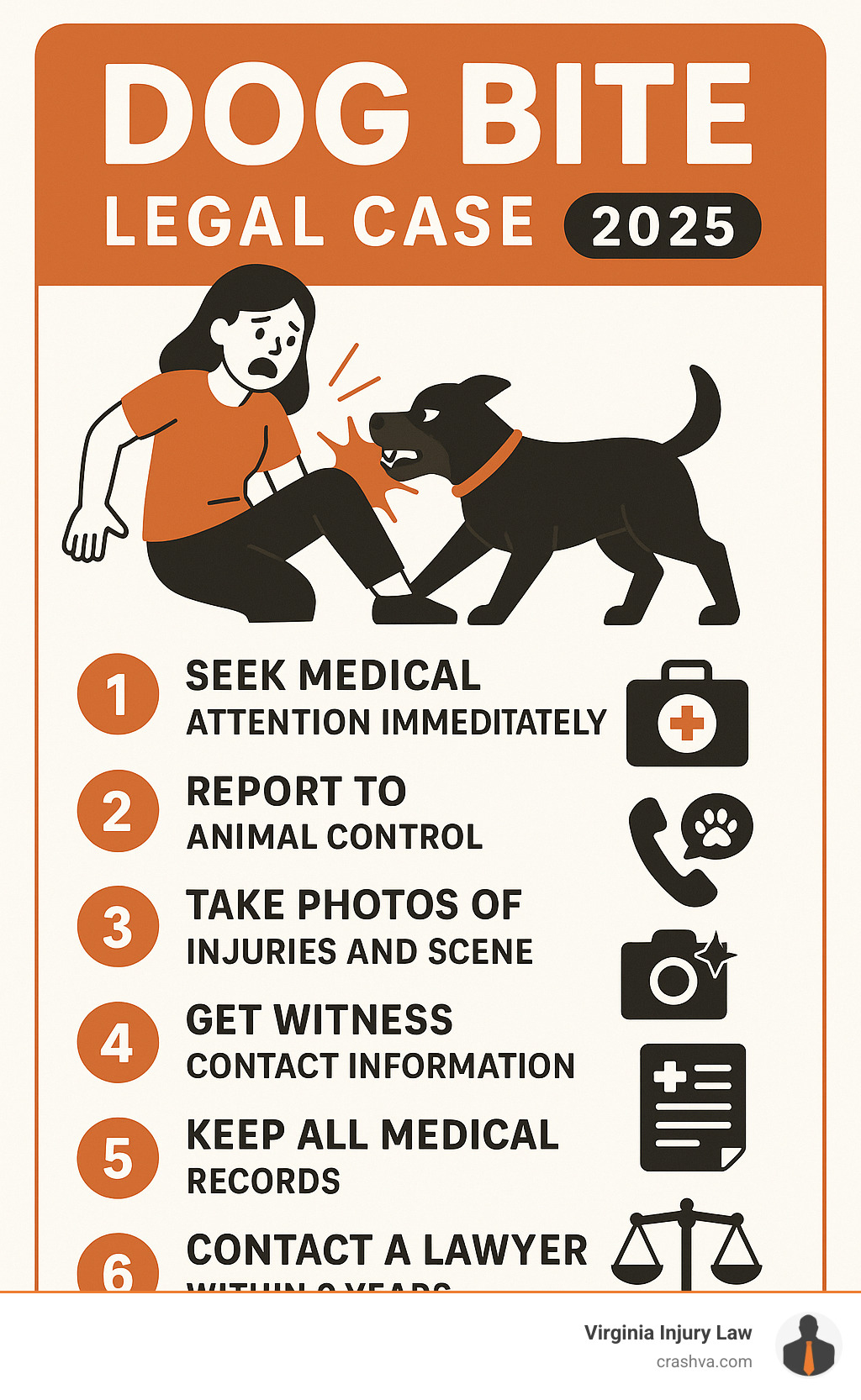
Seek immediate medical attention to treat your wounds and prevent severe infection. Report the incident to your local county animal control department or police dispatch so an official quarantine and investigation report is created. Collect contact information from the dog owner and any eyewitnesses, and take clear photographs of your injuries and the location where the attack occurred before leaving the scene.
Can I sue if the dog bite occurred on the owner's property?
Yes. Under the Illinois Animal Control Act, the location of the attack does not exempt the owner from liability, provided you were lawfully on the property (such as an invited guest, postal worker, or service provider) and did not provoke the animal.
What if the dog has no prior history of aggression or biting?
Illinois is a strict liability state for animal attacks, meaning you do not need to prove that the dog had a prior history of biting or that the owner knew the dog was dangerous. As long as you were lawfully present, did not provoke the animal, and suffered an injury, the owner is legally liable.
How much does it cost to hire an Illinois dog bite lawyer?
Most injury lawyers offer free initial consultations and work on a contingency fee agreement. This means you do not pay any hourly rates or upfront legal fees; instead, the attorney receives an agreed-upon percentage of the final settlement or court award collected on your behalf.
How long will my dog bite lawsuit take to resolve?
The timeline varies depending on the severity of your injuries, the clarity of liability, and the insurance company's willingness to negotiate in good faith. Cases involving minor injuries and cooperative insurers may settle within several months, while complex cases requiring extensive medical stabilization, expert witnesses, or trial litigation can take a year or longer.
Next Steps for Injured Victims
If you or a loved one has suffered an injury from an animal attack, taking prompt, measured steps protects both your health and your legal rights. Prioritize your medical recovery by following all prescribed treatment plans and attending follow-up appointments. Concurrently, preserve all documentation related to the incident, including medical bills, discharge instructions, photographs, and correspondence with animal control officers.
Consulting with an experienced Illinois dog bite lawyer allows you to secure a professional evaluation of your case, shield yourself from aggressive insurance adjusters attempting to secure premature statements, and pursue the full financial recovery you deserve.
Image Gallery