Schools for Life Insurance Pre-Licensing: Course Options and Requirements
To obtain a life insurance license in 2026, candidates must complete state-mandated pre-licensing education through an approved provider. These schools offer courses covering policy types, state regulations, and ethical standards. Most...
To obtain a life insurance license in 2026, candidates must complete state-mandated pre-licensing education through an approved provider. These schools offer courses covering policy types, state regulations, and ethical standards. Most states require 20 to 40 hours of study, which can be completed via online self-paced modules, live webinars, or traditional classrooms.
Contents
In the United States, the insurance industry is regulated at the state level, meaning the specific requirements for becoming an agent vary significantly depending on where you intend to practice. However, one constant across nearly all jurisdictions is the necessity of formal education before sitting for the state exam. These "schools" are not traditional colleges but specialized vocational providers authorized by state Departments of Insurance (DOI) to deliver a curriculum that prepares you for the rigorous licensing examination.
The Regulatory Framework of Pre-Licensing Education
Before enrolling in a course, it is essential to understand the governing bodies that dictate your path. Each state’s Department of Insurance sets the standards for what must be taught. These standards are often influenced by the National Association of Insurance Commissioners (NAIC), which promotes uniformity across state lines, though unique local statutes still apply.
As of 2026, the primary goal of pre-licensing is consumer protection. By ensuring that every prospective agent understands the legal obligations, fiduciary duties, and technical mechanics of life insurance products, the state reduces the risk of misrepresentation and financial harm to the public. You are not just learning how to sell; you are learning the legal framework that keeps the industry solvent and ethical.
Mandatory Education Requirements by State
Most states require a specific number of credit hours for each "line of authority." If you are seeking a Life Insurance license, you might be required to complete 20 hours. If you are seeking a combined Life and Health license, that requirement often jumps to 40 hours.
Common Requirements Include:
- Proof of Completion: Upon finishing your course, the school issues a Certificate of Completion. In many states, you cannot even schedule your exam with a proctoring service like Pearson VUE or Prometric without a valid certificate number.
- State-Specific Content: While the mechanics of a "Whole Life" policy are the same in California and Florida, the laws regarding grace periods, replacement rules, and advertising differ. Your school must provide a state-specific curriculum.
- Timed Modules: To prevent students from simply clicking through the material, most 2026 online platforms use "forced timers." This means you must spend the actual required number of hours actively engaged with the content before the final practice exam unlocks.
Leading Schools for Life Insurance Pre-Licensing
Several national providers dominate the landscape because they maintain the most up-to-date databases of state laws and offer high pass rates. Choosing a reputable school is often the difference between passing on the first attempt or paying for multiple retakes.
| Provider | Primary Delivery Method | Best For | Key Features |
|---|---|---|---|
| Kaplan Financial Education | Hybrid (Online/Live) | Comprehensive learners | High-quality textbooks and "OnDemand" video lectures. |
| ExamFX | Online Self-Paced | Speed and efficiency | Focused "Pass or Pay" guarantees and interactive learning maps. |
| A.D. Banker & Company | Online / Classroom | Traditional support | Excellent customer service and physical study manuals. |
| WebCE | Online Self-Paced | Budget-conscious students | Streamlined mobile interface and affordable pricing tiers. |
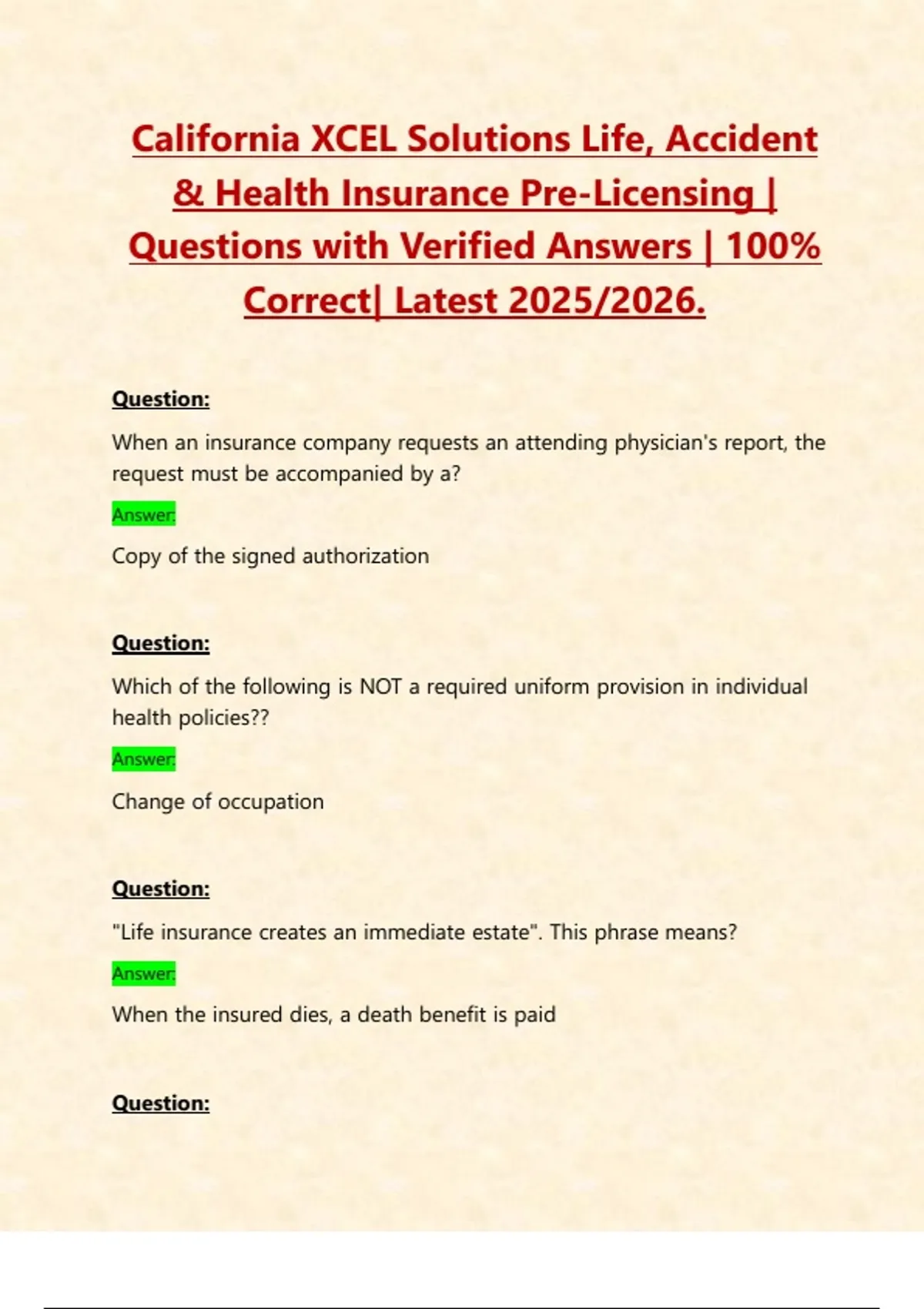
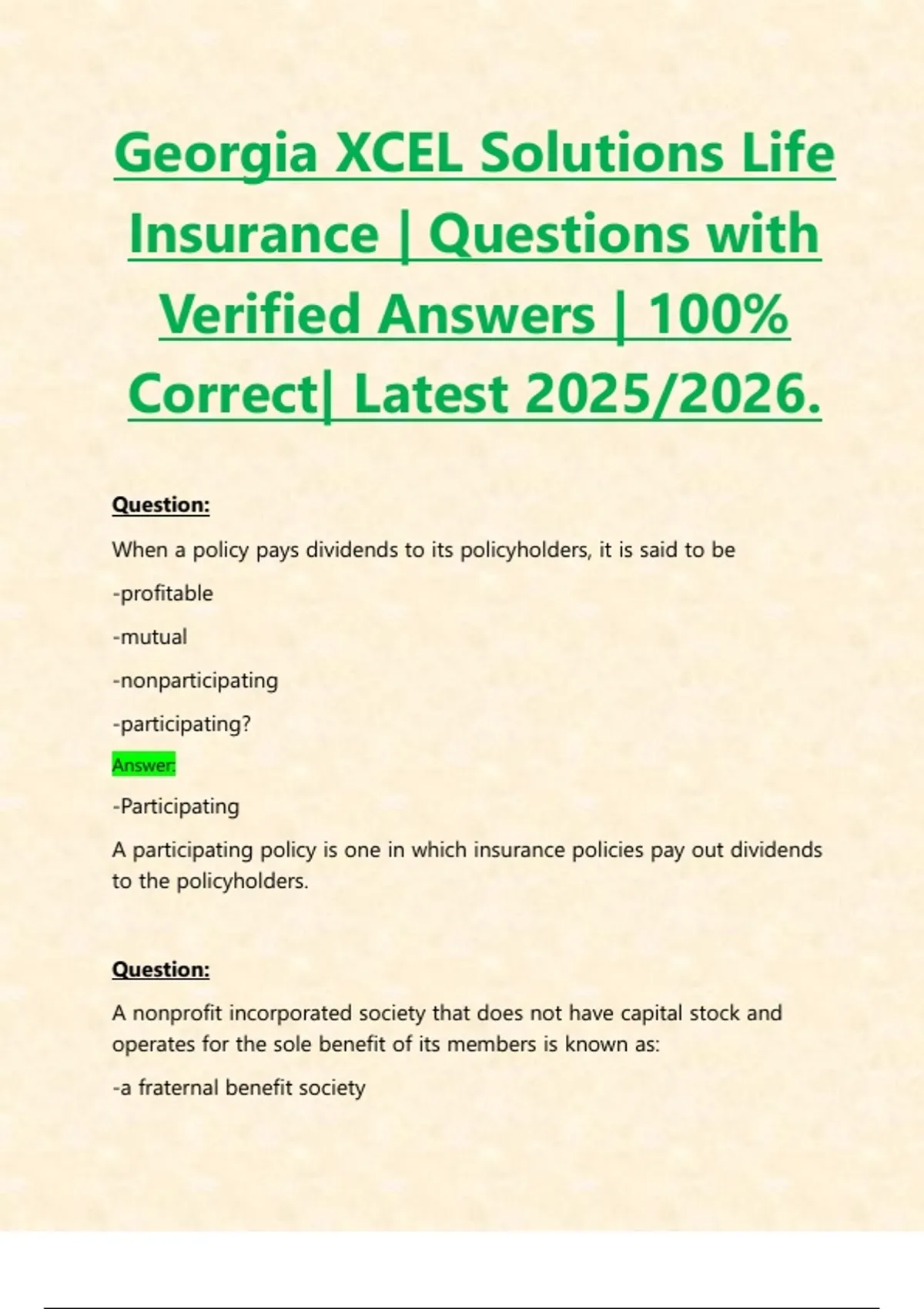
| XCEL Solutions | Online Virtual | Corporate onboarding | Heavily used by large agencies for rapid agent deployment. |
Evaluating Course Delivery Options
In 2026, the "school" environment has shifted almost entirely to digital formats, yet the methodology within those formats varies. Understanding your learning style is critical to selecting the right option.
Online Self-Paced Courses
This is the most popular option for working professionals. These courses allow you to log in at any time. They typically consist of digital textbooks, pre-recorded video summaries, and thousands of practice questions. The advantage is flexibility; the disadvantage is that it requires high levels of self-discipline.
Live Virtual Webinars
For those who need the structure of a classroom but cannot travel, live webinars offer a middle ground. You attend scheduled sessions via video conferencing, where an instructor covers the material in real-time. This allows for immediate Q&A sessions, which can be invaluable for complex topics like the taxation of life insurance proceeds or the mechanics of Universal Life policies.
In-Person Classroom Instruction
While less common in 2026 than in previous decades, some metropolitan areas still host intensive "boot camps." These are usually two-to-three-day sessions where you are immersed in the material. This is often the fastest way to complete the hourly requirement, but the information density can be overwhelming.
The Core Curriculum: What You Will Study
A life insurance pre-licensing course is divided into two main segments: General Knowledge and State-Specific Rules.
General Insurance Concepts
This section covers the "why" of insurance. You will study the Law of Large Numbers, which explains how insurers predict loss, and the concept of Insurable Interest, which dictates who can legally own a policy on someone else's life. You will also learn the four elements of a legal contract: Offer and Acceptance, Consideration, Competent Parties, and Legal Purpose.
Life Insurance Product Knowledge
This is the technical heart of the course. You will be expected to differentiate between:
- Term Life: Pure protection for a specific period.
- Whole Life: Permanent protection with a cash value component and fixed premiums.
- Universal Life: Flexible premiums and adjustable death benefits.
- Variable Products: Policies where the cash value is invested in the stock market (requiring additional SEC/FINRA licensing).
Policy Provisions, Options, and Riders
You must learn how a policy can be modified. This includes "riders" like the Accidental Death Benefit or the Waiver of Premium, which keeps the policy in force if the insured becomes disabled. Understanding the "Non-forfeiture Options" is also a major part of the 2026 exam syllabus, as these options protect the policyholder’s equity if they stop paying premiums.
Costs and Financial Considerations
The cost of pre-licensing school varies by provider and the level of support you choose. Basic packages that include only the digital text and the certificate of completion usually start around $150. Premium packages that include "Flashcards," "Simulated Exams," and "Instructor Access" can range from $300 to $500.
It is important to note that the course fee is separate from the state’s exam fee and the background check fee. In 2026, the total investment to go from "unlicensed" to "active agent" typically falls between $500 and $900, depending on the state’s licensing fees.
How to Choose the Right Pre-Licensing School
When comparing schools, do not simply look at the price. Consider the following metrics to ensure you are making a sound investment:
- Pass Rate Guarantees: Many top schools offer a "Green Light" or "Pass or Pay" guarantee. If you pass their final practice exam but fail the state exam, they will refund your tuition.
- Update Frequency: Insurance laws change. Ensure the school specifically states their curriculum is updated for 2026 regulations.
- Mobile Accessibility: If you plan to study during a commute or break, check if the school has a dedicated app or a responsive mobile website.
- Practice Exam Depth: The best schools have a "test bank" of at least 1,000 questions. Repetitive practice is the most effective way to prepare for the wording used on the actual state exam.
The Transition from School to State Exam
Completing your pre-licensing course is a major milestone, but it is not the final step. Once you have your certificate, you must register with your state’s designated testing provider. In most jurisdictions, you must also submit fingerprints for a background check through services like IdentoGO.
The time between finishing school and taking the exam should be as short as possible. Data from the National Insurance Producer Registry (NIPR) suggests that candidates who take their state exam within seven days of finishing their pre-licensing course have a significantly higher pass rate than those who wait longer.
Frequently Asked Questions
Do I need a college degree to enroll in a life insurance school?
No. Most states only require that you are at least 18 years old and have a high school diploma or GED. Pre-licensing schools are technical vocational programs, not academic degree-granting institutions.
How long does it take to finish the pre-licensing course?
If you are studying full-time, you can complete a 20-hour Life Insurance course in about three days. If you are studying part-time (1-2 hours a day), it typically takes two to three weeks. Most schools grant you access to the online materials for 60 to 90 days.
Can I use the same school for my Continuing Education (CE) later?
Yes. Most major providers like WebCE and Kaplan offer both pre-licensing and continuing education. Many agents stay with the same provider for their entire career to keep their educational records in one centralized portal.
What happens if I fail the course final exam?
Most schools allow you to retake their internal final exam multiple times at no extra charge until you pass and receive your certificate. However, the state exam usually requires a new registration fee for every attempt.
Are online courses as valid as in-person ones?
As long as the school is approved by your state's Department of Insurance, an online certificate carries the exact same legal weight as one earned in a physical classroom. In 2026, online education is the industry standard.
Recommendation for Next Steps
If you are ready to begin, your first action should be to visit your state's Department of Insurance website to confirm the exact number of hours required for a Life Insurance line of authority. Once confirmed, select a provider that offers a Pass or Pay guarantee. Begin by taking a diagnostic practice test (if available) to identify your weak areas, then focus your study time on those specific modules—typically the technical aspects of "Annuities" or "State-Specific Statutes"—to ensure you are fully prepared for the licensing exam.
Image Gallery