SRO Net Worth and Its Global Impact
In the complex landscape of international finance and industry governance, SROs (Self-Regulatory Organizations) represent a multi-billion dollar sector that bridges the gap between private enterprise and government oversight. While the...
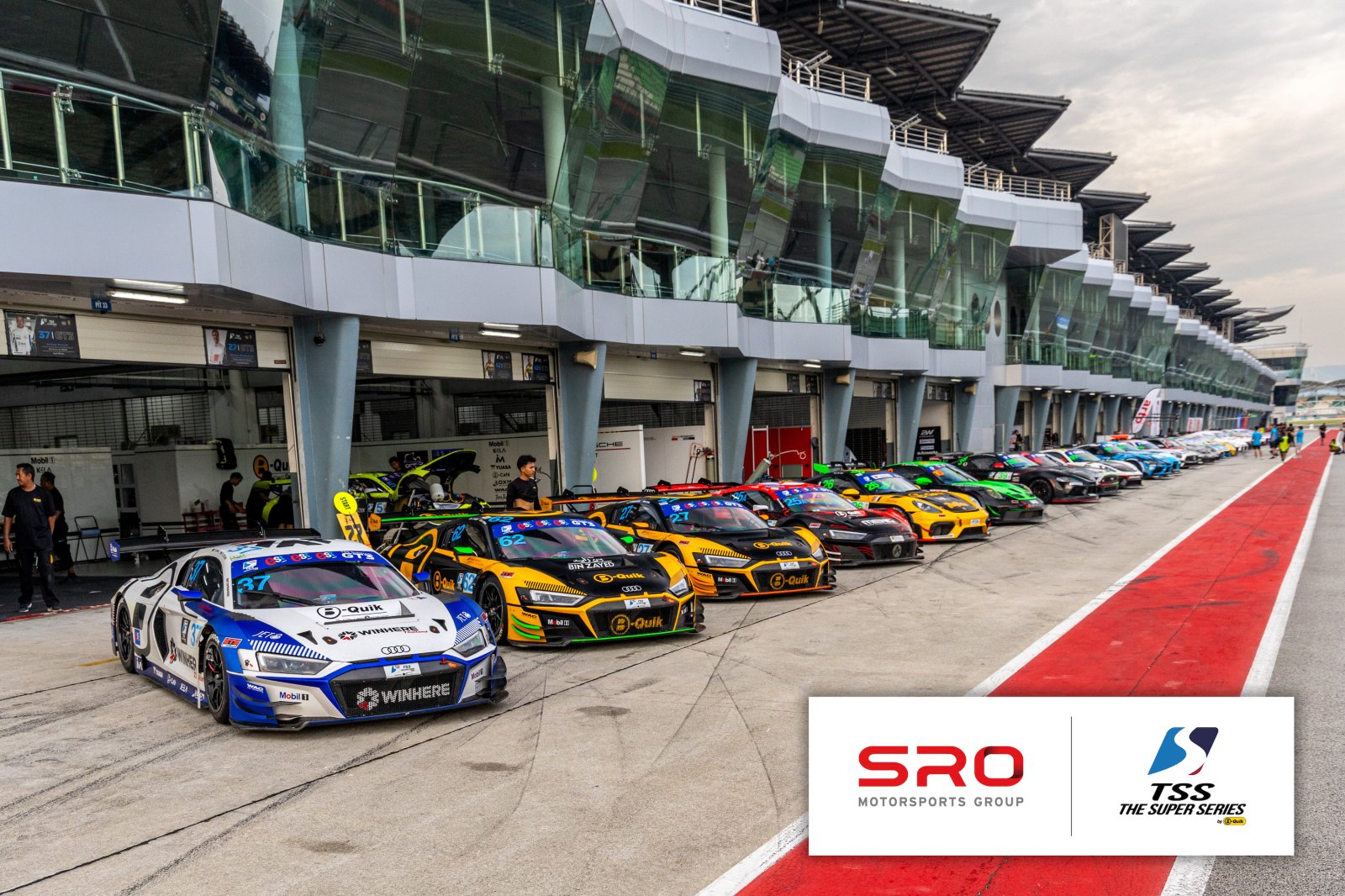
In the complex landscape of international finance and industry governance, SROs (Self-Regulatory Organizations) represent a multi-billion dollar sector that bridges the gap between private enterprise and government oversight. While the term SRO is occasionally associated with specialized entities like the SRO Motorsports Group or individual digital creators, its primary global impact stems from the financial and regulatory power of organizations like FINRA and the NFA, which manage trillions in assets and maintain the integrity of global markets.
Contents
Defining the SRO: Architecture and Economic Autonomy
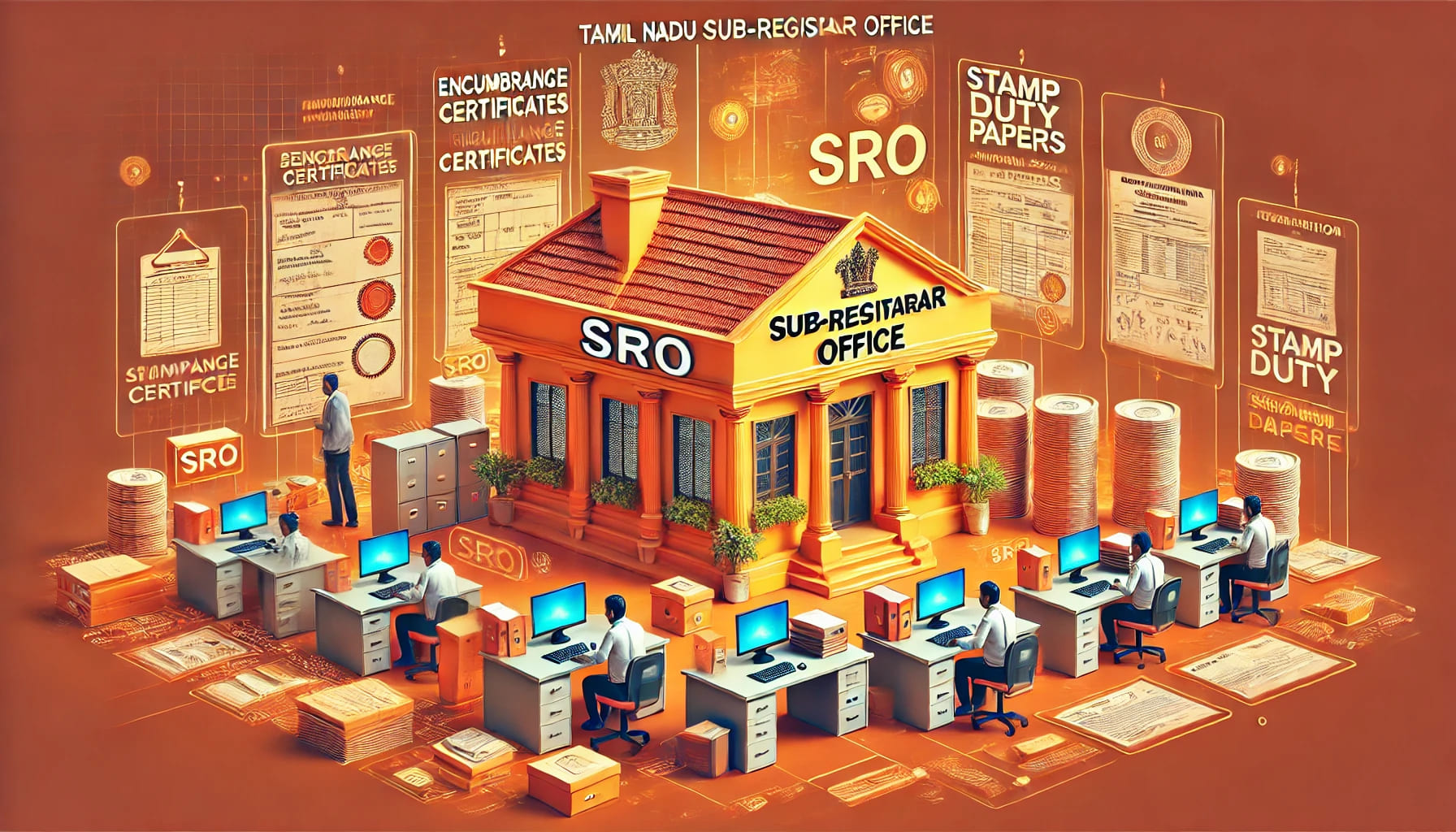
A Self-Regulatory Organization (SRO) is a non-governmental entity that exercises a level of regulatory authority over a specific profession or industry. This authority is often delegated by a government regulator or established through industry consensus to ensure ethical conduct, technical standards, and market stability.
In 2026, the SRO model has evolved beyond traditional stock exchanges to encompass decentralized finance (DeFi), carbon credit trading, and artificial intelligence ethics. The "net worth" of these organizations is not typically measured by equity in the way a for-profit corporation is, but rather by their operational capital, reserve funds, and the total market capitalization they oversee. For instance, major SROs in the United States and Europe operate with annual budgets exceeding $1 billion, funded primarily by member dues and regulatory fines.
Core Components of SRO Power
- Delegated Authority: SROs operate under the mandate of state agencies (such as the SEC in the U.S. or ESMA in the EU) to enforce rules that carry the weight of law.
- Financial Independence: Unlike government agencies that rely on taxpayer funding, SROs are self-funded through industry levies. This creates a unique "net worth" profile where the organization’s financial health is directly tied to the prosperity and compliance of the industry it regulates.
- Adjudication and Enforcement: SROs maintain private court systems to resolve disputes, which significantly reduces the burden on public judiciaries.
The "Net Worth" of Global SROs: Revenue and Asset Valuation
When analyzing the financial footprint of SROs, it is essential to distinguish between their internal balance sheets and the economic value they protect. As of 2026, the top-tier SROs globally possess significant internal wealth.
Revenue Streams and Capital Reserves
SROs generate revenue through three primary channels:
- Membership and Registration Fees: Every firm and individual operating within the regulated sector must pay entry and maintenance fees.
- Transaction and Transparency Fees: A fraction of every trade or contract executed within the jurisdiction is diverted to the SRO to fund oversight.
- Regulatory Fines: While not intended as a primary revenue source, the fines collected for non-compliance often reach hundreds of millions of dollars annually, which are typically reinvested into technology and investor protection programs.
| SRO Entity (Example) | Estimated Annual Budget (2026) | Market Value Under Oversight | Primary Jurisdiction |
|---|---|---|---|
| FINRA (Financial Industry Regulatory Authority) | $1.4 Billion+ | $40+ Trillion | United States |
| NFA (National Futures Association) | $120 Million+ | $600+ Trillion (Notional) | U.S. Derivatives |
| IIROC/CIRO (New Canadian SRO) | $180 Million+ | $3.5 Trillion | Canada |
| VDA-SRO (Virtual Digital Assets SRO) | $45 Million | $2.2 Trillion | Global/Regional (DeFi) |
Global Impact: Maintaining Trillion-Dollar Market Integrity
The global impact of SROs is measured by the stability and liquidity of the markets they govern. Without the standardized rules established by SROs, cross-border trade would be hampered by a lack of trust and inconsistent technical requirements.
Investor Protection and Market Confidence
SROs provide a first line of defense against fraud and market manipulation. By setting stringent qualification standards for professionals—such as the Series exams in the U.S. or the RDR standards in the UK—SROs ensure that the "net worth" of global investors is managed by competent individuals. This "standardization impact" is estimated to save the global economy billions in lost capital annually due to reduced fraud rates.
Systemic Risk Mitigation
During periods of market volatility, SROs act as shock absorbers. Their ability to implement circuit breakers, monitor margin requirements in real-time, and coordinate with government treasuries prevents localized failures from becoming systemic collapses. In the 2026 landscape, SROs have been instrumental in integrating algorithmic trading safeguards that prevent "flash crashes" caused by AI-driven high-frequency trading.
The 2026 Landscape: Emerging SROs in Crypto, AI, and Sustainability
As we navigate 2026, the SRO model has expanded into three high-impact sectors that were previously under-regulated or solely state-managed.
1. Digital Assets and DeFi SROs
Following the volatility of the early 2020s, the cryptocurrency industry transitioned toward a self-regulatory model. These new SROs establish protocol security standards and insurance fund requirements. The net worth of these organizations is often held in decentralized treasuries, providing a transparent look at the capital available to protect users in the event of smart contract failures.
2. Artificial Intelligence Governance
With AI integrated into 80% of corporate decision-making, AI SROs now audit "Black Box" algorithms for bias and safety. These organizations have a global impact by ensuring that the deployment of large language models (LLMs) and autonomous systems adheres to international safety accords.
3. ESG and Carbon Markets
To combat "greenwashing," SROs in the sustainability sector now certify carbon credits and ESG (Environmental, Social, and Governance) scores. By standardizing what constitutes a "green" investment, these SROs influence the flow of trillions in institutional capital, effectively acting as the gatekeepers of the global green economy.
Operational Costs and Membership Requirements
For firms looking to join or interact with an SRO, the financial requirements are substantial. Compliance is not merely a legal obligation but a significant capital expenditure.
- Initial Entry Costs: For a mid-sized brokerage, joining a financial SRO can cost between $50,000 and $250,000 in application and legal fees.
- Ongoing Compliance Systems: SROs often mandate the use of specific surveillance software, which can cost firms 5–10% of their annual revenue.
- Verification and Audits: Annual audits conducted by the SRO ensure that the firm's net capital stays above regulatory minimums, protecting the broader ecosystem from firm-level insolvencies.
Challenges and Criticisms of the SRO Model
While the global impact of SROs is largely positive, the model faces ongoing scrutiny regarding its "quasi-private" nature.
Conflicts of Interest
Because SROs are funded by the very industries they regulate, critics argue there is an inherent conflict of interest. Large member firms, which provide the bulk of the funding, may exert undue influence over the rulemaking process, potentially disadvantaging smaller competitors.
Lack of Public Accountability
Unlike government agencies, SRO boards are often comprised of industry insiders rather than elected officials. This can lead to a perceived lack of transparency, especially concerning how fine money is utilized and how disciplinary decisions are reached.
Summary of SRO Economic Influence
The net worth of the SRO sector is a testament to the efficiency of private-public partnerships in governance. By pooling resources, industry participants create a robust framework that protects the global economy. In 2026, the SRO remains the most agile tool for regulating fast-moving technological sectors where government legislation often lags behind innovation.
4-6 Intent-Relevant FAQs
What is the difference between an SRO and a government regulator? A government regulator, like the SEC, is a state agency funded by taxpayers and empowered by legislation. An SRO is a private organization funded by industry members that enforces rules and standards under the oversight of that government agency.
How does an SRO impact an individual’s net worth? SROs protect individual net worth by ensuring that financial advisors are qualified, markets are free from manipulation, and brokerage firms maintain sufficient capital to protect client assets in the event of a bankruptcy.
Can an SRO fine a company? Yes, SROs have the authority to impose significant financial penalties, suspend licenses, and permanently bar individuals or firms from participating in the industry. These fines are a core part of their enforcement mechanism.
What are the biggest SROs in the world? The largest include FINRA (U.S. Finance), the National Futures Association (U.S. Derivatives), the Investment Industry Regulatory Organization of Canada (IIROC), and various stock exchanges like the NYSE and NASDAQ that perform SRO functions.
Why are SROs becoming important for AI and Crypto in 2026? Because these technologies move faster than the traditional legislative process, SROs allow industry experts to set technical safety standards and ethical guidelines that can be updated in real-time as the technology evolves.
Practical Recommendation: Next Actions for Stakeholders
For business leaders and investors, understanding the SRO landscape is critical for risk management. In 2026, firms should prioritize active participation in SRO rulemaking committees to help shape the standards that will govern their sectors. Investors should verify that any institution managing their capital is a member in good standing with the relevant SRO and check the SRO’s public disclosure tools (such as BrokerCheck or its equivalent) to review the disciplinary history of their financial providers.
Image Gallery