How Termites Kill Your Home: Understanding Structural Destruction and Silent Invaders
Termites kill homes by systematically consuming cellulose-based building materials from the inside out, hollowing out structural framing, subfloors, and support beams until the load-bearing capacity of the property fails entirely. This...
Termites kill homes by systematically consuming cellulose-based building materials from the inside out, hollowing out structural framing, subfloors, and support beams until the load-bearing capacity of the property fails entirely. This silent destruction often goes unnoticed for years, compromising structural integrity long before any visible signs appear on the surface.
Contents
The Silent Destroyers: An Introduction to Termite Biology and Behavior
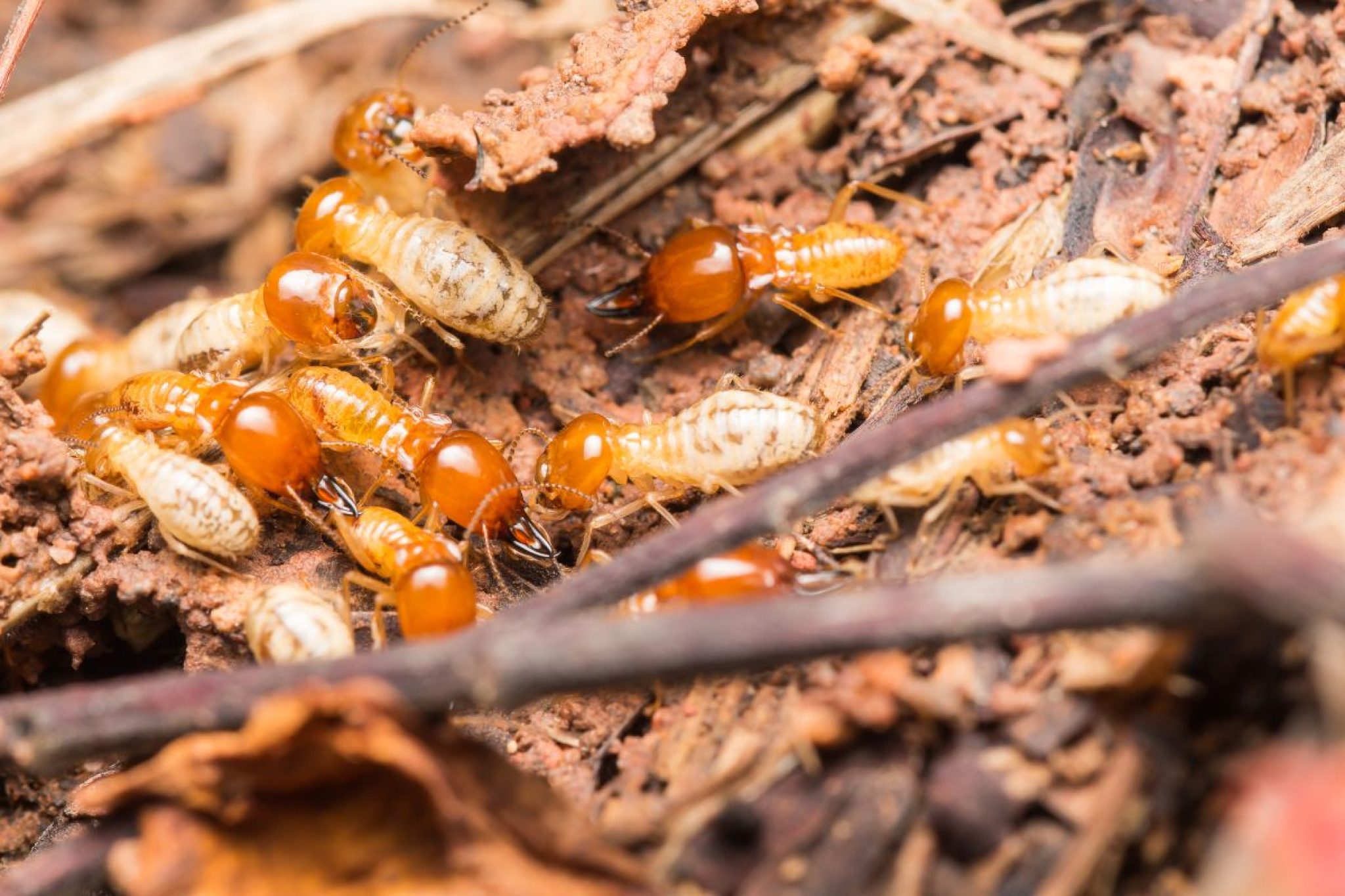
Understanding how termites destroy a home requires examining their biology and colony structure. Termites are social insects that live in complex, highly organized colonies containing thousands to millions of individuals. Among the thousands of termite species worldwide, three primary types cause the vast majority of structural damage to residential and commercial properties: subterranean termites, drywood termites, and dampwood termites.
Subterranean termites represent the most destructive force in North America. Operating from underground nests, they require moisture to survive and construct intricate mud tubes to travel across concrete foundations and brickwork, keeping them shielded from dry air and light. Drywood termites, by contrast, do not require contact with the soil. They establish colonies directly inside dry, sound wood—such as roof framing, attic timbers, and hardwood flooring—and extract sufficient moisture from the air and the wood they consume. Dampwood termites prefer wood with high moisture content, typically attacking decaying logs, rotting structural sills, or timber exposed to chronic plumbing leaks.
Regardless of the species, the core mechanism of destruction is the same: digestion of cellulose. Termites possess specialized protozoa and bacteria in their digestive tracts that secrete enzymes capable of breaking down the tough chemical bonds of cellulose found in wood, paper, cardboard, and drywall paper. They consume wood relentlessly, 24 hours a day, guided by pheromones and a strong aversion to light, which keeps them safely tucked away inside the timber until the structural matrix is nearly gone.
The Step-by-Step Process of Structural Compromise
Termite destruction is not an overnight event; it follows a predictable chronological progression from initial infiltration to catastrophic structural failure. Property owners who understand this progression can intervene before structural damage becomes irreversible.
1. Infiltration and Entry Points
Termites first locate a home by sensing moisture, warmth, and sources of cellulose. Subterranean termites bridge the gap between soil and structure through foundation cracks, expansion joints, or utility penetrations. They can pass through gaps as narrow as 1/32 of an inch. Drywood termites take a different approach, flying directly into upper-level structural timber, fascia boards, or eaves during annual swarming events to establish new colonies.
2. Internal Excavation
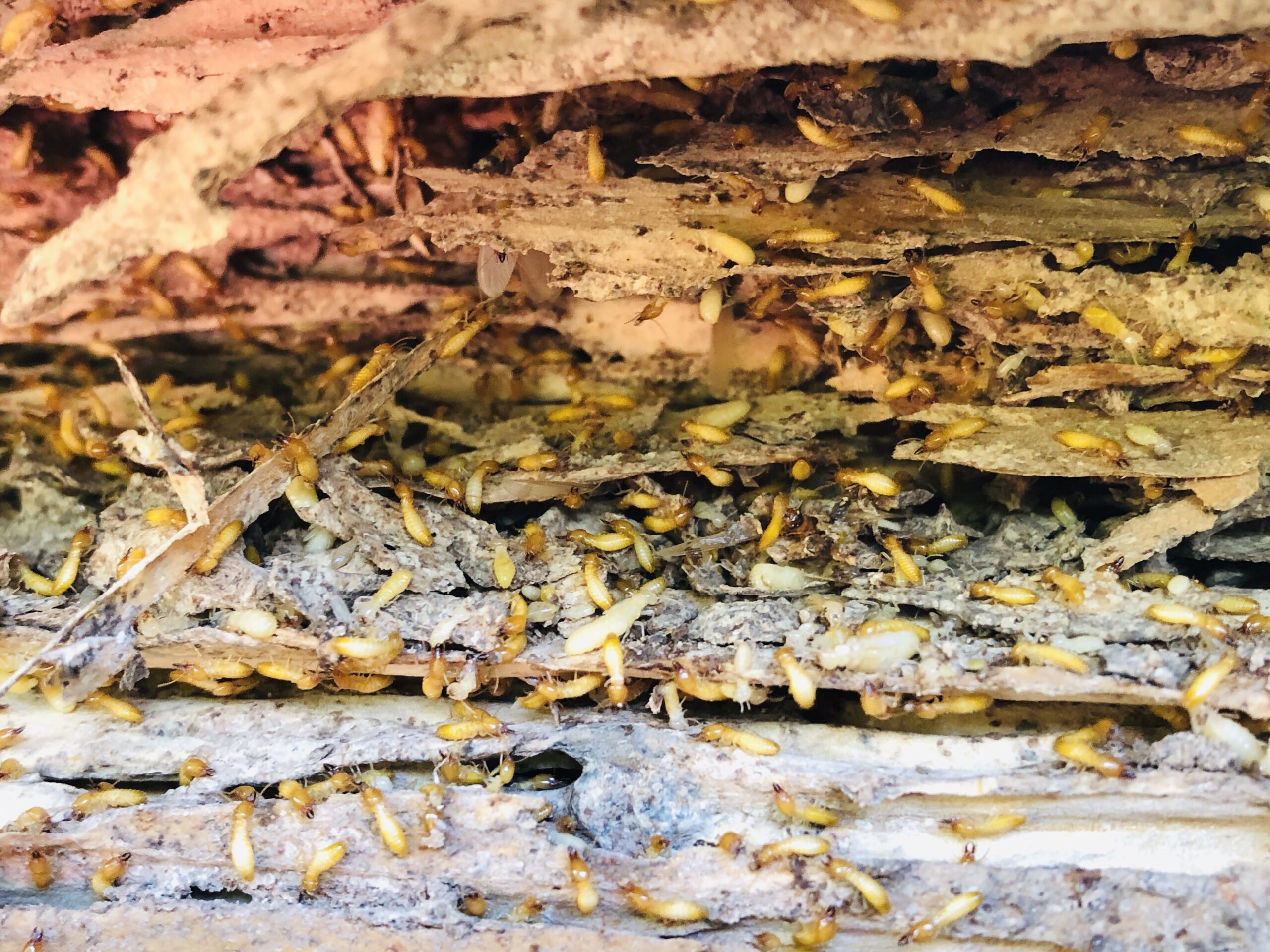
Once inside, worker termites begin tunneling. They hollow out the interior of the wood while meticulously preserving a thin exterior shell or "skin" to protect themselves from drafts, light, and predators. Because they consume the softer springwood growth rings while leaving the harder summerwood rings intact, the timber retains its outward appearance even as its internal density is reduced to a fragile honeycomb of empty channels.
3. Load Redistribution and Micro-Cracking
As framing members, floor joists, and wall studs lose their core density, the physics of the house changes. The structural load of the roof and upper floors must shift to remaining intact members. This uneven weight distribution causes micro-cracking in interior drywall, sagging rooflines, uneven floors, and doors or windows that begin to stick in their frames as doorjambs distort.
4. Ultimate Structural Collapse
Left unchecked, the cumulative loss of load-bearing capacity reaches a critical threshold. A severe infestation can reduce wall studs and floor joists to hollow paper-thin shells. When subjected to heavy snow loads, strong winds, or simply the normal weight of household occupants and furnishings, these compromised framing elements buckle, resulting in localized or total structural failure.
Comparison of Common Wood-Destroying Termite Species
| Termite Species | Primary Habitat | Preferred Moisture Level | Key Diagnostic Sign | Common Entry Method |
|---|---|---|---|---|
| Subterranean Termites | Underground soil or near moisture sources | High to moderate; requires constant soil contact | Mud tubes on foundations; hollowed mud-packed wood | Foundation cracks, utility gaps, direct wood-to-soil contact |
| Drywood Termites | Above-ground seasoned timber, attics, and furniture | Low; extracts moisture from wood and air | Frass (hard, pellet-like droppings) kicked out of small holes | Direct flight and infestation during seasonal swarms |
| Dampwood Termites | Decaying wood, damp forests, structural rot | Extremely high; requires chronic moisture | Large, smooth, clean galleries without mud packing | Direct contact with damp soil, leaky roofs, or plumbing |
Early Warning Signs and Diagnostic Indicators
Because termites operate hidden from view, detecting their presence requires vigilance and an understanding of subtle indicators. Recognizing these signs early can save tens of thousands of dollars in structural remediation costs.
- Mud Tubes: Subterranean termites build pencil-sized mud tubes on foundation walls, piers, and crawlspace supports. These tunnels protect workers as they travel between the soil and the wood framing of the home.
- Swarmers and Discarded Wings: During the spring or summer, mature colonies release winged reproductive termites (swarmers) to start new colonies. Finding piles of identical, shed wings near windowsills, light fixtures, or spiderwebs is a definitive sign of a nearby established colony.
- Hollow-Sounding Timber: Tapping on baseboards, doorframes, or subfloors with a screwdriver handle can reveal internal destruction. Wood that produces a dull, hollow thud has likely been compromised from the inside.
- Blistered or Sagging Paint: Wood framing dampened by termite activity or interior tunneling can cause paint or wallpaper to blister, wrinkle, or sag, mimicking water damage.
- Frass Accumulation: Drywood termites push accumulated fecal pellets out of tiny "kick-out" holes in infested wood. These droppings resemble small, hard, hexagonal mounds of sand or coffee grounds.
Prevention, Mitigation, and Professional Intervention
Protecting a home from termite destruction requires a combination of environmental modification, chemical barriers, and professional pest management strategies.
Eliminating favorable environmental conditions is the first line of defense. Property owners should ensure that all soil-to-wood contact is eliminated by maintaining a minimum six-inch clearance between structural timber and bare earth. Gutters, downspouts, and grading should direct rainwater away from the foundation to prevent damp soil conditions that attract subterranean species. Furthermore, firewood, lumber, and cellulose debris must be stored away from the exterior foundation wall, and all plumbing or roof leaks should be repaired immediately to deny dampwood termites the moisture they require.
When an active infestation is identified, over-the-counter retail sprays and consumer products are rarely sufficient to eradicate an entire colony, particularly when nests are located deep underground or within inaccessible wall voids. Professional pest control operators employ advanced techniques, including liquid termiticide soil treatments to create a continuous chemical barrier around the foundation, bait stations containing slow-acting insect growth regulators that foraging workers carry back to eliminate the queen and colony, and whole-structure fumigation for severe drywood termite infestations.
Frequently Asked Questions
Can homeowner insurance policies cover termite damage?
Standard homeowners insurance policies classify termite damage as preventable maintenance and gradual deterioration, meaning they almost universally exclude coverage for structural repairs caused by wood-destroying insects. Homeowners must rely on proactive prevention, regular professional inspections, and separate termite bond warranties or service agreements to offset potential repair costs.
How fast can termites destroy a home?
The rate of destruction depends on colony size, species, and environmental conditions. A mature subterranean termite colony containing hundreds of thousands of workers can consume approximately one foot of a standard two-by-four piece of lumber in a few months. Under optimal conditions, significant structural damage can occur within three to eight years of the initial infestation.
Are DIY termite treatments effective?
Do-it-yourself liquid sprays, powders, and bug bombs only kill termites exposed on the surface and fail to reach the main colony or subterranean nest. Effective termite eradication requires professional-grade equipment, specialized termiticides, and expert knowledge of building construction and termite biology to ensure total colony elimination.
What is the difference between termites and carpenter ants?
While both insects damage wood, their behaviors and physical traits differ significantly. Termites have broad waists, straight antennae, and equal-length wings, and they actually consume wood for food. Carpenter ants have pinched waists, elbowed antennae, and unequal-length wings; they do not eat wood but instead excavate galleries within timber to build nesting sites, depositing sawdust-like shavings called frass.
How often should a home be inspected for termites?
Industry standards and pest management professionals recommend having a comprehensive annual termite inspection, particularly in geographic regions with high subterranean or drywood termite pressure. Real estate transactions also typically require a Wood-Destroying Organism (WDO) inspection report prior to closing.
Next Actions for Property Owners
Homeowners concerned about termite vulnerability should immediately schedule a professional inspection with a licensed pest control operator to assess current risk levels. If no infestation is present, prioritize preventative grading adjustments, moisture control around the foundation, and annual monitoring. For properties with active infestations or suspected structural sagging, consult both a licensed exterminator to eradicate the colony and a structural engineer to evaluate whether framing members require reinforcement or replacement.
Image Gallery