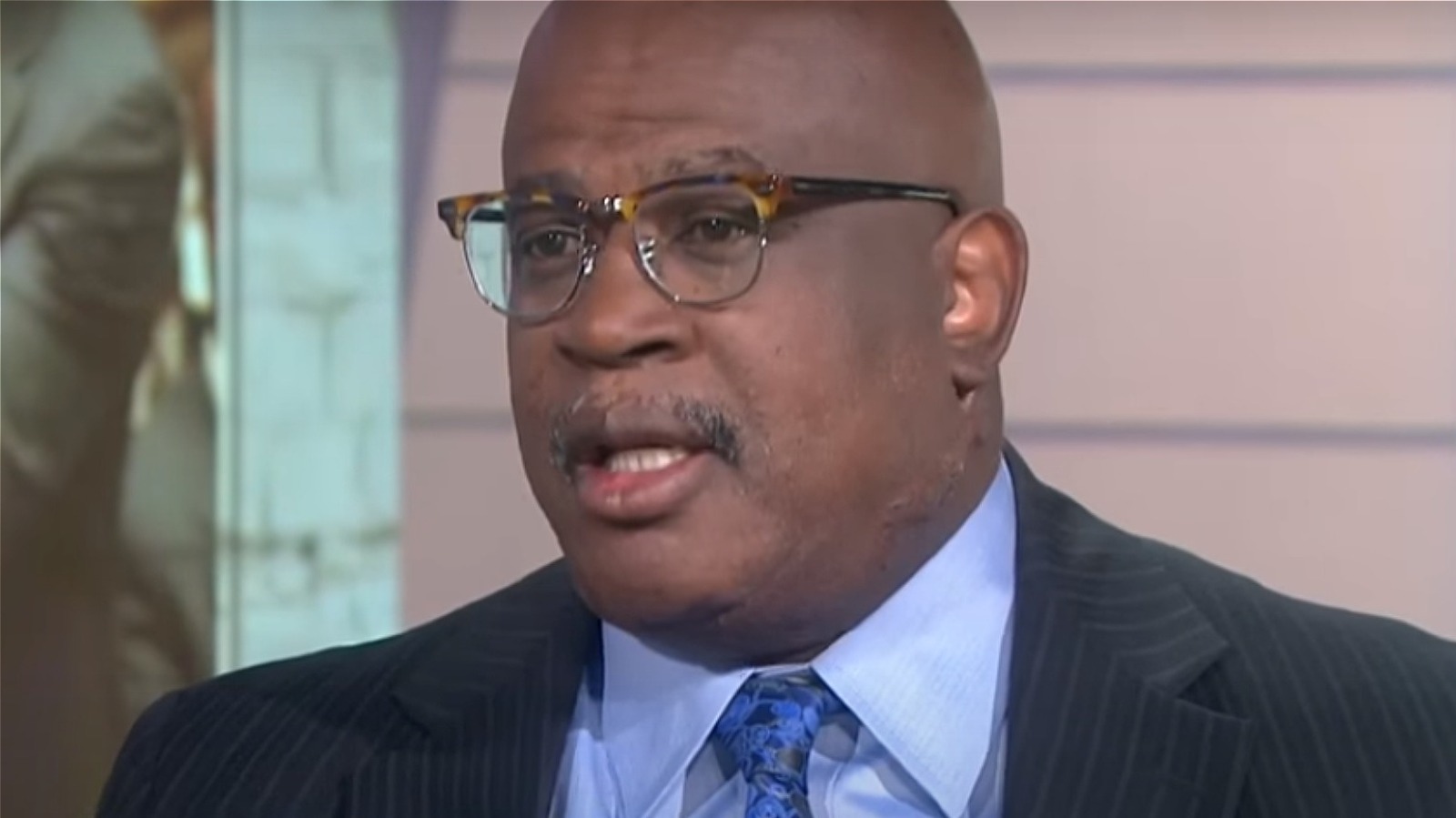
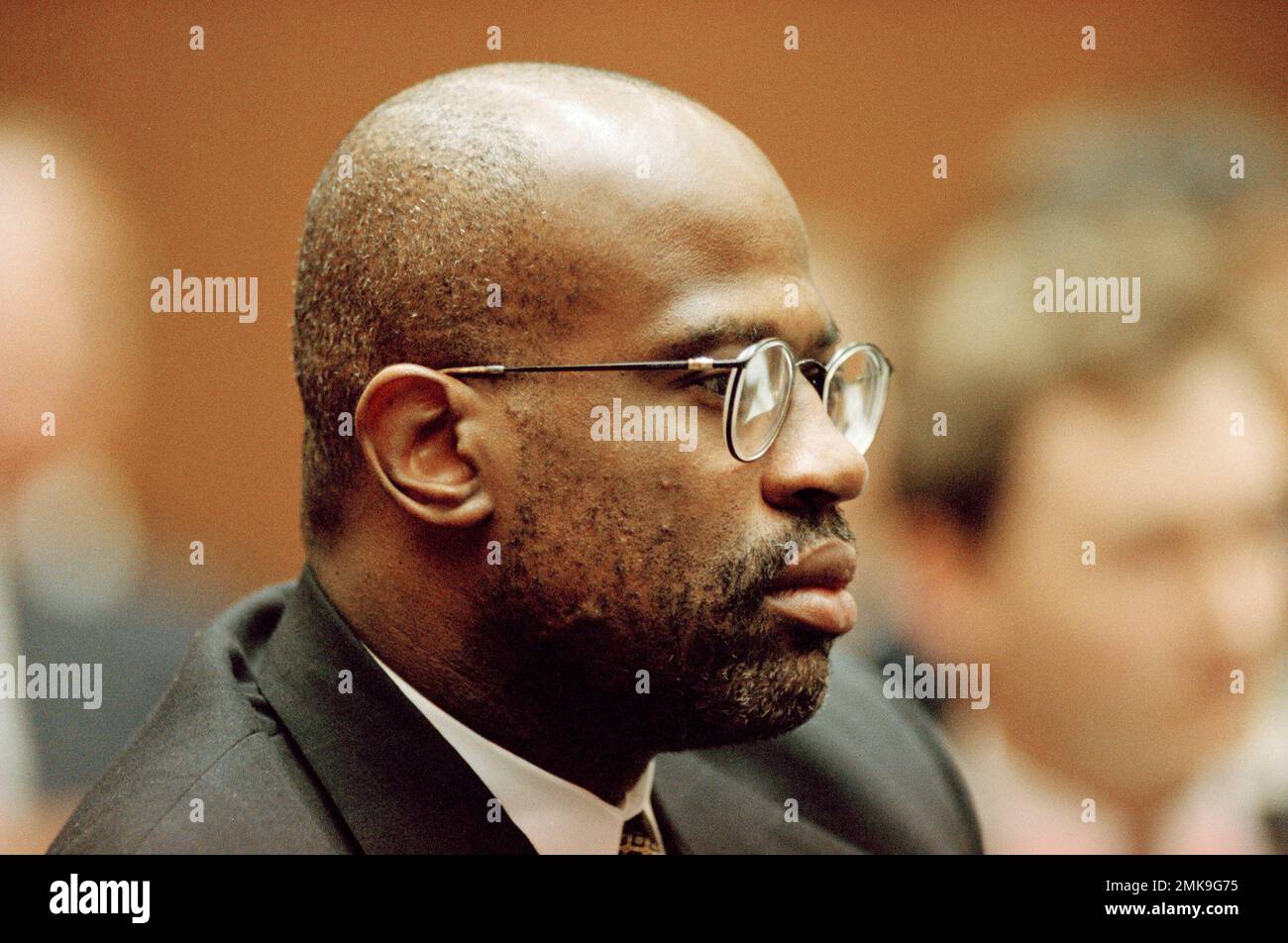
Why Attorney Christopher Darden Continues to Draw Public and Media Attention
Attorney Christopher Darden draws sustained public and media attention due to his central role in the 1995 O.J. Simpson murder trial, his subsequent career transformation from prosecutor to defense attorney, and his involvement in high...
Attorney Christopher Darden draws sustained public and media attention due to his central role in the 1995 O.J. Simpson murder trial, his subsequent career transformation from prosecutor to defense attorney, and his involvement in high-stakes, controversial cases. His journey highlights complex themes of trial strategy, legal ethics, media saturation, and race in the American justice system.
Contents
The Legal Legacy: The O.J. Simpson Trial and Its Enduring Shadow
To understand why Christopher Darden remains a prominent figure in legal and cultural discourse, one must examine his role in what was dubbed the "Trial of the Century." In late 1994, Darden joined lead prosecutor Marcia Clark on the Los Angeles County District Attorney's team prosecuting former football star O.J. Simpson for the murders of Nicole Brown Simpson and Ronald Goldman.
At the time, Darden was an experienced prosecutor with the District Attorney's Special Investigation Division, focusing on police misconduct and public corruption. Stepping into the national spotlight during the televised trial subjected Darden to unprecedented public scrutiny, turning a routine courtroom professional into a household name overnight.
- 1995: O.J. Simpson Trial
- Co-Lead Prosecutor
- 1996: Author & Academic
- "In Contempt" / Law Professor
- 1999–2023: Criminal Defense
- High-Profile Private Practice
- 2024–Present: Judicial Bench
- LA County Superior Court Judge
The Prosecutor's Dilemma and Racial Dynamics in 1990s Los Angeles
The Simpson trial unfolded in a city still recovering from the 1992 Los Angeles riots and decades of strained relations between the Los Angeles Police Department (LAPD) and the city's Black community. As a Black prosecutor representing the state, Darden faced immense personal and professional pressures.
- Public Polarization: Darden was frequently criticized by observers who viewed his participation as an effort by the prosecution to counter the racial composition of the defense team, led by Johnnie Cochran.
- Courtroom Clashes: The tactical clashes between Darden and Cochran became a focal point of the proceedings, illustrating how race, community trust, and law enforcement accountability intersected inside the courtroom.
- Personal Toll: Darden detailed the intense isolation and emotional strain of this period in his 1996 bestselling memoir, In Contempt, which helped cement his narrative in modern legal history.
The Infamous Glove Demonstration: A Pivotal Legal Moment
On June 15, 1995, Darden made one of the most debated tactical decisions in American legal history: asking Simpson to try on the leather gloves recovered from the crime scene and Simpson’s residence.
Simpson struggled to fit the gloves over his hands, leading directly to Cochran’s famous defense closing argument: "If it doesn't fit, you must acquit." Legal scholars and trial advocacy experts continue to analyze this moment as a classic case study in trial risk management. Demonstrating untested physical evidence live in front of a jury carries inherent risks, and Darden’s decision remains a fundamental lesson taught in law schools nationwide regarding witness examination and evidentiary demonstrations.
Transition from Prosecution to High-Stakes Criminal Defense
Following the acquittal of O.J. Simpson in October 1995, Darden resigned from the Los Angeles County District Attorney’s Office. He transitioned into academia, teaching criminal law at Southwestern Law School, and eventually established a private practice focusing on criminal defense and civil litigation.
| Career Phase | Primary Role | Key Notable Impact |
|---|---|---|
| 1980–1995 | LA County Assistant DA | Special Investigations & Simpson prosecution team co-counsel |
| 1996–1999 | Author & Educator | Published "In Contempt"; taught criminal law at Southwestern Law |
| 1999–2023 | Defense Attorney | Represented high-profile clients, including initial Nipsey Hussle murder defendant |
| 2024–Present | Superior Court Judge | Elected to LA County Superior Court Bench (Seat No. 130) |
Re-engineering a Legal Career in Private Practice
Moving from prosecution to criminal defense is common for veteran trial attorneys, but Darden’s transition attracted extra notice due to his high profile. Defense work requires a shift in legal mindset:
- From Burden of Proof to Constitutional Defense: Prosecutors must prove guilt beyond a reasonable doubt, whereas defense counsel ensures government adherence to constitutional guarantees, such as the Sixth Amendment right to counsel.
- Client Selection and Ethics: Private defense attorneys represent individuals accused of serious, often unpopular crimes. Under rule 1.2 of the California Rules of Professional Conduct, legal representation does not constitute an endorsement of the client’s political, economic, social, or moral views.
High-Profile Defense Cases and Public Backlash
Darden's private practice repeatedly placed him in the spotlight, most notably in April 2019 when he agreed to represent Eric Holder Jr., the man charged with the murder of beloved rapper and community activist Nipsey Hussle in Los Angeles.
Darden's decision to take the case triggered intense public reaction, including online harassment and direct death threats against Darden and his family. In May 2019, Darden officially withdrew from representing Holder, citing safety concerns for his family. This incident highlighted the public misunderstanding surrounding the legal defense process and demonstrated the severe personal challenges faced by attorneys taking on highly sensitive cases.
Pop Culture Portrayals and Media Resurgence
Public fascination with Darden has been sustained over the decades by television, documentaries, and pop culture retrospectives.
| Media / Format | Key Media Portrayals and Coverage |
|---|---|
| FX Series (2016) | "The People v. O.J. Simpson: American Crime Story"Portrayed by Sterling K. Brown (won Primetime Emmy Award) |
| ESPN Documentary (2016) | "O.J.: Made in America"Featured original interviews and archival prosecution footage |
| Literary Works | "In Contempt" (1996) and legal thrillers including "The Law of Mental Malpractice" |
Television Dramatizations and Public Re-evaluation
In 2016, the FX miniseries The People v. O.J. Simpson: American Crime Story brought Darden’s legal career back into national focus. Actor Sterling K. Brown portrayed Darden, earning an Emmy Award for his nuanced performance.
The series encouraged a public re-evaluation of Darden’s role in the 1995 trial:
- Nuance Over Headlines: Modern media treatments framed Darden not merely through the lens of a courtroom mistake, but as a dedicated attorney working within a complex legal and social structure.
- Focus on Professional Integrity: Contemporary documentaries, including ESPN’s Academy Award-winning O.J.: Made in America, offered viewers a broader understanding of the systemic challenges faced by the prosecution during the trial.
Authorship and Media Legal Commentary
Beyond dramatizations, Darden maintained a presence as a legal analyst and author. He co-authored several legal thrillers, including The L.A. Justice series, drawing on his experiences in the Southern California court system. His regular appearances as a commentator on major cable news networks during high-profile trials kept his voice active in national legal discussions.
Transition to the Judiciary: Election to the Bench
In March 2024, Christopher Darden entered a new chapter in his legal career by running for a judicial seat on the Los Angeles County Superior Court (Seat No. 130).
| Aspect | 2024 Judicial Campaign Highlights |
|---|---|
| Judicial Office Sought | Judge of the Superior Court, Los Angeles County (Seat 130) |
| Primary Qualifications Cited | 40+ years of criminal law experience as prosecutor, defense counsel, professor, and legal analyst |
| Key Endorsements Received | Bipartisan coalition of judicial officers, veteran defense attorneys, and former prosecution colleagues |
Darden’s move to join the bench reflected his long career in California's judicial system:
- Broad Legal Experience: Having spent decades as both a state prosecutor and a private defense practitioner, Darden brought a balanced perspective on courtroom procedure, evidentiary rules, and trial administration.
- Voter Endorsement: Winning election to the bench demonstrated that Los Angeles County voters valued his extensive courtroom experience over historical trial controversies, solidifying his role within the judiciary.
Professional Standards and Legal Ethics in High-Profile Advocacy
Disclaimer: The following section provides general legal educational analysis based on public court records and established rules of professional conduct. It does not constitute formal legal advice.
Darden’s career provides several practical insights into trial advocacy, legal ethics, and media management under intense public scrutiny.
1. Navigating Duty vs. Public Opinion
Attorneys are bound by rules of professional ethics that require zealous advocacy within the bounds of the law, regardless of public perception. Darden’s representation of controversial defendants shows how duty under the Sixth Amendment often conflicts with public opinion.
2. Managing Demonstration Risks in Court
The 1995 glove demonstration remains an essential case study in trial technique. Key lessons include:
- Rule of Preparation: Never ask a question or request a physical demonstration in front of a jury unless you know the precise outcome.
- Controlling Environmental Variables: Physical evidence (such as frozen or dried leather gloves) can change over time, altering fit and appearance unexpectedly.
3. Preserving Judicial Neutrality
Attorneys transitioning to judicial roles must show they can set aside advocacy and adopt strict impartiality. Darden’s varied background as both prosecutor and defense attorney provided a strong foundation for this transition, reassuring voters of his ability to oversee cases fairly.
Frequently Asked Questions
Why is Christopher Darden famous?
Christopher Darden gained initial international fame as a co-prosecutor alongside Marcia Clark in the 1995 O.J. Simpson murder trial. He drew widespread attention for his courtroom exchanges, his decision to have Simpson try on the crime scene gloves, and his position as a prominent Black prosecutor during a period of heightened racial tension in Los Angeles.
What happened during the glove demonstration in the O.J. Simpson trial?
On June 15, 1995, Darden requested that O.J. Simpson try on the blood-stained gloves linked to the murders of Nicole Brown Simpson and Ronald Goldman. Simpson appeared to struggle to put them on over rubber sanitary gloves, leading defense attorney Johnnie Cochran to coin the famous phrase, "If it doesn't fit, you must acquit." The moment is widely studied as a key lesson in trial advocacy.
Why did Christopher Darden step down from the Nipsey Hussle murder case?
In 2019, Darden was retained to represent Eric Holder Jr., the defendant accused of killing rapper Nipsey Hussle. Darden withdrew from the case after one month due to severe death threats directed at him and his family, highlighting the intense risks defense attorneys face when taking on high-profile, emotionally charged cases.
What is Christopher Darden doing today?
Following decades as a criminal defense attorney, law professor, and legal commentator, Darden ran for judicial office in 2024 and was elected as a Judge of the Los Angeles County Superior Court, serving on the bench in Southern California.
Did Christopher Darden write any books about his legal career?
Yes. Darden authored the bestselling 1996 memoir In Contempt, detailing his personal and professional experiences during the O.J. Simpson trial. He has also co-authored several legal fiction novels based on the Southern California criminal justice system.
Practical Takeaways for Legal Professionals and Observers
Christopher Darden’s long career offers valuable insights into modern legal practice:
- Prioritize Risk Management in Advocacy: Avoid unverified or unscripted physical demonstrations during jury trials.
- Uphold Sixth Amendment Rights: Recognize that every accused individual has a constitutional right to legal representation, regardless of public reaction.
- Separate Personal Identity from Client Representation: Maintain clear professional boundaries to protect both legal integrity and personal safety when handling sensitive, media-heavy cases.
- Leverage Diverse Legal Experience: Exposure to both prosecution and defense work builds a comprehensive understanding of criminal procedure, preparing legal professionals for leadership and judicial roles.
Image Gallery