What Is the Best Auto Insurance Liability Coverage Only?
The best auto insurance liability coverage only option is a policy with limits of $100,000 per person for bodily injury, $300,000 per accident for bodily injury, and $100,000 for property damage (100/300/100). While state minimum limit...
The best auto insurance liability coverage only option is a policy with limits of $100,000 per person for bodily injury, $300,000 per accident for bodily injury, and $100,000 for property damage (100/300/100). While state minimum limits are cheaper, they leave personal assets exposed to severe financial risk in major accidents.
Contents
Understanding Liability-Only Auto Insurance
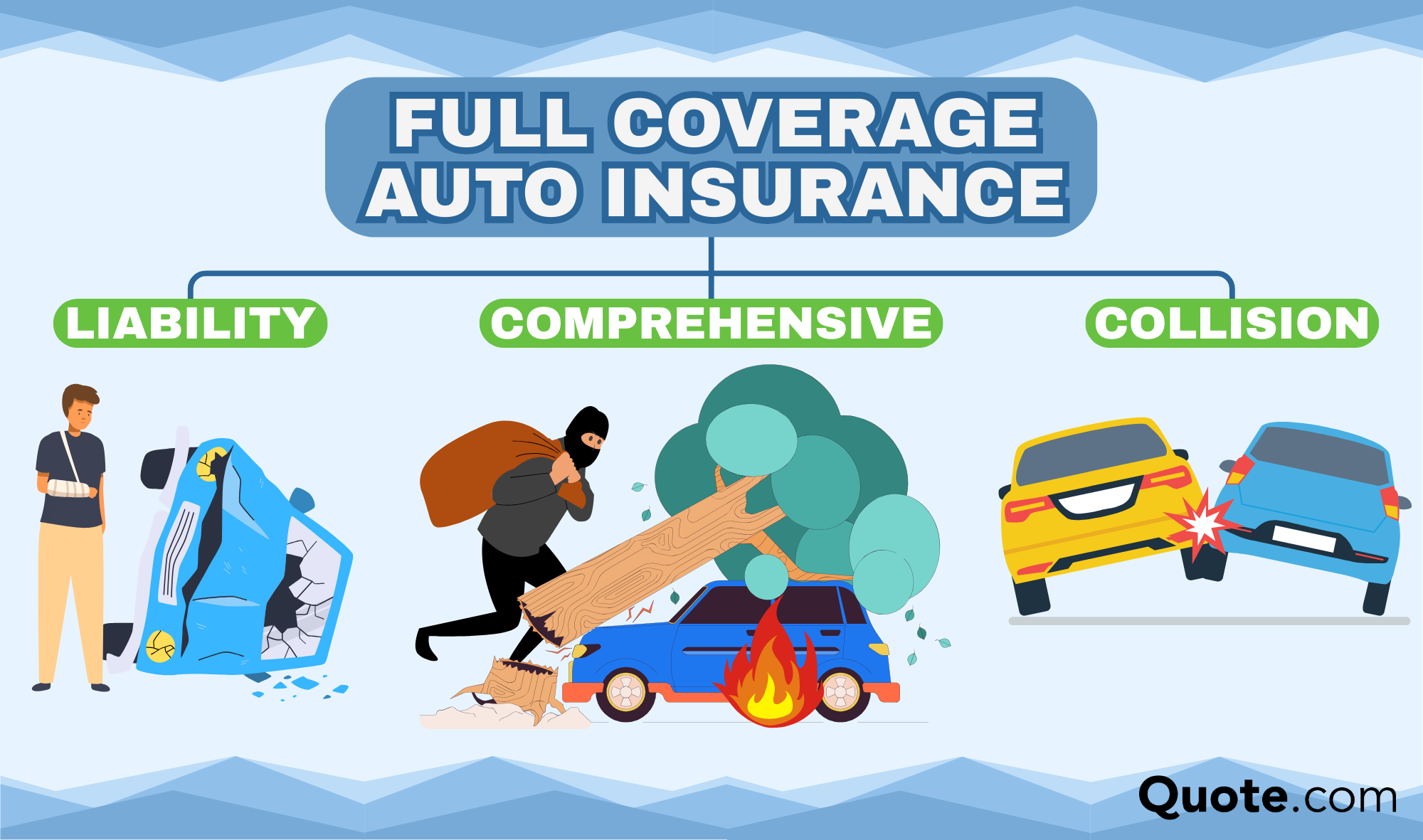
Liability-only auto insurance is a streamlined car insurance policy designed to cover the injuries and property damage you cause to other people in an auto accident. Unlike "full coverage" policies—which combine liability protection with collision and comprehensive coverages—liability insurance does not pay for damage to your own vehicle or cover your personal injury expenses unless specific optional endorsements are attached.
State auto insurance regulations almost universally mandate liability coverage to ensure drivers can take financial responsibility for accidents they cause. According to the Insurance Information Institute, liability coverage is broken down into two distinct categories:
- Bodily Injury Liability (BI): Pays for medical expenses, emergency trauma care, lost income, physical therapy, and legal defense fees associated with injuries or deaths caused by your vehicle to third parties (drivers, passengers, pedestrians).
- Property Damage Liability (PD): Covers costs to repair or replace third-party property damaged in a collision. This includes other vehicles, private infrastructure (fences, structures), and public property (utility poles, guardrails).
When you purchase liability-only auto insurance, you intentionally decline collision coverage (which pays for your car's repairs after a crash) and comprehensive coverage (which covers theft, vandalism, weather damage, and animal strikes). Choosing liability-only coverage significantly reduces monthly premium payments, but it transfers the risk of repairing or replacing your car entirely onto your personal savings.
Why State Minimum Liability Limits Are Rarely Enough
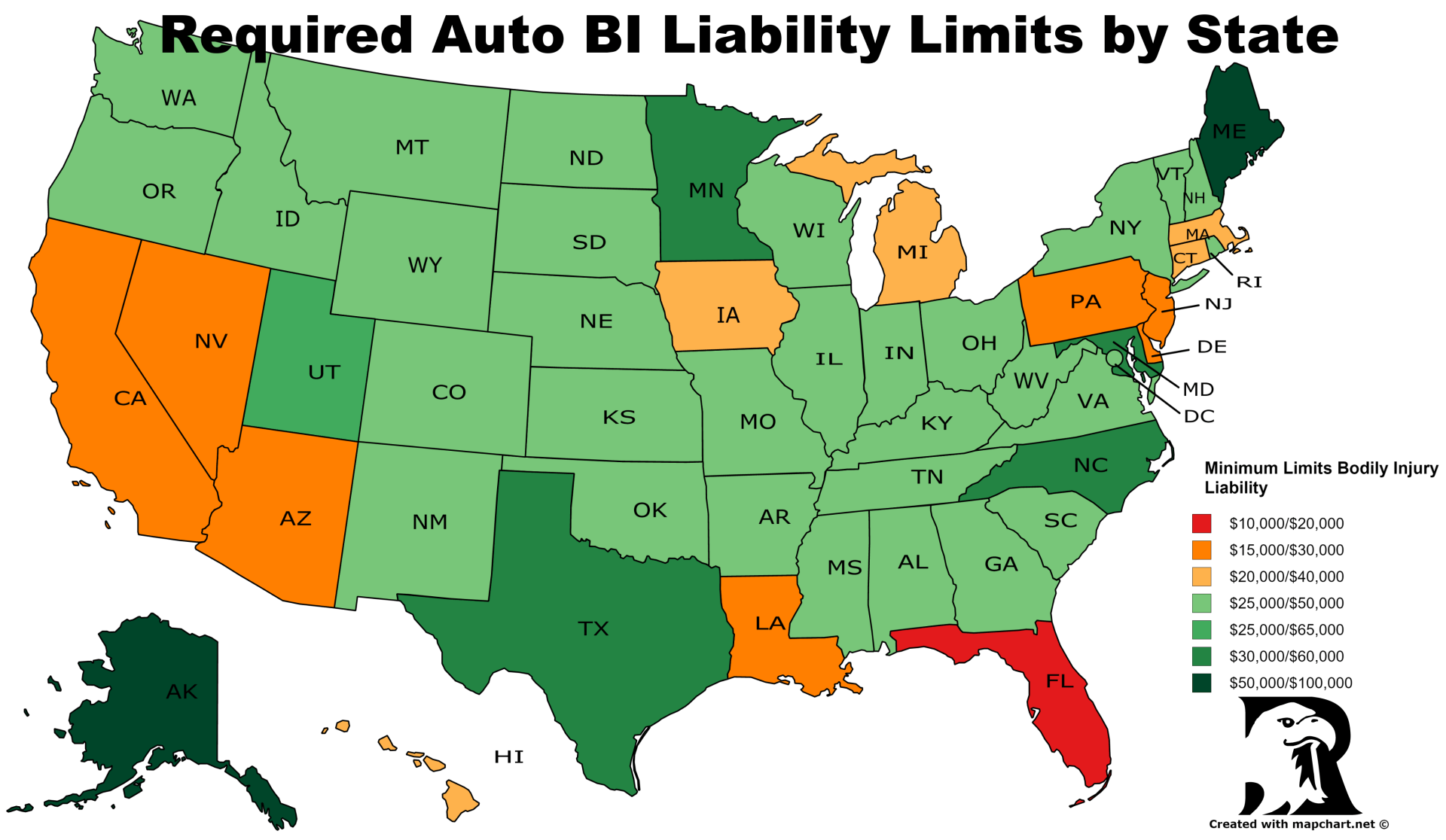
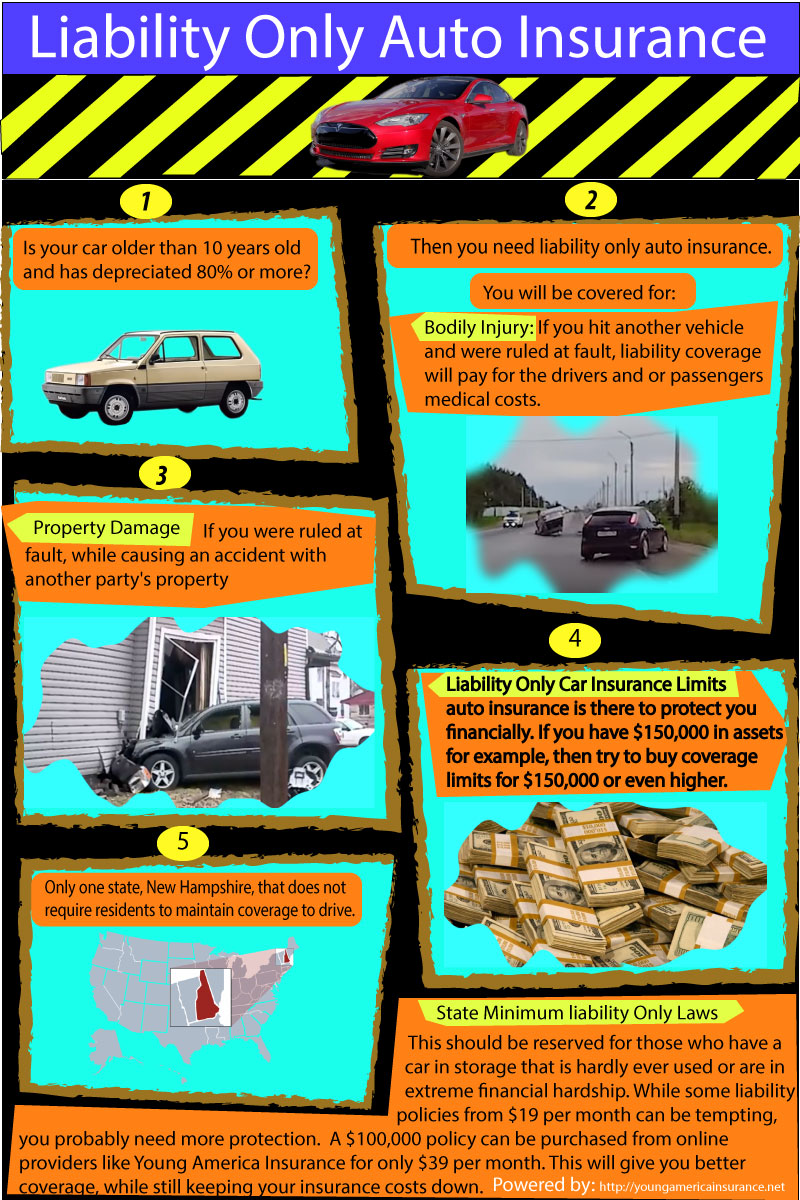
Every state (with rare exceptions like New Hampshire, which requires proof of financial responsibility instead) sets statutory minimum liability insurance requirements. For example, a state might establish minimum limits represented by the numbers 25/50/25:
- $25,000 for bodily injury per person
- $50,000 for bodily injury per accident total across all injured parties
- $25,000 for property damage per accident
While purchasing state minimum liability fulfills legal mandates to register a vehicle, relying on minimum limits is one of the most dangerous financial errors a driver can make. Modern medical care costs and rising vehicle values mean even a minor multicar collision can easily breach minimum coverage thresholds.
| Accident Damage Exposure Example | Amount |
|---|---|
| Total Third-Party Medical + Vehicle Damage | $85,000 |
| State Minimum Insurance Limit (e.g., 25/50/25 PD Limit) | $25,000 |
| OUT-OF-POCKET PERSONAL LIABILITY | $60,000 (Driver is personally liable for the deficit) |
If your liability policy limits are exhausted during a claim, the injured party or their insurer can sue you personally for the remaining balance. Courts can issue judgments requiring the liquidation of savings, wage garnishment, or liens placed on real estate assets.
Data published by the National Association of Insurance Commissioners (NAIC) underscores that severe accidents consistently exceed basic $25,000 or $50,000 thresholds, making higher liability limits an essential financial protective shield.
Recommended Liability-Only Coverage Levels
Selecting the best liability-only coverage requires balancing affordable premium payments against comprehensive asset protection. Insurance underwriters structure policies using either Split Limits or a Combined Single Limit (CSL).
1. The Standard Recommended Benchmark: 100/300/100
For the average driver maintaining a liability-only policy, the industry-standard recommendation is 100/300/100:
- $100,000 Bodily Injury per person
- $300,000 Bodily Injury per accident
- $100,000 Property Damage per accident
This policy structure offers broad protection against modern claim realities. With luxury vehicles and pickup trucks frequently costing over $50,000, a $100,000 property damage limit protects against total-loss collisions or multi-vehicle pileups. Similarly, a $300,000 total bodily injury cap cushions against severe trauma care expenses for multiple victims.
2. High-Asset Benchmark: 250/500/100 (or Umbrella Integration)
If you own a home, hold sizable personal savings, or have investment portfolios, minimum or standard limits remain insufficient. Wealthier policyholders opting for liability-only coverage on older secondary vehicles should select 250/500/100 limits:
- $250,000 Bodily Injury per person
- $50,0000 Bodily Injury per accident
- $100,000 Property Damage per accident
Maintaining high auto liability limits (typically at least 250/500/100) is also a mandatory prerequisite if you plan to attach a master Personal Umbrella Policy (PUP). An umbrella policy provides an additional $1,000,000 or more in excess liability protection over your auto and homeowners insurance at very affordable annual rates.
3. Combined Single Limit (CSL) Alternative
Some carriers offer a Combined Single Limit policy (such as a $300,000 CSL) instead of split limits. A CSL provides one total lump-sum dollar amount that applies dynamically across bodily injury, property damage, or both in a single incident. CSL policies eliminate arbitrary sub-limits (e.g., running out of property damage funding while bodily injury funds remain unused), offering superior flexibility during complex liability claims.
Strategic Comparison of Liability Limits
The following table compares common liability limit tiers to help you decide which structure aligns with your household budget and risk tolerance.
| Coverage Tier | Split Limits (BI Per Person / BI Per Accident / PD) | Relative Monthly Cost | Asset Protection Level | Best Suited For |
|---|---|---|---|---|
| State Minimum | Typically 15/30/10 to 25/50/25 (varies by state) | Lowest | Extreme Risk (Severe Asset Exposure) | Drivers with no home, no savings, and severe budget constraints |
| Basic Mid-Tier | 50/100/50 | Low to Moderate | Moderate Risk | Renters with minimal savings driving low-value vehicles |
| Standard Recommended | 100/300/100 | Moderate | High Protection (Optimal Balance) | Average household seeking strong protection without excess cost |
| High Protection | 250/500/100 | Moderately High | Very High Protection | Homeowners, investors, or drivers integrating Personal Umbrella Policies |
| Combined Single | $300,000 Combined Single Limit (CSL) | Moderate to High | Maximum Flexibility | Drivers seeking pooled financial protection across injuries and property |
When Should You Switch to Liability-Only Coverage?
Dropping collision and comprehensive coverages to convert your auto policy to liability-only is a recognized personal finance strategy for lowering fixed vehicle costs. However, it is only appropriate under specific financial conditions.
- Is your vehicle financed/leased?
- YES: MUST RETAIN FULL COVERAGE (Required by Lienholder)
- NO: Apply 10% Rule & Value Assessment
- Cost > 10% Value: SWITCH TO LIABILITY-ONLY
- Cost < 10% Value: RETAIN FULL COVERAGE
1. You Own the Vehicle Free and Clear
If your vehicle is financed or leased, the lienholder or leasing company will contractually mandate collision and comprehensive insurance to protect their financial stake in the asset. You can only switch to a liability-only policy if you hold the legal title (no outstanding auto loan).
2. The 10% Rule of Car Value
A widely respected insurance standard holds that if the annual cost of comprehensive and collision coverages exceeds 10% of the vehicle’s fair market value, full coverage is no longer cost-effective.
To calculate this for your vehicle:
- Determine your vehicle's private-party trade-in value using resources like Kelley Blue Book or NADA Guides.
- Subtract your policy deductible (e.g., $500 or $1,000) from the car's current market value to establish the maximum potential insurance payout.
- Compare the optional comprehensive and collision premium costs against that maximum payout.
Example: If your 14-year-old sedan is worth $3,000, and you carry a $1,000 collision deductible, the maximum net check an insurance carrier will issue if the car is totaled is $2,000 ($3,000 value minus $1,000 deductible). If comprehensive and collision coverages cost $450 per year on that vehicle, you are paying 22.5% of the maximum potential insurance recovery every year. Switching to liability-only is clearly advantageous in this scenario.
3. You Have an Accessible Emergency Fund
A liability-only policy means that if your car is wrecked in an at-fault accident, damaged by weather, or stolen, you will receive zero financial compensation from your insurance company. You should only drop physical damage coverages if you maintain an emergency liquid savings fund capable of paying for immediate car repairs or purchasing a replacement vehicle without triggering financial hardship.
Essential Optional Coverages to Pair with Liability Only
A liability-only policy strictly protects other people. However, you can add key low-cost endorsements to a liability-only foundation to protect yourself and your passengers without re-adding expensive collision or comprehensive physical damage coverages.
Uninsured / Underinsured Motorist (UM / UIM)
According to national insurance statistics, roughly 1 in 8 drivers on American roads operates a vehicle without liability insurance. If an uninsured or underinsured driver crashes into your vehicle, your standard liability coverage will not pay for your medical treatment or vehicle repairs.
Adding Uninsured Motorist Bodily Injury (UMBI) and Uninsured Motorist Property Damage (UMPD) matches your liability policy limits to cover your medical costs and car repairs when hit by a hit-and-run driver or an uninsured motorist. Many states mandate UM/UIM endorsements unless rejected in writing.
Medical Payments (MedPay) or Personal Injury Protection (PIP)
Regardless of who is at fault in an accident, MedPay or PIP covers immediate medical care, hospital bills, emergency transportation, and (under PIP) lost wages for you and your passengers:
- MedPay covers direct medical and funeral expenses resulting from an auto accident.
- PIP (required in "No-Fault" insurance states like Florida, New York, and Michigan) offers broader coverage, including wage replacement, household assistance, and medical care.
Roadside Assistance and Towing
Since liability-only policies do not cover mechanical breakdowns or collisions that disable your vehicle, adding low-cost towing and roadside assistance endorsements (often under $20 per year) prevents unexpected, expensive out-of-pocket flatbed towing charges if your car breaks down.
Top Insurance Companies for Liability-Only Coverage
When shopping for liability-only policies, pricing structures vary substantially based on carrier underwriting models. Comparing quotes across major national insurers yields the best rates:
- State Farm: Consistently ranks high for customer satisfaction, competitive liability rates, and strong regional agent support. Excellent option for bundling auto with homeowners or renters insurance to lower overall costs.
- Geico: Often delivers some of the lowest baseline rates for liability-only policies due to its direct-to-consumer digital model and extensive discount portfolio (government, military, professional associations).
- Progressive: Features robust online quote-matching tools like the Name Your Price® tool. Provides competitive rates for drivers with past traffic violations or accidents who require high liability limits.
- Auto-Owners Insurance: Frequently recognized by regulatory satisfaction surveys for low dispute rates and excellent regional customer service, though availability is limited to select states.
- USAA: Exclusively available to active-duty military, veterans, and their eligible family members. USAA consistently delivers industry-leading customer service rankings and exceptionally low premiums for liability coverage.
How to Lower Premiums on Recommended Liability Limits
If upgrading your liability limits from state minimums to 100/300/100 increases your monthly cost, use these proven strategies to lower your overall rate:
- Leverage Telematics / Usage-Based Insurance (UBI): Enrolling in driver-monitoring programs (e.g., Progressive Snapshot, State Farm Drive Safe & Save) allows insurers to evaluate your actual driving habits—such as braking, speed, and mileage—potentially yielding discounts of 10% to 30%.
- Bundle Policies: Combining your liability-only auto policy with your renters, condo, or homeowners insurance generates multi-policy discounts that often offset the extra cost of higher liability limits.
- Maintain Continuous Coverage: Avoid any coverage gaps. Insurers view gaps in car insurance history as high-risk indicators, raising rates substantially when you purchase a new policy. Keeping continuous liability coverage for at least six to twelve months unlocks lower rate tiers.
- Complete a Defensive Driving Course: Many state insurance departments mandate mandatory premium discounts (often 5% to 10% for three years) for drivers who complete an accredited accident-avoidance or defensive driving course.
Common Mistakes to Avoid
When structuring a liability-only car insurance policy, avoid these common traps:
- Choosing state minimums to save small amounts: Moving from state minimum liability (e.g., 25/50/25) up to robust limits (100/300/100) often costs only $10 to $25 more per month, while expanding your legal protection by hundreds of thousands of dollars.
- Assuming liability covers hit-and-runs: Standard liability-only coverage pays nothing if your parked vehicle is struck by a hit-and-run driver. You must carry Uninsured Motorist Property Damage (UMPD) or collision coverage to cover hit-and-run damage to your car.
- Forgetting to update your policy as assets grow: As your personal net worth increases through home equity or savings growth, your liability limits must increase accordingly to protect those assets from court judgments.
Frequently Asked Questions
What does "liability-only" auto insurance cover?
Liability-only insurance pays strictly for third-party bodily injuries and property damage that you are legally responsible for causing in a motor vehicle accident. It covers medical bills, lost wages, vehicle repairs, and legal defense costs for the other parties involved. It does not cover damage to your own car or your own personal injuries unless optional endorsements (like MedPay or PIP) are added.
Is 100/300/100 liability coverage enough for most drivers?
Yes, 100/300/100 ($100k bodily injury per person / $300k bodily injury per accident / $100k property damage) is widely considered the ideal baseline policy limit for average drivers. It provides enough financial cushion to handle most modern multicar crashes and medical claims without exposing personal savings or home equity to legal garnishment.
Will liability-only insurance cover my vehicle if someone hits me?
If another driver is at fault for the accident, their bodily injury and property damage liability insurance will pay for your repairs and medical costs. However, if the at-fault driver is uninsured, underinsured, or flees the scene, your standard liability-only policy will not pay for your vehicle repairs unless you carry Uninsured Motorist Property Damage (UMPD).
How much can I save by switching from full coverage to liability only?
Switching to liability-only by dropping comprehensive and collision coverages typically reduces auto insurance premiums by 30% to 50% or more. Exact savings depend on your vehicle's make, model, age, driver location, and your previous physical damage deductibles.
Can I get liability-only insurance on a financed car?
No. Lenders and leasing companies require borrowers to maintain active collision and comprehensive coverages for the entire duration of the auto loan or lease contract. This protects the financial institution's financial stake in the vehicle.
Final Recommendation: Next Actions
If you own your vehicle free and clear and your car's market value makes physical damage insurance unviable, transitioning to liability-only auto insurance is a smart financial move.
To maximize your protection while minimizing premium expense:
- Request quotes for 100/300/100 liability limits rather than settling for legally mandatory state minimums.
- Add Uninsured/Underinsured Motorist (UM/UIM) coverage to guard against irresponsible drivers.
- Verify your liquid emergency fund balance to ensure you can quickly repair or replace your vehicle out-of-pocket if an accident occurs.
Disclaimer: This article provides general insurance and financial educational material. Auto insurance regulations, mandatory limits, and coverage options vary by state and jurisdiction. Consult a licensed insurance professional or financial advisor to review your personal coverage requirements.
Image Gallery