Getting an Auto Insurance Quote on a Rental Car: A Comprehensive Guide
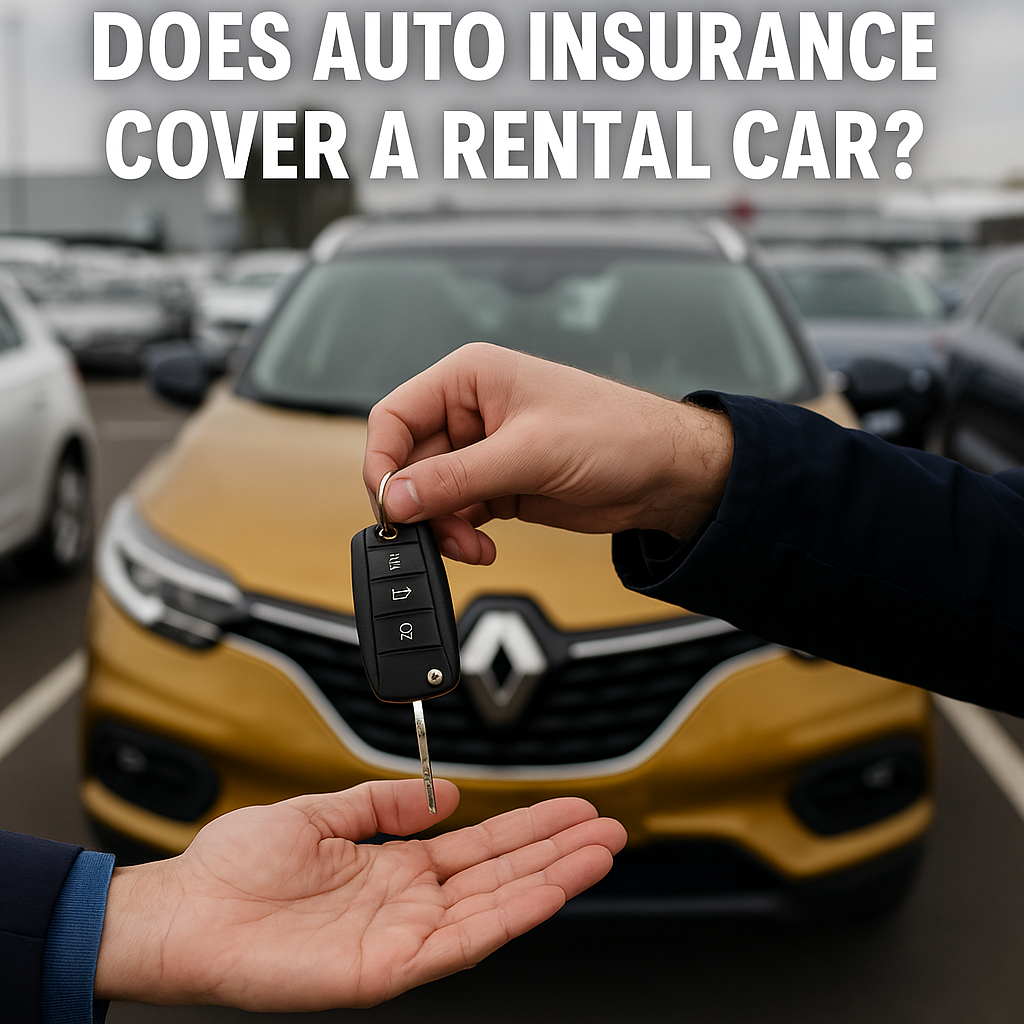
To get an auto insurance quote for a rental car, you must first determine if your existing personal auto policy or credit card provides coverage. If not, you can obtain a quote directly from the rental agency’s website or counter, or p...
To get an auto insurance quote for a rental car, you must first determine if your existing personal auto policy or credit card provides coverage. If not, you can obtain a quote directly from the rental agency’s website or counter, or purchase standalone third-party rental insurance, which typically costs between $10 and $40 per day depending on the level of protection selected.
Contents
Navigating the complexities of rental car insurance can be daunting, especially when standing at a rental counter with a line of people behind you. Understanding how to get an accurate quote—and knowing whether you even need one—requires a deep dive into your existing coverage, the specific products offered by rental companies, and the third-party alternatives available in 2026. This guide breaks down the technical aspects of rental insurance quotes to ensure you are neither underinsured nor overpaying for redundant coverage.
Understanding Your Primary Coverage Sources
Before seeking a new quote, it is essential to evaluate the insurance you already pay for. For many drivers, a "rental car insurance quote" is actually $0 because their current resources provide sufficient protection.
Personal Auto Insurance Policies
If you own a vehicle and carry a personal auto insurance policy, your coverage usually extends to a rental car, provided you are renting for personal use and not for business. This is often referred to as "non-owned auto" coverage.
- Liability Coverage: If you have high liability limits on your personal car, those same limits typically apply when you are driving a rental. This covers damage you cause to others.
- Comprehensive and Collision: If you carry "full coverage" on your own vehicle, it generally transfers to the rental car. However, there is a catch: you are still responsible for your personal policy’s deductible. Furthermore, most personal policies will only cover a rental car up to the cash value of your own vehicle. If you drive an older sedan but rent a brand-new luxury SUV, your personal policy might leave a significant gap.
Credit Card Rental Benefits
Many premium credit cards offer "Rental Car Collision Damage Waiver" (CDW) benefits. When you use a qualifying card to pay for the entire rental and decline the rental company's CDW, the card issuer provides coverage for damage or theft.
It is vital to distinguish between primary and secondary coverage. Secondary coverage, the most common type, only kicks in after your personal auto insurance has paid its limit. Primary coverage, found on high-end travel cards, pays first, allowing you to avoid filing a claim with your personal insurer and potentially seeing your premiums rise.
How to Get a Quote from the Rental Agency
When you book a vehicle through a provider like Enterprise, Hertz, or Avis, the quote for the vehicle itself is separate from the insurance quote. The insurance portion is typically presented as a series of daily add-ons.
The Four Standard Coverage Options
Rental agencies usually offer four distinct types of protection. To get an accurate total quote, you must decide which of these you require:
- Loss Damage Waiver (LDW) / Collision Damage Waiver (CDW): This is not technically insurance but a "waiver" that states the rental company will not hold you responsible for damage to or theft of the vehicle. In 2026, quotes for LDW typically range from $20 to $35 per day.
- Supplemental Liability Insurance (SLI): This increases your liability limits, often up to $1 million. This is crucial if you do not have a personal auto policy or if your personal limits are low (e.g., state minimums). Quotes usually range from $10 to $15 per day.
- Personal Accident Insurance (PAI): This covers medical costs for you and your passengers after an accident. If you have robust health insurance, this is often redundant. Quotes are generally $5 to $9 per day.
- Personal Effects Coverage (PEC): This protects your personal belongings inside the car from theft. If you have homeowners or renters insurance, your "off-premises" coverage likely already handles this. Quotes are approximately $2 to $5 per day.
Third-Party Rental Insurance Quotes
An increasingly popular way to secure a rental car insurance quote is through third-party providers. Companies like Allianz Global Assistance, Bonzah, or RentalCover.com provide standalone policies that are often significantly cheaper than the rental desk's offerings.
Why Choose Third-Party Quotes?
Third-party providers typically offer a flat daily rate that covers the vehicle’s full value against damage and theft. In 2026, these quotes often sit between $9 and $15 per day.
The primary advantage is cost. However, the disadvantage is the claims process. If you damage the car, the rental agency will charge your credit card immediately for the repairs. You must then file a claim with the third-party insurer to be reimbursed. In contrast, if you buy the rental agency’s own LDW, you can usually just "walk away" from the damaged vehicle without an immediate financial hit.
Cost Comparison of Insurance Sources (Estimated 2026 Rates)
The following table compares the typical costs and coverage levels associated with different ways to insure a rental car.
| Source | Estimated Daily Cost | Coverage Type | Key Advantage | Key Disadvantage |
|---|---|---|---|---|
| Personal Auto Policy | Included in Premium | Full (Liability/Physical) | No extra daily cost | Claim affects personal rates |
| Credit Card (Primary) | $0 (Annual Fee) | Collision/Theft only | Doesn't affect personal rates | No liability coverage |
| Rental Agency (Full) | $40 - $60 | Comprehensive Suite | Zero-hassle "Walk Away" | Most expensive option |
| Third-Party Insurer | $9 - $15 | Collision/Theft | Significant cost savings | Requires reimbursement process |
Factors That Influence Your Quote
Just like standard car insurance, rental insurance quotes are not static. Several technical factors can drive the price up or down.
Vehicle Class
The "Loss Damage Waiver" quote for a subcompact economy car will be much lower than the quote for a high-performance sports car or a 15-passenger van. Insurers and rental agencies calculate the "replacement cost" of the asset. If you are renting a vehicle with a market value over $50,000, expect your insurance quotes to increase by 50% or more.
Jurisdiction and Location
Insurance regulations vary by state and country. For example, in some international locations (like Italy or Mexico), certain types of insurance are mandatory and will be bundled into your base quote automatically. In the United States, quotes are often higher in high-traffic urban areas or tourist hubs like Orlando or Las Vegas due to the higher statistical probability of accidents.
Duration of Rental
While most quotes are provided as a daily rate, some third-party insurers offer weekly or monthly "bundles" that reduce the per-day cost. If you are renting a car for more than 14 days, always ask for a long-term insurance quote, as it may be more economical than the standard daily "counter" rate.
Technical Nuances: Loss of Use and Diminution of Value
One of the most important reasons to scrutinize an insurance quote is to check for "Loss of Use" coverage. Many personal auto policies do not cover this fee.
When a rental car is in the shop being repaired, the rental company loses the daily revenue they would have earned from that vehicle. They will bill you for this "Loss of Use." Additionally, they may bill you for "Diminution of Value," which is the decrease in the car’s resale value because it now has an accident history.
When getting a quote for a Collision Damage Waiver (CDW) from a rental agency, these fees are almost always waived. However, if you rely on your personal policy, you might find yourself with a $500 bill for "Loss of Use" that your insurance company refuses to pay.
How to Get the Best Quote: A Step-by-Step Action Plan
- Call your insurance agent: Ask specifically: "Does my policy cover a rental car for loss of use and administrative fees?"
- Check your credit card terms: Look for the "Guide to Benefits" for your specific card. Verify if the coverage is primary or secondary.
- Search third-party sites: Enter your travel dates into a site like Allianz Assistance to get a baseline "economy" insurance quote.
- Simulate a booking: Go to the rental agency’s website and proceed to the final checkout page (without paying) to see the exact daily cost of their LDW and SLI.
- Compare and Select: If the price difference between third-party and the rental desk is less than $10/day, the convenience of the rental desk’s "walk-away" coverage often outweighs the savings.
Frequently Asked Questions
Can I get a rental car insurance quote if I don't own a car?
Yes. If you do not have personal auto insurance, you must obtain insurance elsewhere. Your best options are buying the rental agency's Supplemental Liability Insurance (SLI) and Loss Damage Waiver (LDW), or purchasing a "Non-Owner Auto Insurance" policy if you rent cars frequently. A non-owner policy provides liability coverage and can be more cost-effective for frequent travelers.
Does my quote cover me if I drive into another country?
Usually, no. Most U.S.-based personal policies and credit card benefits only apply to the U.S. and Canada. If you are driving from the U.S. into Mexico, or renting a car in Europe, you will likely need a specific international insurance quote. Mexico, in particular, requires liability insurance from a Mexican-authorized insurer.
Is the "Loss Damage Waiver" the same as insurance?
Technically, no. A Loss Damage Waiver (LDW) is a contractual agreement where the rental company agrees to waive its right to collect damages from you. Insurance is a policy provided by an underwriter. For the consumer, the result is the same—financial protection—but the legal mechanisms and regulations governing them differ.
Will my insurance quote be higher if I am under 25?
While the insurance product itself might not change in price, the rental agency will often apply a "Young Renter Fee," which can effectively double the cost of your rental. Some insurance-related fees may also be higher because younger drivers are statistically higher-risk.
Does a rental insurance quote cover additional drivers?
Only if they are officially listed on the rental agreement. If an unlisted driver is behind the wheel during an accident, almost all insurance—including the rental agency's own LDW—will be voided. Always ensure every potential driver is included in the quote.
Final Recommendation
For most travelers in 2026, the most balanced approach is to use a credit card that offers primary collision coverage and rely on their personal auto policy for liability. This setup provides comprehensive protection without the high daily costs of the rental counter. However, if you are concerned about your personal insurance rates rising or if your policy has a high deductible, paying for the rental agency's Loss Damage Waiver (LDW) is the only way to ensure a truly "no-strings-attached" experience in the event of an accident.
Image Gallery