What Is the Universal Life Insurance Policy Face Value?
The universal life insurance policy face value represents the guaranteed minimum amount of money paid to designated beneficiaries upon the insured's death. As a core component of permanent life insurance, this monetary figure serves as...
The universal life insurance policy face value represents the guaranteed minimum amount of money paid to designated beneficiaries upon the insured's death. As a core component of permanent life insurance, this monetary figure serves as the financial foundation of the contract, though the actual payout may be higher depending on the policy’s cash accumulation design, outstanding loans, and chosen death benefit option.
Contents
Understanding the mechanics of permanent financial protection requires a clear examination of how insurance contracts structure their core death benefits. Universal life (UL) insurance differs significantly from standard term life policies by combining lifelong coverage with a cash value savings component. Within this financial vehicle, the face value acts as the primary anchor for both underwriting calculations and long-term estate planning strategies. Knowing how this amount is established, how it can be modified, and how it interacts with the policy's cash account ensures that policyholders make informed decisions regarding their long-term financial security.
Defining Universal Life Insurance and Its Core Structures
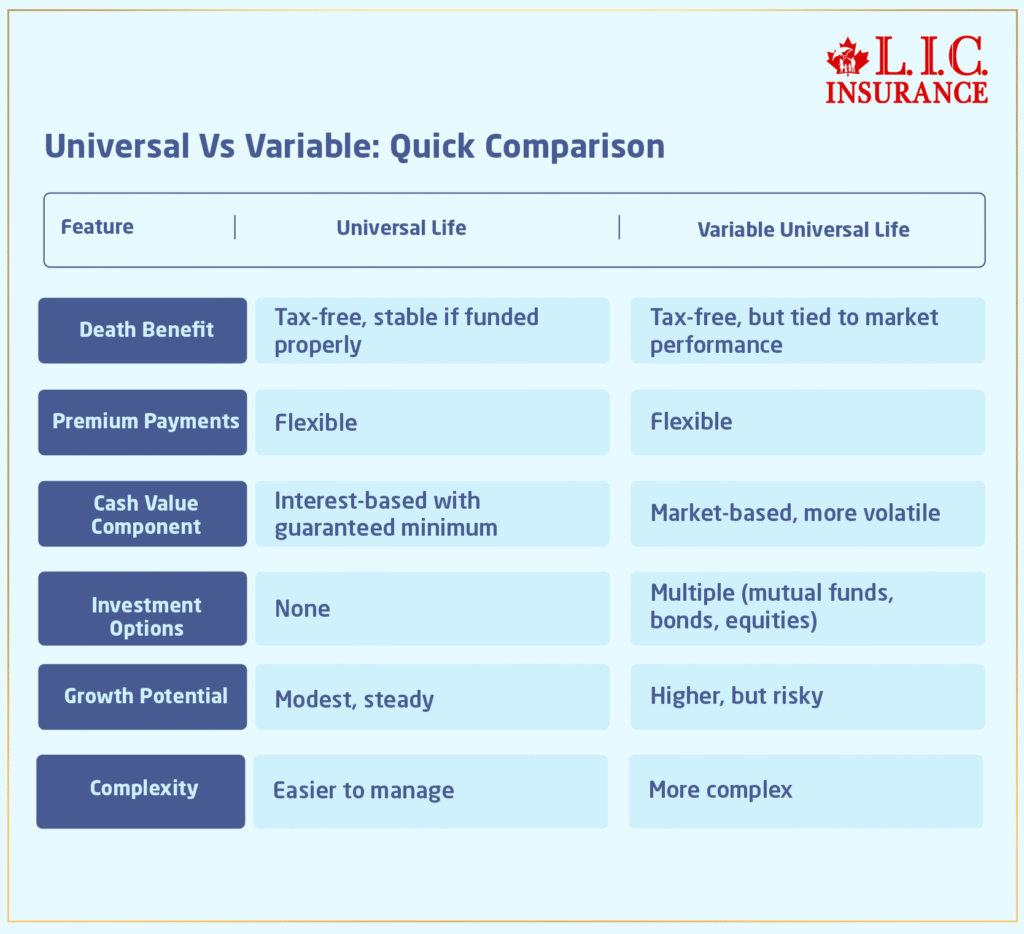
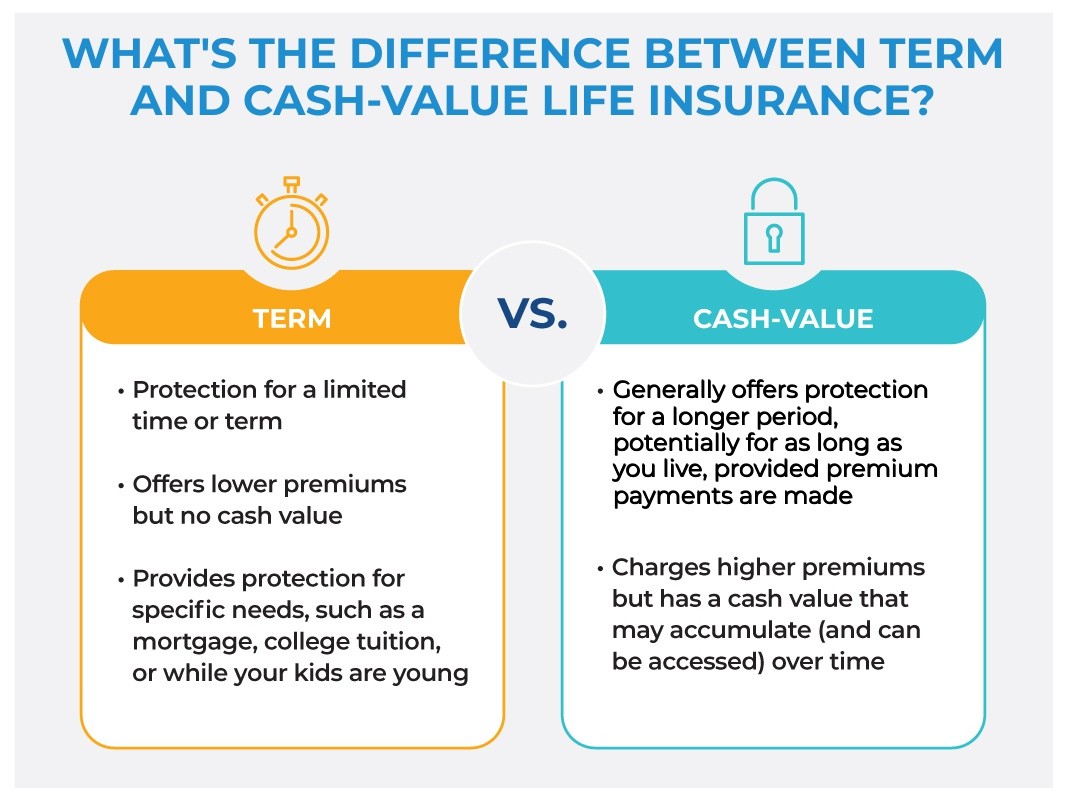
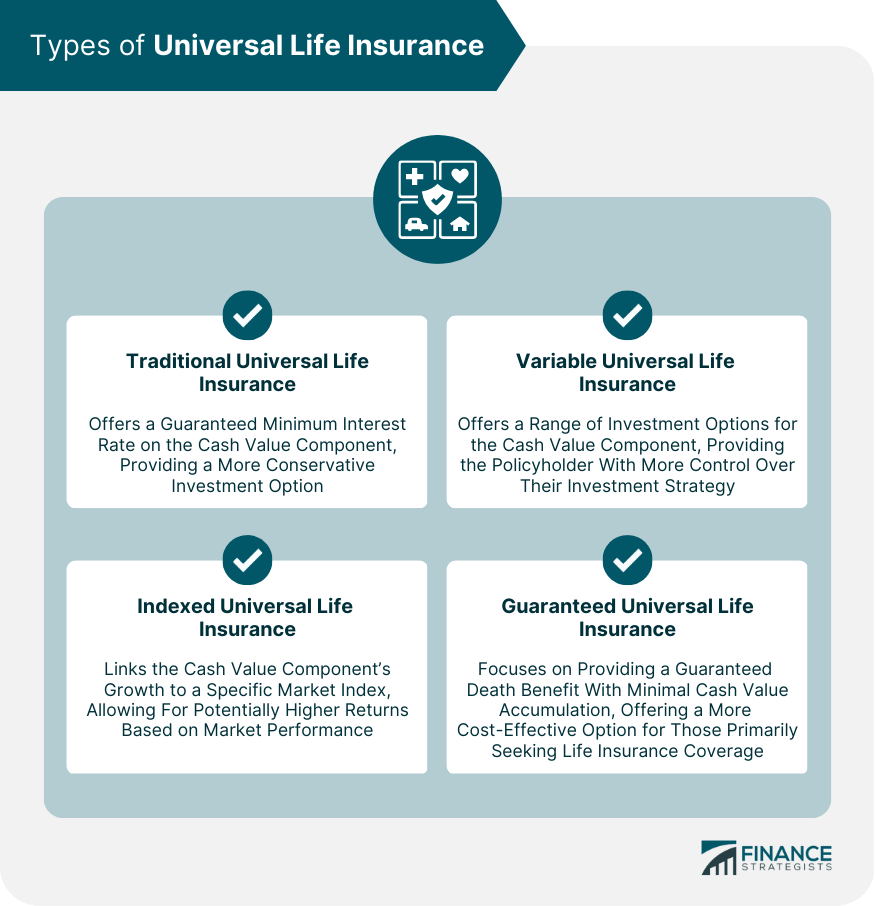
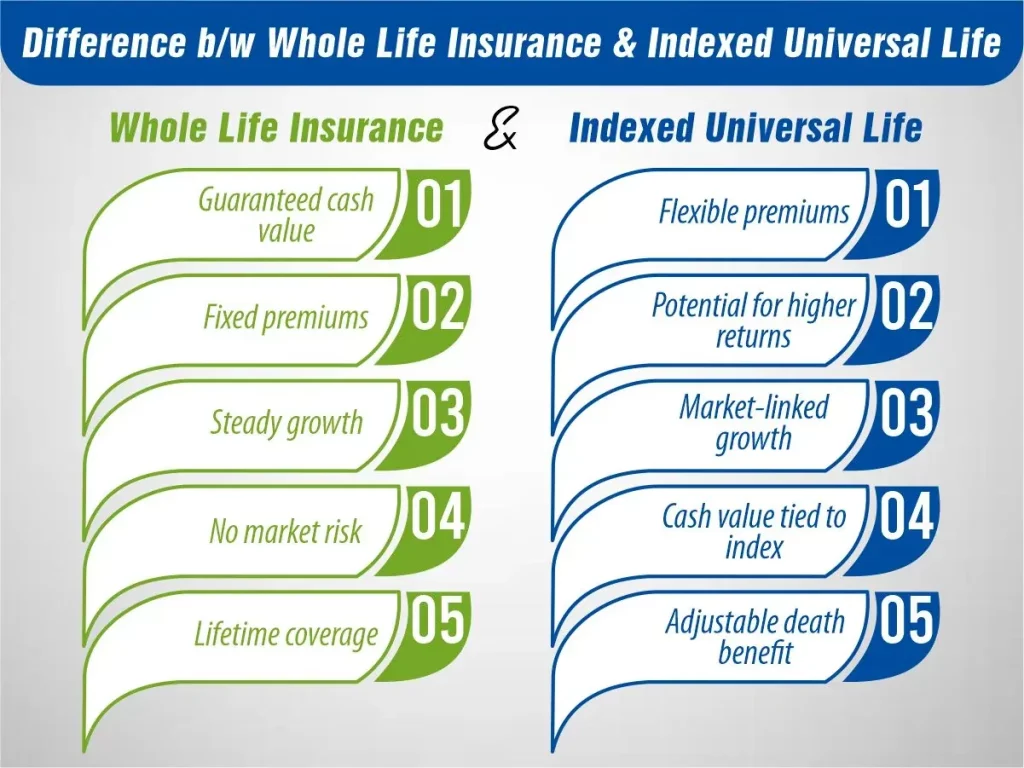
Universal life insurance is a form of permanent cash-value life insurance characterized by its flexibility. Unlike traditional whole life insurance, which features fixed premiums and guaranteed fixed cash value growth rates, universal life policies allow policyholders to adjust their premium payments and death benefit amounts within certain contract parameters.
At the center of this flexibility is the insurance policy face value—often referred to interchangeably as the policy's base death benefit. When an individual applies for coverage, the underwriting process determines the maximum face value an insurance carrier is willing to issue based on the applicant's age, health status, financial history, and lifestyle risk factors.
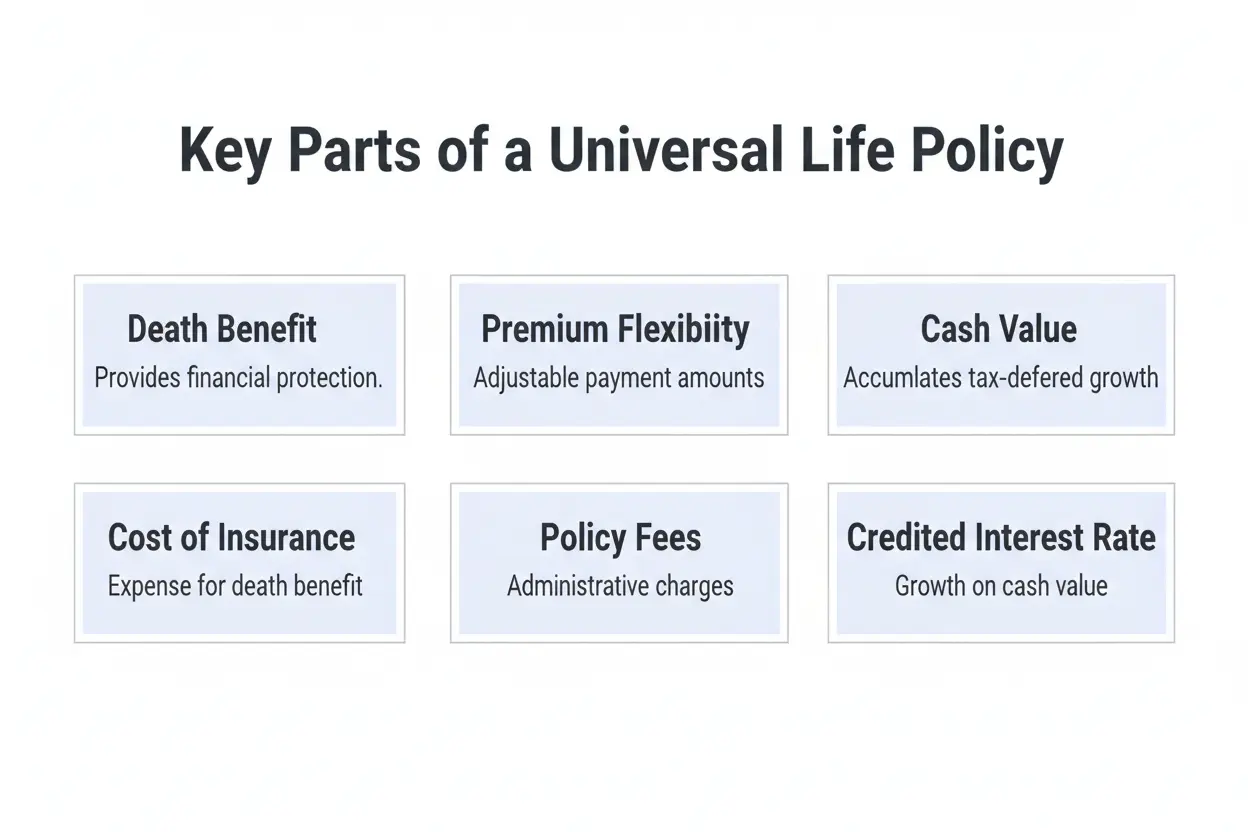
Once the policy is active, the face value dictates the baseline payout. However, universal life policies generally offer two primary death benefit options that alter how the face value interacts with the accumulated cash value over time:
- Option A (Level Death Benefit): The death benefit remains level throughout the life of the policy, equal to the stated face value. As the cash value grows through interest credits, the net amount at risk for the insurance company decreases, which can lower internal insurance costs over time.
- Option B (Increasing Death Benefit): The death benefit equals the stated face value plus the accumulated cash value. This means that as the cash account grows, the total payout to beneficiaries increases dollar-for-dollar, though this option typically incurs higher internal cost-of-insurance charges.
How Face Value Differs from Cash Value
A common point of confusion for consumers is the distinction between a policy's face value and its cash value. While they exist within the same contract, they serve entirely different financial functions.
| Feature | Face Value (Death Benefit) | Cash Value |
|---|---|---|
| Primary Purpose | To provide a tax-free financial payout to beneficiaries upon the insured's death. | To accumulate tax-deferred savings that the policyholder can access during their lifetime. |
| Growth Mechanism | Remains fixed or increases based on the chosen death benefit option and policy growth structure. | Grows through credited interest tied to market indices, fixed rates, or sub-accounts. |
| Access During Life | Generally cannot be accessed directly while the insured is alive (except via accelerated death benefit riders for terminal illness). | Can be accessed via tax-advantaged policy loans or withdrawals to supplement retirement income. |
| Impact on Payout | Represents the guaranteed minimum amount paid out upon death. | Absorbed into the face value (Option B) or used to offset internal costs (Option A). |
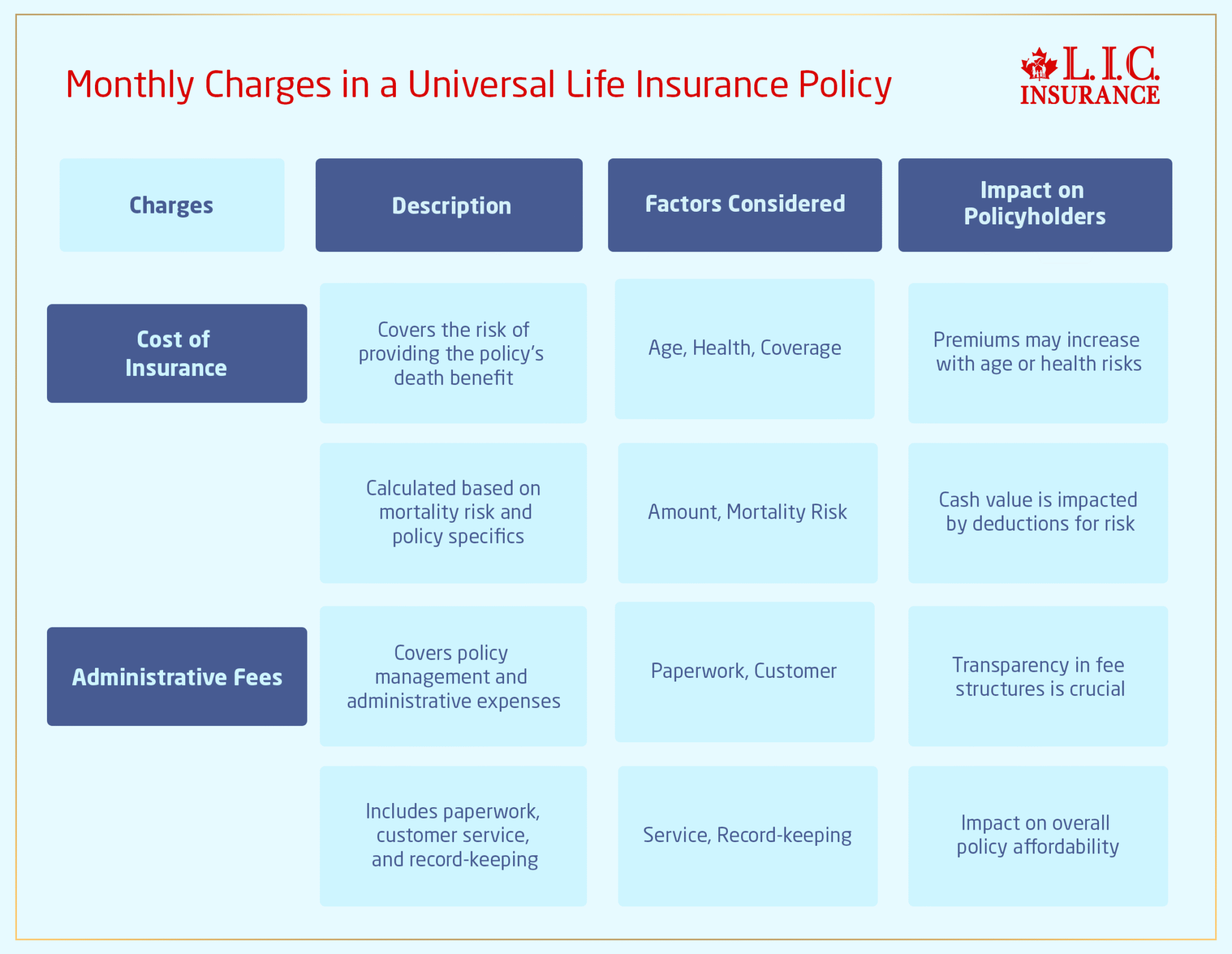
The cash value acts as a living benefit. A portion of each premium payment covers the administrative expenses and the cost of insurance, while the remainder is deposited into a cash account that earns interest. Policyholders can borrow against this cash value or make withdrawals, but doing so without proper planning can reduce the net death benefit or cause the policy to lapse if the cash value drops to zero.
Adjusting the Face Value Over Time
One of the defining advantages of universal life insurance is the ability to modify the face value as life circumstances change. Major life milestones—such as marriage, the birth of a child, purchasing a home, or transitioning into retirement—often alter an individual's financial protection needs.
Decreasing the Face Value
If a policyholder experiences a reduction in financial responsibilities, such as paying off a mortgage or children finishing college, they may choose to lower the face value. Reducing the face value decreases the net amount at risk for the insurer, which subsequently lowers the monthly cost-of-insurance charges deducted from the cash value. This adjustment can help sustain a policy during periods of financial strain when premium payments need to be minimized.
Increasing the Face Value
Conversely, policyholders can request an increase in their face value. However, raising the death benefit is not automatic. Insurance carriers typically require the insured to undergo new underwriting, which may include answering medical questionnaires, providing updated health data, or undergoing a paramedical exam. If the insured's health has deteriorated significantly since the policy was originally issued, the carrier may deny the increase or charge higher rates for the incremental coverage.
Factors That Can Reduce the Actual Payout
Even though a universal life insurance policy has a clearly defined face value, the actual amount distributed to beneficiaries upon the insured's death can differ from this baseline figure due to specific contractual liabilities and deductions.
- Outstanding Policy Loans: If the policyholder borrows against the cash value and fails to repay the principal and accumulated interest before death, the outstanding loan balance is subtracted directly from the death benefit.
- Unpaid Premiums and Monthly Deductions: If a universal life policy enters a grace period due to insufficient cash value or unpaid flexible premiums, any overdue monthly deductions may be subtracted from the final payout.
- Policy Riders: Certain riders attached to the contract—such as accelerated death benefit riders used to fund long-term care or terminal illness treatment—advance a portion of the face value while the insured is still alive, thereby reducing the final payout to beneficiaries.
Frequently Asked Questions
Can the face value of a universal life insurance policy decrease automatically?
The face value itself does not decrease automatically unless the policyholder explicitly requests a reduction. However, if the policy's cash value is depleted by high fees, poor interest crediting, or unpaid loans, the entire policy can lapse, reducing the effective death benefit to zero.
Is the face value of universal life insurance taxable?
In most jurisdictions, life insurance death benefits paid to named beneficiaries are income tax-free under internal revenue guidelines. However, if the policy is transferred for valuable consideration or if the estate is subject to estate taxes, different tax rules may apply.
How is the cost of insurance calculated based on the face value?
Insurance carriers calculate the cost of insurance using net amount at risk—which is the difference between the face value and the cash value—multiplied by mortality rates specific to the insured's age, gender, and health classification.
Can I have multiple face values under one universal life contract?
Some universal life products allow for flexible riders or segmented death benefits, but the foundational contract relies on a primary stated face value that governs the overarching underwriting and risk parameters.
Next Steps for Policyholders
Reviewing an existing universal life insurance policy begins with locating the original contract schedule or annual statement. This document explicitly states the current face value, the chosen death benefit option (Option A or Option B), current cash value totals, and projected cost-of-insurance charges. Policyholders seeking to adjust their face value or evaluate whether their current coverage aligns with long-term financial goals should consult with a licensed financial professional or the issuing insurance carrier to request an updated in-force illustration.
Image Gallery