Understanding Rehab in NH for Lasting Recovery
Accessing professional addiction treatment in New Hampshire involves navigating a multi-tiered system of care designed to address physical, psychological, and social aspects of substance use disorders. Achieving lasting recovery requir...
Accessing professional addiction treatment in New Hampshire involves navigating a multi-tiered system of care designed to address physical, psychological, and social aspects of substance use disorders. Achieving lasting recovery requires a structured approach that progresses from medical stabilization to evidence-based therapeutic interventions and long-term community reintegration, ensuring that individuals receive support tailored to their specific clinical needs and recovery goals.
Contents
The Continuum of Care in New Hampshire
New Hampshire provides a continuum of care that aligns with the American Society of Addiction Medicine (ASAM) criteria. This model ensures that individuals move through levels of intensity that match their clinical severity. Understanding these levels is critical to selecting the appropriate setting for recovery.
Withdrawal Management and Medical Detoxification
For many, the first step in recovery is medically managed detoxification. In New Hampshire, this is typically provided in inpatient settings where clinical staff monitor vital signs and manage withdrawal symptoms. This level of care is essential for safety, particularly for substances where sudden cessation can cause life-threatening complications. Detox is not a complete treatment program; it is a clinical bridge designed to stabilize the body so that psychological treatment can begin.
Residential Treatment
Following stabilization, residential treatment—often referred to as inpatient rehab—provides a structured, 24-hour therapeutic environment. Patients reside at the facility, participating in daily individual therapy, group counseling, and psychoeducational workshops. This environment removes individuals from external triggers and stressors, allowing them to focus exclusively on developing the cognitive and behavioral tools necessary for abstinence.
Intensive Outpatient (IOP) and Partial Hospitalization (PHP)
As individuals progress, they may transition to Partial Hospitalization or Intensive Outpatient programs. These allow patients to reside at home while attending treatment several hours a day or week. These levels serve as a critical transition phase, helping patients practice relapse prevention techniques in real-world scenarios while still benefiting from professional supervision.
Comparing Treatment Modalities in New Hampshire
Selecting the right program requires evaluating the structure, duration, and focus of available services. The following table summarizes the key characteristics of standard treatment tiers observed within the state.
| Treatment Level | Intensity | Typical Duration | Focus |
|---|---|---|---|
| Inpatient/Detox | High (24/7) | 3–7 Days | Medical safety & withdrawal management |
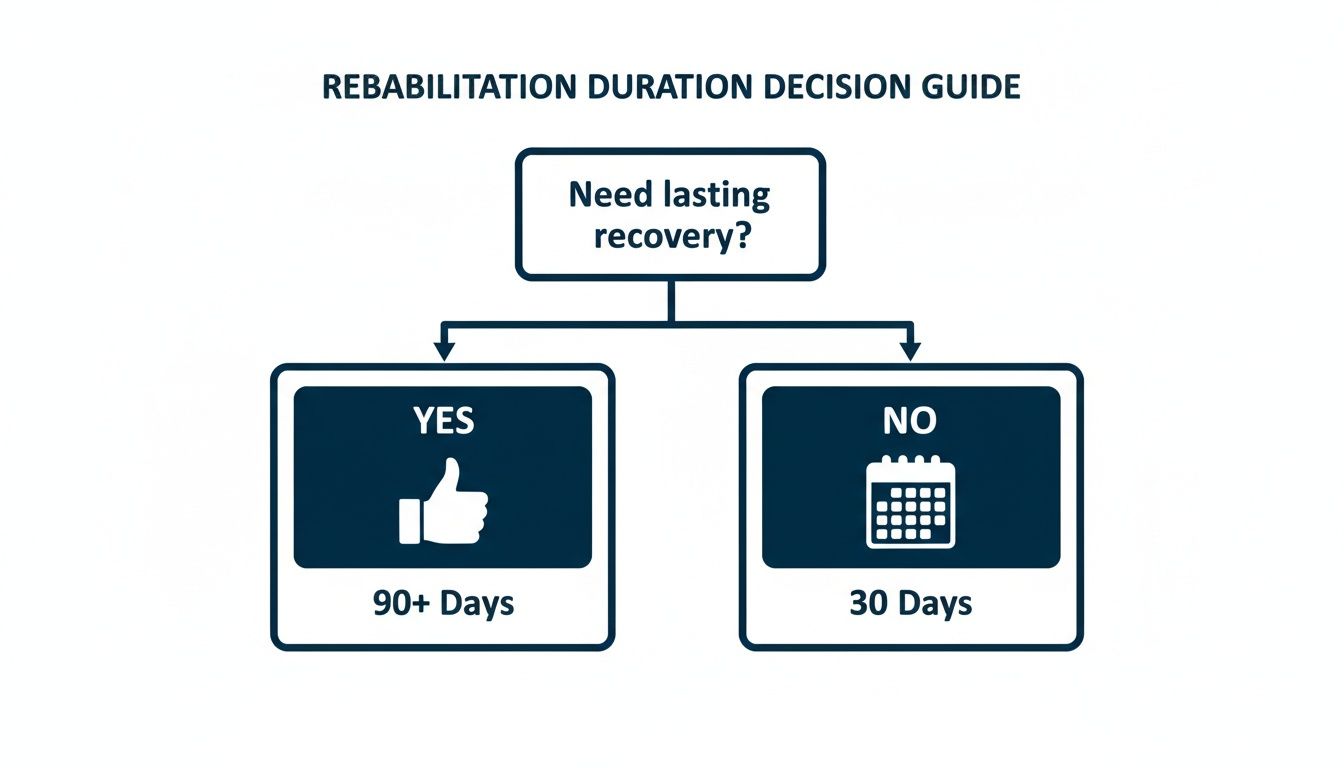
| Residential | High (24/7) | 30–90 Days | Behavioral change & cognitive restructuring |
| PHP | Moderate (Daily) | 2–6 Weeks | Intensive clinical support, living at home |
| IOP | Low (3–5 days/wk) | 8–16 Weeks | Skill building & real-world integration |
| Outpatient | Minimal (1/wk) | Ongoing | Maintenance & relapse prevention |
Navigating Access and Eligibility
Accessing services in New Hampshire often begins with a clinical assessment. Under state and federal regulations, individuals seeking treatment for substance use disorders are entitled to an evaluation to determine the appropriate level of care.
Clinical Assessment and Intake
The process usually starts with an intake interview, where a licensed clinician—such as a Licensed Alcohol and Drug Counselor (LADC)—evaluates the severity of the condition, history of substance use, co-occurring mental health disorders, and individual support systems. This assessment is vital for obtaining insurance authorization, as payers in New Hampshire require medical necessity documentation to cover specific levels of care.
Financial Considerations and Insurance
Treatment costs vary significantly based on the facility’s ownership (non-profit vs. for-profit), the level of care, and the amenities provided. In New Hampshire, most licensed facilities accept major private insurance plans. Additionally, the New Hampshire Department of Health and Human Services (DHHS) oversees programs for those who may be eligible for Medicaid or state-funded assistance. It is advisable to contact the facility’s admissions department to perform a comprehensive benefits verification before starting the program.
Evidence-Based Approaches for Long-Term Success
Lasting recovery is rarely achieved through a single intervention. Instead, success in New Hampshire facilities is built upon a combination of clinically validated methodologies that target the root causes of substance use.
Cognitive Behavioral Therapy (CBT)
CBT remains a gold-standard treatment in New Hampshire. It helps patients identify maladaptive thought patterns that lead to substance use and replaces them with healthier coping strategies. By understanding the link between thoughts, feelings, and actions, patients gain the ability to navigate difficult emotions without resorting to substances.
Medication-Assisted Treatment (MAT)
MAT, which combines behavioral therapy with FDA-approved medications (such as buprenorphine, naltrexone, or methadone), is a cornerstone of opioid and alcohol use disorder treatment in the state. Medication does not "replace" the addiction; rather, it stabilizes brain chemistry and reduces cravings, enabling the individual to engage more effectively in the psychosocial components of their treatment plan.
Addressing Co-occurring Disorders
Often, individuals present with "dual diagnosis," where a substance use disorder exists alongside a mental health condition like depression, anxiety, or trauma. Integrated treatment plans address both conditions simultaneously. In New Hampshire, many facilities emphasize trauma-informed care, recognizing that adverse childhood experiences or untreated PTSD frequently underlie complex addiction cases.
The Role of Aftercare and Peer Support
Rehab is the foundation, but aftercare is the structure that sustains long-term recovery. Once the formal treatment program ends, the risk of relapse remains high as individuals reintegrate into their daily lives.
Continuing Care Planning
A robust discharge plan is a prerequisite for graduating from any reputable rehab center. This plan should include scheduled outpatient therapy, connection with primary care providers, and instructions for medication management. For many, a "step-down" approach is most effective, moving from residential care to IOP, and eventually to independent maintenance.
Peer Support and Community Integration
Recovery communities in New Hampshire—including 12-step programs, SMART Recovery, and various faith-based or secular support groups—play a vital role in preventing isolation. Peer support provides a network of individuals with shared experiences who offer accountability and perspective. Engaging with these groups while still in the final stages of treatment can create a smooth transition back into the community.
Common Obstacles and How to Overcome Them
Entering rehab is a major life event, and it is common to encounter obstacles. Anticipating these challenges can improve the likelihood of a successful outcome.
- Treatment Fatigue: The intensity of residential or intensive programs can be draining. Recognizing that this is a temporary phase of active, focused work is essential for persistence.
- Family Dynamics: Addiction often affects the entire family system. Incorporating family therapy into the treatment plan is essential for repairing relationships and creating a supportive home environment.
- Stigma and Shame: Internalized stigma can prevent individuals from seeking the help they need. Viewing addiction as a chronic medical condition, rather than a moral failing, is critical for sustained engagement.
Frequently Asked Questions
What should I look for when selecting a rehab facility in New Hampshire? Prioritize facilities that are licensed by the New Hampshire DHHS and accredited by national bodies such as the Joint Commission or CARF (Commission on Accreditation of Rehabilitation Facilities). These credentials verify that the facility meets rigorous safety and clinical standards.
Is it necessary to travel out of state for better treatment? Not necessarily. New Hampshire offers a variety of high-quality, evidence-based programs. Staying in-state can often provide easier access to family involvement and easier transitions to local outpatient aftercare, which are significant predictors of long-term success.
How does insurance coverage work for rehab in New Hampshire? Under the Mental Health Parity and Addiction Equity Act, most health insurance plans are required to cover substance use disorder treatment similarly to other medical conditions. Contact your insurance provider's behavioral health department to confirm your specific coverage, deductible, and out-of-pocket maximums.
What happens if I or a loved one experiences a relapse? Relapse is often viewed as a symptom of a chronic disorder rather than a personal failure. In a clinical context, a relapse is an indicator that the current treatment plan needs to be reassessed or intensified. Reach out to your primary therapist or the program's alumni department to discuss immediate adjustments to your recovery plan.
How long does "lasting recovery" usually take? There is no fixed duration. Addiction is a chronic condition that often requires a lifetime of management. While the intensive phase of treatment may last weeks or months, the maintenance phase—involving therapy, support groups, and healthy lifestyle habits—is a continuous, lifelong commitment.
Next Actions
If you or a loved one are ready to seek treatment, start by scheduling a professional clinical assessment. You can search the New Hampshire Department of Health and Human Services' directory of licensed substance use treatment programs to find verified facilities. Ensure that you have your insurance information ready and be prepared to discuss the history of substance use honestly during the intake process to receive an accurate, personalized recommendation for care.
Image Gallery